
When welcoming a new baby into a Singapore home, managing diaper waste quickly becomes a daily challenge. Choosing between a refill cassette diaper bin and a regular diaper pail is a decision that directly impacts your daily routine, nursery hygiene, and household budget. There is no single “best” option; instead, the right choice depends on whether you prioritize maximum hands-free convenience or long-term financial flexibility.
Refill cassette systems excel at locking in odors by sealing each diaper individually or within a continuous, multi-layer plastic tube. This makes them highly effective in tropical environments, though they require ongoing purchases of proprietary refills. Regular diaper pails, on the other hand, function with standard household trash bags or biodegradable liners, offering substantial cost savings and freedom from proprietary supply chains, but they require more active odor management and more frequent trips to the rubbish chute.
Refill Cassette Diaper Bins: Convenience vs. Ongoing Costs
Refill cassette diaper bins utilize a specialized mechanism designed to isolate waste immediately after disposal. Inside these bins sits a plastic cassette containing a long, continuous roll of multi-layer barrier film. When you push a soiled diaper through the bin’s opening, the mechanism either twists the film to wrap the diaper individually—resembling a chain of tightly sealed packages—or pushes it down into a continuous, heavily deodorized plastic tube. This physical barrier is specifically engineered to prevent gas molecules from escaping, ensuring that once a diaper enters the bin, its odor is physically trapped.
Products mentioned in this guide
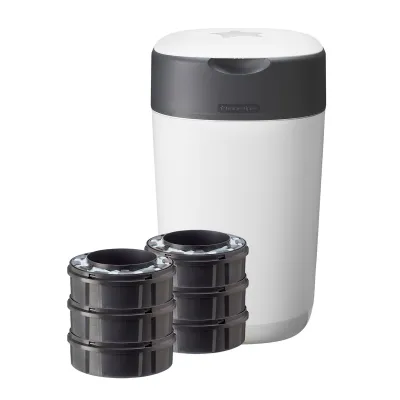
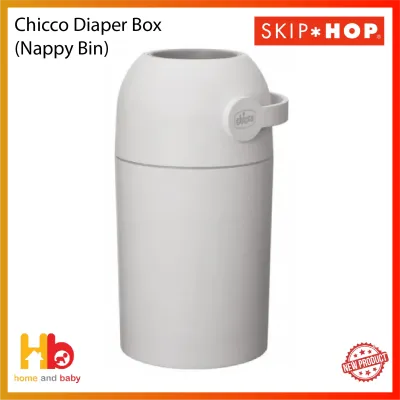
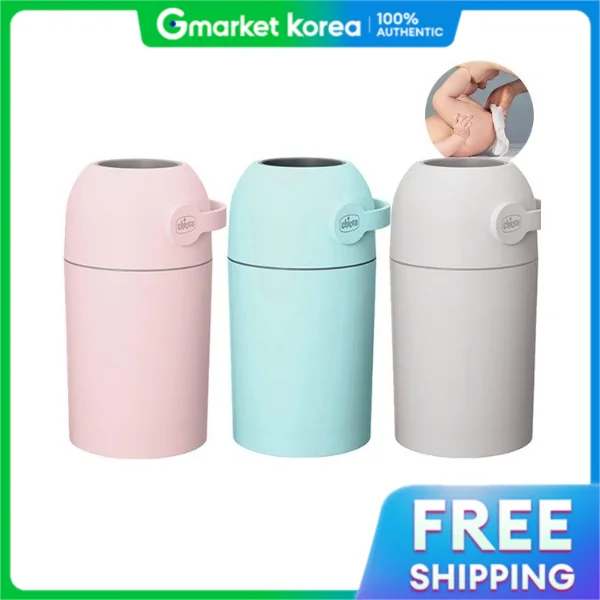
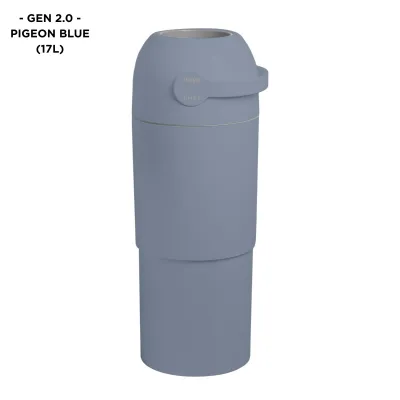
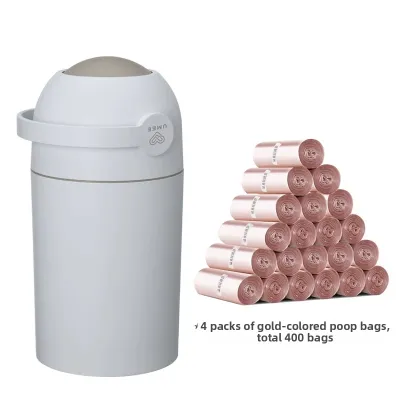
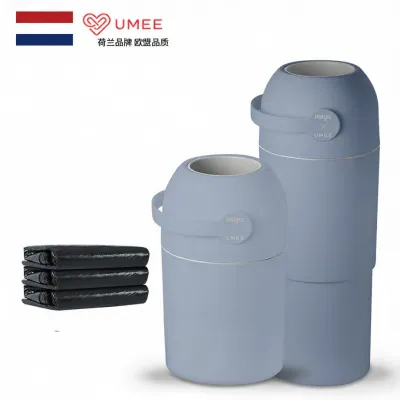
Prices are valid at publication and may change. Please refer to the product page for the latest price.
The primary advantage of this system is its exceptional odor containment, which is particularly beneficial during the newborn phase when a baby can go through ten to twelve diapers a day. Many models feature one-handed or foot-pedal operation, allowing caregivers to drop a diaper inside without losing contact with an active infant on the changing table. Because the film is treated with antibacterial agents or constructed from high-density polymers, it prevents bacteria from multiplying inside the bin, keeping the surrounding nursery air fresh and sanitary.
However, these conveniences come with distinct trade-offs that parents must consider before committing to a specific brand. The most significant drawback is the ongoing financial obligation of purchasing proprietary refill cassettes, as these bins cannot function with standard garbage bags. Over a two-year diapering period, the cost of these refills can easily surpass the initial purchase price of the bin itself. Additionally, the continuous plastic film mechanism can occasionally jam, leading to wasted film as you manually pull and reset the cassette. From an environmental perspective, the reliance on single-use continuous plastic tubing contributes significantly to household plastic waste, which may run counter to families aiming for a zero-waste or low-impact lifestyle.
Before purchasing a refill cassette bin, always check the availability of its specific refills. Ensure that the replacement cassettes are consistently stocked by physical baby boutiques or local online marketplaces in Singapore. It is also wise to check if the manufacturer offers bulk-buy discount packages, which can help mitigate the high recurring costs over the long run.
Regular Diaper Pails: Flexibility and Budget-Friendly Disposal
Regular diaper pails are designed to provide a dedicated, sealed container for diaper waste without locking parents into a proprietary refill system. At their core, these pails operate similarly to high-end household step-bins but are reinforced with specialized seals, heavy-duty gaskets, and dual-compartment lids to limit air exchange. Some models incorporate built-in compartments for activated carbon filters, baking soda discs, or moisture absorbers to neutralize odors that accumulate within the main chamber.

The standout benefit of a regular diaper pail is its outstanding cost-efficiency and flexibility. Because these systems are compatible with any standard household trash bag, you are never vulnerable to supply chain disruptions or sudden price hikes for proprietary refills. You can easily opt for local supermarket plastic bags, heavy-duty draw-string bags, or even compostable and biodegradable liners if you want to reduce your environmental footprint. The absence of complex twisting mechanisms also means there are fewer moving parts to break, jam, or misalign, making these pails highly durable over years of continuous use.
The primary trade-off of a regular diaper pail is the inevitable “odor puff” that occurs when the lid is opened. Unlike cassette systems that seal each diaper individually, a regular pail stores all diapers in a single large bag. Every time you step on the pedal or slide the lid open to drop in a new diaper, the accumulated air inside the chamber escapes into the room. Furthermore, when the bag reaches capacity, you must manually tie the top and carry the heavy, concentrated bundle of waste to your building’s central rubbish chute or outdoor bin. If the bag is thin or overfilled, there is a risk of tearing, which can lead to highly unpleasant cleanups.
When shopping for a regular diaper pail, pay close attention to the quality of the rubber gaskets and the airtightness of the lid seal. Check if the model requires specialized carbon filters and, if so, how often they must be replaced and whether those filters are easy to source. A well-designed pail with a robust silicone seal can perform exceptionally well, but a cheaply made option will quickly let odors seep into your living spaces.
Key Comparison Factors for Singapore Homes
Odor Containment in High Humidity
The tropical climate of Singapore presents a unique challenge for diaper disposal. With relative humidity levels often exceeding 80% and warm indoor temperatures year-round, organic waste decomposes rapidly. This environment accelerates bacterial growth, leading to a swift buildup of ammonia and intense odors. Under these conditions, standard trash bins are inadequate, and even specialized diaper systems are put to the test.
Refill cassette bins perform exceptionally well in humid climates because their multi-layer barrier film physically isolates each diaper from the surrounding air. Wrapping the waste tightly restricts the oxygen supply, slowing down aerobic bacterial decomposition and keeping gases contained. This allows parents to leave a cassette bin to fill over several days without noticing foul smells in the home.
In contrast, regular diaper pails store all diapers together in a single large bag inside a warm, humid chamber. This creates a concentrated pocket of stagnant, foul air. While the rubber seals of a high-quality pail keep this odor contained when closed, the humid air escapes into the room whenever you open the lid. To manage this in Singapore, parents using regular pails often empty the bin every 24 to 48 hours, regardless of whether the bag is full, to prevent lingering smells.
Space and Footprint in Compact Living Areas
Space is a premium commodity in Singapore, where many families live in HDB flats or condominiums with compact nursery rooms and bathrooms. The physical dimensions, footprint, and operating clearance of your diaper bin dictate where the unit can comfortably fit. A bin that is too bulky or awkward to open can quickly disrupt the flow of a small room.
Refill cassette bins are often designed with a taller, narrower vertical profile. This slender footprint is necessary to accommodate the downward feed of the continuous film and the internal cutting mechanism, making them highly suitable for tight corners or narrow gaps. However, because they are tall, you must ensure there is sufficient vertical clearance, especially if the bin utilizes a flip-top lid that swings upward when activated by a foot pedal.
Regular diaper pails come in a wider variety of shapes and sizes. Because they do not house an internal cassette holder, their internal volume is entirely dedicated to waste storage, giving them a higher diaper capacity relative to their external dimensions. When placing a regular pail in a small Singapore bathroom or service yard, check the manufacturer’s exact dimensions to ensure the foot pedal and lid have enough clearance to operate without hitting nearby walls or fixtures.
Long-Term Cost and Refill Availability
Before committing to a diaper disposal system, it is essential to look past the initial retail price and calculate the total cost of ownership. A baby typically remains in diapers for two to three years, during which time the cost of consumables can accumulate into a significant household expense.
On average, a single refill cassette lasts for approximately 150 to 180 newborn diapers. A family using a cassette system will go through roughly one to two cassettes per week during the early months, translating to a recurring monthly expense of S$20 to S$40 solely on plastic film refills. Over two years, this ongoing cost can range from S$400 to over S$800.
Regular diaper pails eliminate this recurring cost almost entirely. A standard roll of household trash bags costs only a few Singapore dollars and can last for several months. Even if you choose premium or biodegradable trash bags, the monthly expense remains under S$5. Additionally, relying on standard bags means you are insulated from supply chain issues. If a specific brand of cassette refills goes out of stock at local baby stores or online retailers, parents with cassette bins are left with an unusable container, whereas regular pail users can simply grab another roll of bags from the local supermarket.
Side-by-Side Comparison: Cassette Systems vs. Standard Pails
The following table outlines the key differences between refill cassette bins and regular diaper pails to help you weigh your priorities.
| Feature | Refill Cassette Bins | Regular Diaper Pails |
|---|---|---|
| Odor Sealing Mechanism | Individual twisting or continuous multi-layer barrier film that isolates each diaper. | Tight-fitting lids with rubber gaskets, often supplemented by carbon filters or deodorizers. |
| Ongoing Cost | High; requires continuous purchase of proprietary refill cassettes. | Extremely low; compatible with standard, affordable household trash bags. |
| Bag Changing Frequency | Lower; individual sealing allows diapers to accumulate longer without escaping odors. | Higher; frequent emptying is recommended in humid climates to prevent odor buildup. |
| Eco-Friendliness | Lower; generates substantial single-use plastic waste from the continuous film. | Higher; allows the use of biodegradable, compostable, or recycled trash bags. |
| Maintenance Effort | Moderate; requires occasional manual threading, cutting, and knotting of the film. | Low; straightforward bag replacement with no complex internal mechanisms to manage. |
Note: Please check the specific manufacturer’s product specifications for exact diaper capacities, physical dimensions, and recommended filter or cassette replacement schedules before making your purchase.
Final Verdict: How to Choose the Right Diaper Bin
To make the best decision for your household, evaluate how each system aligns with your daily routine, your home’s layout, and your long-term family budget. Use the following decision framework to guide your choice:
- Choose a Refill Cassette Bin if:
- Your absolute highest priority is complete odor containment, especially if the bin will be placed directly inside a small, poorly ventilated bedroom or nursery.
- You want a highly convenient, hands-free disposal method that allows you to drop and seal diapers quickly with one hand.
- You have a flexible household budget that can comfortably accommodate the ongoing, recurring cost of proprietary refill cassettes over several years.
- You prefer to empty the diaper bin less frequently without worrying about foul smells escaping into your living space.
- Choose a Regular Diaper Pail if:
- You want to minimize long-term household expenses and avoid being locked into a proprietary refill subscription or supply chain.
- You prefer the flexibility of using standard household trash bags, recycled plastic bags, or eco-friendly biodegradable liners.
- You are comfortable with emptying the bin frequently (every 1 to 2 days) to maintain hygiene and prevent odor buildup in Singapore's humid climate.
- You prefer a simple, durable mechanical design with fewer moving parts that are less prone to jamming or breaking.
- Verify first if:
- You decide to purchase a refill cassette system; verify that the specific refill cassettes are readily available from multiple local retailers in Singapore and fit comfortably into your monthly baby care budget.
- You choose a regular diaper pail; check the quality of the lid's rubber gaskets and ensure that any required replacement carbon filters are easy to source locally.
Ultimately, the best diaper bin is the one that fits seamlessly into your lifestyle. If you live in a high-rise HDB flat with easy, daily access to a central rubbish chute, a regular diaper pail that you empty daily is often the most economical and hygienic choice. However, if your diaper bin must sit close to your sleeping area or you have limited time for daily trash runs, the superior odor-locking capabilities of a refill cassette system may well be worth the additional ongoing investment.
Essential Cleaning and Maintenance Tips
Regardless of which diaper bin type you select, maintaining proper hygiene is vital to prevent bacterial growth, lingering odors, and mold formation in Singapore’s warm and humid environment. Over time, plastic can absorb organic odors, meaning routine cleaning is necessary to keep the unit fresh.
To clean your diaper bin safely, begin by emptying all waste and removing any remaining liners or cassettes. Wash the interior and exterior surfaces thoroughly using a soft sponge, warm water, and a mild, non-abrasive dish soap. Pay close attention to the rubber gaskets, seals, and hinges where grime and bacteria can accumulate. After washing, it is critical to let the bin air-dry completely—preferably in a well-ventilated area or under direct sunlight—before inserting a new bag or cassette. Placing a damp bin back into service in a humid room will rapidly trigger mold and mildew growth.
For regular diaper pails, sprinkling a thin layer of baking soda at the bottom of the bin or placing an activated charcoal sachet under the lid can help absorb residual moisture and neutralize acidic odors. Avoid using harsh chemical bleach, strong solvents, or highly abrasive scrubbers on either bin type. These harsh agents can degrade the plastic, warp the rubber seals, or damage the delicate spring mechanisms, which will compromise the airtight seal and allow odors to escape. Always consult your specific product’s manufacturer care instructions before applying any specialized cleaning solutions or deodorizing sprays.
Community discussion
Share your experience or ask a question. Comments are reviewed before publication.