
Selecting the right breast milk pump machine is one of the most critical decisions you will make during your breastfeeding journey. In Singapore, where mothers often balance demanding professional careers with family life, the ideal pump must seamlessly integrate into your daily routine. Because every mother’s milk supply, anatomy, and lifestyle are unique, there is no single brand or model that works perfectly for everyone. Finding the right machine requires evaluating how often you plan to pump, where you will be using the device, and how much time you can dedicate to cleaning and maintenance.
To make an informed investment, you must first understand the distinct categories of breast pumps available on the market and how their features align with your specific goals. Whether you are looking to exclusively pump, maintain your supply after returning to office work, or simply have a backup option for occasional outings, matching your routine to the correct pump type is the essential first step.
How to Match Your Pumping Routine to the Right Machine Type
Before browsing specific brands, you must define your primary pumping goals and assess your daily environment. Pumping frequency is the most significant factor in this decision. If you plan to pump exclusively—meaning your baby receives breast milk primarily via bottles—you will require a heavy-duty machine designed for frequent, daily use. This routine demands a motor capable of sustaining high performance without losing suction power over time.
Products mentioned in this guide
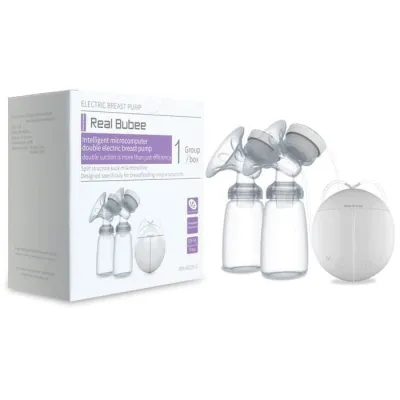
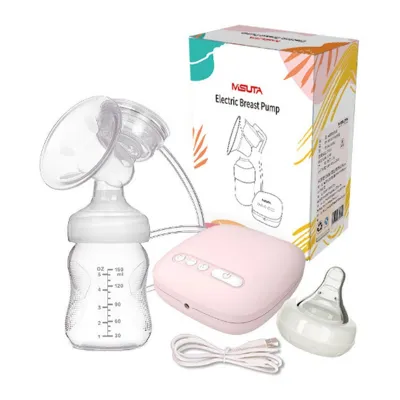
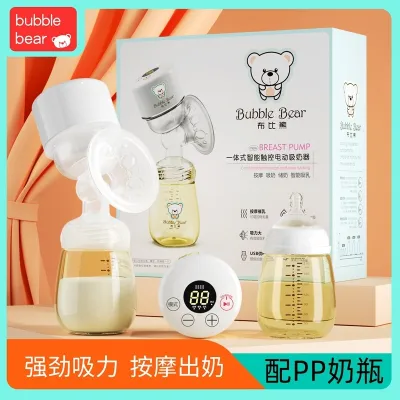
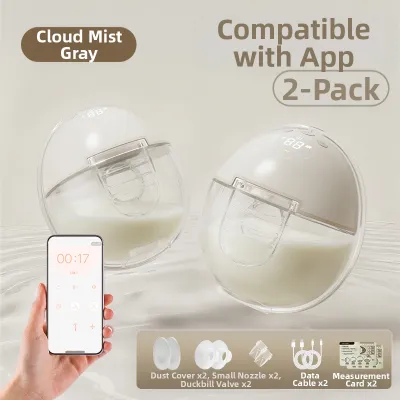
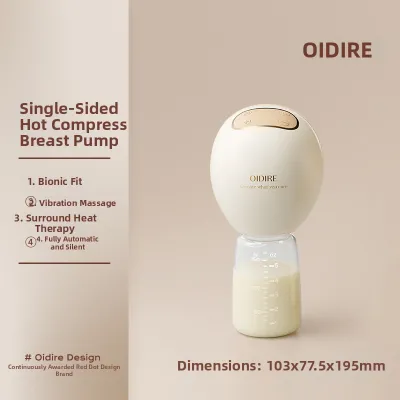
Prices are valid at publication and may change. Please refer to the product page for the latest price.
For mothers planning to return to office work in Singapore, portability and discretion become the top priorities. You will need to consider how you will commute, whether your workplace provides private nursing rooms, and how much time you have during breaks. In these scenarios, a bulky, plug-in machine may cause unnecessary stress, whereas a lightweight, battery-operated, or wearable pump can allow you to express milk efficiently without feeling tethered to a single spot.
Conversely, if your primary goal is to direct-latch your baby and you only need to pump occasionally to build a modest freezer stash or relieve engorgement, your requirements are much simpler. A lightweight double-electric pump, a compact single-electric pump, or even a manual pump may be entirely sufficient. These options are generally more cost-effective and require less space, making them ideal for occasional use.
Your physical environment also dictates the best pump style. If you are frequently on the move, commuting via public transport, or managing household chores alongside a newborn, a hands-free wearable pump offers unmatched flexibility. However, if you have a dedicated space at home or a private office with a power outlet, a traditional tabletop pump with external tubing often provides more robust suction and highly customizable settings.
Ultimately, the most recommended brand for you is the one that fits your lifestyle constraints. A high-end, feature-rich pump is of little use if it is too heavy to carry on your daily commute, or if the cleaning process is too complex to manage during a short office break. By identifying your lifestyle category first, you can narrow down your search to the specific brands that excel in that category.
Recommended Breast Pump Categories and Brand Examples to Research
Once you have established your pumping routine, you can begin researching specific categories and the brands that specialize in them. The following sections outline the three primary categories of breast pumps, their typical use cases, and prominent brand examples to guide your research.

Hospital-Grade and High-Performance Personal Pumps
Hospital-grade and high-performance personal pumps are engineered for maximum efficiency, durability, and milk extraction. These machines utilize powerful, durable motors designed to mimic a baby’s natural sucking pattern with high precision. They are the standard choice for the early postpartum weeks when you are actively establishing your milk supply, or if you are managing challenges such as low milk supply, premature birth, or severe engorgement.
When researching this category, prominent brands to investigate include Medela, Spectra, and Ameda. Medela is widely recognized globally and is frequently used in clinical settings, while Spectra has gained a strong reputation among Singaporean mothers for its quiet operation and integrated nightlights. Ameda is another established brand known for its focus on hygienic design and customizable suction settings.
Before purchasing a high-performance pump, you should verify whether the machine features a closed-system design. A closed system utilizes a physical barrier, such as a silicone diaphragm, to prevent breast milk and moisture from entering the tubing and pump motor. This design is crucial for preventing mold growth and bacterial contamination within the machine. Additionally, you should check if the manufacturer offers adjustable suction cycles and distinct expression phases, which allow you to customize the pump’s speed and strength to match your body’s natural let-down reflex.
Because hospital-grade pumps can represent a significant financial investment, many mothers in Singapore choose to rent these machines during the initial weeks postpartum. You can research rental programs offered directly by local hospitals, specialized baby boutiques, or authorized distributors to determine if renting is a more practical option for your family.
Wearable and Hands-Free Pumps
Wearable and hands-free breast pumps represent a major shift in design, placing the motor and collection cup directly inside your nursing bra. This completely eliminates external tubing and dangling bottles, allowing you to pump while working at your desk, driving, or attending to your baby. This category is highly favored by working mothers who require maximum discretion and mobility.
Key brands to research in the wearable category include Elvie, Willow, and Momcozy. Elvie and Willow are known for their slim profiles, quiet motors, and smart-device integration, which allows you to track milk volume and control settings via a mobile application. Momcozy offers a range of accessible hands-free options that focus on portability and ease of use.
While wearable pumps offer exceptional convenience, you must verify several specifications before purchasing. First, pay close attention to flange sizing. Because wearable pumps must fit snugly inside your bra, an incorrect flange size can cause significant discomfort and drastically reduce milk expression. Second, review the manufacturer’s noise level specifications if you intend to use the pump in a quiet office environment or during virtual meetings.
It is also important to note that wearable pumps often consist of multiple small, specialized silicone parts. You should verify the availability and cost of replacement parts, as well as the manufacturer’s cleaning instructions. Wearable pumps generally require meticulous cleaning and air-drying after every session, and some parts may not be compatible with high-temperature steam sterilizers.
Compact, Travel, and Manual Pumps
Compact electric pumps and manual silicone or hand-trigger pumps are designed for portability, simplicity, and occasional use. These devices are ideal for short trips, family outings, or as a reliable backup option when electricity is unavailable. They occupy minimal space in a diaper bag and can be assembled quickly.
Well-known brands in this category include Philips Avent, Haakaa, and Pigeon. Philips Avent offers compact electric options that balance portability with reliable suction. Haakaa is famous for its one-piece silicone suction pumps, which use natural vacuum pressure to collect let-down milk from the opposite breast while nursing. Pigeon provides highly portable manual pumps with ergonomic handles designed to minimize hand fatigue.
When evaluating a compact or manual pump, prioritize ease of assembly and cleaning. A pump with fewer parts is much easier to sanitize when you are away from home. Additionally, you must verify the specific care instructions for silicone materials. High-quality silicone is durable, but it can degrade over time if exposed to harsh sterilization methods or abrasive cleaning brushes. Regularly inspecting these manual components ensures they maintain the necessary vacuum seal for effective milk expression.
What to Verify Before Buying a Breast Milk Pump Machine in Singapore
Investing in a breast milk pump machine requires careful verification of several practical factors to ensure safety, hygiene, and long-term usability within Singapore.
- Local Warranty and Authorized Dealers: It is highly recommended to purchase your breast pump from authorized local retailers, official brand stores, or reputable pharmacies in Singapore. While purchasing parallel imports from overseas online marketplaces may offer a lower upfront price, these devices rarely come with a local warranty. If the motor fails or a part breaks, you may find yourself without a working pump and no access to local repair services. Authorized dealers also ensure that you have immediate access to genuine spare parts, such as replacement valves, membranes, and tubing, which are essential for maintaining suction performance.
- Flange Fit and Sizing: The plastic or silicone cone that fits over your breast is known as the flange. Most breast pumps come packaged with a standard flange size (typically 24mm), but this size does not fit every mother. Using an incorrect flange size can lead to nipple pain, tissue damage, blocked milk ducts, and decreased milk yield. Before buying, measure your nipple base in millimeters using a sizing ruler, or consult a certified lactation consultant (IBCLC) at a local Singaporean hospital or private clinic. Ensure the brand you choose offers alternative flange sizes or comfortable silicone inserts that match your measurements.
- Power and Charging Compatibility: Singapore operates on a 230V supply voltage at 50Hz, utilizing the Type G three-pin plug. If you are considering importing a breast pump from overseas, you must verify that the device's voltage requirements are compatible with Singapore's electrical standards. Devices designed for lower voltages (such as 110V systems used in North America) can suffer permanent motor damage or pose safety hazards if plugged directly into a local outlet without an appropriate transformer. For battery-operated or USB-rechargeable pumps, verify that the charging parameters can be safely met using standard local USB adapters.
- Hygiene and System Design: Always check the product description to confirm whether the pump utilizes an open or closed system. A closed-system pump features a physical barrier that prevents milk from backflowing into the tubing and motor. This is a critical safety feature, as open systems can allow microscopic milk droplets to accumulate inside the motor housing, leading to mold growth and bacterial contamination that is impossible to clean. To protect your baby's health, prioritize brands that explicitly guarantee a closed-system design.
Frequently Asked Questions (FAQ)
Can I use an overseas breast pump in Singapore?
Yes, you can use an overseas breast pump in Singapore, but you must take several precautions regarding power compatibility and warranty coverage. Singapore uses a 230V electrical system with Type G three-pin plugs. If your imported pump is designed for a different voltage, you will need a voltage converter, not just a simple plug adapter, to prevent damaging the motor. Additionally, overseas purchases are typically not covered by local warranties, meaning you will have to pay for shipping and repairs if the device malfunctions. Access to compatible replacement parts, such as valves and membranes, may also be limited locally if the specific model is not officially distributed in Singapore.
How often should I replace breast pump parts?
You should replace your breast pump’s wearable parts regularly to maintain optimal suction performance and hygiene. Silicone components, such as duckbill valves, diaphragms, and membranes, stretch and degrade with frequent use, washing, and sterilization. As a general guide, if you pump multiple times a day, duckbill valves should be replaced every 1 to 3 months, while silicone membranes and diaphragms should be replaced every 3 to 6 months. Tubing should be replaced immediately if you observe moisture, mold, or milk backflow inside the tubes. Always consult your specific manufacturer’s instruction manual for the recommended replacement schedule and care guidelines.

Community discussion
Share your experience or ask a question. Comments are reviewed before publication.