
Determining whether ReadyCare hand sanitizer is safe for babies and young children requires a careful look at product formulations, age-specific guidelines, and the unique characteristics of developing skin. Because infants and toddlers have highly permeable skin barriers and a natural tendency to put their hands in their mouths, standard adult hand sanitizers—including many ReadyCare variants—are generally not recommended for very young children. Caregivers must systematically inspect product labels, verify active ingredients, and prioritize traditional hygiene methods to keep their little ones safe.
While hand sanitizers offer a convenient way to reduce germs when on the go, they are not a one-size-fits-all solution for every family member. Understanding the physiological differences between child and adult skin, alongside the specific ingredients in your sanitizing products, is the first step in making an informed decision for your family’s daily hygiene routine.
Understanding Hand Sanitizer Safety for Babies and Toddlers
An infant’s skin barrier is significantly thinner and more delicate than that of an adult. During the first few years of life, the outer layer of the skin, known as the stratum corneum, is still developing its protective lipid structure. This immaturity means that babies absorb topical substances much more rapidly and deeply into their systems, making them highly vulnerable to the chemical ingredients found in standard hand sanitizers.
Products mentioned in this guide
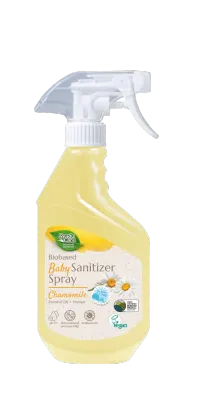
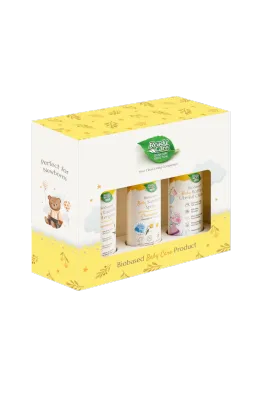
Prices are valid at publication and may change. Please refer to the product page for the latest price.
Beyond skin absorption, the behavioral patterns of toddlers introduce a substantial risk of accidental chemical ingestion. Young children constantly explore their surroundings through touch and frequently place their fingers, hands, and toys directly into their mouths. If an alcohol-based hand sanitizer is applied and has not completely evaporated, a child can easily ingest the active ingredients, which can lead to localized irritation or more severe systemic issues.
Accidental ingestion of even small amounts of alcohol-based hand sanitizer can be highly toxic to a toddler. Because of their low body weight, young children are susceptible to rapid drops in blood sugar, lethargy, and coordination issues if they ingest alcohol. This is why pediatric guidelines globally advise against the routine use of alcohol-based hand sanitizers on infants, emphasizing that these products should only be introduced when children are old enough to follow instructions and keep their hands out of their mouths.
Most pediatricians and health authorities recommend avoiding hand sanitizers entirely for infants under six months of age. For toddlers and older children, sanitizers should only be used under direct adult supervision, ensuring the product is applied correctly and dried completely before the child resumes play or eating. Understanding these developmental risks helps caregivers make safer choices during daily outings and playdates.
How to Evaluate ReadyCare Hand Sanitizer Labels for Child Use
When considering a ReadyCare hand sanitizer, or any similar hygiene product, the product label is your primary tool for safety verification. Manufacturers formulate different product lines for different target audiences, meaning a sanitizer designed for heavy-duty office or industrial use will have a very different profile than one intended for gentle family care. Always locate the specific age recommendations, warnings, and precautionary statements printed on the back of the bottle.

Begin by identifying the active ingredient and its exact concentration. Most effective alcohol-based hand sanitizers contain either ethanol (ethyl alcohol) or isopropyl alcohol at concentrations between 60% and 80%. While this concentration is necessary to neutralize common pathogens, it is also highly drying and potentially irritating to young skin. If the label indicates a high alcohol percentage without any soothing agents, it is likely too harsh for a toddler’s hands.
Next, carefully review the list of inactive ingredients, which often contains fragrances, colorants, and preservatives. Added synthetic fragrances and artificial dyes are among the most common triggers for contact allergies and skin irritation in young children. Opting for fragrance-free and dye-free formulations reduces the likelihood of an adverse reaction, especially for children who already show signs of dry skin or eczema.
Additionally, look for the inclusion of humectants or skin-conditioning agents on the label, such as glycerin, aloe vera, or vitamin E. These ingredients help retain moisture on the skin surface, mitigating some of the drying effects of the alcohol. However, keep in mind that the presence of soothing ingredients does not make the product safe for oral contact; it merely helps protect the skin barrier from excessive dryness during supervised use.
Recognizing Skin Sensitivities and When to Stop Use
Because young skin is highly reactive, caregivers must remain vigilant for any signs of contact dermatitis or localized irritation after applying hand sanitizer. The most common early indicators of skin sensitivity include localized redness, unusual dryness, flaking, or a rough texture on the backs of the hands and between the fingers. A child might also show discomfort by rubbing their hands together, scratching, or crying shortly after application.
It is important to distinguish between the temporary cooling sensation and mild dryness caused by rapid alcohol evaporation and a true inflammatory skin reaction. Temporary dryness usually resolves quickly and can be managed with a gentle, child-safe moisturizer. A true allergic reaction or severe irritation, however, presents as persistent redness, swelling, raised bumps, hives, or skin that feels hot to the touch.
If you observe any signs of skin irritation or an allergic reaction, take immediate action to minimize discomfort. Gently wash the child’s hands with cool, plain water and a mild, fragrance-free soap to remove any remaining sanitizer residue. Avoid scrubbing the skin, as this can further damage the compromised skin barrier and worsen the inflammation. Pat the hands dry with a soft towel and apply a plain, hypoallergenic barrier cream.
Discontinue the use of the specific hand sanitizer immediately if the irritation persists, worsens, or spreads beyond the application area. If the skin cracks, bleeds, or shows signs of infection, or if the child experiences ongoing discomfort, consult a pediatrician or a dermatologist. They can provide a proper diagnosis, recommend safe alternative hygiene practices, and prescribe appropriate topical treatments if necessary.
Safe Application Practices and Alternatives for Young Children
When using hand sanitizer on older toddlers and young children, proper application technique is essential to minimize risks. Always dispense the product yourself rather than letting the child handle the bottle. Apply a small, pea-sized amount to your own palm first, then thoroughly rub it onto the child’s hands, ensuring you cover all surfaces, including the backs of the hands, between the fingers, and around the fingernails.
You must actively supervise the child and hold their hands until the sanitizer has completely evaporated and the skin is dry to the touch. This process typically takes about 15 to 20 seconds. Preventing the child from touching their face, rubbing their eyes, or putting their fingers in their mouth while the product is still wet is critical to avoiding accidental chemical exposure and eye irritation.
Safe storage is another vital component of household safety. Store all hand sanitizers out of the reach and sight of children, ideally in a high, locked cabinet or a secure bag. In warm, humid climates like Singapore’s, avoid leaving hand sanitizer bottles inside a parked car or in direct sunlight, as excessive heat can cause the alcohol to evaporate, reducing the product’s effectiveness and potentially creating a mild fire hazard due to the flammability of alcohol.
Despite the convenience of portable sanitizers, washing hands with plain soap and running water remains the gold standard for pediatric hygiene. Soap and water physically remove dirt, grease, and organic matter, which hand sanitizers cannot do. Always prioritize soap and water when hands are visibly soiled, after the child uses the toilet, after outdoor play in parks, and invariably before meals or snacks.
Frequently Asked Questions (FAQ)
Can I use ReadyCare hand sanitizer on a baby under 2 months old?
No, you should not use ReadyCare or any other hand sanitizer on a baby under two months old. Newborns and very young infants have an exceptionally fragile skin barrier that highly absorbs topical chemicals, posing a risk of systemic toxicity. Additionally, young infants frequently place their hands in their mouths, creating a direct pathway for accidental ingestion. To protect a young baby, rely on strict caregiver hand hygiene—washing your own hands thoroughly with soap and water before handling the infant—and use a damp, warm cloth with plain water to gently clean the baby’s hands if necessary.
What should I do if my toddler accidentally licks their hands after applying ReadyCare?
If your toddler licks their hands while the sanitizer is still wet, immediately wipe their mouth and tongue with a clean, damp cloth to remove any remaining residue. Offer them a few sips of water or milk to help dilute any small amount they may have swallowed, and monitor them closely. If they exhibit any unusual symptoms—such as extreme drowsiness, vomiting, confusion, or difficulty breathing—or if you suspect they have swallowed a larger amount directly from the bottle, seek immediate medical attention or contact a local poison control center.
Is an alcohol-free ReadyCare variant safer for children's skin?
An alcohol-free variant is not automatically safer and requires the same level of scrutiny as alcohol-based products. Alcohol-free sanitizers typically utilize alternative active ingredients, such as benzalkonium chloride, to eliminate germs. While these ingredients do not dry out the skin as rapidly as alcohol, they carry their own distinct safety profiles, potential for skin irritation, and age restrictions. You must carefully check the specific product label of any alcohol-free variant to verify its approved age limits and safety warnings before applying it to a child’s skin.

Community discussion
Share your experience or ask a question. Comments are reviewed before publication.