
Comparing premium diaper brands in Singapore requires looking beyond basic absorbency to evaluate how a diaper performs under the unique pressures of active toddlerhood and a humid, tropical climate. Rascal XXL is highly regarded for its generous sizing, exceptional waistband stretch, and deep pocket design, making it an excellent choice for larger, active toddlers or heavy overnight wetters. However, whether it is the absolute best option for your child depends on specific priorities like ultra-thin profiles for daytime wear in Singapore’s heat, or specialized dermatological features found in competing premium Japanese or Western brands.
Selecting the right diaper at this stage of development is crucial for maintaining skin health and supporting uninterrupted sleep. While one brand may excel in raw fluid capacity, another might offer superior breathability or a more secure fit for a slender child. By understanding how Rascal XXL stacks up against other premium options along key performance dimensions, parents can make an informed choice that balances performance, comfort, and cost.
Quick Verdict: Is Rascal XXL the Right Premium Choice?
There is no single, universally superior diaper because every toddler has a unique physical build, activity level, and skin sensitivity. A diaper that fits one child perfectly may cause leaks or red marks on another. Rascal XXL is positioned in the market as a heavy-duty, high-comfort option, featuring a high-rise waistband, wide chassis, and deep pocket design designed to accommodate larger frames and prevent blowouts.
Products mentioned in this guide
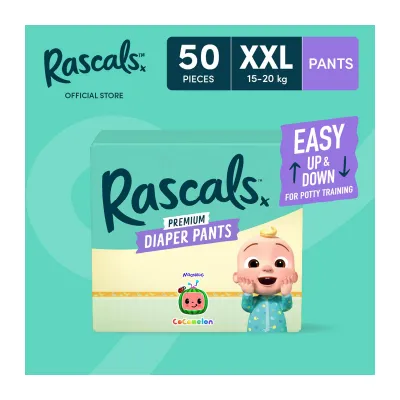
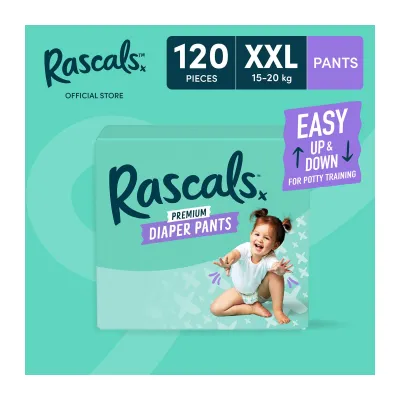
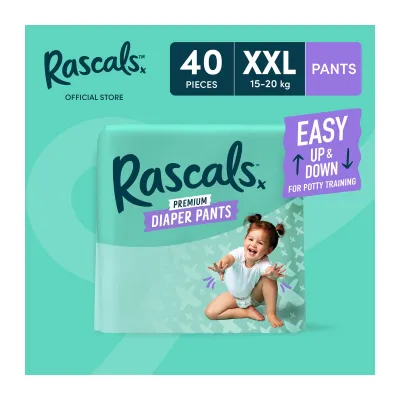
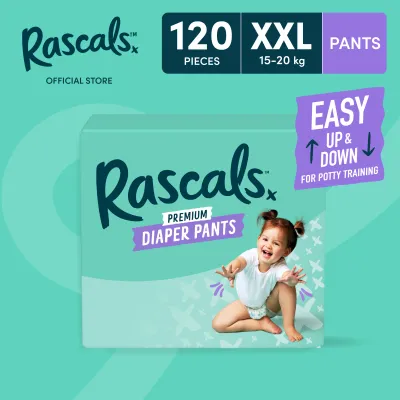
Prices are valid at publication and may change. Please refer to the product page for the latest price.
In comparison, other premium brands in Singapore—such as high-end Japanese imports or specialized eco-friendly labels—often prioritize ultra-thin profiles or organic, unbleached materials. These competing designs can be highly appealing for daytime wear in hot weather or for children with specific chemical sensitivities.
Parents should consider Rascal XXL if their primary goals are finding a generous fit for a robust toddler, securing maximum overnight capacity, and preventing leaks during active play. Conversely, exploring alternative premium brands is advisable if you prefer a very slim diaper that fits discreetly under clothing, or if your child has extremely sensitive skin that responds better to specific plant-based top sheets.
Understanding the XXL Category and Toddler Needs
Transitioning to XXL diapers marks a distinct phase in parenting where diaper requirements shift dramatically from those of early infancy. Standard sizes like Large or Extra Large often become inadequate not just because of weight increases, but because of changes in a toddler’s physical proportions and movement patterns. XXL sizes are engineered for older, heavier, or highly active toddlers who require more comprehensive coverage and stronger structural support.

At this stage, toddlers are walking, running, climbing, and beginning potty training, which subjects the diaper to constant friction and shifting. Basic absorbency is no longer enough; the diaper must be capable of handling high-volume, rapid-release urine output without sagging or bunching. Furthermore, active movement increases the risk of thigh leaks if the leg cuffs lose their shape, and stiff waistbands can leave painful red marks on a toddler’s skin.
Parents should be cautious not to rely solely on the age or generic weight recommendations printed on diaper packaging. Sizing and cuts vary significantly between premium brands; an XXL in one brand may have the same waist dimensions as an XL in another. Checking the manufacturer’s specific weight ranges and waist measurements, and comparing them to your child’s actual proportions, is the most reliable way to ensure a proper fit.
Key Performance Dimensions for Premium Diapers
Evaluating premium diapers requires looking closely at how their materials and structural features perform in real-world scenarios. For parents in Singapore, this evaluation must also account for the constant warmth and humidity, which can exacerbate fit and skin issues.
Absorbency and Leak Protection
When comparing absorbency, it is vital to distinguish between total fluid capacity and absorption speed. An active toddler can easily overwhelm a diaper if the core cannot absorb liquid as fast as it is released, leading to immediate leaks even if the diaper is mostly dry. This is particularly true during active play or when a child sits down heavily, creating pressure that can force liquid out of a saturated core.
To prevent these issues, premium diapers utilize specialized structural features. Double standing leg guards act as physical barriers against side leaks, while advanced channel distribution cores spread liquid evenly along the length of the diaper rather than letting it pool in one spot. Wetness indicators are also common, though their utility decreases as toddlers grow and parents rely more on visual checks or set schedules.
Actual leak protection is highly dependent on individual factors such as your child’s preferred sleeping position and urine volume. For example, front sleepers require more absorption capacity at the front of the diaper, while back sleepers need secure rear coverage. Ensuring the core design aligns with these habits is key to dry nights.
Fit, Elasticity, and Comfort
An optimal fit allows a toddler to move freely without restriction while maintaining a secure seal against leaks. The waistband must offer sufficient stretch to accommodate a full belly after meals, yet retain enough elasticity to prevent the diaper from slipping down when heavily loaded. Leg cuffs must be flexible enough to bend with the legs without digging into the delicate skin of the inner thighs.
Parents can assess comfort by checking for red marks or indentations on the toddler’s waist and thighs immediately after removing a diaper. Consistent red marks indicate that the elastic is too stiff, the cut is too narrow, or the diaper is simply too small. If these marks persist even after adjusting the tabs, it is a clear sign to try a different brand or size up.
Some premium brands, including Rascal, utilize a wider chassis design for their XXL sizes. This wider cut provides extra fabric coverage over the hips and buttocks, which can be a significant advantage for toddlers with thicker thighs or rounder builds, as it prevents the diaper from shifting out of place during vigorous movement.
Breathability and Skin Health
Singapore’s tropical climate makes breathability a non-negotiable feature for toddler diapers. High humidity and heat trap moisture and sweat inside the diaper, creating an ideal environment for diaper rash, heat rash, and bacterial growth. A premium diaper must facilitate continuous air circulation to keep the skin dry and cool.
This is achieved through breathable, microporous back sheets that allow hot air and moisture vapor to escape while keeping liquid locked inside. Additionally, high-quality moisture-wicking top sheets quickly draw wetness away from the skin, keeping the surface layer dry to the touch even after multiple wettings.
Many premium diaper brands highlight dermatological testing, hypoallergenic materials, or the absence of chlorine, latex, and fragrances. While these attributes are excellent indicators of quality, parents must monitor their child’s skin closely, as individual sensitivities vary. If persistent redness, irritation, or a severe rash develops, stop using the diaper immediately and consult a pediatrician or dermatologist for professional guidance.
Practical Ways to Compare Rascal XXL with Competitors
Parents do not need a laboratory to evaluate how Rascal XXL compares to other premium diaper brands. A systematic, hands-on assessment at home can provide clear, practical insights into which diaper best suits your toddler’s needs.
First, examine the physical construction of the diapers side-by-side. Feel the thickness of the dry core; a thinner core is often more discreet and flexible for daytime wear, while a slightly thicker core may offer more reassurance for overnight use. Rub the inner lining against your inner wrist to assess its softness, as this is the material that will be in direct contact with your child’s skin. Stretch the waistband fully to evaluate its elasticity, paying attention to how smoothly it expands and how quickly it snaps back into shape.
Next, read the packaging and product labels carefully to verify material composition and environmental or safety claims. Look for terms like “chlorine-free processing” or certifications from independent organizations like the Forest Stewardship Council (FSC). To ensure these claims are valid, cross-reference them directly on the brand’s official website or verified manufacturer documentation rather than relying on third-party marketing summaries.
Finally, conduct a structured at-home trial to observe real-world performance:
- Purchase a single pack of Rascal XXL and a single pack of a competing premium brand.
- Use the first brand exclusively for three consecutive nights, observing any leaks, the dampness of the skin during morning changes, and the presence of red marks.
- Switch to the second brand for the next three nights under identical conditions, keeping track of the same variables.
- Compare the results objectively to determine which diaper provides a more reliable seal and better skin dryness for your child's specific sleep habits.
Evaluating Value: Cost Per Diaper and Usage Scenarios
When managing a household budget in Singapore, evaluating the financial aspect of premium diapering is essential. Premium XXL diapers generally carry a higher unit cost, often ranging from S$0.80 to S$1.50 or more per piece, and typically contain fewer diapers per pack than smaller sizes.
To determine true value, parents should calculate the cost per diaper by dividing the total pack price by the number of pieces inside. However, a higher unit price does not automatically mean higher overall spending. If a highly absorbent premium diaper lasts through the night without leaking, it eliminates the need for middle-of-the-night changes and reduces laundry costs from soiled bedding, making it more cost-effective than using multiple cheaper diapers.
To maximize value without compromising on comfort, parents can implement a mixed-use diapering strategy. This involves using a high-capacity, premium diaper like Rascal XXL for overnight sleep, long outings, or travel periods when frequent changes are difficult. For regular daytime hours at home or at childcare, where diapers are changed frequently regardless of saturation, a more economical, highly breathable mid-tier diaper can be used.
When purchasing premium diapers, always buy from official brand stores or authorized retailers in Singapore. This ensures that you receive authentic products that have been transported and stored under climate-controlled conditions, protecting the integrity of the adhesives and superabsorbent polymers. Be cautious of unauthorized third-party parallel importers, as improper storage in hot, humid warehouses can degrade diaper performance.
Decision Framework: Choosing the Best Premium Diaper
To make a final decision, parents can use this structured framework to align diaper features with their toddler’s specific physical and lifestyle needs.
Choose Rascal XXL if:
- Your toddler has a robust build, wide hips, or round belly, and requires a wider, more accommodating high-rise fit.
- Your primary concern is preventing heavy overnight leaks or blowouts, and you value a deep pocket design with highly elastic waistbands.
- The diaper's performance and fit align well with your budget for overnight and heavy-use scenarios.
Choose a competing premium brand if:
- Your toddler has highly sensitive skin that responds better to specialized organic, plant-based, or lotion-coated top sheets found in other brands.
- You prefer an ultra-thin, low-profile diaper that fits discreetly under summer clothing and allows maximum airflow during hot daytime activities.
- Your child's unique thigh-to-waist ratio causes gaps around the leg cuffs of Rascal XXL, which can lead to bypass leaks.
Verify first if:
- Your toddler is currently transitioning between sizes (such as XL to XXL). Test a single small pack of both sizes to check for gaps at the legs or tightness at the waist before committing to a bulk purchase.
- Ensure that the leg cuffs are fully flared outward after putting the diaper on your child, as tucked-in cuffs are a common cause of leaks regardless of the diaper brand.
Frequently Asked Questions (FAQ)
How do I know if my toddler is ready for XXL diapers?
While weight charts on packaging provide a helpful starting point, physical signs are often more accurate indicators that it is time to size up. Look for deep red marks left by the elastic on your toddler’s thighs or waist, or check if the adhesive tabs are struggling to reach the designated landing zone on the front of the diaper. Frequent leaks despite correct application, or a diaper that sits too low on the waist (well below the belly button), also indicate that your child has outgrown their current size.
Are premium diapers worth the extra cost for daytime use?
During the day, toddlers should be changed frequently—typically every two to three hours—to maintain optimal hygiene and skin health, meaning the high absorption capacity of an ultra-premium diaper is often underutilized. For many families, it is more economical to use standard, highly breathable mid-tier diapers for daytime wear at home or childcare. Reserving premium, high-capacity diapers like Rascal XXL for overnight sleep, afternoon naps, or long travel periods allows you to maximize the value of your investment where it matters most.
Community discussion
Share your experience or ask a question. Comments are reviewed before publication.