
Determining whether Rascal wet wipes are safe for your newborn’s exceptionally delicate skin requires looking beyond marketing claims and evaluating the actual ingredient list, packaging certifications, and your baby’s individual skin tolerance. Because a newborn’s skin barrier is still developing and highly permeable, even formulations marketed as gentle can occasionally trigger reactions. This guide provides a structured, practical approach to help you verify ingredients, perform safe patch tests, and recognize when to adjust your diapering routine, ensuring you make an informed and confident decision.
Understanding Newborn Skin and Common Wipe Irritants
Newborn skin is fundamentally different from adult skin. During the first few months of life, the outer layer of the skin, known as the stratum corneum, is significantly thinner than that of an adult. This developmental stage means the skin barrier is highly susceptible to transepidermal water loss and has a much higher rate of chemical absorption. In warm, humid environments like Singapore, the diaper area is constantly exposed to moisture, friction, and biological waste, which can quickly compromise this fragile barrier.
Common chemical irritants found in some commercial wipes—such as denatured alcohol, synthetic fragrances, and harsh preservatives like methylisothiazolinone—can easily penetrate this thin barrier, leading to contact dermatitis. Even when a product is labeled “hypoallergenic” or “for sensitive skin,” these terms are often marketing descriptors rather than standardized medical guarantees. Parents must learn to look past the front packaging and scrutinize the actual formulation to protect their infant’s skin integrity.
Products mentioned in this guide
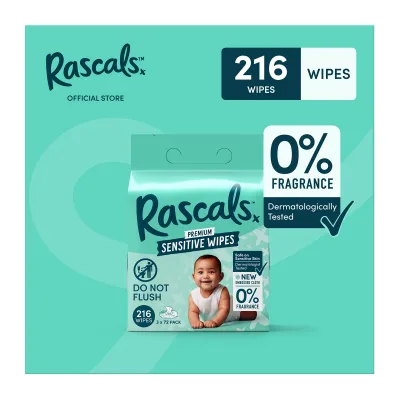
Prices are valid at publication and may change. Please refer to the product page for the latest price.
How to Read and Evaluate Rascal Wet Wipes Ingredient Labels
To truly assess the safety of Rascal wet wipes, you must locate and evaluate the full ingredient list, which is typically printed on the back or bottom of the packaging, or detailed on the manufacturer’s official website. The primary component of almost all high-quality baby wipes is water, which acts as a solvent to dissolve and lift away soil. When reviewing the label, look for the specific cleansing agents used; mild, non-ionic surfactants are generally preferred over harsh detergents that strip natural lipids from the skin.

Next, check for the presence of preservatives. While preservatives are absolutely necessary to prevent the growth of harmful bacteria and mold in a moist package, some are much gentler than others. Ensure the formulation is free from parabens, phenoxyethanol, phthalates, and formaldehyde-releasing agents. Additionally, look out for essential oils or botanical extracts; while they sound natural, ingredients like tea tree oil, lavender, or citrus extracts can be highly sensitizing to a newborn’s skin. Cross-referencing the listed ingredients with established pediatric dermatology guidelines will help you verify if the formulation aligns with current infant safety standards.
Safety Certifications and Claims to Verify on the Packaging
Third-party safety certifications offer an extra layer of reassurance, but they must be verified carefully. Look for recognized dermatological testing seals, such as “clinically tested,” “dermatologist-approved,” or “hypoallergenic” certifications on the Rascal packaging. These seals indicate that the formulation has undergone controlled testing to minimize the risk of allergic reactions, though they do not completely eliminate the possibility of an individual sensitivity.
Be cautious of vague marketing terms like “natural” or “plant-based.” A wipe made from biodegradable plant fibers is excellent for environmental sustainability, but the liquid solution infused into those fibers must still be evaluated independently for chemical safety. Furthermore, always check the packaging for manufacturing dates, batch codes, and the integrity of the resealable lid or sticker. A compromised seal can allow the wipes to dry out, which increases mechanical friction during use, or worse, compromise the preservative system and lead to microbial contamination before the pack is finished.
Safe Usage Practices and Patch Testing for Your Newborn
Before integrating Rascal wet wipes into your newborn’s daily diapering routine, performing a simple patch test is a highly recommended, low-risk precautionary step. Take a single wipe and gently dab a small amount of the liquid onto a discreet area of your baby’s skin, such as the inner thigh or the inside of the elbow. Observe the area over a twenty-four to forty-eight hour period for any signs of redness, swelling, or tiny bumps. If the skin remains clear, you can proceed with full use.
When using the wipes, employ proper wiping techniques to protect the skin barrier. Avoid rubbing or scrubbing vigorously; instead, use gentle, single-direction sweeps to lift away waste. In the first few weeks of a newborn’s life, many pediatricians recommend alternating commercial wet wipes with plain water and soft cotton wool, especially during home diaper changes, to minimize chemical exposure. Finally, always ensure the baby’s skin is completely air-dried before applying any diaper barrier cream or fastening a new diaper, as trapping excess moisture is a primary cause of diaper rash.
Warning Signs: When to Stop Use and Seek Pediatric Advice
Even with the gentlest formulations, some newborns may experience adverse skin reactions. It is crucial to monitor your baby’s diaper area closely for early signs of contact dermatitis or allergic reactions. These signs typically present as localized redness, dry or peeling skin, small raised bumps, or a warm-to-the-touch rash that aligns perfectly with the area touched by the wipe. You may also notice your baby becoming unusually fussy or crying during diaper changes, indicating discomfort.
If you suspect a reaction, stop using the wipes immediately. Cleanse the area gently with lukewarm plain water and a soft, clean cloth, then pat dry. If the redness does not improve within two to three days, spreads beyond the diaper region, or develops severe symptoms like blisters, oozing, or open sores, consult a pediatrician or a pediatric dermatologist promptly. Documenting the reaction with photos and keeping the packaging can also help you report the issue to the manufacturer or local consumer health authorities for further investigation.
Frequently Asked Questions (FAQ)
Can I use Rascal wet wipes on my newborn's face and hands?
The skin on a newborn’s face is significantly thinner and more sensitive than the skin on their bottom, and their hands frequently end up in their mouth. Before using Rascal wet wipes on these areas, check the product packaging to ensure it is explicitly labeled as safe for multi-purpose or facial use. Even if cleared, take extreme care to avoid the delicate eye area and the mouth to prevent accidental ingestion of cleansing agents or painful stinging. For routine face and hand cleaning, a clean washcloth dampened with plain water remains the safest option.
Do Rascal wet wipes expire, and is it safe to use them past the date?
Yes, baby wipes do expire, and the manufacturing or expiration date is typically stamped on the side or bottom of the pack. It is highly unsafe to use expired wipes on a newborn. Over time, the preservative system within the wipes degrades, making the moist environment inside the package highly susceptible to the growth of bacteria, mold, and yeast. Using expired wipes can introduce these harmful microorganisms directly onto your baby’s delicate skin, leading to infections or severe skin irritation.

Community discussion
Share your experience or ask a question. Comments are reviewed before publication.