
Finding the right premium diaper in Singapore’s humid climate is a highly individual process that requires balancing comfort, containment, and skin health. While Rascal and Friends Size L has gained a strong following for its distinct design and generous fit, comparing it to established global giants like Pampers and Huggies requires looking past marketing buzz. Diaper performance depends heavily on your baby’s unique body shape, active movement levels, and skin sensitivity. There is no single universally “best” premium diaper; instead, the ideal choice is the one that matches your baby’s current physical development and your family’s daily routine. By evaluating packaging specifications, observing physical fit indicators, and testing small batches, you can make an informed decision that keeps your baby dry and comfortable.
Understanding the Premium Diaper Contenders
Rascal and Friends, Pampers, and Huggies each occupy a prominent position in the premium diaper segment, yet they approach baby comfort with distinct design philosophies. Rascal and Friends is widely recognized for its minimalist aesthetic, featuring clean designs and a signature high waistband. The brand focuses on providing a wide, pocket-like fit designed to contain major messes, positioning itself as a modern alternative that emphasizes the exclusion of unnecessary chemicals and fragrances.
Pampers, a legacy brand with decades of global presence, focuses heavily on advanced core channel technology. Their design philosophy often emphasizes a thin, flexible profile that conforms closely to the baby’s body, aiming to minimize bulk between the legs while maintaining rapid absorption. Within their premium offerings, such as their specialized Japanese-designed lines, the focus is on breathability and a lightweight feel suitable for active infants.
Products mentioned in this guide
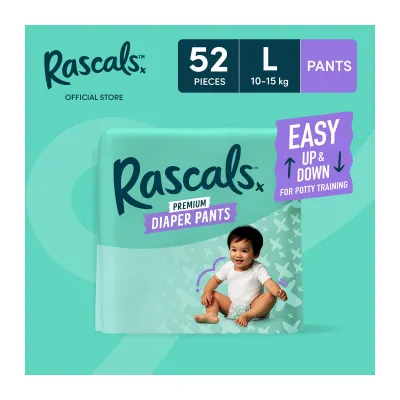
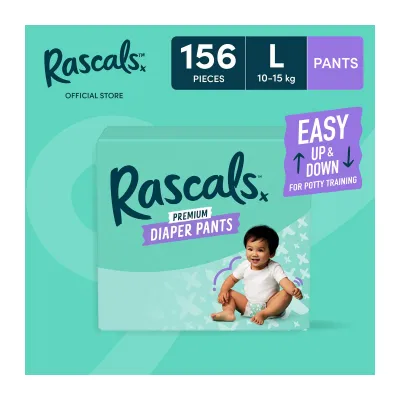
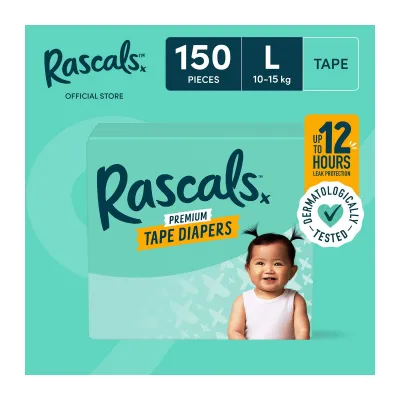
Prices are valid at publication and may change. Please refer to the product page for the latest price.
Huggies, another established giant in the diapering industry, is known for its robust construction and focus on secure containment. Their premium lines often feature highly elasticized waistbands, specialized back pockets designed to prevent blowouts, and multi-layered barrier systems around the legs. They cater to parents who prioritize a snug, structured fit that remains secure during high-movement phases.
When comparing these brands, it is essential to define what “premium” indicates in this category. Generally, premium diapers feature advanced superabsorbent polymers arranged in structured channels rather than loose pulp, softer non-woven inner sheets, and independent dermatological certifications. However, features can vary significantly even within the same brand. Always verify the specific product line—such as standard tape, pants, or overnight variants—as the cut, elastic tension, and absorption capacity will differ.
Key Performance Dimensions to Verify on the Packaging
Since independent laboratory tests are rarely available to consumers, parents must learn to read diaper packaging objectively to compare performance. To evaluate absorbency and core structure, look closely at the manufacturer’s descriptions of their absorption technology. Premium diapers typically highlight channel designs that distribute liquid evenly across the core, preventing the diaper from clumping or sagging when wet. Check the packaging for the presence of a wetness indicator, which changes color to signal when a change is needed, and note any claimed maximum wear times. Keep in mind that advertised wear times are theoretical limits; actual performance depends on your baby’s hydration and individual patterns.

Fit and elasticity are equally critical for preventing leaks and ensuring comfort. Turn the packaging over to inspect diagrams of the waistband and leg cuff barriers. For active babies wearing Size L, look for features like double-layered leg cuffs and 3D leak guards. When you handle a physical diaper, test the elasticity of the side tabs or waistband yourself. The elastic should stretch smoothly without requiring excessive force and should retract fully to create a secure, flexible seal that moves with your baby’s body.
Given Singapore’s warm and humid climate, skin sensitivity and material breathability are paramount. Examine the packaging for explicit certifications from recognized dermatological institutes, which indicate the materials have undergone safety testing. Verify that the diapers are labeled as fragrance-free, elemental chlorine-free, and latex-free to minimize the risk of contact dermatitis. Review the material description on the back of the pack, looking for breathable outer covers and hypoallergenic inner linings designed to reduce friction against delicate skin.
Evaluating Size L Fit and Transition Signals
Size L is a critical developmental stage, typically accommodating babies who are beginning to crawl, pull themselves up, or take their first steps. However, the weight ranges printed on diaper packaging—often spanning from 9kg to 14kg—are only general guidelines. A baby with a rounder belly and chubby thighs may require a completely different fit than a taller, leaner baby of the exact same weight. Always cross-reference your baby’s current weight and physical build with the specific brand’s sizing chart before purchasing a large quantity.
Relying solely on weight guidelines can lead to fit issues, so caregivers must watch for physical indicators of a poor fit. If you notice frequent leaks around the legs or waist, deep red marks or creases on your baby’s thighs or tummy, or if the diaper constantly sags below the hips even when empty, the size or cut is incorrect. A diaper that is too small will restrict movement and cause chafing, while one that is too large will fail to contain liquid and solid waste effectively.
Different brands employ distinct cutting philosophies that affect how Size L fits your baby. Some brands feature a wider, deeper pocket cut that sits higher on the waist, which can be highly effective for babies with rounder midsections or those prone to back leaks. Other brands offer a slimmer, more contoured cut that hugs the hips closely, which may better suit leaner, highly active babies who require maximum flexibility around the thighs and groin area.
Assessing Value and Purchasing Considerations
Because diapers represent a significant, recurring household expense, evaluating their value requires a systematic approach. To compare costs accurately, do not rely on the retail price of a single pack. Instead, calculate the true cost per diaper in S$ by dividing the total price of the package by the number of diapers inside. Keep in mind that pack counts typically decrease as diaper sizes increase, meaning a Size L pack will contain fewer pieces than a Size M pack of the same brand and price point. Factor in bulk promotions, subscription discounts on major online marketplaces, and loyalty rewards from authorized physical retailers to determine the actual ongoing cost.
Sourcing authentic products is vital for ensuring quality and safety. To guarantee you are receiving genuine diapers that have been stored in clean, temperature-controlled environments, purchase directly from official brand stores, authorized physical supermarkets, or reputable online marketplaces in Singapore. Parallel-imported diapers may feature different specifications, materials, or sizing standards intended for other regions, which can negatively impact performance and skin compatibility.
Before committing to a bulk purchase or a monthly subscription of a new premium brand, always utilize trial packs or single-pack options. Testing a small quantity allows you to observe how the diaper performs during daily activities and overnight sleep under real-world conditions. Most importantly, it allows you to monitor how your baby’s skin reacts to the specific materials and elastic blends before you invest in a full carton.
Decision Framework: Choosing the Right Diaper for Your Baby
Selecting the right diaper involves matching a brand’s specific design strengths with your baby’s physical traits and your daily caregiving routine. Consider choosing Rascal and Friends Size L if you prefer a diaper with a high waistband, a wider and deeper pocket cut, and a minimalist design. This brand is often selected by parents who appreciate a sturdy, structured feel and want to evaluate a unique material blend designed to offer robust containment for active, rounder babies.
Alternatively, consider choosing Pampers if your baby benefits from a slimmer, highly flexible fit profile that minimizes bulk between the legs. This brand is suitable if you prefer an established, highly visible wetness indicator layout and a proven core channel structure designed to distribute wetness quickly and evenly, making it a strong option for daytime wear and active movement.
You may want to choose Huggies if your baby’s body shape aligns well with a contoured cut that features a highly elasticized waistband and robust leg cuff barriers. This option is ideal if you prioritize a snug, secure fit around the back and thighs to prevent leaks during high-movement phases, or if your baby has a build that requires a more tailored elastic seal.
Regardless of the brand you select, always prioritize your baby’s skin health and comfort. If you observe persistent redness, diaper rash, or signs of skin irritation, stop using the diaper immediately. Ensure the diaper area is clean and dry, and consult a qualified pediatrician or healthcare professional for personalized medical advice.
Frequently Asked Questions (FAQ)
Can I mix different premium diaper brands during the day and night?
Yes, many parents successfully use a multi-brand diaper routine to balance performance and cost. For active daytime wear, you might select a thinner, highly flexible diaper that allows your baby to move freely without restriction. For overnight sleep, you can transition to a diaper with a thicker core, higher absorbency claims, and robust leak guards to ensure uninterrupted rest. When introducing a new brand into your rotation, monitor your baby’s skin closely for any signs of friction or sensitivity caused by the alternating materials and fits.
How do I know when to transition from Size L to Size XL?
You should consider transitioning to Size XL when your baby exhibits clear physical signs that they have outgrown Size L, even if their weight is still within the recommended range on the packaging. Key indicators include frequent leaks (especially overnight), the waistband leaving deep, red elastic marks on the skin, or the front of the diaper sitting significantly below the belly button. Additionally, if the fastening tabs must be secured at the very edge of the landing zone, it is time to check the weight limits and physical dimensions on the manufacturer’s Size XL packaging to ensure a safe and comfortable fit.
Community discussion
Share your experience or ask a question. Comments are reviewed before publication.