
Choosing the right baby waterproof mat for a changing table involves balancing infant safety, daily durability, and ease of cleaning. Parents frequently encounter two primary materials: Polyvinyl Chloride (PVC) and Thermoplastic Polyurethane (TPU). While both serve as effective waterproof barriers to protect nursery furniture from leaks and spills, they differ significantly in chemical composition, physical texture, and long-term performance. Understanding these differences allows caregivers to make an informed decision that aligns with their household budget and safety preferences. If your baby develops any skin irritation or allergic reaction after contact with a mat, stop using the product immediately and consult a qualified healthcare professional.
Understanding PVC and TPU in Baby Waterproof Mats
To evaluate these materials, it is helpful to understand their basic physical properties and how they are integrated into nursery products. Polyvinyl Chloride, commonly known as PVC, is a synthetic plastic polymer that is naturally rigid. To make it flexible enough for a baby waterproof mat, manufacturers must add plasticizers during production. PVC mats are often constructed as a solid sheet or as a heavy surface coating over a foam core, providing a highly water-resistant but sometimes stiff or crinkly texture.
Thermoplastic Polyurethane, or TPU, is a class of polyurethane plastics that possesses elasticity, transparency, and resistance to oil and grease. In nursery applications, TPU is typically applied as a thin, laminated layer bonded to a fabric backing, such as organic cotton or polyester. This manufacturing method results in a softer, more pliable mat that behaves more like fabric while maintaining its waterproof properties. The laminated layer is integrated directly into the textile, reducing the crinkling sound often associated with plastic covers.
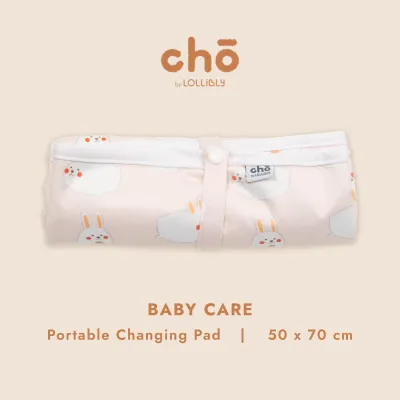
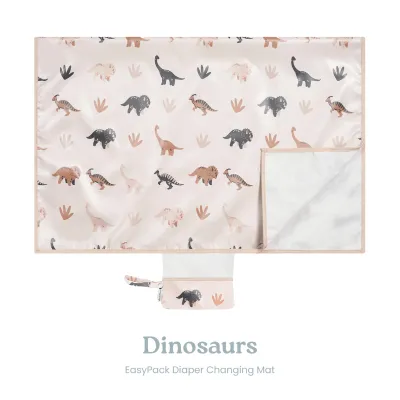
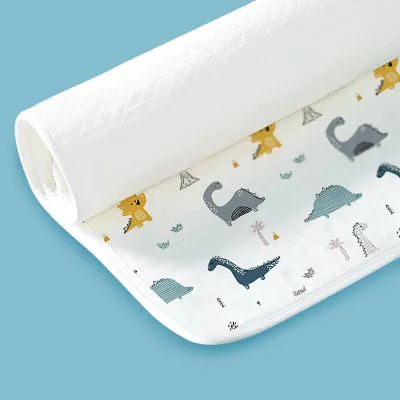
Products mentioned in this guide
![[SG Ready Stock] Baby Infant Waterproof Travel Portable Diaper Nappy Changing Mat [Little Gems] Foldable Outdoor](https://img.lazcdn.com/g/p/b919896dd9dd5fbb2513a1ba9b4d8602.jpg_400x400q80.jpg_.webp)
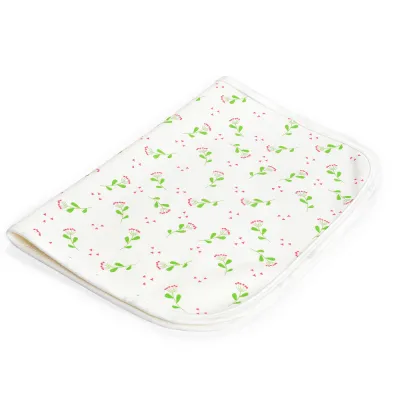
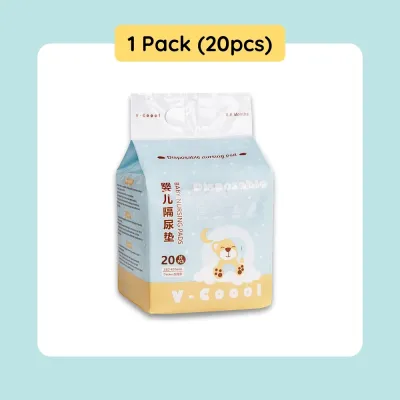
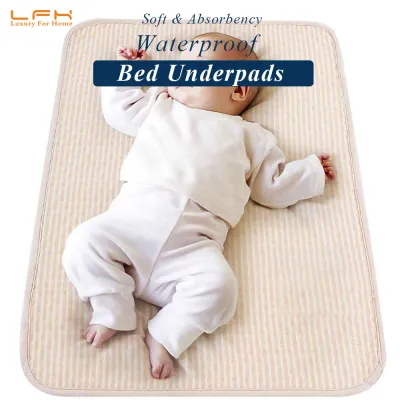
Prices are valid at publication and may change. Please refer to the product page for the latest price.
It is important to note that material names alone do not guarantee safety or performance. A mat labeled as TPU is not automatically high-quality, nor is a PVC mat automatically unsafe. Parents must look beyond generic material labels and rely on specific product compliance documentation, manufacturer specifications, and verified testing standards to confirm the safety of any individual item.
Evaluating Safety Standards and Chemical Exposures
Safety is the primary concern when selecting any product that comes into direct contact with an infant’s skin. Historically, PVC manufacturing has relied on phthalates—a group of chemical plasticizers used to make the plastic soft and flexible. Because these chemicals are not chemically bonded to the plastic, they can gradually leach out over time through physical wear, heat, or contact with oils. Many regulatory bodies worldwide have restricted the use of specific phthalates in children’s toys and childcare articles due to potential health concerns. When considering a PVC mat, caregivers must verify that the product is explicitly certified as free from restricted phthalates and heavy metals.

TPU is widely marketed as a safer alternative to PVC because it is inherently flexible and does not require the addition of phthalate plasticizers to achieve its elasticity. This chemical structure makes TPU less prone to off-gassing or chemical leaching during daily use. However, because manufacturing processes vary, buyers should not assume all TPU products are completely non-toxic. It remains essential to check the product packaging for clear ingredient disclosures and independent safety verifications.
When shopping for a baby waterproof mat, caregivers should look for specific safety certification marks and warning labels on the packaging. Look for certifications from recognized testing organizations, such as OEKO-TEX Standard 100 for textile components, or compliance declarations with international toy safety standards (such as EN 71 or ASTM F963). Always inspect the product label for clear material composition percentages and manufacturer contact information, avoiding products that lack transparent labeling or make vague, unsubstantiated safety claims.
Assessing Durability and Daily Wear on Changing Tables
A changing table mat must withstand high-frequency use, physical movement, and constant exposure to moisture. TPU generally offers high physical durability compared to PVC. The molecular structure of TPU provides high tensile strength, making it highly resistant to tearing, punctures, and abrasions. This resistance is particularly valuable as babies grow more active, scratch at the mat, or when caregivers accidentally catch the surface with sharp objects like diaper pins or fingernails.
PVC mats can be prone to cracking and splitting over time, especially along folded seams or high-stress areas. As the plasticizers in PVC slowly migrate out of the material, the plastic can become brittle, leading to micro-tears that compromise its waterproof barrier. Additionally, PVC is more susceptible to yellowing and staining when exposed to UV light, urine, diaper creams, and acidic cleaning agents. TPU tends to maintain its color and flexibility longer under similar environmental conditions, though prolonged exposure to direct sunlight can still cause gradual degradation.
The actual durability of any baby waterproof mat depends heavily on its overall construction rather than the raw material alone. A very thin TPU laminate may wear out faster than a thick, heavy-duty PVC mat with reinforced edges. Caregivers should examine the thickness of the waterproof layer, the quality of the stitching or heat-sealed seams, and the stability of the underlying support structure. Adhering strictly to the manufacturer’s care instructions is also vital to prevent premature wear and tear.
Managing Cleaning, Maintenance, and Hygiene
Maintaining a hygienic surface on a changing table is crucial for preventing the spread of bacteria and mold. PVC mats typically feature a completely non-porous, smooth surface that is exceptionally easy to wipe clean. Because PVC is often heat-sealed at the seams, there are fewer crevices where moisture and organic matter can hide. However, if the PVC surface cracks or splits, moisture can seep into the inner foam core, creating an environment where mold and bacteria can thrive undetected.
TPU mats, especially those with a laminated fabric surface, require slightly more care. While the waterproof barrier prevents liquids from passing through, the fabric top layer can absorb surface moisture and stains if not wiped away promptly. Seams on TPU mats are often stitched rather than heat-sealed, which can create tiny needle holes where liquid might penetrate if the seams are not properly taped or sealed by the manufacturer. Caregivers must ensure the mat is completely dry before folding or storing it to prevent mold growth.
To clean either material safely, use mild soap and warm water with a soft cloth. Avoid harsh chemical cleaners, bleach, strong solvents, or abrasive scrubbing pads, as these substances can break down the waterproof coatings, strip away protective layers, and accelerate material degradation. Always consult the manufacturer’s care label for specific washing instructions. If you observe visible signs of material breakdown—such as peeling layers, deep cracks, persistent odors, or mold spots that cannot be removed—the mat has reached the end of its usable life and must be replaced immediately to protect your baby.
Making the Final Decision for Your Changing Table
Choosing between PVC and TPU involves assessing your household’s specific priorities, budget, and safety preferences. To guide your decision, consider how each material aligns with your nursery setup and daily routine.
Choose a TPU mat if you prioritize a material with an inherently phthalate-free chemical profile and prefer a softer, fabric-like texture for your baby’s comfort. TPU is highly suitable for families looking for a long-lasting investment that resists tearing, cracking, and yellowing over years of daily use. While TPU options often carry a higher initial price tag, their durability and reduced chemical footprint make them a compelling choice for many parents who have a flexible budget.
Choose a PVC mat if you are looking for a highly cost-effective, easily wipeable waterproof solution and are willing to perform extra diligence during the purchase. If you select PVC, ensure the specific product clearly displays verified certifications confirming it is free from restricted phthalates, lead, and other heavy metals. A well-constructed, certified-safe PVC mat can provide excellent waterproof protection at a lower price point, making it a practical choice for budget-conscious households or secondary changing stations.
Before making any purchase, verify the product’s specifications carefully. Always verify the age, weight limits, and specific manufacturer warnings from the product documentation before use, rather than relying solely on the product name or category. If a mat lacks clear material composition labels, recognized safety certifications, or detailed care instructions, it is advisable to avoid it. Always check the manufacturer’s guidelines regarding proper installation on your specific changing table model to ensure a secure and stable fit.
Frequently Asked Questions (FAQ)
Are all PVC baby mats toxic?
Not all PVC baby mats are toxic. While traditional PVC manufacturing often utilized harmful phthalate plasticizers to make the material flexible, modern regulations in many regions strictly limit or ban these chemicals in children’s products. Many manufacturers now produce PVC mats using alternative, non-phthalate plasticizers that comply with strict safety standards. To ensure a PVC mat is safe for your baby, look for explicit product labels certifying that the item is free from restricted phthalates, lead, and heavy metals, and verify compliance with recognized toy safety standards.
Can I use a standard waterproof mattress protector on a changing table?
Using a standard waterproof mattress protector on a changing table is generally not recommended unless it is specifically designed and sized for that purpose. Changing table pads require a precise, snug fit to prevent the cover from slipping, bunching, or sliding while you are handling your baby. Loose fabric or oversized covers can pose a safety hazard or fail to protect the underlying pad from leaks. Always use a dedicated changing pad cover or mat that matches the exact dimensions of your changing station, and ensure it secures tightly according to the manufacturer’s instructions.
How often should I replace the changing table mat?
There is no fixed timeline for replacing a changing table mat; instead, you should rely on observable signs of wear and tear. Inspect the mat regularly for physical damage, such as cracking, peeling, or splitting of the waterproof layer, which can allow moisture to reach the inner foam and foster mold growth. You should also replace the mat if you notice persistent odors, deep stains that cannot be cleaned, or if the seams begin to fray and unravel. If the mat loses its shape or no longer fits securely on the changing table, it should be replaced immediately to maintain a safe changing environment.

Community discussion
Share your experience or ask a question. Comments are reviewed before publication.