
Choosing the right tools to support your baby’s physical development is a major milestone for parents. As your child transitions from crawling to standing, a push walker can offer the physical support they need to build coordination, leg strength, and balance. However, because these devices are designed to move under a child’s own power, they carry inherent physical risks if the design is unstable or lacks proper safety mechanisms.
To prevent common accidents like sudden tip-overs, runaway rolling, or pinched fingers, you must know exactly what mechanical and material features to verify before introducing a walker to your home. Prioritizing features such as a wide wheelbase, adjustable wheel resistance, a low center of gravity, and non-toxic materials ensures your child can explore safely. By understanding these critical design elements, you can select a high-quality model that actively protects your baby during their first steps.
Understanding Common Push Walker Risks
While push walkers—often called activity walkers—are widely considered developmentally superior to traditional sit-in walkers, they are not entirely risk-free. A baby learning to walk does not yet possess refined motor control or rapid reflexes. When they lose their balance, they tend to lean heavily on the walker’s handle or pull down on it to prevent a fall, which can lead to sudden backward or forward tipping if the frame is too light or poorly balanced.
Products mentioned in this guide

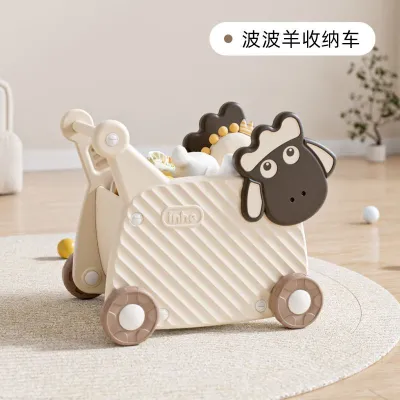
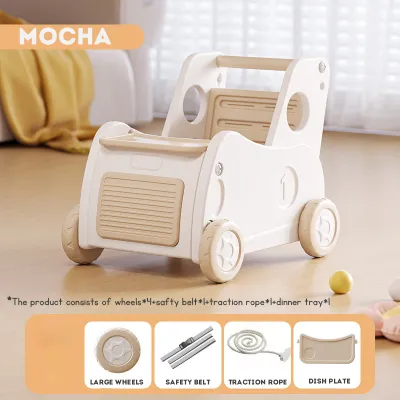
![[SG Seller] Premium Wooden Shopping Trolley Walker for Children Toddlers Infant](https://img.lazcdn.com/g/p/301ab06b974ac905d780349cbfc807d0.png_400x400q80.png_.webp)
Prices are valid at publication and may change. Please refer to the product page for the latest price.
Runaway speed is another frequent cause of injury. On smooth indoor flooring, a push walker without speed-limiting features can easily roll away from a toddler. When the walker moves faster than the baby’s legs can keep up, the child typically face-plants forward onto the floor or collides with nearby furniture. Additionally, lightweight plastic models can slide sideways during sharp turns, causing the baby to lose their footing and tumble sideways.
Minor physical trauma is also a common hazard with poorly constructed models. Sharp plastic edges, rough wooden splinters, and exposed hinges can scrape sensitive skin or pinch tiny fingers. By identifying these specific risks, you can shift your focus from cosmetic appeal to the mechanical safety features that directly mitigate these dangers.
Critical Design Features That Prevent Accidents
When evaluating a push walker, you must look beyond the interactive toys on the front panel and carefully inspect the physical frame. The structural engineering of the walker determines how well it handles a baby’s unpredictable movements and shifting weight distribution.

Anti-Tip Mechanisms and Base Stability
A stable push walker must feature a wide, low-slung base that is significantly wider than the handle at the top. This trapezoidal or broad rectangular footprint distributes the baby’s weight across a larger surface area, preventing the unit from tipping sideways when the child leans against the outer edges. A low center of gravity is essential; the heaviest components of the walker, such as the wheel axles and structural base, should sit as close to the floor as possible.
To prevent the walker from flipping backward when a baby pulls themselves up from a sitting position, look for extended rear axles or dedicated anti-tip bars. These stabilizers extend horizontally past the rear wheels, creating a physical stopper that contacts the floor if the frame begins to tilt backward. Additionally, the overall weight of the walker must be substantial enough to anchor it against sudden downward pressure. While plastic models are easy to clean, they often require weighted compartments—such as fillable water tanks or sand chambers—to achieve the necessary stability, whereas solid wooden walkers naturally provide a heavier, more grounded frame.
Adjustable Wheel Resistance and Speed Control
Because early walkers cannot regulate their own pushing speed, the walker’s wheels must do it for them. High-quality push walkers feature adjustable wheel tension or built-in resistance dials, usually located on the rear axle. By tightening these dials, you can increase the friction required to turn the wheels, preventing the walker from rolling freely when your baby applies forward pressure. As your child’s walking skills and leg strength improve, you can gradually loosen the tension to match their developmental pace.
Wheel material is equally critical for speed control. Standard hard plastic wheels have virtually no traction on smooth, hard surfaces such as polished wooden floors, homogeneous tiles, or vinyl flooring, which are common in Singapore homes. Without traction, the wheels will slide rather than roll, leading to sudden slips. Look for wheels wrapped in rubberized strips, thermoplastic rubber (TPR), or high-friction silicone bands. These materials grip smooth floors, providing a controlled, predictable roll that builds your baby’s walking confidence safely.
Ergonomic Handle and Proper Weight Distribution
The handle is your baby’s primary point of contact and control. It must be designed to prevent slips and support healthy posture. Look for handles with textured surfaces, non-slip rubber grips, or padded foam that prevent sweaty hands from losing their hold. The handle should also be round and slim enough for a small hand to grip fully and securely.
Furthermore, the height and angle of the handle must encourage an upright, natural walking posture. If the handle is positioned too low or too far forward, the baby will be forced to hunch over, shifting their center of mass too far forward and increasing the likelihood of a front-end tip-over. Ideally, the handle should align near your standing baby’s elbow height. To further prevent the front wheels from lifting off the ground when the baby pushes forward, the overall weight of the walker should be concentrated in the front panel or base, keeping all four wheels firmly planted on the floor.
Material Safety and Physical Build Quality
Babies are sensory explorers who frequently use their mouths to interact with their environment. Because your child will inevitably chew on the walker’s handle, edges, or attached toys, the materials used in its construction must be entirely non-toxic. If you are purchasing a plastic walker, verify that it is certified BPA-free, phthalate-free, and lead-free. For wooden models, ensure the manufacturer uses water-based, non-toxic paints, organic stains, and formaldehyde-free adhesives.
Physical construction quality requires a hands-on inspection. Run your fingers along every seam, corner, and edge of the walker. There should be no sharp plastic burrs left over from the injection molding process, nor should there be any rough wood grain or splinters. All corners must be rounded and smooth to minimize the impact of accidental bumps.
Choking hazards are another critical consideration, particularly on models that feature built-in activity centers. Ensure that all beads, gears, spinning blocks, and shape sorters are securely attached to the frame with heavy-duty fasteners. Avoid walkers with small, easily detachable parts that could fit entirely inside a child’s mouth. Finally, inspect any folding joints, steering mechanisms, or hinges. These moving parts must either be fully enclosed within plastic housings or designed with safety clearances of less than 5mm or more than 12mm to prevent a baby’s fingers from getting trapped and pinched during use.
How to Verify Safety Standards and Manufacturer Limits
Do not rely solely on attractive packaging or generic marketing claims of safety. Legitimate manufacturers subject their products to rigorous independent testing to comply with international safety standards. When shopping, look for printed compliance marks on the packaging or the product’s registration label. Common global standards include ASTM F963 in the United States, EN 71 in Europe, and ISO 8124 internationally. In Singapore, children’s toys and equipment should comply with safety guidelines recognized by Enterprise Singapore under the Consumer Protection (Safety Requirements) Regulations.
Before purchasing, consult the product documentation to verify the recommended age, weight, and height limits. Push walkers are generally designed for babies who can already pull themselves up to a standing position independently, which typically occurs between 9 and 12 months of age. Introducing a walker to a baby who cannot yet support their own weight can strain their developing joints and lead to falls.
Strictly adhering to these manufacturer limits is essential for maintaining the walker’s structural integrity. If a child exceeds the maximum weight limit, the frame may flex, the axles may warp, and the anti-tip mechanisms will no longer function at their engineered angles. Conversely, if a baby is below the minimum age or physical developmental stage, they will lack the trunk control needed to guide the walker, turning a helpful developmental tool into a physical hazard.
Safe Usage Practices and When to Stop Using the Walker
Even the most technologically advanced safety features cannot replace a prepared home environment and active adult supervision. Before letting your baby use a push walker, you must baby-proof the entire walking area. Clear the floor of loose rugs, door mats, electrical extension cords, and small toys that could catch the wheels and cause a sudden, jarring stop. Securely block access to high-risk areas—such as stairs, kitchens, bathrooms, and balconies—using pressure-mounted or hardware-mounted safety gates.
Ensure that furniture corners are covered with soft guards, as babies using walkers often collide with coffee tables and TV consoles. Keep in mind that a push walker grants your baby sudden, rapid mobility, allowing them to reach items on low shelves or countertops that were previously out of reach. Keep hot liquids, heavy objects, and household cleaners far out of reach.
Active, direct supervision is mandatory at all times. An adult must remain within arm’s reach of the baby while they are using the walker to intervene immediately if the child loses their balance or heads toward an obstacle. Do not leave your baby unattended with a walker, even for a moment.
Knowing when to retire the push walker is just as important as knowing when to start. You should stop using the walker under the following conditions:
- Developmental Milestone Reached: Once your baby can walk confidently across a room without holding onto furniture or needing external support, the walker has served its developmental purpose. Continued use may encourage them to lean forward unnaturally rather than perfecting their independent balance.
- Size and Weight Limits Exceeded: If your child's weight approaches the manufacturer's maximum limit, or if their height causes them to hunch over the handle, the walker is no longer safe.
- Climbing Behavior: If your child begins trying to climb onto the activity panel or step on the wheel axles to stand higher, retire the walker immediately to prevent a severe fall.
If you notice your child struggling with balance, exhibiting unusual walking gaits, or if you have concerns about their physical development, stop using the walker and consult a qualified pediatrician or pediatric physiotherapist for professional guidance.
Frequently Asked Questions (FAQ)
Are push walkers safer than traditional sit-in walkers?
Yes, pediatricians and child safety organizations generally consider push walkers to be significantly safer than traditional sit-in walkers. Sit-in walkers suspend a baby’s body in a fabric seat, which can encourage abnormal hip alignment, toe-walking, and delayed muscle development because the baby does not have to support their own weight. Furthermore, sit-in walkers allow babies to move at high speeds, increasing the risk of rolling down stairs or reaching dangerous heights. Push walkers, by contrast, require the baby to actively bear their own weight, stand on flat feet, and engage their core muscles, which supports natural motor development. However, push walkers still require strict adult supervision and a hazard-free environment to prevent falls.
What is the best floor surface for using a push walker?
The ideal floor surface for a beginner using a push walker is a flat, low-pile carpet or a firm, large foam play mat. These surfaces provide natural rolling resistance and excellent traction, which helps prevent the walker from rolling away too quickly while your baby is still finding their footing. If you are using the walker on smooth, hard floors like hardwood, laminate, or ceramic tiles, it is crucial to use a walker with adjustable wheel tension and rubberized wheels to prevent slipping. Avoid using push walkers on thick shag rugs, uneven thresholds, or outdoor gravel paths, as these surfaces can abruptly jam the wheels, causing the walker to tip forward and the baby to fall.
Community discussion
Share your experience or ask a question. Comments are reviewed before publication.