
Introducing solid foods is an exciting milestone in your baby’s development, marking a transition toward a world of diverse flavors and textures. Among the many whole foods available to parents, the purple sweet potato has emerged as a highly popular choice. This vibrant root vegetable is not only visually captivating for a curious infant, but it also boasts a dense nutritional profile that supports early growth and development.
With its natural sweetness and smooth, creamy texture when cooked, purple sweet potato is generally well-received by babies during the weaning process. It provides a unique combination of protective antioxidants, dietary fiber, and essential micronutrients. Incorporating this colorful tuber into your baby’s diet can encourage sensory exploration while laying a strong foundation for healthy eating habits.
Key Nutrients in Purple Sweet Potato and How They Support Growth
Understanding the specific nutritional components of purple sweet potato helps clarify why it is such a valuable addition to an infant’s diet. Each nutrient plays a distinct role in supporting your baby’s rapidly developing body systems.
Products mentioned in this guide
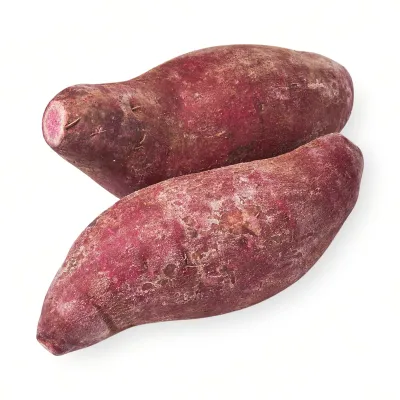
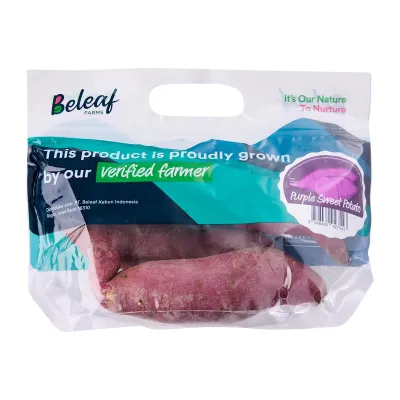
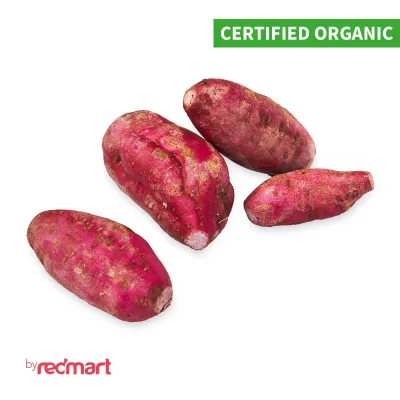
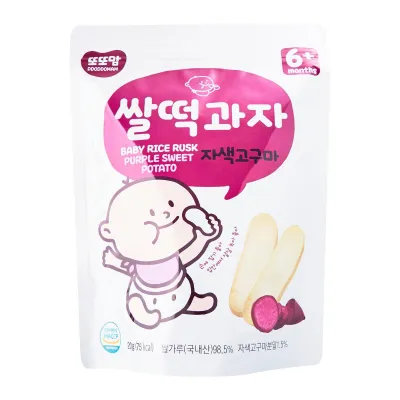
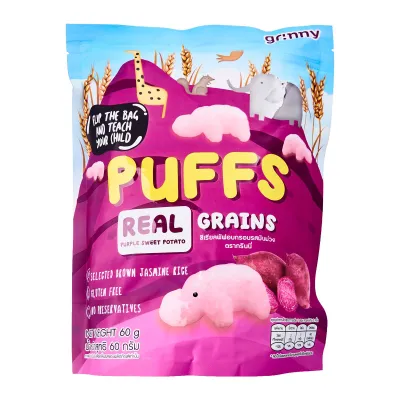
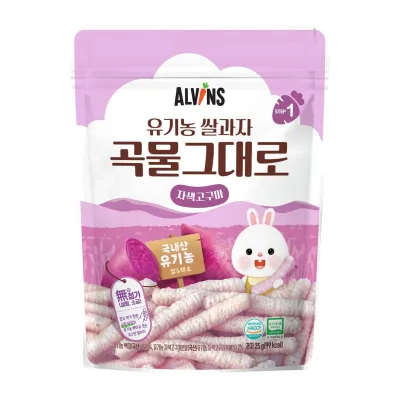
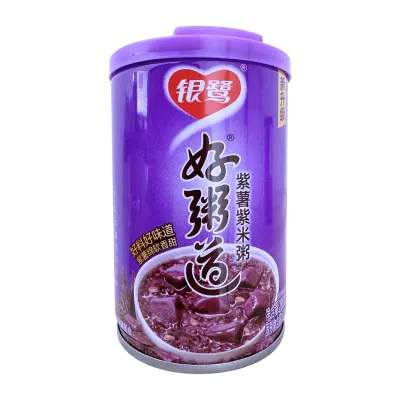
Prices are valid at publication and may change. Please refer to the product page for the latest price.
Anthocyanins and Antioxidant Support
The most striking feature of the purple sweet potato is its deep violet color, which is caused by a high concentration of natural plant pigments called anthocyanins. These compounds function as powerful antioxidants within the body.
Antioxidants help protect cells from oxidative stress and support the body’s natural defense mechanisms. For a growing baby, whose immune system is still maturing, introducing foods rich in natural antioxidants can help support overall cellular health. Unlike synthetic supplements, the antioxidants found in whole foods like purple sweet potatoes are delivered in a safe, highly bioavailable form that the body can easily utilize.
Dietary Fiber for Healthy Digestion
As infants transition from an all-liquid diet of breast milk or formula to solid foods, their digestive systems must adapt to processing more complex structures. Purple sweet potatoes are an excellent source of both soluble and insoluble dietary fiber, which plays a crucial role in gut health.
Fiber helps regulate bowel movements by adding bulk to the stool and promoting healthy gut motility. This is particularly beneficial during the early stages of weaning, when babies are more prone to temporary bouts of constipation. To ensure that the fiber works effectively to soften stools, always pair fiber-rich foods with adequate hydration, continuing to offer breast milk or formula, alongside small sips of water for babies over six months of age.
Essential Vitamins and Minerals
Beyond antioxidants and fiber, purple sweet potatoes contain a variety of essential vitamins and minerals that support daily physiological functions:
- Vitamin C: This vital nutrient supports immune function and plays a critical role in tissue growth and repair. Additionally, Vitamin C significantly enhances the absorption of non-heme (plant-based) iron, making it an excellent companion to iron-rich weaning foods.
- Potassium: An essential electrolyte, potassium helps maintain proper fluid balance, supports muscle function, and facilitates healthy nerve signaling throughout your baby's growing body.
- Beta-Carotene (Vitamin A): While purple sweet potatoes do contain some beta-carotene, it is worth noting that orange-fleshed sweet potatoes contain significantly higher amounts.
Rather than focusing on exact milligram measurements of individual nutrients, parents should aim to offer a diverse range of colorful vegetables. This approach ensures your baby receives a broad spectrum of complementary vitamins and minerals in line with general pediatric nutritional guidelines.
When to Start and How to Prepare It Safely
Introducing any new food requires careful attention to your baby’s developmental stage and the preparation methods used to ensure the food is easy to consume and digest.

Recommended Age and Readiness Signs
Most pediatric authorities, including major healthcare organizations in Singapore, recommend starting solid foods around six months of age. At this stage, a baby’s digestive system is typically mature enough to handle solid food, and their nutritional needs begin to exceed what breast milk or formula alone can provide.
Before offering purple sweet potato, verify that your baby is showing key signs of developmental readiness:
- Head Control: Your baby can hold their head steady and upright without support.
- Sitting Up: They can sit with minimal assistance in a high chair, maintaining a stable posture.
- Interest in Food: They watch you eat, reach for food, or open their mouth when a spoon approaches.
- Diminished Tongue-Thrust Reflex: They no longer automatically push solid objects out of their mouth with their tongue.
If your baby was born prematurely or has developmental delays, consult your pediatrician for personalized guidance on the best time to introduce solids.
Safe Preparation and Texture Progression
Proper cooking is essential to make purple sweet potato safe and easy for your baby to swallow. Steaming is highly recommended as it preserves water-soluble nutrients like Vitamin C better than boiling. Baking is another excellent method that concentrates the vegetable’s natural sugars, enhancing its sweet flavor.
Always cook the purple sweet potato until it is completely soft and can be effortlessly mashed between your thumb and forefinger. Prepare the texture according to your baby’s current developmental stage:
- Early Weaning (Around 6 Months): Puree the cooked potato until it is completely smooth. Thin the consistency with a little breast milk, formula, or water to make it easy to swallow.
- Mid-Weaning (7 to 8 Months): Transition to a thicker, fork-mashed consistency. Leaving small, soft lumps helps your baby practice chewing and moving food around their mouth.
- Late Weaning and Baby-Led Weaning (9 Months and Older): Offer soft, cooked pieces that your baby can grasp.
Regardless of the stage, always peel the skin off completely before cooking or serving. The skin is highly fibrous, difficult to chew, and presents a serious choking hazard for infants.
Feeding Precautions: Choking Hazards and Allergies
While purple sweet potato is generally safe and highly nutritious, parents must take specific precautions regarding physical safety and potential sensitivities.
Choking Hazards and Safe Serving Shapes
Undercooked or raw root vegetables are firm and pose a major choking risk. To mitigate this danger, ensure the potato is thoroughly cooked to a soft, yielding texture before serving. The shape of the food should match your baby’s motor skills:
- For Younger Babies (Palmar Grasp): Cut the cooked, peeled potato into long, thick wedges about the size of two adult fingers. This allows them to hold the piece in their fist and safely gnaw on the top portion.
- For Older Babies (Pincer Grasp): Once your baby can pick up small items using their thumb and index finger (typically around nine months), cut the soft, cooked potato into small, pea-sized cubes.
Active, undistracted adult supervision is mandatory during all meals. Ensure your baby is seated completely upright in a secure high chair. Never feed your baby while they are lying down, reclining, crawling, or riding in a stroller, as these positions significantly increase the risk of choking.
Allergies and Digestive Sensitivities
Allergies to sweet potatoes are relatively rare, but they are still possible. When introducing purple sweet potato for the first time, offer it as a single-ingredient food.
Follow the “three-day rule” by waiting two to three days before introducing any other new food. This waiting period allows you to monitor your baby closely for any adverse reactions, making it much easier to identify the culprit if a reaction occurs. Watch for signs of an allergic reaction, which may include:
- Hives, red welts, or an unexplained rash
- Swelling of the face, lips, or tongue
- Vomiting or sudden diarrhea
- Difficulty breathing or wheezing (seek immediate emergency medical care)
Additionally, be aware that the high fiber content of purple sweet potatoes can occasionally cause mild gas or temporary changes in stool consistency as your baby’s gut microbiome adjusts. You may also notice that your baby’s stool takes on a dark purple or bluish tint after they eat this vegetable. This color change is entirely harmless and is simply the result of the natural anthocyanin pigments passing through the digestive tract.
Simple and Nutritious Serving Ideas
To maximize the nutritional value of purple sweet potato and introduce your baby to new flavor combinations, consider these simple, age-appropriate serving ideas:
- Avocado and Purple Sweet Potato Mash: Blend equal parts of cooked purple sweet potato and ripe avocado. Mash them together thoroughly. The healthy monounsaturated fats in the avocado help your baby's body absorb fat-soluble vitamins while providing essential calories for rapid brain development.
- Iron-Boosting Lentil Puree: Combine smooth purple sweet potato puree with well-cooked, pureed red lentils. The high Vitamin C content in the sweet potato significantly enhances the absorption of non-heme iron from the lentils, making this an exceptional plant-based meal.
- Warm Cinnamon Mash: Stir a tiny pinch of ground cinnamon into warm, mashed purple sweet potato. Introducing mild, non-spicy aromatics early on helps expand your baby's palate and encourages an acceptance of diverse flavors later in childhood.
- Familiar Starter Blend: For your baby's very first taste, mix a small amount of warm purple sweet potato puree with breast milk or prepared formula. The familiar taste helps ease the transition to a new texture, making the introduction of solid food a comforting experience.
Frequently Asked Questions (FAQ)
Can purple sweet potato cause constipation in babies?
Generally, the dietary fiber in purple sweet potato helps prevent constipation by promoting regular bowel movements. However, introducing a large amount of fiber too quickly into a baby’s diet without sufficient fluids can sometimes lead to hard stools. To keep digestion smooth, introduce fiber-rich foods gradually and ensure your baby receives adequate hydration through breast milk, formula, or small sips of water if they are over six months old.
Is purple sweet potato healthier than orange or white sweet potato for babies?
All varieties of sweet potatoes are highly nutritious and safe for babies, but they offer slightly different nutritional profiles. Purple sweet potatoes excel in anthocyanins, which provide unique antioxidant support. Orange sweet potatoes are exceptionally rich in beta-carotene, which the body converts to Vitamin A. White sweet potatoes are energy-dense but contain fewer of these specific pigments. Rather than choosing one over the others, rotating different colors of vegetables provides your baby with a broader spectrum of nutrients.
Can I use frozen purple sweet potato for baby food?
Yes, plain frozen purple sweet potato is a highly convenient and safe alternative to fresh varieties. Freezing typically preserves the nutritional content well. When purchasing frozen options, check the ingredient label carefully to verify that there are no added sugars, syrups, preservatives, or sodium. Always cook the frozen potato thoroughly and mash or puree it to a safe, age-appropriate texture before serving it to your baby.
Community discussion
Share your experience or ask a question. Comments are reviewed before publication.