
Purple sweet potato is an exceptional, nutrient-dense root vegetable to introduce to your baby’s diet when they are ready to begin their solid food journey. This vibrant tuber is not only visually appealing to young eyes, but it also provides a rich array of essential nutrients, including complex carbohydrates, dietary fiber, and unique antioxidants. Introducing this wholesome ingredient at the right developmental stage helps support your baby’s rapid growth while encouraging an early appreciation for diverse flavors and natural colors.
When to Introduce Purple Sweet Potato to Your Baby
Most pediatric health authorities recommend introducing solid foods to infants around six months of age. At this stage, a baby’s digestive system has matured sufficiently to process foods other than breast milk or infant formula. While age is a helpful general guideline, it is equally important to look for individual signs of developmental readiness before offering purple sweet potato or any other solid food to your little one.
Physical readiness cues are the most reliable indicators that your baby is prepared for weaning. Your baby should be able to sit upright with minimal support and maintain excellent head and neck control. They should also show active interest in food, such as watching you eat, reaching for items on your plate, or opening their mouth when food is offered. Additionally, the natural tongue-thrust reflex, which causes infants to push solid objects out of their mouth with their tongue, should have diminished significantly.
Products mentioned in this guide
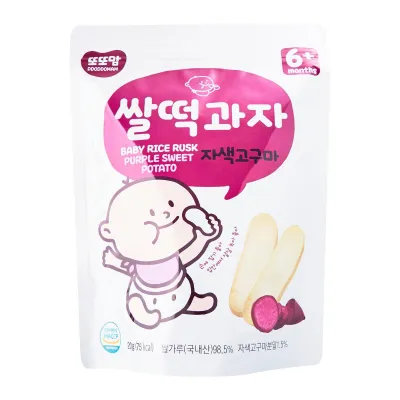
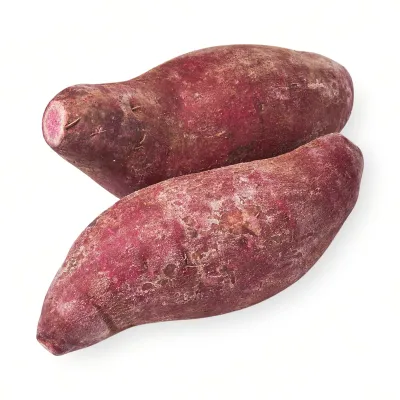
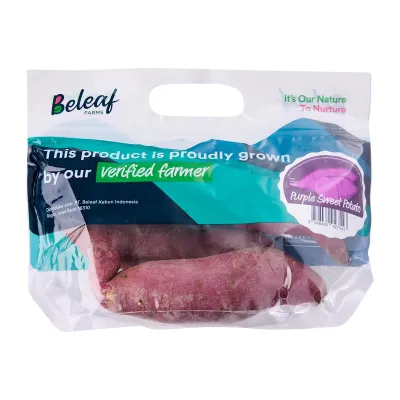
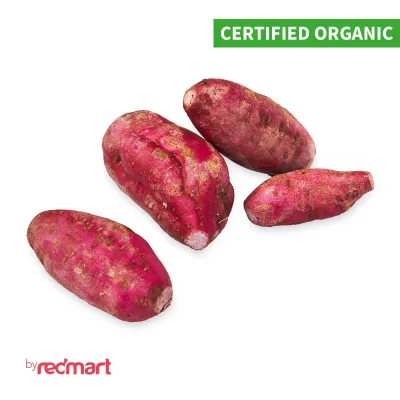
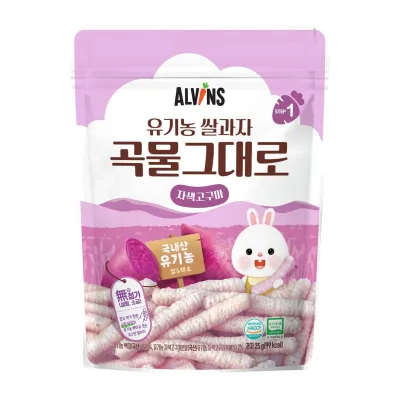
Prices are valid at publication and may change. Please refer to the product page for the latest price.
When you begin introducing purple sweet potato, the texture must match your baby’s current oral motor skills. For early weaning at around six months, start with a very smooth, runny puree that easily slides off a spoon. As your baby becomes more adept at swallowing and chewing, typically around seven to eight months, you can transition to a thicker, mashed consistency with soft lumps. By nine months, or when your baby begins to develop their pincer grasp, you can offer soft, cooked pieces of purple sweet potato as manageable finger foods to encourage self-feeding.
Key Nutrients in Purple Sweet Potato for Infant Growth
The striking deep purple color of this sweet potato variety is more than just visually appealing; it is a direct indicator of its rich nutritional profile. The pigment is caused by high concentrations of anthocyanins, which are plant-based antioxidants. These compounds help protect your baby’s developing cells from oxidative stress and support overall cellular health during these crucial early months of rapid growth.

Dietary fiber is another major benefit of incorporating purple sweet potato into your baby’s weaning diet. As infants transition from an all-liquid diet to solid foods, their digestive tracts must adapt to processing complex structures. The natural soluble and insoluble fiber in purple sweet potato supports this transition by promoting healthy gut bacteria and encouraging regular, comfortable bowel movements.
In addition to fiber and antioxidants, purple sweet potatoes provide essential vitamins and energy-yielding macronutrients. They are an excellent source of complex carbohydrates, which deliver a steady, slow-release supply of energy to fuel your baby’s daily physical milestones, from rolling over to crawling. They also contain Vitamin C, which supports a healthy immune system and enhances the absorption of iron from other dietary sources, alongside essential potassium and Vitamin A precursors that contribute to healthy vision and skin development.
To maximize the nutritional benefits of purple sweet potato, consider pairing it with a source of healthy fats. Many of the essential vitamins and precursors found in root vegetables are fat-soluble, meaning the baby’s body requires dietary fat to absorb them efficiently. Stirring a small amount of breast milk, prepared infant formula, or a few drops of high-quality cold-pressed oil, such as olive oil or coconut oil, into the puree can significantly enhance nutrient absorption while adding a smooth, creamy texture.
Safe Preparation and Age-Appropriate Serving Sizes
Preparing purple sweet potato safely is essential to preserve its valuable nutrients and eliminate potential choking hazards. When sourcing sweet potatoes in Singapore’s warm and humid climate, store them in a cool, dark, and well-ventilated pantry rather than on the kitchen counter to prevent premature sprouting or spoilage. Avoid refrigerating raw sweet potatoes, as cold temperatures can alter their starch structure and affect their natural flavor.
Before cooking, always wash the sweet potato thoroughly to remove any dirt or soil, and peel the skin off completely. The skin is highly fibrous and tough, making it difficult for an infant to digest and presenting a serious choking risk. Once peeled, cut the potato into uniform pieces to ensure even cooking. Steaming is the preferred cooking method, as it preserves water-soluble vitamins and natural sugars much better than boiling, resulting in a softer, sweeter, and more nutrient-dense meal.
For babies just starting solids, blend the steamed sweet potato into a perfectly smooth puree. You can adjust the consistency by mixing in breast milk, formula, or warm water until it is thin enough for your baby to swallow easily. If you are practicing baby-led weaning or transitioning an older baby to finger foods, cut the peeled, cooked sweet potato into long, thick strips about the size of an adult finger. This shape allows babies using a palmar grasp to hold the food securely in their fist while chewing on the exposed top. For older infants who can pick up small objects with their thumb and forefinger, cut the soft, cooked potato into small, pea-sized pieces that mash easily between your fingers. Always supervise your baby closely during meals to ensure they are swallowing safely.
Feeding Precautions and Digestive Adjustments
While purple sweet potato is generally well-tolerated and considered a low-risk food for allergies, parents should always practice caution when introducing any new ingredient. Offer purple sweet potato on its own for the first few times without mixing it with other new foods. This single-ingredient approach, maintained over a three-to-five-day window, allows you to monitor your baby closely for any signs of food intolerance or rare allergic reactions, such as skin rashes, hives, swelling, vomiting, or sudden digestive distress.
The sudden introduction of dietary fiber can sometimes cause mild gas or temporary digestive adjustments in a baby’s sensitive tummy. To prevent discomfort, introduce purple sweet potato in small, gradual portions, starting with just one or two teaspoons and slowly increasing the amount over several weeks. Ensure your baby remains well-hydrated throughout the weaning process, as adequate fluid intake is necessary to help the digestive system process the increased fiber smoothly.
When preparing baby food at home, it is vital to keep the ingredients completely natural. Do not add salt, sugar, honey, or artificial seasonings to the sweet potato. A baby’s kidneys are still developing and cannot process added sodium, while added sugars can encourage a preference for overly sweet foods early in life. Furthermore, honey must be strictly avoided for any infant under twelve months of age due to the serious risk of infant botulism. If your baby shows signs of persistent discomfort, unusual stool changes, or allergic symptoms, pause feeding immediately and consult a pediatrician or qualified healthcare professional.
Frequently Asked Questions (FAQ)
Can purple sweet potato cause constipation in babies?
The natural dietary fiber found in purple sweet potatoes generally helps support healthy digestion and prevents constipation rather than causing it. However, any transition from breast milk or formula to solid foods can temporarily alter your baby’s bowel movements as their gut microbiome adapts. To keep digestion smooth, always ensure your baby is getting enough fluids from breast milk or formula, and offer small sips of water during meals if they are over six months old. If your baby experiences persistent hard stools or straining, temporarily reduce the portion size and consult your pediatrician.
Is purple sweet potato nutritionally better than orange sweet potato for babies?
Neither variety is universally superior; rather, they offer complementary nutritional benefits. Purple sweet potatoes are highly valued for their exceptional concentration of anthocyanins, which provide unique antioxidant support. In contrast, orange sweet potatoes contain significantly higher levels of beta-carotene, an essential precursor that the body converts into Vitamin A for vision and immune health. Both varieties offer similar amounts of dietary fiber, complex carbohydrates, and essential minerals. Offering a colorful rotation of both purple and orange sweet potatoes is the best way to provide your baby with a diverse spectrum of nutrients.
Can I freeze homemade purple sweet potato puree for later meals?
Yes, freezing homemade purple sweet potato puree is an excellent, time-saving option for busy parents. Allow the freshly prepared puree to cool completely, then spoon it into clean, food-grade silicone ice cube trays or airtight, BPA-free containers. Once frozen solid, you can transfer the puree cubes into a labeled freezer bag for easier storage. Frozen puree is best consumed within one to three months to maintain its nutritional quality and flavor. When ready to serve, thaw the portion in the refrigerator overnight or reheat it thoroughly in a small saucepan, stirring well to distribute heat evenly, and always test the temperature on your wrist before feeding your baby.
Community discussion
Share your experience or ask a question. Comments are reviewed before publication.