
Choosing the right laundry detergent for a newborn is one of the first safety decisions new parents face. A baby’s skin is incredibly delicate, making it highly susceptible to irritation from harsh chemicals and synthetic fragrances left behind on fabrics. While Pureen laundry detergent is a popular choice among families in Singapore, determining if a specific formulation is safe for your newborn requires looking beyond the front label.
To make an informed decision, parents must learn how to evaluate the ingredient list on their specific bottle of detergent. Because formulations can change over time or vary by region, verifying the actual chemical components is the most reliable way to protect your infant’s skin. By understanding what goes into these cleaning agents and how they interact with sensitive skin, you can establish a safe, irritation-free laundry routine for your household.
What Makes a Detergent Safe for Newborn Skin?
A newborn’s skin barrier is significantly different from that of an adult. It is thinner, loses moisture more rapidly, and is far more permeable to external substances. This heightened permeability means that any chemical residues remaining on clothing, bedsheets, or swaddles can easily penetrate the skin, potentially leading to contact dermatitis, dryness, or eczema flare-ups.
Products mentioned in this guide
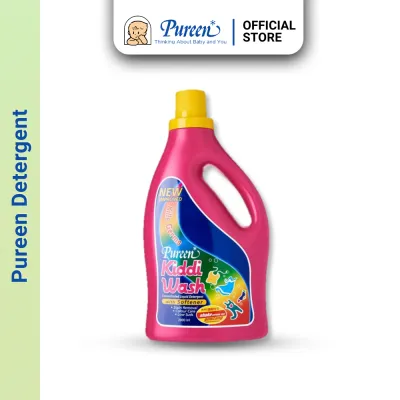
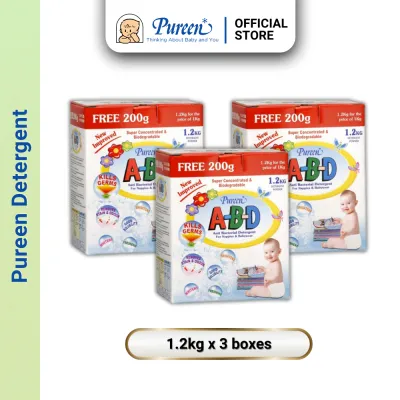
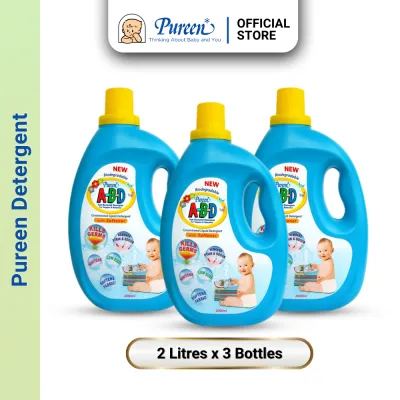
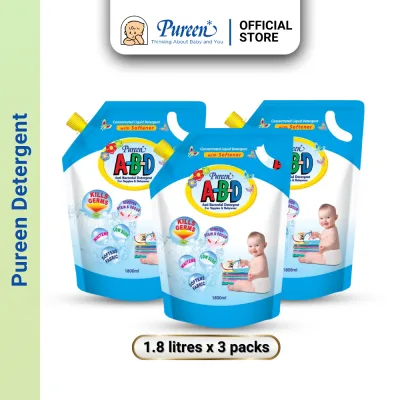
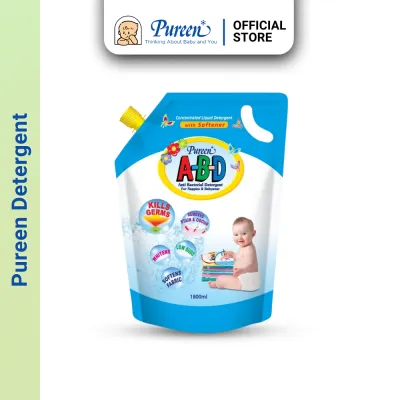
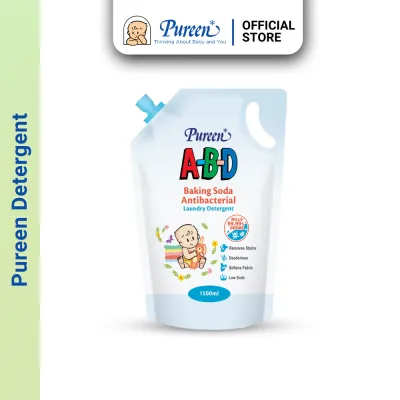
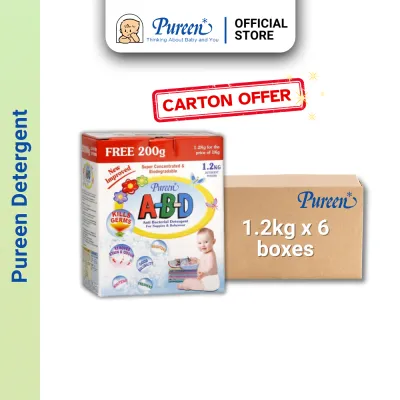
Prices are valid at publication and may change. Please refer to the product page for the latest price.
To minimize these risks, a safe baby detergent should prioritize mild surfactants and high rinsability. Surfactants are the active cleaning agents that lift dirt and oils from fabrics, but some synthetic varieties are difficult to rinse out completely. When detergent residues cling to fabric fibers, they rub against the baby’s skin throughout the day, causing mechanical and chemical irritation. Choosing formulas designed to rinse away cleanly is essential for maintaining skin health.
Additionally, many pediatric dermatologists recommend avoiding enzymes in the early months of life. While enzymes are highly effective at breaking down organic stains like milk or spit-up, they can remain active in the fabric fibers and irritate sensitive skin when moistened by sweat or drool. Opting for enzyme-free or specially formulated mild detergents helps reduce this specific trigger.
It is also important to recognize that marketing terms like “baby-safe,” “gentle,” or “mild” are not strictly regulated. A product labeled for babies may still contain fragrances, preservatives, or surfactants that could trigger a reaction in a highly sensitive infant. Parents should treat these labels as a starting point rather than a guarantee of safety, always verifying the actual ingredient list before use.
How to Read the Pureen Ingredient Label
To evaluate a bottle of Pureen laundry detergent, you must first locate the full ingredient list. This list is typically printed on the back label of the plastic bottle or on the outer packaging. If the physical packaging only lists active ingredients or broad categories, you can check the official brand website or contact their customer service to request a complete safety data sheet or ingredient disclosure.

Once you have the list, look for specific safety claims such as “dermatologically tested,” “hypoallergenic,” or “plant-based.” It is helpful to understand what these terms mean in a practical sense. “Dermatologically tested” indicates that the product was tested on human skin under the supervision of a dermatologist, but it does not detail the size of the test group or the specific results. “Hypoallergenic” simply means the formula is less likely to cause allergic reactions compared to standard detergents, but it does not guarantee zero risk of irritation.
Furthermore, “plant-based” claims mean that a portion of the surfactants or ingredients are derived from natural sources, such as coconut or palm oil, rather than petroleum. While plant-derived ingredients are often gentler on the environment and can be milder on the skin, they can still cause reactions in some individuals. Always cross-reference these claims with the actual chemical names listed on the back of the bottle.
Parents should also remain vigilant about batch-specific variations or regional formulation differences. A Pureen detergent purchased in one retail outlet might have a slightly different formulation than one imported from another region or purchased online from an overseas seller. Always check the label of the exact bottle you have in your home, especially if the packaging design has recently changed, as manufacturers periodically update their formulas to improve performance or comply with updated standards.
Common Detergent Ingredients to Evaluate
When reviewing the ingredients of your Pureen laundry detergent, there are several key components to evaluate closely. The first category to check is fragrances and dyes. Synthetic fragrances are among the most common triggers for pediatric skin allergies and respiratory sensitivities. Even naturally derived fragrances can sometimes cause irritation, which is why completely unscented, dye-free detergents are generally preferred for newborns, particularly those with a family history of eczema.
Next, look for optical brighteners and harsh preservatives. Optical brighteners are synthetic chemicals added to detergents to make fabrics appear whiter and brighter by absorbing ultraviolet light and emitting blue light. These chemicals do not actually clean the clothes; instead, they are designed to remain in the fabric fibers after washing. Because they do not rinse out easily, they can cause persistent skin irritation when they come into direct contact with a newborn’s skin.
Preservatives are necessary in liquid detergents to prevent the growth of bacteria and mold, but some types are highly irritating. Look out for harsh preservatives such as parabens, methylisothiazolinone (MI), and methylchloroisothiazolinone (MCI). If you spot these on your detergent label, monitor your baby’s skin closely or opt for a formula that utilizes milder, food-grade, or plant-derived preserving agents.
Finally, evaluate the types of surfactants used in the formula. Strong synthetic surfactants like sodium lauryl sulfate (SLS) or sodium laureth sulfate (SLES) are highly effective at removing grease but can be overly stripping to the skin barrier if any residue remains. Gentler alternatives include plant-derived surfactants such as alkyl polyglucosides (e.g., decyl glucoside or coco-glucoside), which clean effectively while being much easier to rinse out and gentler on delicate skin.
Safe Washing Practices for Newborn Clothes
Even the mildest detergent can cause skin issues if used incorrectly. To minimize the risk of chemical residue on your baby’s clothes, proper dosing is critical. Always follow the manufacturer’s instructions on the Pureen bottle, adjusting the amount based on your load size. In Singapore, where the water is relatively soft, you may actually need slightly less detergent than the standard recommended dose to prevent excessive foaming and buildup on fabrics.
Another essential practice is utilizing extra rinse cycles. Most modern washing machines offer an “extra rinse” or “baby care” setting. Running newborn clothes, swaddles, blankets, and cloth diapers through an additional rinse cycle helps flush out any lingering surfactant or fragrance molecules that might have clung to the fabric fibers during the main wash.
Before washing an entire wardrobe of newborn clothes with a new detergent, it is highly recommended to perform a patch test. Wash a small batch of items, such as a couple of swaddles or onesies, using the new detergent. Have your baby wear these items for a day or two while closely monitoring their skin for any signs of redness, dryness, or small bumps. If no reaction occurs, you can proceed to wash the rest of their laundry with that product.
Lastly, keep baby laundry separate from the rest of the household’s wash loads during the first few months. Adult clothing is often washed with stronger detergents, fabric softeners, or stain removers that can easily transfer residues inside the washing machine drum. Washing your newborn’s items in dedicated loads ensures they only come into contact with the gentle formulas you have carefully selected and verified.
Frequently Asked Questions (FAQ)
Can I mix Pureen detergent with fabric softener for baby clothes?
It is generally best to avoid using fabric softeners on newborn clothing and bedding. Fabric softeners work by leaving a thin, chemical coating over fabric fibers to make them feel softer. This residue can trap moisture, reduce the breathability of the fabric, and irritate a newborn’s sensitive skin. Furthermore, fabric softeners can significantly reduce the flame-resistant properties of children’s sleepwear and decrease the absorbency of cloth diapers and towels. If you want to soften baby clothes naturally, consider adding a small amount of distilled white vinegar to the rinse dispenser instead.
What should I do if my baby develops a rash after switching to Pureen?
If your baby develops a skin rash, redness, or dry patches after you start using a new detergent, stop using the product immediately. Re-wash all of the baby’s recently laundered clothes, bedding, and swaddles in plain, warm water without any detergent to strip away any remaining residues. Monitor the skin closely, and if the rash does not improve within a few days, or if it appears to cause your baby discomfort, consult a qualified pediatrician. A professional can help identify the specific trigger and recommend safe topical treatments to soothe your baby’s skin.
Community discussion
Share your experience or ask a question. Comments are reviewed before publication.