
Selecting the right baby bottle cleanser is a daily decision that directly impacts your infant’s feeding hygiene and comfort. While Pureen bottle wash is a familiar staple in many Singapore households, finding the ideal match for your family involves comparing its formulation against alternative brands and standard detergents. The optimal choice depends on your specific bottle materials, your baby’s skin sensitivity, and your preferred cleaning routine. Rather than relying on brand popularity alone, parents should evaluate cleansers based on ingredient transparency, rinsing performance, and material compatibility.
Key Factors to Evaluate in Baby Bottle Cleansers
To make an informed choice, caregivers must look beyond marketing claims and focus on objective performance criteria. The primary task of any bottle wash is to break down stubborn milk fats and proteins. Breast milk and infant formula contain complex lipids and proteins that cling to plastic and silicone surfaces, creating a breeding ground for bacteria if not thoroughly removed. A high-quality cleanser must lift these residues efficiently without requiring abrasive scrubbing that can damage feeding equipment.
Ingredient transparency is another critical factor when evaluating baby-specific washes. Parents should inspect the ingredient list for the presence of harsh synthetic fragrances, artificial dyes, and strong preservatives. Because infants have developing immune and digestive systems, minimizing exposure to unnecessary chemical additives is a common priority. Checking for clear labeling regarding plant-derived surfactants can help you identify gentler formulations.
Products mentioned in this guide
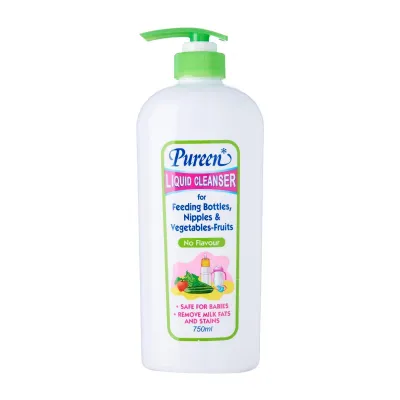
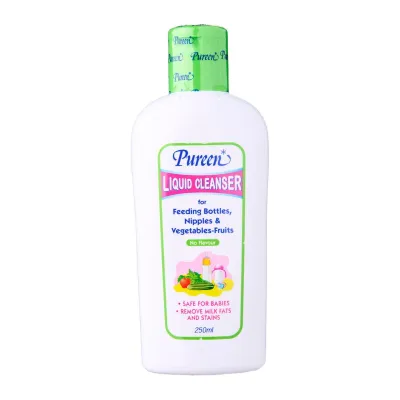
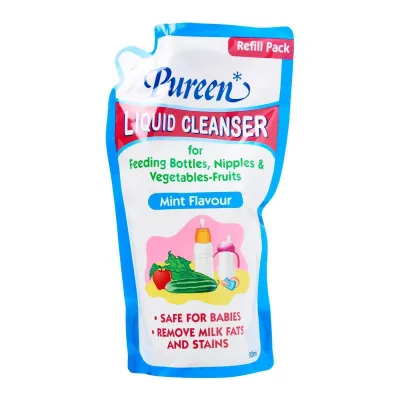
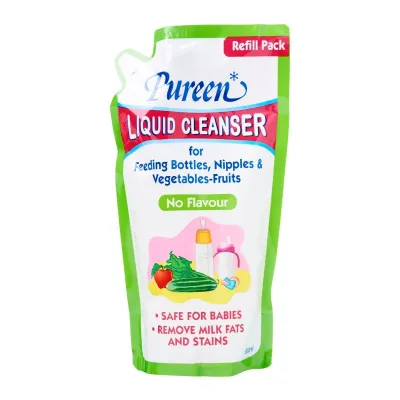
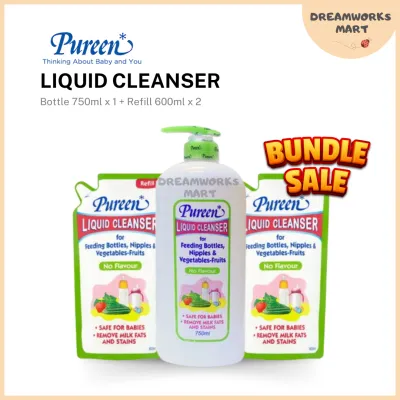
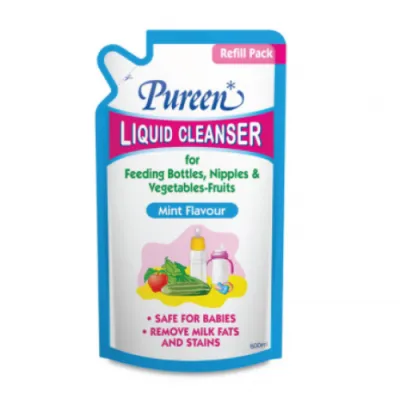
Prices are valid at publication and may change. Please refer to the product page for the latest price.
Rinsability is equally vital to prevent a soapy aftertaste or chemical residue on feeding gear. If a cleanser does not rinse away completely, it can leave a film that alters the taste of milk, potentially causing a baby to reject the bottle. Caregivers should observe how easily the soap suds wash off under running water, prioritizing formulas that leave no slick residue or lingering scent.
Finally, compatibility with various feeding accessories ensures that your cleanser does not degrade your investment. Modern feeding setups often combine glass, polyphenylsulfone (PPSU), polypropylene (PP), and silicone components. The cleanser must be gentle enough to preserve the integrity of these diverse materials while still delivering deep cleaning action.
Pureen Bottle Wash: Core Features and Label Verification
Pureen is widely recognized for its baby care lineup, and its bottle wash is commonly positioned as a mild, plant-based cleaning solution. When considering this brand, parents should examine the physical packaging to verify the specific plant-derived ingredients used. Formulations often feature surfactants derived from coconut or other natural sources, which are designed to break down milk fats while remaining gentle on hands.

The brand offers different formulation types, typically including liquid concentrates and foaming options. Liquid washes are highly concentrated, requiring dilution in water or direct application to a bottle brush. Foaming washes, dispensed via a pump, provide immediate lather, which can reduce water usage and offer better dosage control during quick cleaning sessions. Caregivers should choose the format that best aligns with their daily washing workflow.
It is essential to check the product label for potential allergens, specific preservatives, and pH levels. Even natural or plant-based products can contain preservatives to prevent bacterial growth within the bottle itself. Parents of babies with highly sensitive skin or eczema should verify that the specific bottle wash is dermatologically tested or free from common irritants.
Always follow the manufacturer’s instructions printed on the back of the bottle. These guidelines outline the recommended dilution ratios, such as how many pumps or capfuls to use per liter of water. They also specify the appropriate contact time and the necessity of thorough rinsing with potable water to ensure all soap traces are completely removed before sterilization.
Comparing Pureen with Other Cleanser Categories
When comparing Pureen to other dedicated plant-based baby washes available in Singapore, parents will find variations in ingredient sourcing and concentration. Some premium niche brands emphasize organic certifications or completely fragrance-free profiles. To assess value, caregivers should calculate the cost per milliliter rather than comparing retail prices directly, as highly concentrated formulas often require less product per wash, making them more economical over time.
Standard mild dish detergents represent another category often considered by budget-conscious households. While standard dish soaps offer excellent degreasing power against heavy grease, they are typically formulated with stronger synthetic surfactants and heavy fragrances designed for adult tableware. These intense fragrances and robust chemical residues can linger on silicone teats and plastic bottles, potentially irritating a sensitive infant’s digestive tract or causing skin sensitivity on the caregiver’s hands.
Specialty enzymatic cleansers and ready-to-use foam washes offer targeted solutions for specific feeding challenges. Enzymatic washes utilize active enzymes to target and break down stubborn milk proteins, making them highly effective for bottles left unwashed for several hours. Foam cleansers, often sold in compact travel sizes, provide convenient on-the-go cleaning when access to a full washing station is limited, though they may carry a higher cost per use.
Matching the Cleanser to Your Bottle and Teat Materials
Different feeding materials react uniquely to chemical agents and physical scrubbing. Glass and PPSU bottles are highly durable and heat-resistant, but they can still suffer from clouding or micro-scratches if paired with abrasive cleansers or stiff brushes. Caregivers should ensure their chosen wash does not contain harsh scouring agents that could compromise the smooth interior surface of these premium bottles, as scratches can harbor bacteria.
Silicone teats, valves, and breast pump parts require delicate handling due to their porous nature. Silicone easily absorbs food odors and can retain a soapy taste if washed with highly fragranced detergents. Furthermore, incompatible chemical agents can cause silicone to swell, soften, or degrade prematurely, affecting the milk flow rate and safety. Parents must verify that their bottle wash is labeled safe for high-grade silicone components.
Polypropylene (PP) plastic bottles are lightweight and economical but are highly prone to absorbing milk fats, which can leave a cloudy, greasy film over time. To maintain PP bottles, a cleanser must possess strong emulsifying properties to lift away lipids without requiring excessive heat or harsh chemicals that might degrade the plastic. Regular inspection of PP bottles is recommended to ensure they remain clear and free of sticky residues.
Before finalizing your cleaning routine, cross-reference the cleanser’s instructions with the care guidelines provided by your bottle manufacturer. Many premium bottle brands specify approved cleaning agents or warn against certain chemical exposures to preserve their product warranties. Following these combined instructions ensures both hygiene and product longevity.
Decision Framework: Which Cleanser Fits Your Routine?
To choose the right bottle wash for your household, consider your daily routine, budget, and your baby’s specific needs. Pureen bottle wash is an excellent fit for families seeking an established, widely available plant-based option that balances effective milk fat removal with a choice of liquid or foam dispensing styles. It serves as a reliable, everyday solution for standard cleaning needs.
You may want to explore alternative dedicated baby brands if your family requires specific third-party environmental certifications, completely unscented formulations, or specialized enzymatic action for dried-on formula. These specialized brands cater to niche preferences, though they often come at a higher price point in local supermarkets and online marketplaces.
Standard mild dish detergents can be a viable option if household budget constraints are the primary concern, provided you can guarantee a meticulous, multi-step rinsing process. If you choose this route, ensure the soap is thoroughly washed away with hot water and that the bottles are completely dry before use to minimize any risk of chemical ingestion.
Always prioritize safety by verifying if your baby has known skin sensitivities, allergies, or eczema before selecting a wash. If your infant shows signs of skin irritation or feeding discomfort, stop using the cleanser immediately and consult a qualified pediatrician or dermatologist. Additionally, check if your premium bottle manufacturer mandates specific cleaning limitations to avoid damaging your feeding gear.
Frequently Asked Questions (FAQ)
Can I use regular dish soap instead of a dedicated baby bottle wash?
Regular dish soap can be used to clean baby bottles, but it presents distinct trade-offs compared to dedicated baby washes. Standard dish soaps are formulated with strong synthetic surfactants and intense fragrances designed to strip heavy grease from adult cookware. These powerful chemicals and scents can easily cling to porous silicone teats and plastic bottles, leaving a residue that might alter the taste of milk or irritate a baby’s sensitive digestive system. If you must use regular dish soap, it is critical to rinse every component thoroughly under running potable water and ensure complete drying. For infants with sensitive skin or reflux, pediatricians often recommend switching to a fragrance-free, baby-specific wash to minimize potential irritants.
How do I remove stubborn milk fat residue or odors from silicone parts?
Removing stubborn odors and greasy buildup from silicone teats and valves requires careful maintenance to avoid damaging the material. First, check your bottle manufacturer’s guidelines to verify the temperature limits for boiling, steam sterilizing, or dishwasher use. If permitted, soaking the silicone parts in a warm water bath mixed with a mild, fragrance-free baby bottle wash can help loosen bound lipids. For persistent odors, some manufacturers allow the use of a gentle baking soda paste applied with a soft sponge, followed by meticulous rinsing. Avoid using harsh abrasive pads or strong chemical solvents, which can degrade the silicone. Inspect silicone parts regularly; if they become sticky, swollen, discolored, or retain a permanent odor despite thorough cleaning, they must be replaced immediately to ensure safe feeding.
Community discussion
Share your experience or ask a question. Comments are reviewed before publication.