
When welcoming a newborn home, choosing the right bathing products is one of the first decisions parents face. In Singapore, many families consider Pureen body wash due to its long-standing presence on retail shelves. However, a common question arises: is Pureen body wash certified by the Health Sciences Authority (HSA), and is it truly safe for a newborn’s delicate skin?
To answer this directly, cosmetic products in Singapore—including baby body washes—do not receive an official “HSA certified” stamp or pre-market approval. Instead, they must undergo a mandatory notification process with the HSA before they can be legally sold. Whether a specific Pureen body wash is safe for your newborn depends entirely on the formulation of the particular variant, its age-specific labeling, and your baby’s unique skin sensitivity. Parents must learn how to verify a product’s regulatory status, read ingredient labels carefully, and practice safe bathing techniques to protect their newborn’s fragile skin barrier.
Understanding HSA Regulation for Baby Bathing Products
The Health Sciences Authority (HSA) regulates cosmetics, toiletries, and personal care products in Singapore to safeguard public health. Under the Health Products (Cosmetic Products – ASEAN Cosmetic Directive) Regulations, baby body washes, shampoos, and lotions are classified as cosmetic products. This classification governs how these items are manufactured, labeled, and imported into the local market.
Products mentioned in this guide
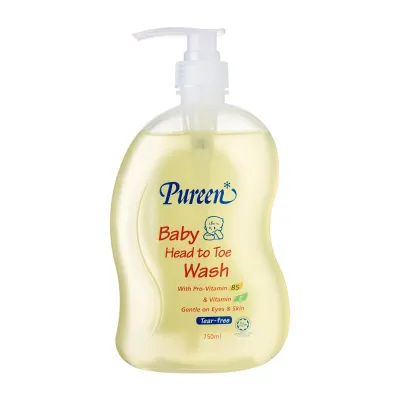
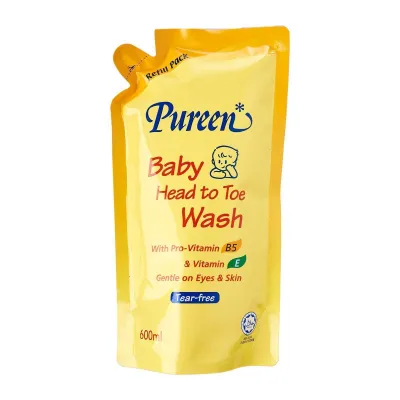
Prices are valid at publication and may change. Please refer to the product page for the latest price.
It is crucial for parents to understand the difference between mandatory product notification and official certification. The HSA does not test, endorse, or issue safety certificates for individual cosmetic products before they are sold to the public. Instead, the local importer, manufacturer, or distributor is legally required to submit a product notification to the HSA. This notification serves as a formal declaration that the product complies with safety guidelines, does not contain prohibited substances, and is manufactured under good manufacturing practices.
Once a notification is successfully submitted, the product is assigned a notification number, allowing it to be sold locally. This system relies on post-market surveillance, meaning the HSA monitors the market, conducts random testing, and investigates adverse reports rather than pre-approving every bottle of baby wash. Therefore, when a product is described as compliant with HSA regulations, it means the distributor has fulfilled these mandatory notification requirements, not that the HSA has independently certified its mildness or safety for newborns.
For parents in Singapore, a compliant product offers peace of mind because it ensures the item has a traceable local representative. If a safety issue or contamination occurs, the HSA can quickly coordinate with the local distributor to issue recalls or public warnings. This regulatory safety net is a primary reason why purchasing locally notified products is highly recommended over buying unverified imports.
How to Verify Pureen Body Wash Compliance and Status
Ensuring that the Pureen body wash you purchase is fully compliant with Singapore’s regulatory standards is a straightforward process. Parents can take active steps to verify the legitimacy and safety of their baby care products before bringing them near the bath.

The most reliable method is to use the HSA’s online cosmetic product notification database. This public registry allows consumers to search for notified cosmetic products sold in Singapore. By entering “Pureen” or the specific product name into the search portal, you can verify if the variant has an active notification status. If the product appears in the database, it confirms that a local company has registered the product and assumed legal responsibility for its safety and compliance.
Next, examine the physical product packaging for required local labeling details. Legally notified cosmetic products in Singapore must display clear information in English. This includes the full ingredient list, the country of manufacture, the batch number, the expiry date, and the name and address of the local importer or distributor. If you find a bottle of Pureen body wash that lacks local distributor details or features labeling entirely in a foreign language, it may be a parallel import that has bypassed the mandatory HSA notification process.
Finally, be selective about where you purchase baby toiletries. Buying from established local pharmacies, major supermarkets, or the official online flagship stores of authorized distributors minimizes the risk of purchasing counterfeit or non-compliant stock. While online marketplaces and third-party sellers on ecommerce platforms may offer lower prices, they sometimes source products from regions with different regulatory standards or storage conditions, which can compromise the safety and integrity of the formulation.
Assessing Newborn Suitability: Key Label Indicators
A newborn’s skin barrier is up to thirty percent thinner than adult skin, making it highly susceptible to dryness, irritation, and chemical absorption. Consequently, a body wash that is perfectly safe for a toddler or older child may not be suitable for a newborn. Parents must look beyond brand names and evaluate the specific label indicators on each Pureen variant.
First, look for explicit age recommendations on the packaging. Formulations designed specifically for newborns will often feature terms like “suitable for newborns,” “from birth,” or “0+ months.” If a product only states “baby body wash” without specifying newborn suitability, it may contain cleansing agents or fragrances that are too harsh for a baby in their first few weeks of life. Always prioritize products that explicitly target the newborn demographic.
Second, check for dermatological testing and pH balance claims. A newborn’s skin surface has a slightly acidic pH, which helps maintain a healthy skin barrier and protect against harmful bacteria. Using a highly alkaline soap can disrupt this natural acid mantle, leading to dry, flaky skin. Look for labels that state “pH-balanced,” “dermatologically tested,” or “hypoallergenic.” These terms indicate that the formulation has been designed and tested to minimize the risk of skin irritation and allergic reactions.
Third, carefully review the ingredient list on the back of the bottle. Avoid products containing harsh surfactants such as Sodium Lauryl Sulfate (SLS) or Sodium Laureth Sulfate (SLES), which can strip the skin of its natural oils. Instead, look for mild, plant-derived surfactants like coco-glucoside or decyl glucoside. Additionally, minimize exposure to synthetic fragrances and artificial colorants, as these are common triggers for contact dermatitis in infants. Unscented or fragrance-free options are generally the safest choice for newborns.
Safe Bathing Practices and When to Discontinue Use
Even the mildest, fully compliant baby body wash can cause irritation if used incorrectly. Establishing safe bathing habits is essential for maintaining your newborn’s skin health and ensuring a comfortable bathing experience.
For the first few weeks of life, newborns do not require daily soaping. Bathing your baby two to three times a week with plain, lukewarm water is often sufficient to keep them clean, especially in climate-controlled indoor environments. When you do choose to use a body wash, use it sparingly. Dilute a small drop of the wash in the bathwater rather than applying the concentrated liquid directly to your baby’s skin. Use your hands or a soft, clean washcloth to gently wipe the baby, avoiding vigorous scrubbing. Keep bath times short, ideally between five and ten minutes, to prevent the skin from losing moisture.
Despite careful selection, some newborns may still experience skin sensitivity. Parents should closely monitor their baby’s skin during and after bathing for any observable signs of irritation. These signs include localized redness, dry or rough patches, flaking, tiny red bumps, or hives. If your baby becomes unusually fussy or cries during the bath, it could also indicate that the product is causing a stinging sensation on their skin.
If you observe any signs of an adverse reaction, take immediate action. Discontinue use of the body wash right away and rinse your baby’s skin thoroughly with clean, lukewarm water to remove any remaining residue. Pat the skin dry gently with a soft towel without rubbing. Keep the affected area clean and dry, and avoid applying any scented lotions or home remedies. If the redness or rash persists for more than twenty-four hours, spreads to other parts of the body, or is accompanied by fever or signs of infection, consult a pediatrician or qualified medical professional for proper assessment and guidance.
Frequently Asked Questions (FAQ)
Do all baby body washes need HSA approval before sale?
No, baby body washes do not require pre-market approval or certification from the HSA. Instead, the local importer or manufacturer must submit a cosmetic product notification to the HSA before placing the product on the Singapore market. This notification system ensures that a local entity is responsible for the product’s safety and compliance with local regulations.
Can I use regular Pureen body wash on a newborn?
You should avoid using regular baby body washes on a newborn unless the packaging explicitly states it is formulated and tested for newborn use. Regular formulations may contain fragrances, colorants, or stronger cleansing agents that can easily disrupt a newborn’s delicate and developing skin barrier. Always verify the age recommendations on the product label.
What should I do if my baby develops a rash after bathing?
If your baby develops a rash, stop using the body wash immediately. Rinse the skin thoroughly with plain, lukewarm water to remove any product residue, and gently pat the area dry. Monitor the skin closely and avoid applying any new creams or home remedies. If the rash does not improve, worsens, or causes your baby discomfort, consult a pediatrician for professional medical advice.

Community discussion
Share your experience or ask a question. Comments are reviewed before publication.