
When caring for a newborn or a baby with sensitive skin, choosing the right diapering products is essential. Pureen antibacterial baby wipes are designed to eliminate harmful germs, making them highly effective for cleaning hands, toys, and high-contact surfaces. However, for routine diaper changes on newborns or infants with sensitive skin, antibacterial wipes are generally not recommended. The active sanitizing agents can easily disrupt a newborn’s fragile skin barrier, leading to irritation, dryness, or contact dermatitis. Parents should carefully inspect the product packaging for specific age warnings, ingredient lists, and manufacturer instructions before applying any antibacterial wipe to a baby’s delicate skin.
Understanding Antibacterial Wipes vs. Standard Baby Wipes
To make informed decisions, parents must understand how antibacterial wipes differ from standard baby wipes. Standard baby wipes are formulated primarily for cleansing. They typically contain water, mild surfactants, and soothing agents like aloe vera to lift away urine and stool without stripping the skin of its natural oils. Their main job is physical removal of waste, which is usually sufficient for maintaining hygiene during diaper changes.
In contrast, antibacterial wipes contain active chemical agents specifically chosen to kill or inhibit the growth of bacteria, fungi, or viruses. These active ingredients are highly effective for sanitizing objects and hands after outdoor play or before meals. However, the chemical mechanism that destroys bacterial cell walls can also strip the delicate lipids from a baby’s skin. This distinction is critical because a newborn’s skin is up to thirty percent thinner than adult skin, making it far more permeable to topical chemicals.
Products mentioned in this guide
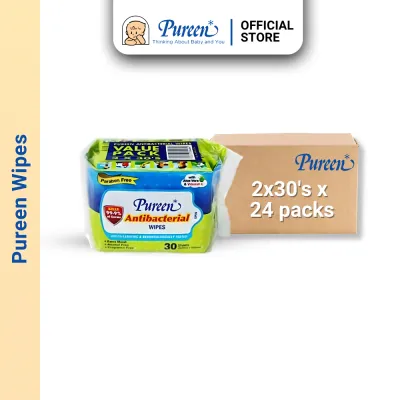
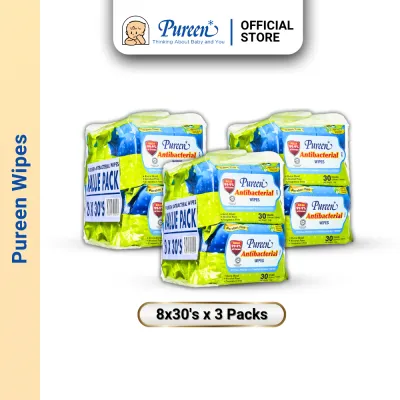
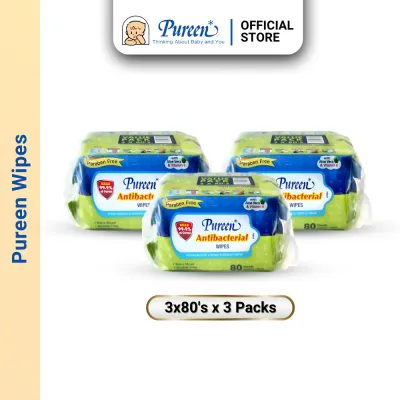
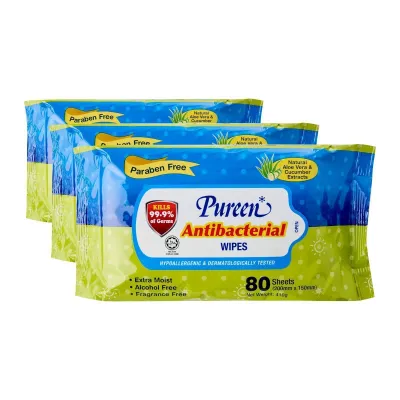
Prices are valid at publication and may change. Please refer to the product page for the latest price.
Because of this high permeability, pediatricians and dermatologists generally recommend using plain water and cotton balls, or standard fragrance-free, water-based sensitive wipes for routine diaper changes. The diaper area is naturally prone to moisture, friction, and exposure to acidic waste, which already compromises the skin barrier. Introducing active antibacterial agents to this sensitive region during every diaper change can exacerbate irritation rather than prevent it.
Antibacterial wipes find their true utility in specific, targeted scenarios. They are excellent for sanitizing a caregiver’s hands when soap and water are unavailable, cleaning public high chairs, wiping down plastic toys, or cleaning a toddler’s hands after playing in public spaces. Keeping these wipes in a diaper bag for surface and hand hygiene is highly practical, but they should not be treated as a default option for cleaning a newborn’s diaper area.
How to Read the Ingredient Label for Sensitive Skin
When evaluating any baby wipe, especially those with an antibacterial designation, reading the ingredient label is the most reliable way to assess safety. Parents should look for a clear list of ingredients on the back of the packaging. The first ingredient is almost always water, which acts as the carrier for other components. Beyond water, the remaining ingredients determine how gentle or irritating the product will be on sensitive skin.

A primary step in reading the label is identifying and avoiding common skin irritants. Alcohol, often listed as isopropyl alcohol or alcohol denat, should be avoided in baby wipes as it causes rapid drying and skin cracking. Synthetic fragrances, which are frequently added to mask chemical odors, are a leading cause of allergic contact dermatitis in infants. Parents should also check for harsh preservatives such as parabens, methylisothiazolinone (MIT), and formaldehyde-releasing agents, which have been linked to skin sensitization.
Next, look for positive indicators on the packaging that suggest a milder formulation. Terms like “dermatologically tested,” “hypoallergenic,” and “pH-balanced” are helpful starting points, though they should always be verified against the actual ingredient list. A pH-balanced wipe is formulated to match the natural, slightly acidic pH of healthy infant skin (typically between 4.5 and 5.5). This acidity is crucial for maintaining the skin’s protective acid mantle, which defends against harmful pathogens while supporting beneficial skin flora.
It is vital to understand that an “antibacterial” label does not automatically guarantee that a product is gentle, moisturizing, or safe for compromised skin. In fact, the active ingredients that provide the antibacterial action can sometimes be drying. If a baby has eczema, dry patches, or broken skin, these active ingredients can penetrate deeply and cause stinging or chemical burns. Always cross-reference the antibacterial claims with moisturizing ingredients like glycerin or allantoin, which help mitigate dryness, and ensure the product is explicitly labeled as alcohol-free and fragrance-free.
Potential Skin Reactions and Risks for Newborns
Newborn skin is in a state of rapid development during the first few weeks of life. During this period, the stratum corneum—the outermost layer of the skin—is still forming its protective matrix. Using antibacterial formulations on this highly sensitive and developing skin barrier carries several distinct risks that caregivers must monitor closely.
The most common adverse reaction is irritant contact dermatitis. This condition manifests as localized redness, dry patches, or a rough texture in the areas where the wipe was applied. Unlike allergic reactions, which involve the immune system, irritant dermatitis is a direct physical response to a substance stripping the skin’s natural moisture. Active antibacterial agents can break down the lipid barrier, leaving the skin vulnerable to chafing from diapers and clothing.
Another significant concern is the disruption of the infant skin microbiome. Healthy skin is populated by a diverse community of beneficial microorganisms that play an active role in defending against infections and regulating inflammation. Antibacterial wipes do not distinguish between harmful pathogens and beneficial bacteria; they eliminate both. Repeatedly wiping a newborn’s skin with antibacterial agents can deplete this protective microbiome, potentially allowing opportunistic, resistant bacteria or yeast (such as Candida) to colonize the diaper area, leading to stubborn yeast infections.
Newborns under 28 days old, as well as infants diagnosed with pre-existing skin conditions like eczema or atopic dermatitis, require extreme caution. Their skin barriers are already compromised or incomplete. For these babies, even minor exposure to active sanitizing agents can trigger severe flare-ups, intense itching, and skin peeling. In these delicate cases, specialized, ultra-pure water wipes or simple warm water are the safest choices to prevent unnecessary discomfort and skin damage.
Safe Usage Guidelines and Gentler Alternatives
If you choose to use antibacterial wipes for appropriate tasks, following safe usage guidelines can minimize the risk of skin irritation. The technique used to clean a baby’s skin is just as important as the product itself. Caregivers should always use a gentle patting motion rather than a vigorous rubbing motion. Rubbing creates friction, which micro-tears the fragile skin surface and allows chemicals to penetrate deeper into the dermis.
After wiping, always allow the baby’s skin to air dry completely before putting on a fresh diaper. Trapping moisture inside a diaper creates a warm, humid environment that accelerates skin breakdown and promotes bacterial and fungal growth. If the skin remains damp, the active ingredients from the wipe can remain concentrated on the skin surface for longer periods, increasing the likelihood of irritation.
There are several areas where antibacterial wipes should never be applied. These include open wounds, scratches, severe diaper rashes with broken skin, and mucous membranes such as the eyes, nose, and genital areas. Applying sanitizing chemicals to these highly sensitive zones can cause intense pain, burning, and systemic absorption of the active ingredients. For facial cleaning, stick to wipes specifically formulated for the face or a clean, damp washcloth.
For routine daily diapering, transitioning to gentler alternatives is highly recommended to minimize chemical exposure. The gold standard for newborn care is using large, sterile cotton balls or soft cotton pads dipped in warm water. This method completely eliminates exposure to preservatives, surfactants, and active antibacterial agents. When on the go, high-quality water-based wipes containing 99% water and a drop of fruit extract offer a convenient, low-risk alternative that cleanses effectively without compromising the skin barrier.
When to Stop Use and Consult a Pediatrician
Parents must establish clear, observable boundaries for when to stop using a product and seek professional medical advice. If you notice any adverse changes in your baby’s skin, discontinue the use of the antibacterial wipes immediately and switch to plain water cleansing. Continuing to use a product on irritated skin can worsen the condition and lead to secondary infections.
Immediate stop conditions include persistent redness that does not fade after a diaper change, skin peeling, blistering, swelling, or the appearance of small fluid-filled bumps. If your baby cries or shows signs of discomfort during wiping, this is a clear indicator that the product is causing stinging or burning. Additionally, any signs of infection, such as pus, oozing, or a foul odor from the diaper area, require immediate medical evaluation.
Before introducing any new wipe brand or formulation to your baby’s routine, performing a simple home patch test is a highly recommended safety measure. Apply a small portion of the wipe to a less sensitive area of the baby’s skin, such as the inner forearm or the upper thigh. Monitor the area closely for 24 to 48 hours for any signs of redness, swelling, or dryness. If the skin remains clear, the product is generally safe for localized use, though caution should still be exercised in the diaper area.
It is crucial to consult a pediatrician or a pediatric dermatologist if a diaper rash or skin irritation persists for more than two to three days, or if it worsens despite discontinuing the wipes. Relying solely on switching wipe brands can delay proper treatment, especially if the rash is caused by a yeast infection or an allergic reaction that requires prescription topical treatments. A qualified professional can provide an accurate diagnosis and recommend a safe, targeted treatment plan.
Frequently Asked Questions (FAQ)
Can I use Pureen antibacterial wipes to clean my baby's hands and face?
Pureen antibacterial wipes can be used to clean a baby’s hands, especially when soap and water are unavailable, such as during outdoor activities or travel. However, they should not be used on a baby’s face. The skin on the face, particularly around the eyes and mouth, is extremely thin and highly sensitive. Wiping the face with antibacterial agents increases the risk of eye irritation and accidental ingestion of the active ingredients. For the face, always use a clean washcloth dampened with plain water or wipes specifically formulated and labeled for facial use.
Are antibacterial wipes necessary for preventing diaper rash?
No, antibacterial wipes are not necessary for preventing diaper rash, and they may actually contribute to it. Standard diaper rash is rarely caused by bacteria; instead, it is primarily triggered by prolonged exposure to wetness, friction from the diaper, and the irritating enzymes present in urine and stool. Preventing diaper rash relies on frequent diaper changes, gentle cleansing with plain water or water-based wipes, and applying a thick barrier cream containing zinc oxide or petroleum jelly. Using antibacterial wipes routinely can strip the skin’s natural oils, making it more vulnerable to the friction and moisture that cause diaper rash.

Community discussion
Share your experience or ask a question. Comments are reviewed before publication.