
Choosing the right laundry detergent for your newborn is one of the first critical decisions you will make as a parent. A newborn’s skin is incredibly delicate, thin, and highly sensitive to the chemical residues left behind on clothing, bedding, and swaddles. Pureen A.B.D. (Antibacterial Detergent) is a popular choice among parents, but understanding its ingredients is essential to determining if it is truly suitable for your baby’s specific skin needs.
While baby detergents are generally formulated to be milder than standard household detergents, they are not all created equal. Some contain fragrances, preservatives, or specific cleaning agents that might still trigger reactions in highly sensitive infants. To make an informed choice, you must know how to read the physical label, evaluate the ingredients, and safely introduce the product to your laundry routine.
How to Verify Ingredients on Your Pureen A.B.D. Packaging
When evaluating any baby product, the physical packaging is your most reliable source of information. Manufacturers frequently update their formulations to comply with new safety standards, improve performance, or source alternative raw materials. Consequently, online product descriptions, third-party blog reviews, and listings on ecommerce platforms may display outdated or inaccurate ingredient lists.
Products mentioned in this guide
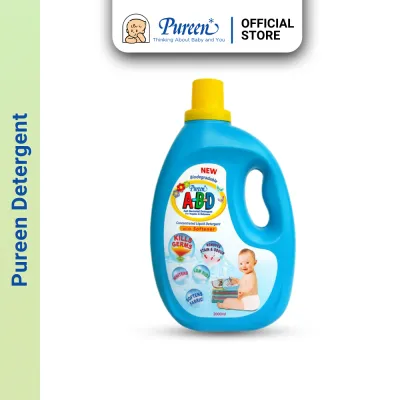
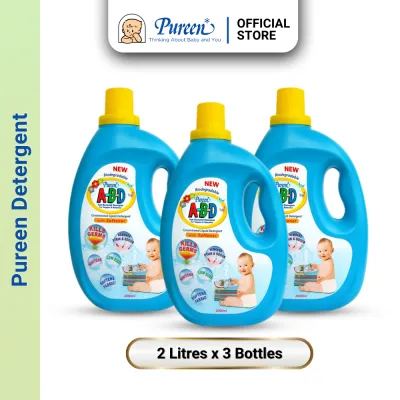
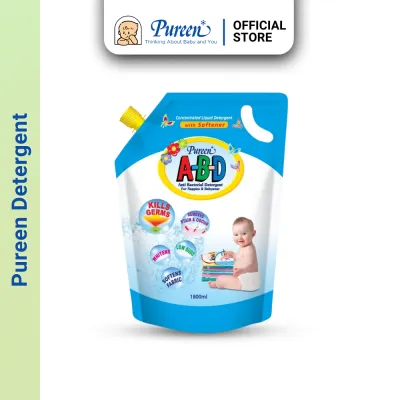
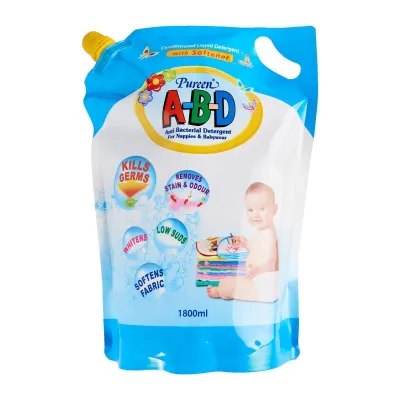
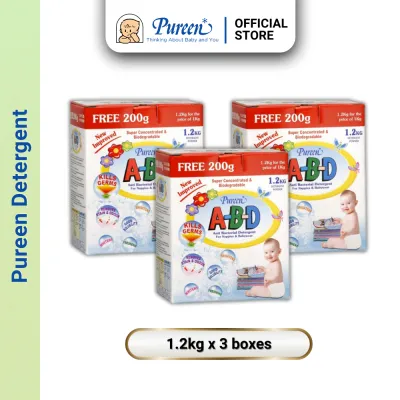
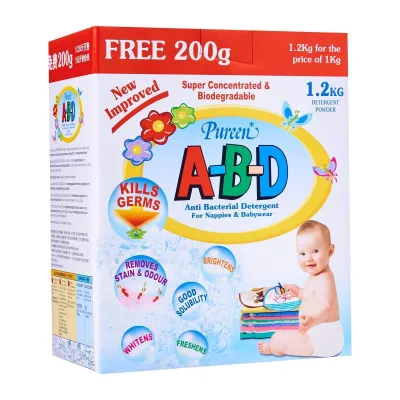
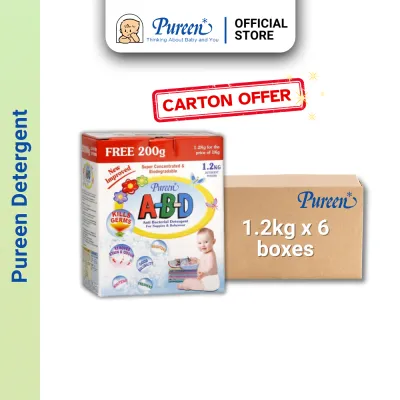
Prices are valid at publication and may change. Please refer to the product page for the latest price.
To find the complete list of ingredients, turn the Pureen A.B.D. bottle to its back label. Look for a section titled “Ingredients,” “Active Ingredients,” or “Formulation.” This list is typically organized by concentration, with the highest-volume ingredients listed first—usually water, followed by primary surfactants, and ending with low-concentration additives like preservatives, fragrances, and pH adjusters.
As you read the label, distinguish between the actual chemical or botanical names of the ingredients and marketing claims. Phrases like “gentle on skin” or “antibacterial formula” are promotional highlights, not active ingredients. To understand what is actually touching your baby’s skin, you must look past these claims and focus on the specific chemical compounds listed in the fine print.
If the physical bottle does not display a full ingredient list due to space constraints, visit the official brand website or contact their customer service directly. Avoid relying on general summaries found on online marketplaces, as these platforms often omit trace preservatives or fragrance components that could be crucial for a baby with eczema or highly reactive skin.
Evaluating Common Baby Detergent Ingredients for Newborn Skin
Understanding the basic chemistry of baby detergents allows you to make safer choices for your household. Standard adult detergents are designed to tackle heavy stains, grease, and odors using strong chemical agents, optical brighteners, and intense fragrances. These components are highly effective for adult clothing but are far too harsh for a newborn’s developing skin barrier.

When evaluating a baby detergent, the primary goal is to find a balance between effective cleaning power and dermatological safety. This requires looking closely at the types of surfactants, preservatives, and sensory additives used in the formula. Plant-derived ingredients are often preferred over petroleum-based synthetics, but even natural ingredients can sometimes cause mild irritation if not thoroughly rinsed.
You should also look out for optical brighteners, which are chemical dyes that absorb ultraviolet light and emit blue light to make fabrics appear whiter and brighter. These chemicals do not actually clean the clothes; instead, they are designed to remain in the fabric fibers after washing. For a newborn, this constant skin contact with residual brighteners can lead to localized irritation and dryness.
Surfactants and Cleaning Agents
Surfactants, or surface-active agents, are the core cleaning components of any detergent. They work by breaking down the surface tension of water, allowing it to penetrate fabric fibers, bind to oils, and lift away organic soils like breastmilk, formula, spit-up, and diaper leaks. Without surfactants, water alone cannot effectively clean soiled baby clothes.
In baby-specific detergents, manufacturers often select milder surfactants to minimize the risk of skin irritation. Look for plant-derived surfactants on the label, such as those derived from coconut or corn, which are often listed as alkyl polyglucosides (for example, coco-glucoside or decyl glucoside). These agents are known for being gentle while still providing adequate cleaning performance.
Regardless of how mild the surfactants are, they must be completely rinsed out of the clothing. Residual surfactants left in the fabric can react with sweat and body heat, leading to friction-induced irritation on your baby’s skin. Ensuring your washing machine executes a thorough rinse cycle is just as important as choosing a mild detergent formula.
Fragrances, Dyes, and Preservatives
Fragrances and dyes are among the most common triggers for contact dermatitis in infants. While a freshly scented basket of baby laundry may seem appealing, synthetic fragrances are completely unnecessary for clean clothes. These scents are formulated from complex mixtures of chemicals that can easily irritate a newborn’s sensitive nasal passages and skin.
When checking the Pureen A.B.D. label, look for terms like “fragrance,” “parfum,” or specific aromatic compounds. If your newborn has extremely sensitive skin or a family history of eczema, opting for a fragrance-free formula is highly recommended. Note that “unscented” products may still contain masking fragrances to cover up the chemical smell of the raw ingredients, whereas “fragrance-free” means no scent chemicals have been added.
Preservatives are another critical component to inspect. Because liquid detergents contain water, they require preservatives to prevent the growth of harmful bacteria, mold, and yeast over time. However, some traditional preservatives, such as parabens or formaldehyde-releasing agents, are known sensitizers. Look for modern, food-grade, or highly refined preservatives on the label, and verify their safety if your baby shows any signs of skin reactivity.
How to Safely Introduce a New Detergent to Your Newborn's Routine
Before washing your newborn’s entire wardrobe with a new detergent, it is wise to perform a controlled home test. This cautious approach helps you identify any potential skin sensitivities before your baby is fully wrapped in newly washed fabrics. It also saves you the time and effort of re-washing dozens of outfits if a reaction does occur.
Begin by selecting a few small, non-critical items that will come into direct contact with your baby’s skin, such as a burp cloth, a swaddle blanket, or a single onesie. Wash these items separately using the new detergent, following the manufacturer’s dosage instructions carefully. Avoid the temptation to add extra detergent for heavily soiled items, as excess soap is incredibly difficult to rinse out completely.
Once the items are dry, let your baby wear or use them as normal. Observe their skin closely over the next 24 to 48 hours, paying special attention to areas of direct contact like the neck, chest, and back. Look for any signs of localized redness, dry patches, or small bumps that might indicate a mild allergic reaction or irritation.
To further minimize the risk of residue buildup, always utilize an extra rinse cycle on your washing machine when washing baby laundry. In Singapore’s humid climate, damp clothes can trap residual detergent more easily, making thorough rinsing and complete drying essential steps in your laundry routine. If your baby’s skin remains clear after the trial period, you can proceed to wash the rest of their wardrobe with confidence.
When to Stop Use and Consult a Pediatrician
Even when using a dedicated baby detergent, some infants may still experience skin irritation. It is vital to monitor your baby’s skin regularly and know how to identify the early signs of contact dermatitis. This condition typically presents as localized redness, dry or flaky skin, raised red bumps, or a rough texture in areas where clothing rubs against the body.
It is important to differentiate between detergent-related irritation and common, harmless newborn skin conditions. For instance, baby acne and milia are hormonal conditions that usually appear on the face and clear up on their own. In contrast, a reaction to laundry detergent is more likely to appear on the torso, limbs, and diaper area, where clothing contact is constant and friction occurs.
If you suspect your newborn is reacting to the detergent, stop using the product immediately. Wash all affected clothing, bedding, and towels in plain, warm water without any detergent to flush out remaining residues. If the rash persists, spreads, or causes your baby obvious discomfort and fussiness, consult a qualified pediatrician or medical professional for an accurate diagnosis and safe treatment options.
Frequently Asked Questions (FAQ)
Can I use Pureen A.B.D. baby detergent for the whole family's laundry?
Yes, you can certainly use baby detergent for the entire family’s laundry, and doing so can simplify your household chores. However, keep in mind that baby detergents are specifically formulated to be mild, which means they may struggle to remove heavy adult stains, grease, or sports odors without pre-treatment. Additionally, because baby detergents are often priced higher per wash—with bottles typically costing around S$8 to S$15 depending on the retailer—using them for large adult loads may not be the most economical choice for every household.
Do I need to wash new baby clothes before using this detergent?
Yes, it is highly recommended to wash all new baby clothes, blankets, and fabric toys before they touch your newborn’s skin. During the manufacturing, packaging, and shipping processes, fabrics are often treated with chemical finishes, starches, and flame retardants to keep them looking pristine on store shelves. These chemical residues, along with accumulated dust and dirt from transit, can easily irritate a newborn’s highly sensitive skin, making a preliminary wash with a gentle baby detergent essential.
Community discussion
Share your experience or ask a question. Comments are reviewed before publication.