
When browsing the baby care aisle or scrolling through online marketplaces, parents frequently encounter the term “purcotton” on baby wipe and dry tissue packaging. This term often promises a gentle, natural touch for sensitive newborn skin, but its exact meaning can be confusing. Understanding whether this term represents a specific material, a manufacturing standard, or a brand name is essential for making informed purchasing decisions. By comparing these options to regular cotton and synthetic alternatives, caregivers can better evaluate which wipe material aligns with their daily cleaning routines and their baby’s skin needs.
Clarifying "Purcotton": Brand Name or Material Type?
The term “purcotton” occupies a unique space in consumer packaging, often blurring the line between a registered brand name and a generic material description. In many instances, “Purcotton” is a trademarked brand name owned by a specific manufacturer specializing in cotton-based goods. However, because the name sounds identical to “pure cotton,” many shoppers naturally assume it is simply a descriptive term for any product made from 100% purified cotton fibers.
To avoid confusion, caregivers should look beyond the prominent front-label marketing and inspect the detailed product specifications. A product labeled with a brand name may contain 100% cotton, or it might feature a blend of fibers depending on the specific product line. Checking the official fiber composition list on the back of the packaging is the most reliable way to verify exactly what materials will touch a baby’s skin.
Products mentioned in this guide
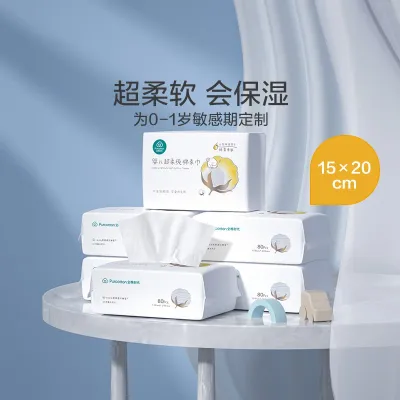
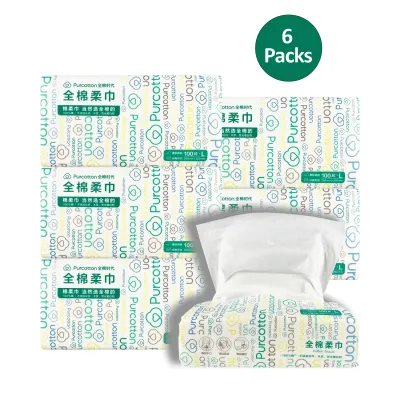
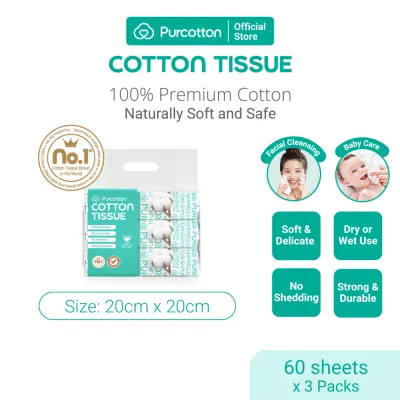
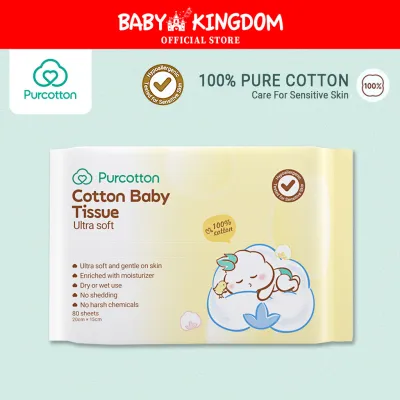
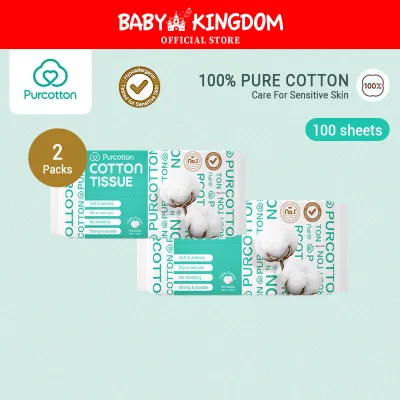
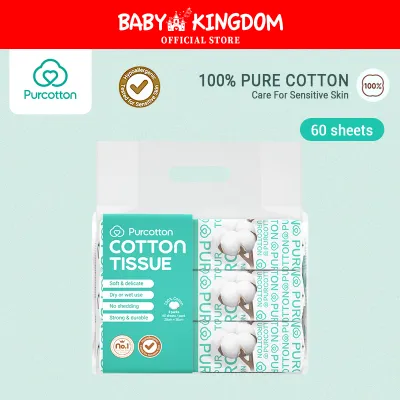
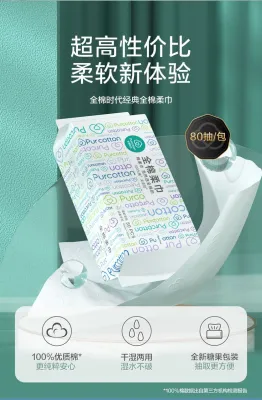
Prices are valid at publication and may change. Please refer to the product page for the latest price.
Naming conventions also vary significantly across different regions and distribution channels. In some markets, regulatory bodies require strict separation between brand names and fiber content declarations, while in others, descriptive terms are used more loosely. Because of these regional variations, relying on standardized ingredient and material labels rather than front-of-pack branding ensures you know exactly what you are purchasing for your household.
Material Breakdown: 100% Cotton vs. Synthetic and Viscose Blends
Evaluating baby wipes requires a basic understanding of fiber science, particularly how natural cotton compares to synthetic and semi-synthetic alternatives. Cotton is a natural plant fiber characterized by a hollow structure that inherently absorbs moisture. In contrast, synthetic materials like polyester are petroleum-derived plastics that do not absorb water within the fiber itself, instead trapping moisture between the woven or nonwoven strands. Semi-synthetic fibers, such as viscose or rayon, are manufactured from chemically processed wood pulp, offering a middle ground in terms of absorbency but requiring intensive chemical processing during production.

These structural differences directly influence how a wipe behaves when wet. Natural 100% cotton fibers generally maintain a soft, pliable texture and exhibit high absorbency, allowing them to hold water or cleaning solutions effectively. Synthetic fibers like polyester often provide high tensile strength, meaning they are highly resistant to tearing, but they can feel slicker or less absorbent. Viscose blends often mimic the softness of cotton and offer good absorbency, but they may lose some structural integrity when fully saturated compared to pure cotton.
The manufacturing process also plays a critical role in the final texture of the wipe. Most baby wipes and dry tissues are produced using a nonwoven process called spunlace, where high-pressure water jets entangle the fibers into a cohesive sheet. When applied to 100% cotton, this process creates a fabric-like sheet that avoids the linting associated with traditional cotton balls. When applied to synthetic or viscose blends, spunlace technology can alter the thickness and pattern of the wipe, but the underlying physical properties of the base fibers remain unchanged. Caregivers should check the manufacturer’s specifications to understand the exact fiber blend and manufacturing method used.
How Wipe Materials Impact Baby Skin and Daily Cleaning
A baby’s skin barrier is significantly thinner and more delicate than that of an adult, making it highly susceptible to friction and environmental irritants. During routine diaper changes, the physical contact between the wipe and the skin can cause micro-abrasions if the material is too coarse or if excessive pressure is applied. Natural 100% cotton fibers typically offer a lower friction profile when wet, providing a gentle gliding action that minimizes mechanical irritation on sensitive areas, particularly for newborns.
In contrast, synthetic blends containing polyester can sometimes feel rougher or stiffer, especially after repeated wiping during stubborn cleanups. While synthetic wipes are highly functional for general cleaning, their physical texture may not be ideal for infants prone to diaper rash or those with eczema-prone skin. Opting for 100% cotton tissues or wipes can help reduce the risk of friction-induced redness, as the natural fibers conform more easily to the skin’s contours without requiring heavy pressure.
However, the wipe material is only one part of the skin-care equation; the liquid solution paired with it is equally critical. Even the softest 100% cotton wipe can cause irritation if saturated with harsh fragrances, alcohol, or strong preservatives. Caregivers should ensure that pre-moistened wipes utilize mild, dermatologically tested formulations, or alternatively, pair dry cotton tissues with plain, clean water. If any signs of persistent redness, swelling, or skin irritation develop, stop using the product immediately and consult a qualified healthcare professional.
Reading the Label: What to Verify Before Purchasing
To ensure you are purchasing high-quality materials that suit your baby’s needs, developing a habit of reading the packaging labels is essential. Do not rely solely on terms like “cotton-soft” or “cotton-like,” which are frequently used to describe purely synthetic wipes that have been textured to mimic the feel of natural fibers. Instead, look for explicit declarations such as “100% Cotton,” “Pure Cotton,” or “Purified Cotton” in the material composition section of the label.
Additionally, review the manufacturer’s instructions regarding proper usage, storage, and disposal. Because natural cotton fibers do not contain synthetic preservatives on their own, dry cotton tissues must be kept in a cool, dry place to prevent environmental moisture from compromising their hygiene. For pre-moistened cotton wipes, check the packaging for seal integrity to ensure the wipes do not dry out or become exposed to external contaminants.
Finally, look for indicators of independent testing, such as dermatological safety statements or hypoallergenic certifications, on the packaging. While these labels provide helpful guidance, they do not guarantee absolute safety for every individual skin type. Always perform a spot check on a small patch of your baby’s skin when introducing a new brand or material, and keep a close eye on how the skin reacts over the first few days of use.
Frequently Asked Questions (FAQ)
Can I use dry cotton tissues with plain water instead of pre-moistened wipes?
Yes, using dry 100% cotton tissues moistened with plain water is a highly common and gentle alternative to pre-moistened baby wipes, particularly for newborns with extremely sensitive skin. To do this safely, simply dip the dry tissue into warm, clean water immediately before use. Because plain water does not contain preservatives, you must use the wetted tissue immediately and discard any unused wet pieces. Never wet a large batch of dry tissues in advance or store them in a closed container, as standing water quickly becomes a breeding ground for bacteria and mold.
Are 100% cotton baby wipes biodegradable and flushable?
While 100% natural cotton fibers are biodegradable under appropriate environmental conditions, this process varies significantly between industrial composting facilities and home environments. More importantly, biodegradability does not mean a product is flushable. You should never flush any baby wipes or cotton tissues down the toilet, even if the packaging claims they are biodegradable or flushable. Cotton fibers do not break down rapidly in municipal sewer systems, which can lead to severe plumbing blockages and environmental contamination. Always dispose of used wipes in a designated waste bin according to your local waste management guidelines.

Community discussion
Share your experience or ask a question. Comments are reviewed before publication.