
Selecting the right baby bottle in Singapore involves balancing safety, ease of cleaning, and overall value. Pupsik, a well-known name among local parents, offers baby bottles that stand out for their practical design, reliable materials, and highly competitive pricing. When compared to premium international brands, Pupsik bottles provide a straightforward, functional alternative that focuses on the essential needs of everyday feeding without the premium price tag.
To make an informed choice, parents must evaluate how these bottles perform across key areas such as material safety, anti-colic features, ease of sterilization, and long-term cost-effectiveness. While high-end brands often highlight proprietary engineering or specialized medical-grade materials, Pupsik focuses on delivering dependable, everyday usability. Understanding these distinctions helps you select a bottle system that aligns with your baby’s developmental stage and your family’s daily routine.
Evaluating Pupsik Baby Bottles: Design and Material Specifications
When choosing a baby bottle, the material is the first line of defense for your baby’s health and safety. Pupsik baby bottles are typically available in standard, widely accepted materials such as polypropylene (PP) and polyphenylsulfone (PPSU), alongside traditional glass options. PP bottles are lightweight and highly shatterproof, making them convenient for travel or older babies who are beginning to hold their own bottles. PPSU, often recognizable by its natural honey-colored tint, offers high durability and thermal resistance, making it a popular choice for parents who sterilize bottles frequently.
Products mentioned in this guide
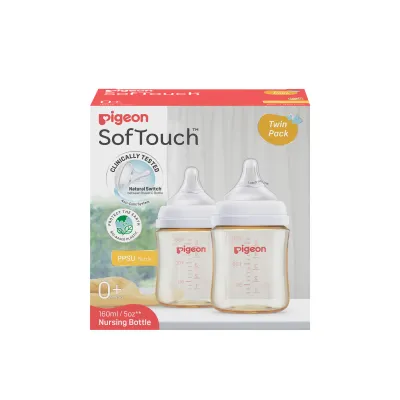
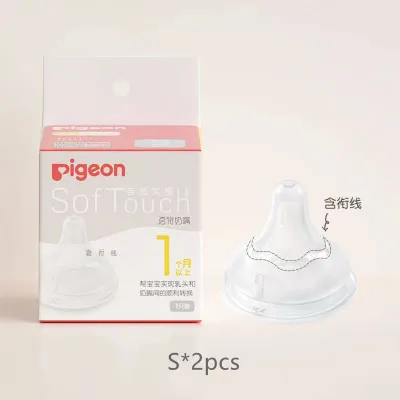
Prices are valid at publication and may change. Please refer to the product page for the latest price.
Before purchasing, always inspect the product packaging or official manufacturer specifications to verify safety certifications. Look for clear labels indicating that the bottles are BPA-free, BPS-free, and compliant with international food-contact safety standards. Because certifications can change, verifying these details directly on the physical label ensures you are getting the most up-to-date safety assurances.
Nipple design is another critical factor that directly impacts your baby’s feeding comfort and pace. Pupsik offers various nipple flow rates, ranging from slow-flow options for newborns to fast-flow or cross-cut designs for older infants. It is essential to match the nipple flow rate to your baby’s age and feeding behavior, as a flow that is too fast can cause choking or gas, while a flow that is too slow can lead to frustration and fatigue. Always refer to the manufacturer’s age-guideline chart as a starting point, but remain observant of your baby’s actual feeding pace.
The physical shape of the nipple also plays a role in how easily your baby latches. Many modern bottles feature wide-neck designs with breast-shaped nipples to facilitate a more natural latch and ease the transition between breastfeeding and bottle-feeding. Pupsik’s wide-neck options are designed to mimic this natural contour, helping to prevent nipple confusion.
In terms of capacity and ergonomics, these bottles come in standard sizes, typically ranging from smaller newborn sizes (around 120ml to 160ml) to larger capacities (around 240ml to 330ml) for growing appetites. The contoured shape of the bottle body is engineered to provide a comfortable grip for caregivers during long feeding sessions, and eventually, for tiny hands as your baby develops fine motor skills.
Core Dimensions for Comparing Baby Bottle Brands
To determine how Pupsik measures up against other popular brands in Singapore, you must evaluate several core performance dimensions, starting with anti-colic venting mechanisms. Colic, gas, and spit-up are often exacerbated when a baby swallows excess air during feeding. Many premium brands feature complex, multi-part internal venting systems designed to channel air away from the milk. Pupsik bottles generally utilize built-in anti-colic valves integrated directly into the nipple base. This simplified design reduces the number of parts you need to wash and assemble, though you must check the manufacturer’s instructions to ensure the valve is properly aligned and not blocked before each feed.

Cleaning and sterilization compatibility is another major consideration for busy parents in Singapore’s humid climate, where maintaining hygiene is paramount. Different materials have varying temperature thresholds that dictate how they can be sterilized. For instance, glass and PPSU bottles can withstand the high temperatures of steam sterilizers, boiling water, and UV sterilizers without degrading quickly. PP bottles, while safe, may have lower temperature limits and can degrade or cloud faster under intense heat or UV exposure. Always verify the specific temperature limits printed on the product manual to avoid damaging the bottles or releasing unwanted compounds.
Durability and long-term maintenance are closely tied to the material you choose. Glass bottles are highly scratch-resistant and do not retain odors or stains, but they carry a risk of breakage. PPSU offers a middle ground, providing the scratch resistance and thermal stability of glass with the lightweight, shatterproof benefits of plastic. PP bottles are the most economical but are prone to micro-scratches from bottle brushes over time, which can harbor bacteria and cause the plastic to look cloudy.
Disassembly is the final practical hurdle in daily maintenance. A bottle with too many intricate parts can quickly become a chore to clean, especially during late-night feeds. Pupsik’s straightforward design generally features fewer components—typically just the bottle, nipple, collar, and cap—making it exceptionally easy to disassemble, thoroughly scrub, and reassemble quickly.
Price, Availability, and Value in the Singapore Market
In Singapore, the cost of raising a child can add up quickly, making price and long-term value key deciding factors for many families. Pupsik bottles are generally positioned in the budget-friendly to mid-range price tier. When compared to premium imported European or Japanese brands, which can carry a significant price premium per bottle, Pupsik offers a highly accessible entry point. This price difference becomes particularly noticeable when you need to purchase multiple bottles to build a complete feeding rotation.
However, the initial purchase price of the bottle is only part of the financial equation; you must also consider the ongoing cost and availability of replacement parts. Nipples must be replaced regularly as your baby grows or as the material wears out, and collars or caps can easily be misplaced. Before committing to a specific brand, check the availability of compatible replacement nipples and accessories on official brand stores or major online marketplaces in Singapore. Pupsik’s strong local presence ensures that finding replacement parts is generally straightforward, reducing the risk of having to discard a perfectly good bottle simply because you cannot find a matching nipple.
To maximize value, look for bundle deals, starter sets, or multi-packs rather than purchasing single bottles. Many brands, including Pupsik, offer curated starter kits that include bottles of various sizes, matching nipples, and cleaning brushes. These bundles often provide a lower per-unit cost and ensure you have the necessary gear to handle different feeding stages as your newborn’s intake increases.
Decision Framework: Choosing the Right Bottle for Your Baby
Choosing between Pupsik and other popular baby bottle brands ultimately depends on your family’s specific priorities, budget, and your baby’s unique feeding needs. By structuring your decision around clear conditions, you can select the option that offers the best balance of utility and comfort.
You should consider choosing Pupsik bottles if your primary goals are cost-effectiveness, straightforward maintenance, and easy local availability. If you prefer a simple bottle system with fewer parts to wash, or if you want to stretch your budget further without compromising on basic material safety and BPA-free standards, Pupsik provides a highly practical solution for everyday feeding.
On the other hand, you may want to opt for alternative premium brands if your baby requires highly specialized anti-colic engineering, such as complex internal straw vents, or if you are looking for specific medical-grade materials or advanced temperature-retention features. Families who prioritize highly specific nipple shapes designed to mimic unique latch dynamics may also find a better match among specialized international brands.
Before making a final decision, always verify if your baby has specific feeding challenges. If your infant experiences severe reflux, persistent colic, or significant latch difficulties, the choice of bottle and nipple shape becomes a clinical consideration. In these situations, specialized bottle designs may be recommended. Always consult a pediatrician or a certified lactation consultant to get personalized guidance tailored to your baby’s developmental and physiological needs.
Frequently Asked Questions (FAQ)
Can I mix Pupsik bottle nipples with other brand bottles?
It is generally not recommended to mix nipples and bottles from different manufacturers. Even if a nipple appears to fit into another brand’s collar, minor differences in the neck width, thread design, or collar depth can prevent a secure seal. This mismatch can lead to persistent leaking during feeds, improper functioning of the anti-colic venting system, or even pose a choking hazard if the nipple becomes dislodged. To ensure safety and optimal performance, always use nipples, collars, and bottles from the same brand system, and consult the manufacturer’s guidelines if you are unsure about compatibility.
How often should I replace Pupsik baby bottles and nipples?
For hygiene and safety, you should regularly inspect all feeding components and replace them at the first sign of wear. Silicone nipples generally require replacement every two to three months, or immediately if you notice tears, stickiness, discoloration, or if the feeding hole has stretched, which can cause a dangerously fast flow. Plastic bottles, particularly those made of PP, should typically be replaced every six months, or sooner if they develop deep scratches, persistent cloudiness, or cracks that can harbor bacteria. Always follow the specific care and replacement instructions provided on the product label to maintain a safe feeding environment.
Community discussion
Share your experience or ask a question. Comments are reviewed before publication.