
Wool is widely considered the most eco-friendly waterproof diaper material because it is natural, renewable, biodegradable, and free of synthetic plastics. However, the overall environmental impact also depends on how the diapers are washed, dried, and maintained over their lifespan. For parents seeking a balance between convenience and sustainability, synthetic options like TPU (Thermoplastic Polyurethane) offer a middle ground with lower chemical processing than traditional PUL (Polyurethane Laminate). Choosing the right waterproof diaper cover requires balancing these ecological footprints with your daily laundry routine and budget.
While cloth diapering as a whole reduces landfill waste compared to single-use disposables, the choice of waterproof material plays a significant role in the overall environmental footprint of your diapering system. Each material has its own manufacturing process, durability, maintenance requirements, and end-of-life impact. Understanding these differences is crucial for making an informed, sustainable choice that fits your family’s lifestyle.
Understanding PUL, TPU, and Wool Waterproof Layers
Polyurethane Laminate (PUL) has been the industry standard for waterproof diaper covers for decades. It consists of a base fabric, usually a polyester knit, that is laminated with a thin layer of polyurethane film. This lamination process traditionally uses chemical solvents to bond the film to the fabric. The result is a highly durable, flexible, and waterproof material that can withstand the rigorous washing cycles required for cloth diapers. PUL is highly effective at preventing leaks, but its reliance on chemical solvents and synthetic fibers raises environmental concerns for some parents.
Products mentioned in this guide
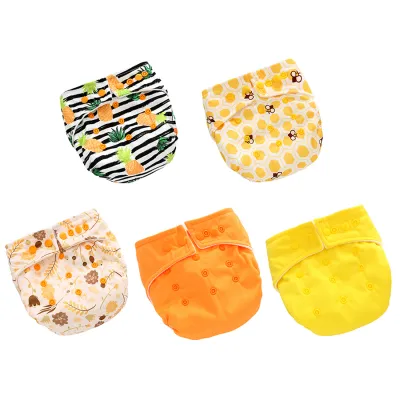
![[SG Seller] Disposable Baby Swimming Diapers Trunk / 5 Packets / Infant Swim Diaper Pants / Cloth Waterproof](https://img.lazcdn.com/g/p/f2015285678421d34766d9a4b41caaab.jpg_400x400q80.jpg_.webp)
Prices are valid at publication and may change. Please refer to the product page for the latest price.
Thermoplastic Polyurethane (TPU) is often marketed as a more eco-friendly alternative to PUL. While it also uses a polyurethane film, the bonding process is different. Instead of chemical solvents, TPU is laminated to the base fabric using heat and pressure. This thermal bonding process reduces the chemical emissions and solvent waste associated with manufacturing. The resulting material is soft, flexible, and waterproof, offering similar performance to PUL but with a slightly lower chemical footprint during production.
Wool is a natural fiber harvested from sheep, offering a completely different approach to waterproofing. Unlike synthetic laminates that block moisture physically, wool relies on its natural structure and the presence of lanolin, a natural wax. When wool is treated with lanolin, it becomes highly water-resistant. The wool fibers absorb moisture up to a third of their weight without feeling wet, while the lanolin repels liquid back into the absorbent diaper core. This makes wool an exceptionally breathable, natural, and effective waterproof cover.
Evaluating the Environmental Impact of Each Material
The environmental impact of diaper materials begins at the manufacturing stage. PUL production is the most chemically intensive of the three. The use of chemical solvents in the lamination process can release volatile organic compounds (VOCs) into the atmosphere if not carefully managed in a closed-loop system. Additionally, the base fabric for PUL is almost always polyester, a petroleum-based synthetic fiber that contributes to fossil fuel depletion and carbon emissions during production.

TPU represents a step forward in synthetic manufacturing. By utilizing heat and pressure instead of chemical solvents for lamination, TPU production reduces the release of harmful chemicals and VOCs. However, like PUL, TPU still relies on a polyester fabric backing and a polyurethane film, meaning it remains tied to the petrochemical industry and carries the environmental weight of synthetic fiber production.
Wool is a renewable, natural resource, making its production phase fundamentally different from synthetics. Sheep farming can be a highly sustainable agricultural practice when managed responsibly, contributing to soil health and biodiversity. However, intensive sheep farming can also lead to overgrazing, land degradation, and methane emissions. Furthermore, the processing of raw wool into usable yarn involves scouring, which requires significant water and can involve harsh chemicals if not managed under strict organic standards.
The durability of a diaper cover directly influences its long-term environmental impact. A cover that lasts through multiple children prevents the need for new manufacturing and reduces waste. PUL is renowned for its durability. It can withstand frequent, high-temperature machine washes, heavy-duty detergents, and even occasional tumble drying without losing its waterproof integrity. This resilience makes PUL covers highly reusable and long-lasting.
TPU is also durable but can be slightly more sensitive to extreme heat and harsh washing conditions than PUL. Over time, exposure to very hot water, bleach, or high dryer heat can cause the thermal bond in TPU to break down, leading to delamination (where the waterproof film separates from the fabric). To maximize the lifespan of TPU covers, caregivers must follow gentler washing guidelines, which may require more line-drying and lower wash temperatures.
Wool covers are exceptionally durable when cared for properly. Because wool is naturally antimicrobial and odor-resistant, it does not need to be washed after every use. A wool cover can simply be aired out between uses and only washed when soiled or when it begins to lose its water resistance. This infrequent washing significantly extends the lifespan of the wool fibers and reduces the overall water and energy consumption of your diapering routine over several years.
What happens to the diaper cover when it is no longer usable is a critical environmental consideration. Wool is a natural protein fiber, making it fully biodegradable and compostable. At the end of its life, a pure wool cover will break down naturally in the soil within a few months, returning nutrients to the earth without leaving behind synthetic residues or microplastics.
PUL and TPU, being synthetic composites, present a major end-of-life challenge. They do not biodegrade and will persist in landfills for hundreds of years. As they slowly degrade, they break down into microplastics, which can contaminate soil and water systems. Currently, there are no widespread recycling programs for laminated synthetic fabrics, meaning almost all PUL and TPU covers will eventually end up in landfills or incinerators.
To navigate the environmental claims of different brands, parents should look for independent, third-party certifications. For synthetic covers (PUL and TPU), look for the OEKO-TEX Standard 100 certification, which guarantees that the finished textile has been tested for harmful substances and is safe for baby’s skin. For wool covers, look for certifications like the Global Organic Textile Standard (GOTS) or the Responsible Wool Standard (RWS), which ensure that the wool was sourced from farms with high animal welfare standards and processed using environmentally responsible methods.
Comparing Leak Protection and Daily Maintenance
When it comes to containing messes, synthetic covers like PUL and TPU offer a highly reliable, absolute physical barrier. Because the polyurethane film is completely non-porous, liquid cannot pass through it. This makes synthetic covers excellent for daytime use, outings, and daycare, where quick and reliable leak protection is essential. However, because they do not absorb moisture themselves, any excess liquid that cannot be absorbed by the inner diaper may leak out around the leg openings if the fit is not perfect.
Wool covers offer a dynamic form of leak protection. Rather than acting as a simple barrier, wool actively works with the diaper system. The inner fibers of the wool can absorb a significant amount of moisture, while the lanolin-treated outer fibers repel liquid. This makes wool incredibly effective at preventing leaks, particularly during long night sleeps when babies wet heavily. The natural elasticity of wool also allows it to conform closely to the baby’s body, reducing the risk of gaps and compression leaks.
The microclimate inside a diaper plays a major role in skin health. Synthetic covers, while waterproof, offer limited breathability. Even though PUL and TPU are designed to allow some moisture vapor to escape, they still trap a significant amount of heat and humidity. This warm, damp environment can irritate sensitive skin and increase the risk of diaper rash and yeast infections, requiring more frequent changes and diaper cream applications.
Wool offers exceptional breathability, allowing air to circulate freely through the fibers. This constant airflow helps regulate the temperature inside the diaper, keeping the baby’s skin dry and cool. By preventing the buildup of heat and moisture, wool covers naturally reduce the occurrence of diaper rash. This makes wool an excellent choice for babies with sensitive skin, eczema, or those prone to frequent diaper rashes.
The daily maintenance routine is where synthetic and natural covers differ most. PUL and TPU covers are designed for maximum convenience. They can be washed in the washing machine alongside the absorbent diaper inserts using standard laundry detergents. They dry quickly on a clothesline or can sometimes be tumble-dried on low heat, depending on the manufacturer’s instructions. This low-maintenance routine is highly practical for busy families.
Wool requires a specialized care routine that some caregivers may find daunting. Wool covers cannot be washed in a standard machine cycle with regular detergent, as this will strip the natural lanolin and cause the wool to felt and shrink. Instead, they must be hand-washed in lukewarm water using a gentle, wool-safe soap. After washing, the covers must be lanolized by soaking them in a solution of warm water and dissolved liquid lanolin. While this process only needs to be done every two to four weeks, it requires a commitment of time and effort that synthetic covers do not.
Decision Framework: Choosing the Right Waterproof Material
You should choose PUL if your primary priorities are convenience, durability, and ease of maintenance. If you have a busy lifestyle, rely on a daycare that requires machine-washable diapers, or simply do not want to add hand-washing to your chore list, PUL is the most practical option. It provides reliable leak protection and can withstand the rigors of frequent, high-temperature washing, making it a highly durable and cost-effective choice for many families.
Choose TPU if you want the convenience and reliability of a synthetic diaper cover but want to minimize the chemical impact of its production. TPU offers the same easy washing routine and excellent leak protection as PUL, but its solvent-free thermal bonding process makes it a cleaner manufacturing choice. It is an excellent option for parents who want a middle ground between synthetic convenience and environmental responsibility.
Choose wool if your top priorities are environmental sustainability, natural materials, and maximum breathability for your baby’s skin. If you are willing to invest a little extra time in hand-washing and lanolizing, wool offers an excellent combination of natural leak protection, skin health benefits, and complete biodegradability. It is a highly effective choice for a plastic-free, zero-waste diapering journey.
Before making your final decision, verify a few key factors. Check your local water hardness, as very hard water can affect how detergents rinse out of synthetic covers and may require adjustments to your wash routine. If you are considering wool, verify that your baby does not have a rare sensitivity to lanolin or wool fibers by testing a single cover first. Additionally, check the manufacturer’s specific care instructions for any cover you purchase to ensure you can accommodate their washing requirements.
Frequently Asked Questions (FAQ)
Are TPU and PUL the same material?
No, TPU and PUL are not the same material, although they share similar characteristics and functions. Both use a polyurethane film to provide waterproofing, but the method used to bond this film to the fabric backing is different. PUL (Polyurethane Laminate) is bonded using chemical solvents, which creates a very strong and durable bond but involves a more chemically intensive manufacturing process. TPU (Thermoplastic Polyurethane) is bonded using heat and pressure, eliminating the need for chemical solvents. This thermal bonding process makes TPU a cleaner, more environmentally friendly manufacturing option, though the resulting material can be slightly more sensitive to high heat during washing and drying.
Do wool diaper covers leak more than synthetic ones?
When properly cared for and lanolized, wool diaper covers do not leak more than synthetic ones and are often highly effective for heavy wetters and overnight use. Synthetic covers act as a simple physical barrier, blocking liquid but absorbing none of it. Wool, on the other hand, is a dynamic material that can absorb up to 30% of its weight in moisture without feeling wet, while the lanolin repels liquid back into the absorbent diaper core. However, wool’s leak protection depends entirely on proper maintenance. If a wool cover is not regularly lanolized, or if the absorbent diaper underneath is completely saturated, moisture can eventually seep through the wool fibers.
Community discussion
Share your experience or ask a question. Comments are reviewed before publication.