
Preventing mildew and stubborn odors in cloth diapers wet bags in Singapore requires a deliberate combination of prompt laundering, active indoor ventilation, and choosing highly breathable waterproof materials. Because Singapore’s relative humidity routinely exceeds 80%, passive air-drying methods that work well in temperate climates often fail here. To keep your diapering accessories hygienic and odor-free, you must avoid leaving soiled items in sealed, stagnant environments for more than 24 hours, and instead implement climate-specific storage and washing habits.
Understanding how tropical moisture interacts with diaper residue is the first step toward protecting your gear. By adjusting your daily routine to account for high ambient humidity, you can extend the lifespan of your wet bags and ensure a safe, sanitary environment for your baby.
Why Singapore's Humidity Causes Mildew and Odors in Wet Bags
Singapore’s tropical climate presents a constant challenge for cloth diaper maintenance. With year-round temperatures averaging between 25°C and 32°C coupled with exceptionally high relative humidity, the local environment acts as a natural incubator for microscopic mold spores and bacteria. When you place a damp, soiled diaper inside a wet bag, you are introducing moisture, warmth, and organic nutrients—the exact three elements required for rapid microbial proliferation.
Products mentioned in this guide
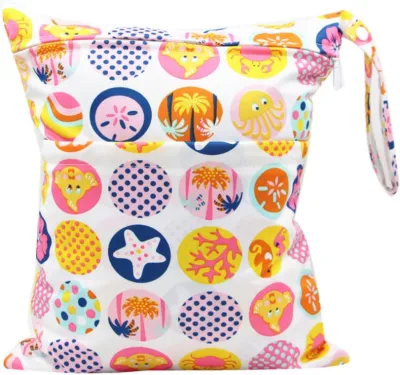
![[SG Ready Stock] Large 36 x 30 cm / 40 x 45 cm Waterproof Reusable Diaper Wetbags Swim Bag Toiletries WBLA [Little Gems SG]](https://img.lazcdn.com/g/p/3f6d7d23a73a4a0840932c0a4301754a.jpg_400x400q80.jpg_.webp)
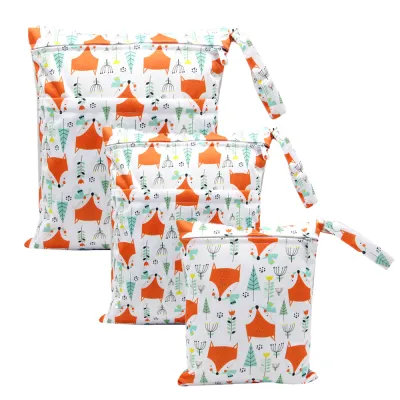

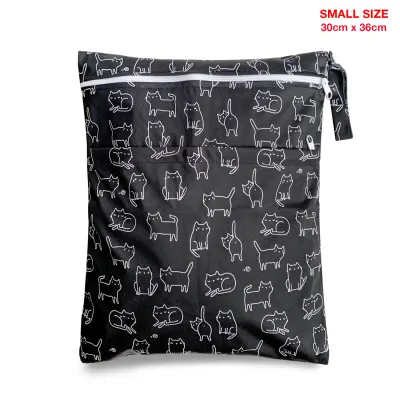
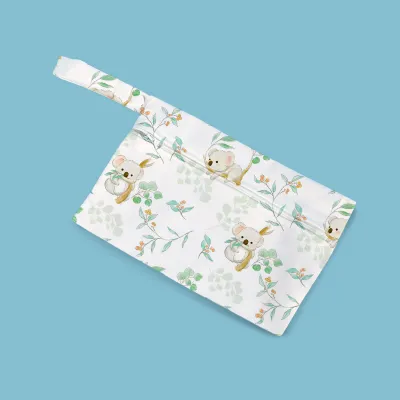
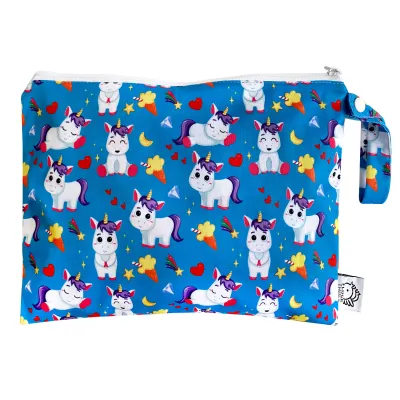
Prices are valid at publication and may change. Please refer to the product page for the latest price.
Under these warm and humid conditions, the urea present in urine quickly breaks down into ammonia through bacterial action. This chemical reaction accelerates significantly when trapped in an enclosed space with zero airflow. Within hours, the interior of a sealed wet bag can reach a state of complete moisture saturation, leading to a sharp, stinging ammonia odor that becomes increasingly difficult to wash out over time.
At the same time, ambient mold spores, which are naturally present in the air, find a perfect breeding ground on the damp fabric surfaces. Unlike in drier climates where moisture evaporates quickly, the saturated air in Singapore prevents passive evaporation. This means the interior of the wet bag remains wet for prolonged periods. If left unmanaged, mold spores germinate and form visible mildew spots in as little as 24 to 48 hours, creating a persistent musty smell and potential skin health risks for your little one.
Standard care instructions written for temperate regions often suggest that wet bags can hold soiled diapers for three to four days before washing. In Singapore, however, this timeline is highly risky. The lack of atmospheric drying capacity means that climate-specific adjustments—such as washing more frequently and maximizing mechanical airflow—are essential to prevent irreversible mildew growth.
Selecting the Best Cloth Diapers Wet Bags for Humid Weather
When shopping for cloth diapers wet bags suitable for a tropical climate, the material composition and construction of the bag are critical factors. Most modern reusable wet bags are constructed from either Polyurethane Laminate (PUL) or Thermoplastic Polyurethane (TPU). While both materials serve as effective waterproof barriers, they are manufactured differently and perform uniquely under humid conditions.

PUL is typically created using a chemical solvent process to bond a thin plastic membrane to a polyester knit fabric, resulting in a highly durable, water-resistant barrier. TPU, on the other hand, utilizes a heat-bonding process that is generally considered more environmentally friendly and often yields a softer, slightly more flexible fabric. Some parents find that high-quality TPU offers marginally better breathability than traditional PUL, which can help slightly reduce heat buildup inside the bag, though both materials require active air circulation to stay dry.
Before purchasing, always check the manufacturer’s care labels and product specifications for details on heat tolerance and breathability. Avoid wet bags that feature thick, plush, or multi-layered fabric linings on the inside, such as non-bonded polyester mesh or cotton layers. While these linings might seem premium, they trap moisture directly against the waterproof laminate. In Singapore’s humid air, these extra layers are incredibly difficult to dry thoroughly, creating hidden damp pockets where mildew can grow completely undetected.
Instead, prioritize single-layer wet bags with heat-sealed or taped seams. Heat-sealing prevents moisture and liquid from seeping through the needle holes of the stitching, which is a common failure point where mold and bacteria tend to colonize. A lightweight, single-ply TPU or PUL bag allows for much faster drying times after washing, which is a major advantage during wet monsoon seasons.
Remember that no waterproof material is inherently mold-proof. Even the most advanced technical fabrics will develop mildew if they are left damp, dirty, and sealed in a dark space. The material you choose simply dictates how easily the bag can be cleaned, how quickly it will dry, and how well it will withstand the frequent washing cycles required in a tropical environment.
Daily and Weekly Cleaning Routines to Prevent Buildup
Establishing a strict daily routine is the most effective defense against odors and mildew. The golden rule for using wet bags in Singapore is to empty them promptly. If you use a wet bag to transport soiled diapers home from daycare or an outing, empty the contents into your laundry system the moment you step through the front door. Leaving soiled diapers zipped inside a wet bag overnight in a warm room is a guaranteed way to trigger ammonia buildup and mold growth.
Once emptied, do not seal the empty wet bag or toss it into a dark, cramped closet. If the bag is not yet dirty enough to wash, hang it completely open in a well-ventilated area, such as a service yard or near an open window, to allow any residual moisture to evaporate. Avoid storing dirty wet bags inside deep, plastic, completely sealed diaper pails. This creates a double-barrier system with zero airflow, compounding the humidity problem. Instead, hang the open wet bag from a hook in an airy room or use a highly breathable, perforated laundry basket.
When it is time to wash, treat your wet bags with the same care as your cloth diapers. Pre-rinse heavily soiled bags in cold water to flush away organic waste and urea before starting the main wash cycle. For the main wash, use a thorough, residue-free laundry detergent. Avoid fabric softeners, optical brighteners, and natural soap-based detergents, as these products leave a fatty chemical film on the waterproof laminate. This residue traps moisture, degrades the bag’s water resistance, and provides a food source for odor-causing bacteria.
Always verify your specific wet bag manufacturer’s washing machine temperature limits. While many high-quality PUL and TPU bags can safely handle warm washes up to 40°C or occasionally 60°C to ensure thorough sanitization, exceeding these limits can melt the waterproof membrane or cause delamination. Delamination occurs when the waterproof film peels away from the fabric backing, rendering the bag useless and creating pockets where bacteria can hide.
Effective Drying Strategies for High-Humidity Environments
Drying your wet bags completely is often the hardest part of the process in Singapore, especially during the Northeast Monsoon when persistent rain and overcast skies are common. To dry wet bags safely and efficiently without risking damage to the waterproof layer, you must adapt your drying setup to maximize evaporation.
If you are line-drying indoors, do not rely on passive ambient air, as the high humidity will keep the fabric damp for too long. Instead, create an active drying environment. Hang your wet bags on a laundry rack in a room with a standing fan pointed directly at them, or place them in a room running a compressor-dehumidifier or an air conditioner. To speed up the process, turn the wet bags completely inside out halfway through the drying cycle. This ensures that both the slick laminated interior and the woven fabric exterior receive direct airflow and dry at an equal rate.
While natural sunlight is a powerful sanitizer and natural bleach, you must exercise caution when drying wet bags outdoors in Singapore’s intense tropical sun. Prolonged exposure to direct, harsh UV rays can degrade and crack the delicate polyurethane laminate over time, causing it to peel and leak. If you choose to dry your bags outdoors, hang them in a shaded, well-ventilated balcony or service yard rather than in direct, midday sunlight, or bring them indoors as soon as they are dry.
Before using a tumble dryer, always consult the product’s care label. If the manufacturer explicitly permits tumble drying, use only the low-heat or air-fluff setting. High heat can instantly warp, melt, or crack the waterproof lining and destroy the heat-sealed seams. If the care label advises against tumble drying, stick strictly to air-drying with mechanical ventilation to preserve the structural integrity of the waterproof barrier.
Troubleshooting Existing Odors and Mildew Spots
If your wet bags have already developed a musty smell or visible dark spots, you need to address the issue immediately before using them again. Mildew typically appears as tiny black, grey, or dark green spots clustered along the seams or on the fabric backing. Ammonia buildup is easily identified by a sharp, stinging chemical odor that becomes prominent when the bag gets damp.
To treat persistent odors or minor mildew spots, start by checking your product’s warranty and care guidelines to see which cleaning agents are permitted. If allowed, a gentle soak in a dilute solution of oxygen-based bleach (sodium percarbonate) can help lift organic stains and kill active mold spores. Alternatively, a mild white vinegar rinse (one cup of white vinegar added to the rinse cycle) can help neutralize alkaline ammonia buildup and refresh the fabric. Always spot-test any treatment on a small, inconspicuous area of the bag first to ensure it does not discolor or damage the material.
Never use standard household chlorine bleach on your wet bags unless the manufacturer’s care instructions explicitly authorize it. Chlorine is highly corrosive and will permanently chemically break down the delicate PUL or TPU membrane, causing it to crack, bubble, and leak. Using unauthorized chlorine bleach will also void almost all manufacturer warranties.
There is, however, a point of no return when troubleshooting damaged wet bags. If you notice that the waterproof laminate is peeling, bubbling, or cracking away from the fabric (delamination), the bag’s structural integrity is compromised. These peeling layers create microscopic pockets that permanently harbor mold spores and bacteria, making them impossible to clean completely. If persistent musty odors or deep-set mold spots remain after targeted cleaning, or if the laminate is visibly damaged, you must discard the bag. Continuing to use a moldy or compromised wet bag can expose your baby’s skin to harmful bacteria and fungal spores, potentially leading to stubborn diaper rashes or skin irritation.
Frequently Asked Questions (FAQ)
Can I use essential oils in the wet bag to mask odors?
No, you should avoid using essential oils in your wet bags. While oils like tea tree or lavender may temporarily mask unpleasant smells, they do not eliminate the bacteria or mold causing the odor. Furthermore, concentrated essential oils can chemically degrade the polyurethane laminate (PUL or TPU) over time, causing the waterproof barrier to crack or peel. These oils can also transfer to your cloth diapers during the wash, leaving a water-repellent residue that causes the diapers to leak. Proper washing and thorough drying are the only safe and effective ways to manage odors.
How many wet bags do I need for a rotation in a humid climate?
In Singapore’s humid climate, it is highly recommended to maintain a rotation of at least 3 to 4 large wet bags if you wash your diapers every other day. Because high humidity significantly prolongs drying times—often requiring 24 hours or more for a bag to air-dry completely indoors—having a larger inventory ensures you never have to rush the drying process. Using a wet bag that is even slightly damp is a major catalyst for rapid mildew growth and bacterial cross-contamination, so always ensure a bag is 100% dry before putting it back into service.
Community discussion
Share your experience or ask a question. Comments are reviewed before publication.