
Selecting the right tummy wrap requires understanding that your body has completely different anatomical needs before and after childbirth. During pregnancy, a support band must act as an upward sling to relieve pressure on your lower back and pelvis without compressing your growing abdomen. Conversely, postpartum recovery demands structured, 360-degree compression to support weakened abdominal walls, stabilize your core, and aid healing. Choosing the wrong type of wrap can lead to discomfort, skin irritation, or even physical strain.
To help you make an informed decision, this guide evaluates the leading tummy wrap brands available in Singapore, comparing their design features, ideal use cases, and limitations. Brands like Momcozy, Belly Bandit, and NeoTech Care offer excellent options for prenatal relief, while Frida Mom, Belly Bandit, and UpSpring provide specialized support for the postpartum transition.
Why Your Needs Change: Pregnancy Support vs. Postpartum Recovery
During pregnancy, your body undergoes profound biomechanical shifts. The production of the hormone relaxin loosens your ligaments to prepare the pelvis for birth, but this also reduces joint stability. As your uterus expands, your center of gravity shifts forward, forcing your lower back to arch excessively to keep you upright. This posture, known as anterior pelvic tilt, places immense strain on your lumbar spine, sacroiliac joints, and pelvic girdle. The primary objective of a pregnancy tummy wrap is to cradle the lower abdomen and lift the weight upward, redistributing the load across your hips and upper back to alleviate round ligament pain and pelvic pressure.
Products mentioned in this guide
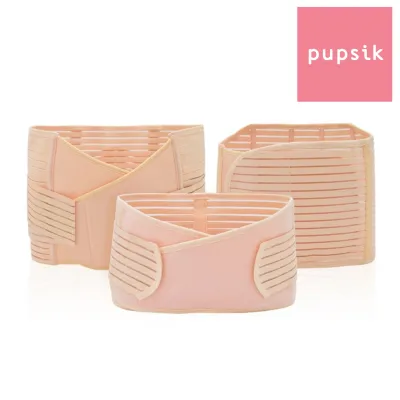
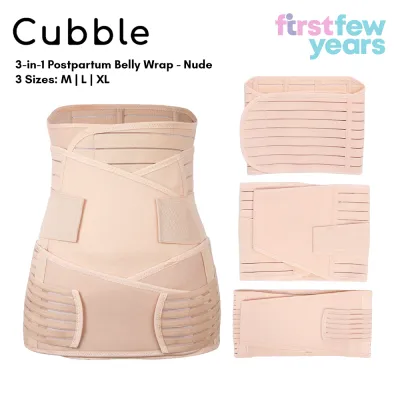
![[SG Stock] Postpartum Belly Wrap Belly Shrink Abdominal Belt Waist Girdle Shaping After C-section and Natural Birth](https://img.lazcdn.com/g/p/3644ab55af001075d9ec5bb10bc45a9d.jpg_400x400q80.jpg_.webp)
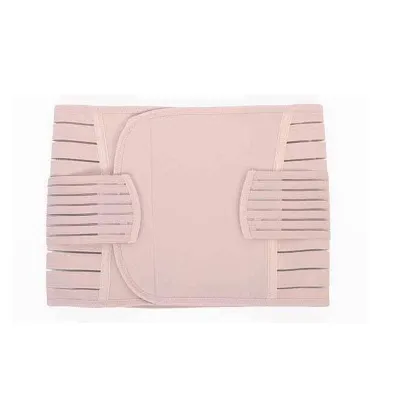
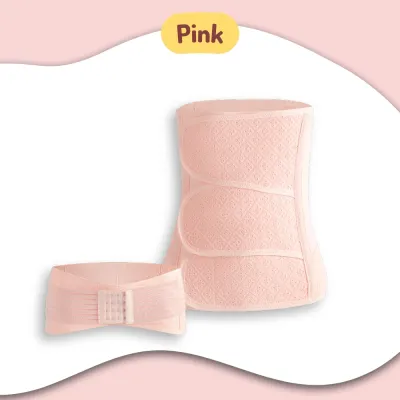
Prices are valid at publication and may change. Please refer to the product page for the latest price.
After delivery, your physical needs invert completely. The sudden empty space in your abdomen leaves your abdominal muscles—particularly the rectus abdominis—stretched, weakened, and lacking structural integrity. Your internal organs must settle back into place, and your uterus needs to contract back to its pre-pregnancy size. A postpartum wrap provides targeted, firm compression around your entire torso. This external pressure stabilizes your core, offers physical support when you lift your baby, and helps reduce swelling by encouraging lymphatic drainage. For those who undergo a Cesarean delivery, gentle compression also protects the incision site from painful friction and movement.
Using these garments interchangeably carries significant physical risks. Wearing a high-compression postpartum wrap during pregnancy is highly dangerous, as it can restrict blood flow to the uterus, compress major blood vessels, and compromise fetal development. On the other hand, using a loose, highly elastic maternity band after birth is ineffective for postpartum recovery, as it fails to provide the structured compression required to support your healing abdominal wall and stabilize your pelvis.
What to Look for Before Buying a Tummy Wrap
Breathability and Climate
Singapore’s hot and humid tropical climate makes fabric selection a critical factor when choosing a tummy wrap. Wearing a thick, non-breathable band while commuting or transitioning between air-conditioned indoor spaces and humid outdoor environments can trap sweat against your skin. This trapped moisture can quickly lead to contact dermatitis, heat rash, or localized yeast infections in skin folds. Look for wraps made from lightweight, moisture-wicking materials such as bamboo-derived viscose, open-weave mesh, or perforated elastic fabrics that facilitate continuous airflow and keep your skin dry.

Adjustability and Fit
Your body shape changes rapidly during both the third trimester and the immediate postpartum weeks. A wrap must offer highly adjustable closure mechanisms to accommodate these shifting dimensions. Multi-panel Velcro straps allow you to customize the tension across different zones of your torso, while seamless pull-on bands offer a smoother profile but less customizable compression. Look for designs that allow for incremental tightening or loosening throughout the day as you transition between sitting, standing, and moving.
Width and Coverage
The width of a tummy wrap determines its supportive capabilities and how the pressure is distributed across your body. Wider bands that cover your entire lower back and extend down over your hips provide comprehensive pelvic girdle support, making them excellent for managing severe pelvic pain. Narrower, contoured bands are often preferred for targeted lower back relief or when you need a discreet option that fits easily under lightweight everyday clothing.
Label and Specification Checks
Do not rely solely on generic marketing claims on packaging. Before purchasing, carefully inspect the manufacturer’s label for exact material composition to ensure it is latex-free and hypoallergenic if you have sensitive skin. Always verify the specific sizing chart provided by the brand, measuring your current dimensions rather than relying on pre-pregnancy clothing sizes, as improper sizing can lead to dangerous pressure points or inadequate support.
Top Tummy Wrap Brands for Pregnancy Back Support
Momcozy: Breathable and Seamless Everyday Support
Momcozy has established a strong reputation for producing accessible, comfortable maternity wear designed for daily use. Their pregnancy support wraps typically focus on seamless, pull-on styles or highly flexible, lightweight bands. These designs prioritize a smooth, non-bulky silhouette that remains virtually invisible under fitted dresses or office wear.
These wraps are best suited for the early to mid-second trimester when the belly is beginning to show, or for mothers seeking mild, all-day support during light household activities or desk work. The soft, stretchy fabrics provide a gentle cradling sensation rather than rigid structural lifting, making them highly comfortable for extended wear.
However, these seamless styles have clear limitations. They do not offer the heavy-duty, highly structured lifting required to manage severe pelvic girdle pain or symphysis pubis dysfunction. Mothers in their late third trimester carrying a heavy load may find the support insufficient for relieving intense lower back strain.
Belly Bandit: Targeted Back and Pelvic Relief
Belly Bandit is widely recognized for its engineered approach to maternity and recovery support. Their pregnancy line, such as the 2-in-1 Bandit, features a structured, multi-strap design that allows mothers to target specific areas of discomfort. By utilizing adjustable tension straps, users can lift the belly upward while simultaneously applying stabilizing pressure to the lower back and pelvis.
This brand is highly suitable for active mothers, those in their third trimester, or individuals experiencing pronounced round ligament pain and lower back fatigue. The targeted lift helps redistribute weight more efficiently, making walking and standing for moderate periods much more manageable.
On the downside, the robust Velcro closures, while highly secure, can easily snag delicate knits and maternity fabrics during washing or wear. Additionally, the multi-layered, thick construction can feel uncomfortably warm when worn outdoors in Singapore’s humid climate, requiring frequent breaks or use primarily in air-conditioned environments.
NeoTech Care: Adjustable and Structured Support
NeoTech Care offers highly adjustable, medical-style maternity support bands that focus on robust structural stability. Their designs typically feature a wide back support panel combined with secondary tension straps that pull forward to secure the band beneath the abdomen, distributing the weight evenly across the lumbar region.
This brand is an excellent choice for mothers who require maximum lumbar support, particularly those with pre-existing back conditions or those experiencing rapid belly growth. The highly adjustable nature of the multi-piece system allows the band to expand continuously alongside the pregnancy, ensuring a precise fit at every stage.
The primary drawback is the bulkiness of the design. The multiple overlapping layers and heavy-duty panels make it difficult to conceal under lightweight or fitted clothing. Furthermore, because of the complex multi-strap system, readers must carefully consult the manufacturer’s sizing instructions and application diagrams to avoid incorrect positioning, which can place improper pressure on the bladder.
Top Tummy Wrap Brands for Postpartum Recovery
Frida Mom: Gentle Compression and C-Section Friendly
Frida Mom focuses heavily on the immediate postpartum recovery window with products designed to address physical vulnerability. Their postpartum belly wrap features soft, medical-grade, breathable materials and a multi-panel design that allows mothers to adjust compression levels across different zones of the abdomen.
This wrap is highly recommended for the first few weeks following childbirth, particularly for mothers recovering from a Cesarean delivery. The interior lining is designed to be exceptionally soft, minimizing friction against sensitive skin and healing C-section incisions. It provides gentle, protective compression that helps mothers feel secure during early movements like standing up or coughing.
However, because it is engineered for early-stage healing and comfort, it does not provide the rigid, high-level core compression that some mothers seek for long-term abdominal wall binding or intense core rehabilitation months after birth. It is a transitional recovery tool rather than a long-term shaping garment.
Belly Bandit: Core Rehabilitation and Abdominal Support
Belly Bandit’s postpartum collection, including popular models like the Original and the B.F.F. (Body For Life) wrap, is designed to provide firm, structured compression to support the abdominal wall and lower back. These wraps utilize thick, high-power elastic bands that apply consistent pressure to help the uterus contract and support weakened core muscles.
These wraps are highly suitable for mothers recovering from vaginal deliveries or those managing diastasis recti (abdominal separation) as part of a structured physical therapy program. The firm support helps stabilize the torso, making it easier to maintain proper posture while carrying the baby or performing light daily tasks.
However, the intense compression can be highly uncomfortable if applied too tightly or too soon after birth, particularly following a C-section where direct pressure on a fresh wound must be avoided. Users must strictly adhere to the manufacturer’s recommended wearing schedule and avoid over-tightening, which can inadvertently increase downward pressure on the pelvic floor.
UpSpring: Posture Correction and Back Focus
UpSpring offers innovative postpartum recovery garments, such as the Shrinkx Belly wrap, which combine core compression with a focus on upper back support and posture correction. Some of their designs incorporate higher waistlines or supportive back panels designed to counteract the forward-slumping posture common during breastfeeding.
This brand is ideal for postpartum mothers who spend long hours nursing, pumping, or carrying their infant and consequently experience significant upper back and neck strain alongside abdominal weakness. The structured back elements serve as a physical reminder to sit upright, reducing strain on the thoracic spine.
The limitation lies in the complexity of the design. The higher-cut panels and multiple adjustment straps can make the wrap cumbersome to put on independently and less comfortable for lounging or sleeping. The structured elements may also feel restrictive if worn continuously without adequate rest periods.
Quick Comparison: Pregnancy vs. Postpartum Wraps
The table below provides a quick reference to help you compare the primary design features and best use cases for each recommended brand.
| Brand / Product Line | Primary Stage | Key Design Feature | Best Suited For |
|---|---|---|---|
| Momcozy | Pregnancy | Seamless, pull-on, lightweight fabric | Early to mid-pregnancy; mild, discreet everyday support |
| Belly Bandit (Maternity) | Pregnancy | Multi-strap, targeted lift panels | Active mothers; third-trimester pelvic and round ligament relief |
| NeoTech Care | Pregnancy | Wide lumbar panel with double tension straps | Maximum lower back support; rapid abdominal growth |
| Frida Mom | Postpartum | Soft, medical-grade, multi-panel compression | Immediate postpartum recovery; gentle C-section incision protection |
| Belly Bandit (Postpartum) | Postpartum | Firm, high-power elastic compression bands | Vaginal delivery recovery; diastasis recti support; firm core stabilization |
| UpSpring | Postpartum | High-waist compression with posture-correcting panels | Mothers experiencing nursing-related upper back strain and core weakness |
Note: Individual body shapes and recovery timelines vary significantly. Always measure your current dimensions and consult the manufacturer’s specific sizing guide before purchasing. Ensure you check the material specifications if you have known skin sensitivities.
Safety, Fit, and When to Consult a Doctor
Proper Fit and Tension
A tummy wrap should always feel like a supportive hug, never a restrictive bind. If you experience shortness of breath, acid reflux, dizziness, or numbness and tingling in your legs or pelvic region, the wrap is adjusted too tightly and must be loosened or removed immediately. It should support your muscles, not replace their function.
Time Limits
Avoid wearing any compression wrap 24 hours a day. Overusing these garments can cause your core and back muscles to become dependent on the external support, leading to muscle atrophy and further weakness. Limit wear to active hours—typically capped at 2 to 6 hours daily, depending on comfort—and always remove the wrap before sleeping or resting to allow your skin to breathe and your muscles to engage naturally.
Medical Red Flags
Stop using the wrap immediately and consult a healthcare professional if you experience increased pain, skin irritation, redness, bleeding, or if you notice worsening pelvic floor symptoms such as urinary incontinence or a feeling of heaviness in the pelvis.
Specific Conditions
Mothers with high-risk pregnancies, preeclampsia, unhealed surgical wounds, or a history of pelvic organ prolapse must obtain explicit medical clearance from their obstetrician or a pelvic floor physiotherapist before using any support garment. Always read the product’s instruction manual and follow the manufacturer’s specific guidelines.
Frequently Asked Questions (FAQ)
Can I use a postpartum wrap during pregnancy?
No. Postpartum wraps are engineered to provide firm, restrictive compression to help the abdominal wall recover. Wearing a postpartum wrap during pregnancy can restrict blood flow to the uterus, compress major blood vessels, and interfere with fetal development. Always use a dedicated maternity support band designed to lift rather than compress.
How many hours a day should I wear a tummy wrap?
Generally, tummy wraps should be worn during active hours when you are standing, walking, or carrying your baby, typically capped at 2 to 6 hours per day. They should always be removed for sleeping and resting to prevent muscle dependency and skin irritation. Always defer to the manufacturer’s specific instructions and your healthcare provider’s advice.
Do I need a doctor's approval before using a maternity support band?
While many individuals with low-risk pregnancies can safely use mild maternity bands, it is highly recommended to consult your obstetrician or a pelvic floor physiotherapist first. This is especially critical if you have a history of high-risk conditions, severe pelvic pain, pre-existing back injuries, or are recovering from a surgical birth.
Community discussion
Share your experience or ask a question. Comments are reviewed before publication.