
At three years old, toddlers are highly active, rapidly developing their motor skills, and transitioning toward independent drinking habits. If your child still relies on a milk bottle for comfort, nutrition, or specific bedtime routines, choosing the right material is essential for safety, durability, and hygiene. PPSU (polyphenylsulfone), Tritan, and silicone are the three leading materials used in modern toddler drinkware, each offering distinct physical properties. The ideal choice depends on your daily cleaning methods, how often the bottle is dropped on hard surfaces, and your willingness to monitor and replace worn-out parts. By understanding how these materials perform under heat, impact, and daily wear, you can make an informed decision that aligns with your household routine and keeps your toddler safe.
When selecting a bottle for this age group, always verify the manufacturer’s age recommendations, weight or size ranges, and specific methods of use. Active toddlers require close caregiver supervision during feeding to prevent accidental falls while holding a bottle. Furthermore, prolonged bottle use past toddlerhood can impact oral development, so it is always wise to consult a pediatric dentist or pediatrician if you have concerns about your child’s transition to cups.
Understanding the Core Materials: PPSU, Tritan, and Silicone
To choose the best milk bottle for a three-year-old, it helps to understand what these materials are and how they look and feel. PPSU is a high-performance medical-grade plastic known for its distinct natural amber or honey-colored tint. It is highly rigid, lightweight, and exceptionally durable under high temperatures. When holding a PPSU bottle, you will notice it does not have the crystal-clear transparency of glass, but its structural strength makes it a popular premium choice for parents who sterilize bottles frequently.
Products mentioned in this guide
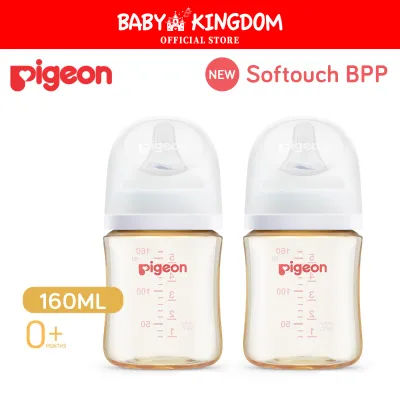
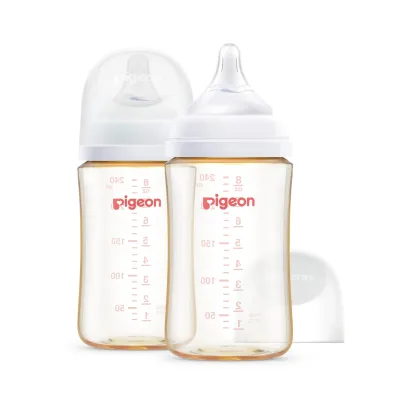
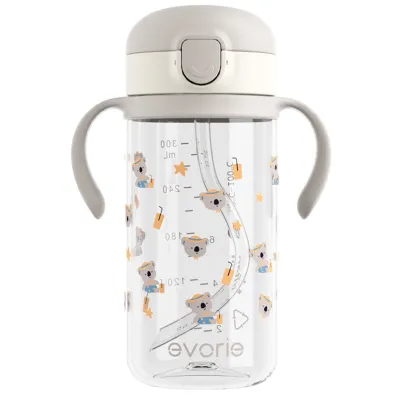
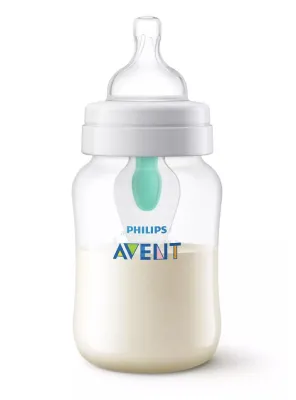
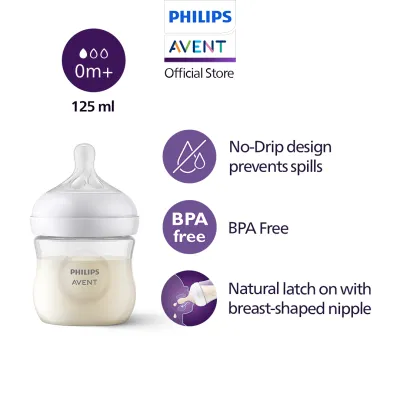
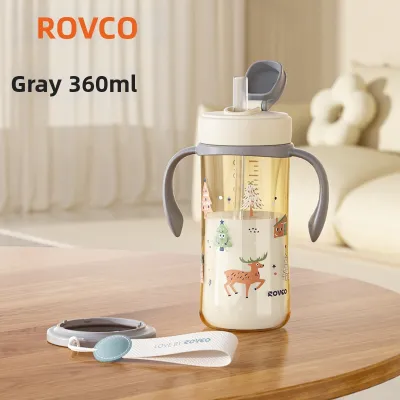
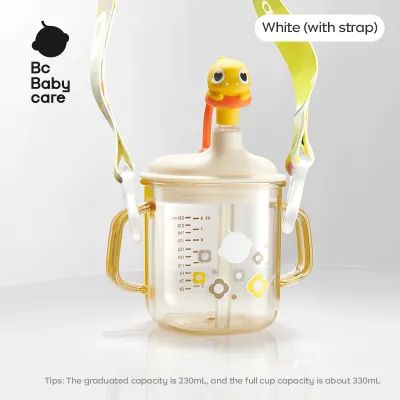
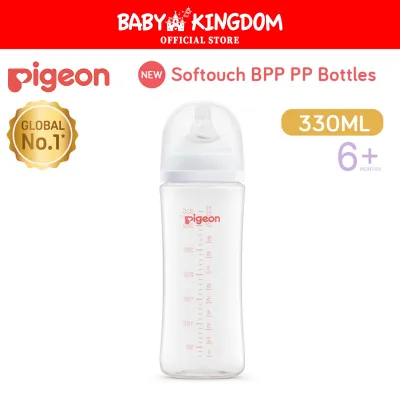
Prices are valid at publication and may change. Please refer to the product page for the latest price.
Tritan, on the other hand, is a co-polyester material designed to mimic the appearance of glass without the heavy weight or fragile nature. It is completely transparent, allowing you to easily monitor the volume and mixing of the milk inside. Tritan is rigid and lightweight, making it easy for a three-year-old to grip and carry independently during active play.
Silicone is entirely different from both PPSU and Tritan, as it is a flexible, rubber-like elastomer rather than a rigid plastic. It has a soft, matte, and slightly textured surface that provides an excellent grip for small hands. Silicone bottles are semi-translucent or opaque and can be squeezed, which some toddlers find comforting or engaging. When shopping, look for clear labeling on the packaging indicating the specific material used, such as “100% food-grade silicone” or “BPA-free Tritan,” to ensure you are getting the authentic material.
Temperature tolerances vary significantly among these three options, and verifying these limits on the manufacturer’s packaging is crucial. PPSU typically boasts a high heat resistance, often up to 180 degrees Celsius, making it highly compatible with various sterilization methods. Tritan generally has a lower heat tolerance, often capped around 90 to 100 degrees Celsius, meaning it may warp or degrade if subjected to extreme steam or boiling. Food-grade silicone is highly heat-resistant, often tolerating temperatures well over 200 degrees Celsius, though the plastic collars and caps attached to the bottle will have lower limits that you must verify.
Evaluating Safety and Chemical Stability
Safety is the primary concern for any parent, especially when a bottle is subjected to repeated heating and washing. When evaluating PPSU, Tritan, and silicone, the first step is to verify that the product is certified free from bisphenol A (BPA), bisphenol S (BPS), and phthalates. These chemical compounds, historically found in some plastics, can mimic hormones and are highly undesirable in children’s feeding products. Look for prominent “BPA-Free” and “BPS-Free” labels on the retail box or the manufacturer’s official website.

Chemical stability under heat is another critical factor to consider. When plastics are exposed to high temperatures during preparation or cleaning, there is a potential risk of material degradation or the shedding of microplastics. PPSU is highly stable and does not easily degrade or leach chemicals even after hundreds of high-heat sterilization cycles. Tritan is also chemically stable at room temperature and moderate heat, but because of its lower thermal threshold, exposing it to boiling water or high-heat steam sterilizers can accelerate material breakdown. Silicone is highly inert, meaning it does not react with food or liquids, and it maintains its chemical stability across a very wide temperature range.
To ensure the highest safety standards, always check for recognized food-contact compliance marks on the packaging. Look for certifications such as US Food and Drug Administration (FDA) compliance or European LFGB standards, which are particularly stringent for silicone products. In warm, humid climates like Singapore’s, where milk can spoil quickly if bottles are not thoroughly cleaned, choosing a chemically stable material that can withstand proper sanitization without degrading is key to maintaining a hygienic feeding environment.
Drop-Resistance and Durability for Active Toddlers
A three-year-old’s daily routine is filled with movement, and bottles are frequently dropped, tossed, or knocked off tables onto hard floors, such as ceramic tiles or vinyl planks. Therefore, drop-resistance is a major factor in determining the longevity of a toddler’s milk bottle. Silicone is the undisputed leader in pure impact absorption; because of its flexible, rubbery nature, a silicone bottle will simply bounce when dropped, with zero risk of cracking, shattering, or chipping.
PPSU is also exceptionally durable and shatterproof compared to traditional glass or standard polypropylene (PP) plastics. While it is rigid, its molecular structure is highly resistant to high-impact shocks, meaning it can survive repeated drops onto concrete or tile floors without breaking. Tritan is durable and highly impact-resistant when new, but it is more rigid than PPSU and can develop stress fractures or crack over time if repeatedly dropped from significant heights onto hard surfaces.
Scratch resistance is another aspect of durability that directly impacts hygiene. Rigid plastics like PPSU and Tritan can develop fine scratches on the inner and outer surfaces over time, especially if you use stiff-bristled bottle brushes or abrasive cleaning pads. These microscopic scratches can become breeding grounds for bacteria and milk residues that are difficult to clean. Silicone is highly resistant to scratching from brushes, but it is susceptible to punctures or tears from sharp objects, including a toddler’s developing teeth if they chew on the bottle body or nipple.
Regularly inspect your child’s bottles for structural integrity. Look closely for physical signs of wear such as deep scratches, hairline cracks, persistent cloudiness, or a sticky texture on silicone surfaces. If you observe any of these signs, it is time to stop use and replace the bottle immediately to prevent bacterial contamination or physical failure during use.
Longevity, Cleaning, and Daily Maintenance
The effort required to clean and maintain a milk bottle plays a huge role in its practical lifespan. Sterilization habits vary by household, but for a three-year-old, thorough washing with warm soapy water is generally sufficient, followed by occasional sterilization. Before using steam, boiling water, or a dishwasher, always check the manufacturer’s instructions for the maximum temperature limit of every component, including the bottle body, collar, cap, and nipple.
UV sterilizers have become highly popular in modern kitchens, but they can affect materials differently. While UV light is highly effective at sanitizing, prolonged exposure to UV radiation can accelerate the aging process of certain plastics, causing Tritan and PPSU to become brittle, yellow, or cloudy over time. Silicone is generally highly resistant to UV degradation, but you should still verify the manufacturer’s guidelines regarding UV sterilization compatibility.
Stain and odor retention are common issues with toddler drinkware. Silicone is a porous material, meaning it can absorb milk fats, pigments, and strong odors over time. If a silicone bottle is left unwashed for several hours, it may retain a sour milk smell or become stained by colored beverages like juices or smoothies. Tritan and PPSU are non-porous and highly resistant to staining and odor absorption, making them easier to keep smelling fresh, provided they are washed promptly after use.
Regardless of the material you choose, no bottle lasts forever. As a general guideline, rigid plastic bottles like PPSU and Tritan should be evaluated for replacement every six to twelve months of heavy use, or sooner if they show signs of degradation. Silicone bottles can last longer due to their chemical inertness, but the soft nipples and any silicone body parts should be replaced immediately if they become sticky, discolored, torn, or stretched out.
Decision Framework: Choosing the Right Bottle for Your Child
To make the final decision, consider your child’s behavior, your sterilization habits, and your budget. This framework helps you match the material to your specific household needs:
- Choose PPSU if you prioritize maximum heat tolerance, plan to use steam or boiling water sterilization frequently, and want a highly durable, rigid bottle that resists scratches and odors over a long period. This is often a higher initial investment in S$ terms, but its long lifespan under high-heat conditions offers excellent long-term value.
- Choose Tritan if you prefer a lightweight, crystal-clear bottle that looks like glass, allows you to easily see the contents, and comes at a more accessible price point. Tritan is ideal for families who do not rely on high-heat sterilization and prefer a lightweight option for on-the-go hydration.
- Choose Silicone if your toddler is highly active, frequently drops or throws their bottle, and prefers a soft, squeezable texture. It is virtually indestructible under impact and highly heat-resistant, though you must be prepared to wash it promptly to prevent odor and stain retention.
Before purchasing, always verify if your child has specific sensory preferences, as some toddlers who are used to rigid bottles may reject the soft feel of silicone, or vice versa. Additionally, double-check that the bottle’s temperature limits align with your existing kitchen appliances, such as your dishwasher or sterilizer, to avoid accidental warping or damage.
Frequently Asked Questions (FAQ)
When should I transition my 3-year-old from a bottle to an open cup?
Most pediatricians and dental professionals recommend transitioning away from traditional baby bottles around twelve to eighteen months of age to support proper oral development and prevent tooth decay. By age three, your child has the motor skills required to use an open cup or a straw cup. If your toddler is still attached to their bottle, you can transition gradually by introducing straw cups or spoutless training cups during meals, reserving the bottle only for morning or bedtime milk, and eventually replacing it entirely with a toddler-friendly open cup.
Can I use the same bottle material for both hot and cold drinks?
Yes, you can generally use PPSU, Tritan, and silicone for both warm and cold beverages, but you must always check the manufacturer’s specific temperature limits first. While these materials do not suffer from thermal shock in the way glass does, pouring boiling liquids directly into any bottle is a safety hazard that can cause severe burns or warp the material. Always allow hot liquids to cool to a safe, warm drinking temperature before filling the bottle, and verify that the bottle cap and collar are securely tightened to prevent leaks.
Community discussion
Share your experience or ask a question. Comments are reviewed before publication.