
There is no single “best” baby bottle material; the right choice depends on your baby’s age, feeding environment, and daily routine. PPSU offers a strong balance of durability and lightweight handling, making the Pigeon PPSU 240ml a popular middle-ground choice for active families. Glass remains a premium option for home use, while standard plastic serves as a budget-friendly alternative. This guide compares these materials to help you decide if the Pigeon PPSU 240ml fits your specific feeding needs.
When preparing for a new addition to the family, selecting the right feeding equipment can feel overwhelming. Caregivers must balance safety, convenience, and longevity, especially when navigating the wide array of bottle materials available on the market. In Singapore’s fast-paced environment, where families are often on the move between home, infant care centres, and outdoor activities, the physical characteristics of a baby bottle can significantly impact your daily routine.
While many parents start with a mix of different bottle types, most eventually settle on a material that aligns with their sterilization habits and lifestyle. Understanding the distinct properties of Polyphenylsulfone (PPSU), borosilicate glass, and Polypropylene (PP) plastic is the first step toward making an informed decision that supports your baby’s developmental stages and your household’s daily workflow.
Products mentioned in this guide
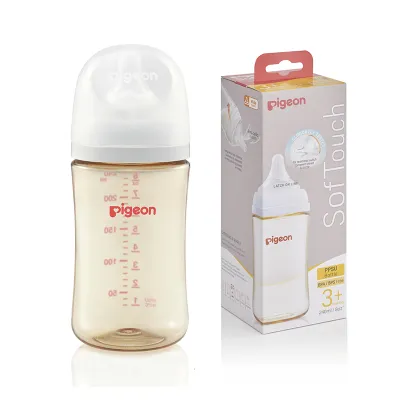
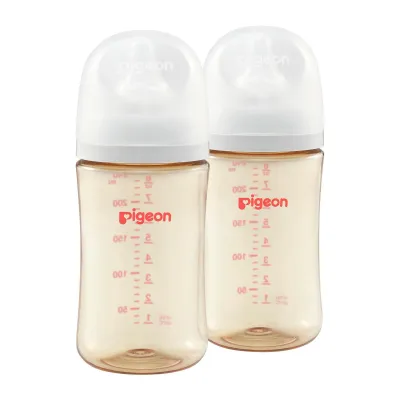
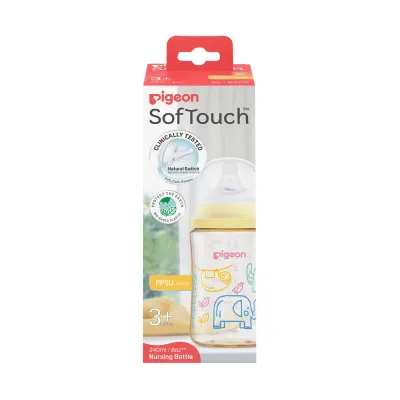
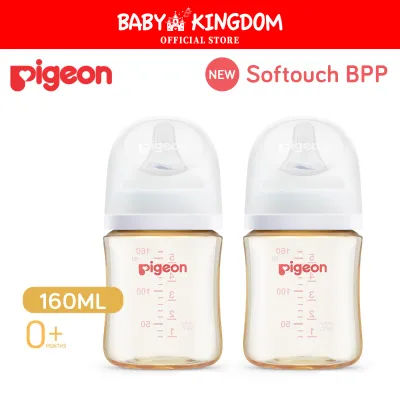
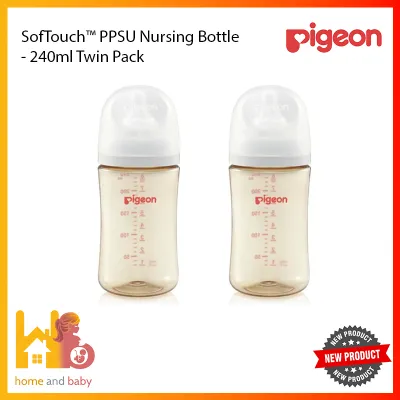
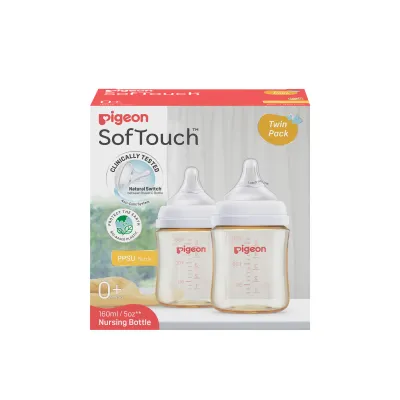
Prices are valid at publication and may change. Please refer to the product page for the latest price.
Material Showdown: PPSU vs Glass vs Standard Plastic
To choose the right bottle, it is essential to compare how these three primary materials perform across key practical categories. Each material presents distinct trade-offs in terms of weight, durability, heat tolerance, and overall value over time.
Weight and grip play a crucial role in both caregiver comfort and your baby’s motor skill development. Glass bottles are significantly heavier, which can cause hand fatigue during long, late-night feeding sessions. This weight also makes it difficult for older babies to hold the bottle independently as they transition to self-feeding. In contrast, both standard plastic (PP) and PPSU are exceptionally lightweight, allowing babies to grasp and tilt the bottle with minimal effort once they reach the appropriate developmental stage.
Durability and shatter resistance are major safety considerations in a busy household. Glass bottles offer excellent scratch resistance, meaning they do not easily degrade or trap bacteria over time. However, they carry a constant risk of chipping or shattering if dropped on hard kitchen tiles or outdoor pavements. Standard plastic is shatterproof but highly susceptible to surface scratches. PPSU bridges this gap by offering the shatterproof safety of plastic combined with a highly durable molecular structure that resists scratching far better than standard PP.
Heat tolerance determines how well a bottle withstands frequent cleaning and sterilization. Glass has excellent thermal properties but can crack if subjected to sudden, extreme temperature changes (thermal shock). Standard PP plastic typically has a lower heat resistance, often capped around 110°C, which can limit its compatibility with intensive sterilization cycles. PPSU boasts a very high heat resistance, often up to 180°C, making it highly compatible with boiling, steam, and most standard sterilization methods. However, caregivers should always verify specific manufacturer guidelines regarding UV sterilizer compatibility, as prolonged UV exposure can sometimes accelerate the aging of certain plastics.
Cost and lifespan represent the final piece of the comparison. Standard PP bottles are highly affordable upfront, but they degrade quickly, often becoming cloudy or scratched within a few months of daily use and requiring frequent replacement. Glass bottles can last indefinitely if handled carefully, but they require a higher initial investment and carry the cost of accidental breakage. PPSU bottles sit at a premium price point upfront—often ranging from S$20 to S$35 depending on the retailer—but their long-term durability and resistance to wear mean they often require fewer replacements, making them a highly cost-effective choice over several months of active use.
Evaluating the Pigeon PPSU 240ml Bottle for Daily Use
Evaluating a specific bottle requires looking beyond the raw material to see how the product design fits into your baby’s feeding progression. The Pigeon PPSU 240ml bottle is designed to address the needs of growing babies who require larger feeding volumes than newborns.

A capacity of 240ml (approximately 8 ounces) is generally ideal for babies aged three to six months and older. At this stage, a baby’s appetite increases, and a smaller 160ml bottle may no longer hold a full feed, leading to interrupted sessions and extra preparation time. Using a 240ml bottle ensures you can prepare a complete feed in a single container, though caregivers should monitor their baby’s feeding cues to avoid overfeeding or excessive milk waste.
The physical traits of the Pigeon PPSU bottle are immediately recognizable by its natural amber or honey-colored tint. This distinct coloration is a natural characteristic of high-grade PPSU material and is not a result of artificial dyes or chemical additives. The bottle’s ergonomic shape is designed to be easy for parents to hold and comfortable for older infants who are beginning to explore holding their own bottle under close adult supervision.
Nipple compatibility is another critical factor when choosing a bottle system. The Pigeon PPSU 240ml bottle is typically paired with the brand’s proprietary wide-neck nipples, which are designed to mimic the natural latching motion of breastfeeding. When purchasing, caregivers must check the packaging to identify the specific nipple flow rate included (such as medium, fast, or variable flow) and ensure it matches their baby’s current developmental stage. Using a flow rate that is too fast can cause choking or gas, while a flow rate that is too slow can lead to frustration and fatigue.
Before introducing any new bottle to your routine, always perform a thorough physical inspection. Check the base of the bottle and the accompanying packaging for exact temperature limits, manufacturer warnings, and age recommendations. This step ensures that the bottle is fully compatible with your home’s specific sterilization equipment and your baby’s current feeding requirements.
Decision Framework: Which Material Fits Your Routine?
To finalize your choice, consider how each material aligns with your daily lifestyle, feeding locations, and sterilization preferences. This framework helps categorize which option serves your household best.
You should choose PPSU, such as the Pigeon 240ml bottle, if your daily routine involves frequent travel, daycare drop-offs, or active outings. Its lightweight nature makes it easy to pack multiple bottles into a diaper bag without adding unnecessary weight. It is also the ideal choice if your baby is transitioning to holding their own bottle, as it will not shatter if dropped from a high chair or stroller onto a hard surface.
You should choose Glass if you primarily feed your baby at home and prioritize a material that is highly resistant to scratching and odors. Glass is excellent for parents who prefer a traditional, highly stable material and do not mind the extra weight or the need for careful handling during washing and feeding sessions.
You should choose Standard Plastic (PP) if you are looking for a budget-friendly, short-term option, or if you need backup bottles to keep at a relative’s house for occasional use. Because PP bottles degrade faster under high heat, you must be prepared to inspect and replace them more frequently than PPSU or glass alternatives.
Regardless of the material you choose, always verify compatibility first if your baby has specific feeding challenges, such as severe colic or latching difficulties. In such cases, consulting a pediatrician or a certified lactation consultant is recommended to ensure the bottle and nipple design support your baby’s oral development. Additionally, check that your sterilization equipment does not have specific material restrictions that could cause premature wear to your chosen bottles.
Care, Cleaning, and Replacement Guidelines
Proper maintenance is essential to ensure the safety and longevity of your baby’s feeding equipment. Implementing a consistent cleaning and inspection routine helps protect your baby from bacteria and ensures the structural integrity of the bottles.
When cleaning and sterilizing, always follow the manufacturer’s exact instructions regarding temperature limits and approved methods. Use a mild, baby-safe detergent and a soft sponge or silicone bottle brush. Avoid using abrasive nylon wire brushes or harsh scouring pads, as these can create micro-scratches on the inner walls of plastic and PPSU bottles. These tiny scratches can become breeding grounds for bacteria and make the bottle more difficult to clean thoroughly over time.
Establish a daily inspection routine before every single feeding session. Hold the bottle up to the light and check for any signs of physical damage. For glass bottles, look closely for hairline cracks, chips around the rim, or deep scratches. For PPSU and standard plastic bottles, inspect the surface for persistent cloudiness, a sticky texture, or deep scratches that do not wash clean.
Recognizing clear replacement triggers is vital for maintaining a safe feeding setup:
- PPSU Bottles: Replace the bottle if you notice deep scratches, persistent cloudiness that does not resolve after washing, or if the plastic begins to feel sticky to the touch.
- Glass Bottles: Discard and replace the bottle immediately if you detect any chips, cracks, or deep structural scratches, as these compromise the bottle's strength and pose a severe safety risk.
- Standard Plastic (PP) Bottles: Replace these bottles every few months, or sooner if they become heavily scratched, cloudy, or retain stubborn odors.
- Nipples: Silicone nipples generally require replacement every one to two months due to wear from biting and stretching. Replace them immediately if they become sticky, discolored, torn, or if the milk flows out in a continuous stream instead of steady drops.
As a final safety rule, always supervise your baby during every feeding session. If a bottle is dropped or subjected to a hard impact, stop use immediately and inspect it thoroughly for stress marks or damage. If you notice any changes in your baby’s feeding behavior, or if you suspect the bottle system is causing discomfort, consult a healthcare professional for personalized guidance.
Frequently Asked Questions (FAQ)
Can I mix PPSU and glass bottles in the same sterilizer?
Yes, you can generally sterilize PPSU and glass bottles together in the same steam or boiling water sterilizer, as both materials possess high heat resistance. However, you must always verify the maximum temperature limits specified in your sterilizer’s manual and compare them with the bottle manufacturer’s guidelines. Ensure that the heavier glass bottles are positioned securely so they do not tip over and damage the lighter PPSU bottles during the sterilization cycle.
Why does my PPSU bottle look yellow or honey-colored?
The amber, yellow, or honey-colored tint of a PPSU bottle is completely natural and is a characteristic of the raw Polyphenylsulfone material itself. It is not a sign of staining, chemical leaching, or product degradation. However, caregivers should still distinguish this natural amber tint from cloudy discoloration, stubborn milk-fat residue, or a sticky texture, which are indicators that the bottle has reached the end of its usable lifespan and should be replaced.
How often should I replace the Pigeon PPSU 240ml bottle?
There is no fixed calendar timeline for replacing a PPSU bottle, as its lifespan depends heavily on your daily usage, cleaning methods, and sterilization frequency. Instead of relying on a set number of months, perform regular visual and tactile inspections. You should replace the bottle immediately if you observe deep scratches, persistent cloudiness, structural warping, or a sticky surface texture. Always refer to the manufacturer’s packaging for specific guidelines regarding product care and replacement intervals.
Community discussion
Share your experience or ask a question. Comments are reviewed before publication.