
Transitioning your child from a breast or infant bottle to an independent water bottle is a major developmental milestone. As you browse local baby boutiques and online marketplaces in Singapore, you will likely encounter bottles made from a distinct, honey-colored plastic known as PPSU. Parents frequently wonder whether this premium material justifies its higher cost and, more importantly, whether it is entirely safe for daily hydration.
PPSU, or polyphenylsulfone, is a medical-grade thermoplastic celebrated for its extreme durability, high heat tolerance, and resistance to impact. Unlike standard plastics that may degrade or release chemicals under high temperatures, PPSU is designed to withstand rigorous sterilization processes without losing its structural integrity. However, ensuring the safety of a specific baby water bottle requires looking beyond the material name to verify manufacturer certifications, age-appropriate designs, and proper maintenance habits.
What Is PPSU and Why Is It Used in Baby Products?
To understand why PPSU has become a staple in premium baby care, it helps to look at its origins in demanding industrial fields. Manufacturers select polyphenylsulfone for medical instruments, aerospace components, and food-processing equipment because it tolerates repeated exposure to high-temperature steam. When applied to baby water bottles, this material provides a lightweight, shatterproof alternative to glass that does not easily scratch or retain odors.
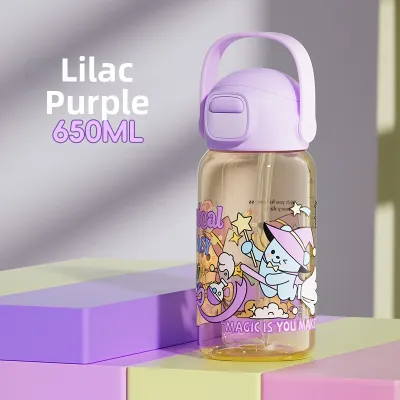
Products mentioned in this guide
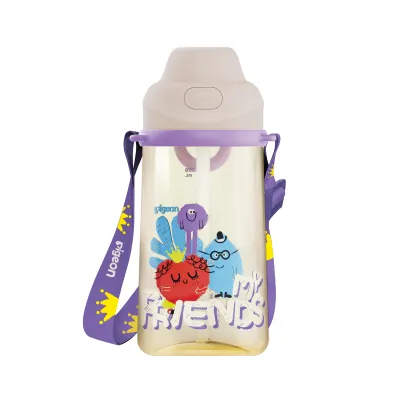
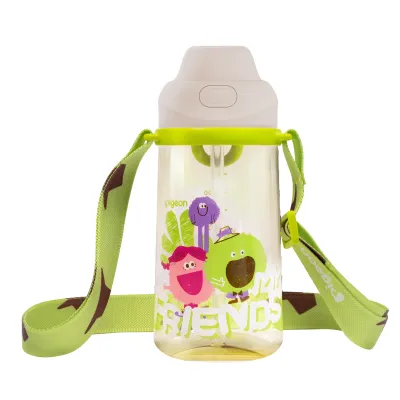
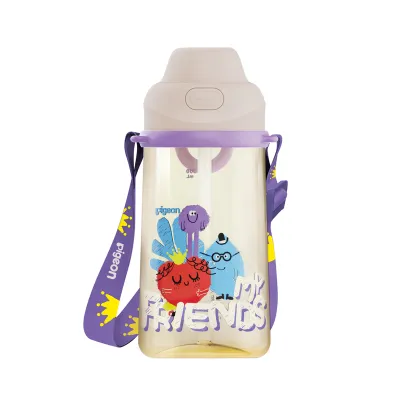
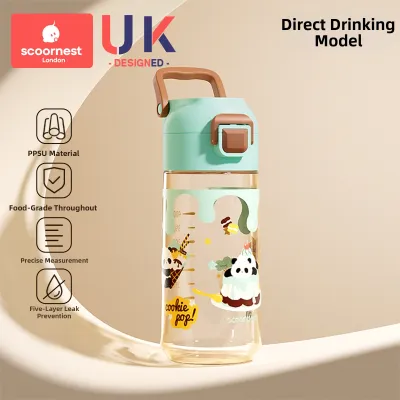
![[Korea]🇰🇷AUTHENTIC Grosmimi KIDS TUMBLER Stainless steel PPSU with HAND STRAP Silicone cover 300ml Dotgom Cherrish Olive korean bottle wide neck](https://img.lazcdn.com/g/p/098251eebf5a31e2cf5067ecbb7e7be8.png_400x400q80.png_.webp)
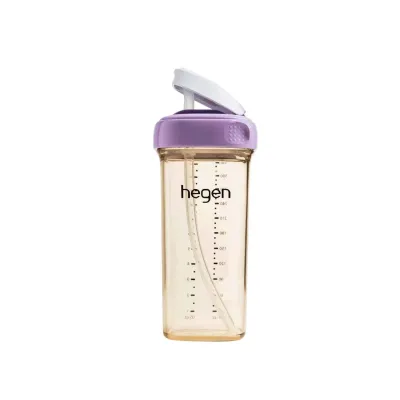
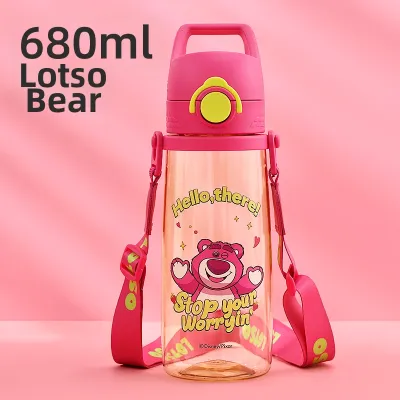
Prices are valid at publication and may change. Please refer to the product page for the latest price.
One of the most recognizable features of PPSU is its natural appearance. Unlike clear polypropylene or glass, raw PPSU has a distinct amber, golden, or honey-like tint. If you see a baby bottle that is completely transparent or colored without a base amber hue, it is likely made of a different plastic, such as PP or Tritan. This natural coloration is a helpful visual cue for parents seeking genuine PPSU products.
While the raw material possesses excellent physical properties, the final product’s quality depends heavily on the manufacturing process. When shopping, always check the product packaging or the manufacturer’s official documentation for details regarding the material grade and origin. Reputable brands will clearly state where the bottle was manufactured and provide transparent information about their quality control standards.
Assessing PPSU Safety for Baby Water Bottles
Safety is the primary concern for any parent, especially when selecting items that come into direct contact with a child’s drinking water. While raw PPSU is naturally free from Bisphenol A (BPA) and Bisphenol S (BPS), you should always verify these claims on the retail packaging. Look for explicit “BPA-free” and “BPS-free” labels, which indicate that the manufacturer has taken steps to ensure the entire bottle assembly—including the collar, cap, and straw—is free from these endocrine-disrupting chemicals.

Beyond chemical safety, physical safety depends on matching the bottle design to your child’s developmental stage. Manufacturers design water bottles with specific age ranges, weight limits, and flow rates in mind. For instance, a younger baby transitioning to water may require a weighted straw cup that works at any angle, while an older toddler might benefit from a free-flowing spout. Using a bottle with an inappropriate flow rate or spout design can lead to choking hazards or frustration, so always consult the age recommendations printed on the box.
In Singapore, food-contact plastics must comply with local safety regulations enforced by regulatory authorities. When purchasing a PPSU bottle, check if the product meets international food safety standards, such as those set by the US Food and Drug Administration (FDA) or European Union regulations. Buying from reputable local distributors or official brand stores ensures that the products have undergone the necessary import checks and comply with local safety guidelines.
Caring for and Maintaining PPSU Water Bottles
Maintaining a high standard of hygiene is crucial in Singapore’s warm and humid climate, where bacteria and mold can multiply rapidly on damp surfaces. Daily cleaning should begin with completely disassembling the bottle, including removing the silicone straw, spout, and sealing rings. Wash all parts thoroughly with warm water and a mild, baby-safe detergent, using specialized straw brushes to clean hard-to-reach crevices where milk or juice residue might linger.
Sterilization is another area where PPSU excels, but you must always consult the specific product manual before proceeding. While PPSU can generally withstand boiling water, steam sterilizers, and UV sterilizers, the other components of the bottle—such as silicone straws or plastic handles—may have lower temperature thresholds. Exceeding these recommended limits can cause the softer parts to warp, degrade, or lose their leak-proof seal prematurely.
Regular inspection is vital for ensuring ongoing safety. Before each use, hold the bottle up to the light to check for deep scratches, cracks, persistent cloudiness, or structural warping. Pay close attention to the silicone spouts and straws, which are prone to wear from teething toddlers. If you notice any tears, bite marks, or stubborn discoloration that does not wash away, replace those components immediately to prevent them from tearing off and posing a choking hazard.
PPSU vs. Other Common Bottle Materials
When deciding whether to invest in PPSU, it is helpful to compare it against other common bottle materials like Polypropylene (PP), Tritan, and glass. PP bottles are highly affordable and widely available, but they tend to scratch easily, absorb odors, and have a shorter lifespan under frequent sterilization. Tritan offers excellent glass-like clarity and is tougher than PP, but it may not tolerate repeated high-temperature sterilization as well as PPSU.
Glass remains a popular choice for many parents due to its chemical inertness and scratch resistance, but its weight and fragility make it less practical for active toddlers. PPSU bridges this gap by offering the lightweight convenience and impact resistance of plastic alongside a durability that rivals glass. For independent toddler drinking during outdoor trips to Singapore’s parks or playgrounds, a shatterproof PPSU bottle is often much more practical than a heavy glass alternative.
Ultimately, the right material depends on your daily routine and how you plan to use the bottle. If you prioritize a lightweight bottle that can survive being dropped repeatedly from a high chair and withstand daily steam sterilization, PPSU is a compelling option. However, if you only require a bottle for supervised home use and prefer maximum clarity, glass or Tritan might suit your needs perfectly. Always verify the specific heat tolerance and care instructions on the label, as performance can vary significantly between brands.
Frequently Asked Questions (FAQ)
Can PPSU bottles be used for hot liquids?
While PPSU as a material has a very high heat tolerance, you must always check the manufacturer’s specific temperature guidelines on the packaging before filling the bottle with hot liquids. Many baby water bottles are designed primarily for cool or lukewarm water, and pouring boiling liquid inside can create pressure that causes leaks or sprays through the straw. Additionally, always test the temperature of the liquid yourself before offering the bottle to your child to prevent accidental burns.
Why does my PPSU bottle have a yellowish tint?
The yellowish, amber, or honey-like tint is the natural color of raw polyphenylsulfone plastic. This coloration is not a sign of age, staining, or chemical leaching; rather, it is a key visual characteristic that distinguishes PPSU from other plastics like PP or Tritan. If your bottle was amber-colored when purchased, this is completely normal and safe. However, if a clear bottle suddenly turns yellow over time, or if your PPSU bottle develops dark, localized stains, it may be due to food residue or material degradation, indicating it is time for a replacement.
How often should I replace a PPSU water bottle?
Although PPSU is highly durable and can last longer than standard PP bottles, you should base your replacement schedule on observable signs of wear rather than a fixed timeline. Inspect the bottle regularly and replace it immediately if you detect deep scratches, cracks, persistent cloudiness, or structural warping. Silicone accessories like straws, spouts, and valves wear out much faster than the PPSU body and typically require replacement every few months, or as soon as they show signs of tearing or bite damage.
Community discussion
Share your experience or ask a question. Comments are reviewed before publication.