
Choosing the right toilet potty trainer is one of the most significant decisions you will make when preparing your toddler for diaper-free independence. The ideal choice is not a one-size-fits-all solution; instead, it depends on your child’s physical readiness, your home’s bathroom layout, and your personal preferences regarding cleaning and maintenance. By understanding how each option aligns with your daily routine, you can create a low-stress environment that encourages your child to build confidence at their own pace.
Understanding How Each Potty Trainer Works
To make an informed decision, it is essential to understand the structural and functional differences between the two primary types of toilet potty trainers. A standalone potty chair is a small, low-to-the-ground, self-contained unit. It features its own seat and a removable collection basin underneath, allowing it to function completely independently of your home’s plumbing system. Because it sits directly on the floor, your toddler can easily sit down and stand up without any assistance or extra steps.
In contrast, a toilet seat reducer is an insert or specialized ring designed to be placed directly over your existing adult toilet seat. This trainer reduces the size of the toilet opening so your child can sit securely without the risk of slipping into the bowl. Some models are simple plastic rings that you place on top of the seat, while others are integrated into a child-sized step ladder or attach permanently to your toilet hinges.
Products mentioned in this guide
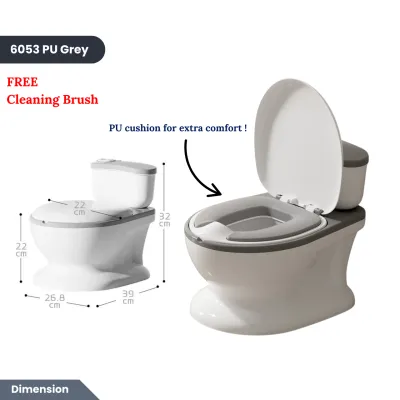
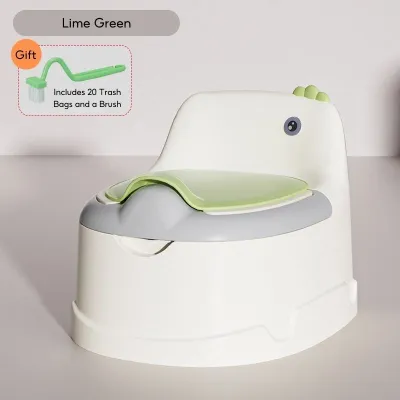
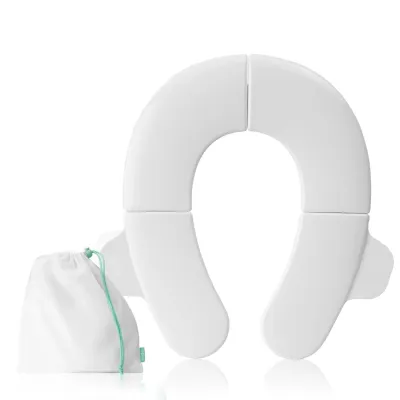
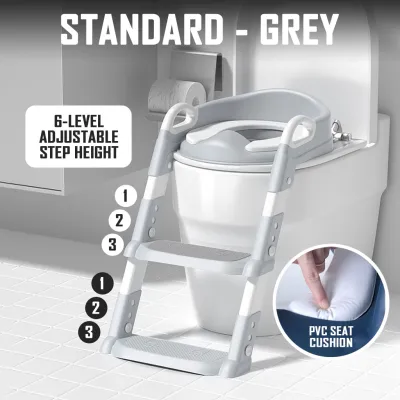
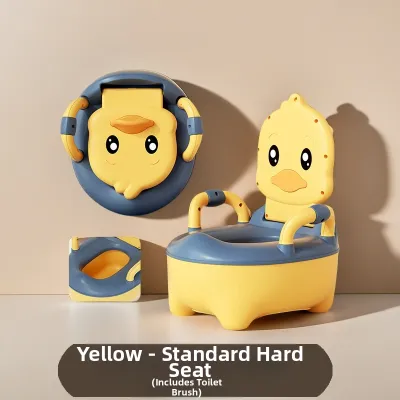
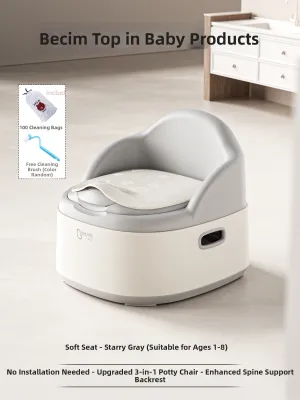
![[SG Stock] Anti-slip Double Step Stool / Toilet Potty Training stool / Detachable Toddler Non-Slip Bathroom Potty Stool](https://img.lazcdn.com/g/p/3ac50e3ee5e4e6be9e5514e7ab6e070d.jpg_400x400q80.jpg_.webp)
![[SG Stock]Anti Slip Design Bathroom Chair Squat Step Stool Potty Toilet Portable Sturdy Footstool Toilet Training](https://img.lazcdn.com/g/p/6aef88552f03e0481efb01a91808244c.jpg_400x400q80.jpg_.webp)
Prices are valid at publication and may change. Please refer to the product page for the latest price.
The primary mechanical difference between these two systems lies in waste disposal and physical positioning. With a standalone potty chair, waste must be manually emptied into the adult toilet, and the basin must be washed and sanitized after every use. A toilet seat reducer allows waste to go directly into the main toilet bowl, meaning you simply flush the toilet as usual. However, because the adult toilet is elevated, a seat reducer requires your child to climb up, changing their physical positioning and requiring a step stool to keep their feet supported.
Key Factors to Match Your Toddler and Bathroom
Selecting the right toilet potty trainer requires a careful evaluation of your physical living space and your child’s developmental stage. Bathroom layout and size play a major role in this decision. In compact apartments or homes with smaller bathrooms, floor space is at a premium. A standalone potty chair has a permanent floor footprint, which can clutter a narrow bathroom or block access to the shower. Conversely, a toilet seat reducer utilizes the vertical space of your existing toilet. Many reducers can be hung on a wall hook or stored upright next to the toilet tank when not in use, keeping the floor clear.

Your toddler’s physical readiness and emotional comfort are equally critical. Using a seat reducer requires a child to climb up to a height that may feel intimidating. If your toddler is hesitant about heights or startled by the loud sound of a flushing toilet, a floor-level potty chair provides a sense of security. Sitting with feet flat on the ground helps children feel stable and grounded, which can significantly reduce anxiety during the early stages of training.
Caregiver capacity and cleaning preferences should also guide your choice. If you prefer a quick, hands-off cleanup, the direct-flush nature of a seat reducer is highly advantageous. However, if you do not mind manual washing and value the convenience of placing the trainer in a living room, bedroom, or play area during the initial transition phase, a standalone potty chair offers unmatched flexibility.
Portability is another factor to consider if your family travels frequently or if your child spends time at a grandparent’s home. Standalone chairs are highly portable and can be tossed into the car boot for road trips or outdoor outings. While some folding seat reducers exist for travel, they still require access to a standard adult toilet, making them less versatile in outdoor or public spaces where adult facilities may not be readily available or clean.
When to Choose a Standalone Potty Chair
A standalone potty chair is often the most supportive and practical choice for the initial stages of potty training, particularly for younger toddlers. The primary advantage of a floor-level chair is its accessibility. Because it sits directly on the ground, there is zero climbing required. Your toddler can independently walk over, pull down their pants, and sit down without waiting for an adult to lift them or adjust a step stool. This immediate accessibility fosters a strong sense of autonomy and confidence.
Furthermore, a potty chair naturally promotes an anatomically optimal squatting posture. When a child sits on a low chair with their feet flat on the floor, their knees are naturally positioned slightly higher than their hips. This posture helps support a natural position for easier elimination. For children who struggle with anxiety around elimination, this physical comfort can make a substantial difference.
Despite these benefits, standalone chairs do come with clear limitations. The most obvious drawback is the need for manual emptying and sanitizing. Caregivers must dump the waste into the household toilet, rinse the basin, and disinfect it regularly to maintain hygiene. Additionally, a potty chair takes up dedicated floor space and must eventually be phased out entirely when the child transitions to the adult toilet, introducing an extra step to the overall training process.
If you decide a standalone potty chair is right for your home, pay close attention to specific design features before purchasing. Look for a model with a high, integrated splash guard at the front to prevent accidental spills, especially for young boys. The removable basin should slide out smoothly from the top or back without sticking, reducing the risk of spills during cleanup. A wide, weighted base with non-slip rubber feet is also essential to prevent the chair from tipping over when your child stands up.
When to Choose a Toilet Seat Reducer
A toilet seat reducer is an excellent option for toddlers who are physically coordinated, taller, or eager to mimic the bathroom habits of their parents and older siblings. One of the greatest advantages of a seat reducer is that it streamlines the entire potty training journey. Because your child is using the actual household toilet from day one, there is no need for a secondary transition phase from a floor potty to the big toilet. This can save time and reduce potential regression later on.
For caregivers, the elimination of manual waste disposal is a major benefit. There are no basins to empty, scrub, or sanitize; you simply flush the waste away immediately. This makes the process feel much cleaner and more integrated into the family’s existing bathroom routine. It also helps normalize the toilet environment, helping your child become accustomed to the sights, sounds, and functions of a standard bathroom.
However, seat reducers have their own set of challenges. They cannot be used safely without a stable step stool, as a child’s legs will otherwise dangle in the air. Dangling legs can cause muscle tension, making it difficult for the child to relax and eliminate properly. There is also a risk of the reducer shifting or slipping if it is not compatible with your specific toilet seat shape, which can frighten a child and set back their progress.
When shopping for a toilet potty trainer insert, always verify the mounting and security features. Look for models with adjustable bottom brackets, tension dials, or robust non-slip rubber borders that grip the adult seat firmly. If your bathroom is shared with adults, consider a family-style toilet seat that has a built-in child seat that magnetically secures to the lid when not in use, offering a seamless solution for everyone in the household.
Quick Comparison and Decision Checklist
To help you finalize your decision, the following comparison highlights the key operational differences between these two training tools:
| Feature | Standalone Potty Chair | Toilet Seat Reducer |
|---|---|---|
| Setup Time | Instant (place on floor) | Requires adjustment or step stool setup |
| Cleaning Effort | High (manual emptying and washing) | Low (direct flush, occasional wiping) |
| Space Required | Moderate floor footprint | Minimal (uses existing toilet space) |
| Portability | High (can be used in any room) | Low to moderate (requires adult toilet) |
| Transition Step | Requires transition to adult toilet | Direct transition to independent toilet use |
Use this simple decision framework to guide your purchase:
- Choose a potty chair if your child is under two years old, shows hesitation around the adult toilet, or if you want to start training in a living area or bedroom.
- Choose a seat reducer if your child is highly independent, eager to copy adults, or if you have a compact bathroom with no extra floor space.
- Verify first if your adult toilet seat is round or elongated, as this will dictate which seat reducer models will fit securely without wobbling.
Before making a purchase, complete this pre-purchase checklist:
- Measure the length and width of your adult toilet seat opening.
- Check if your toilet lid has a quick-release hinge that might interfere with certain clip-on reducers.
- Ensure you have a dedicated storage spot (like a wall hook or basket) for the reducer when adults need to use the toilet.
- Confirm that your chosen step stool has a non-slip base and fits neatly around the base of your toilet bowl.
Combining Both Trainers for a Smooth Transition
You do not necessarily have to choose just one type of toilet potty trainer; in fact, many families find that combining both tools yields the smoothest transition. A common strategy is to begin potty training with a standalone potty chair placed in a highly accessible, familiar area, such as the playroom or living room. This allows your toddler to quickly reach the potty during the early days when their warning window is very short.
As your child becomes comfortable with the concept of elimination and gains better bladder control, you can move the potty chair into the bathroom. Once they are accustomed to using the potty in the bathroom environment, you can introduce the toilet seat reducer on the main toilet. This gradual progression allows your child to master one skill at a time—first recognizing the urge to go, and later managing the physical coordination of climbing up to the adult toilet.
Using both trainers simultaneously is also highly practical for multi-story homes. You can place a standalone potty chair on the ground floor for quick access during active play, and install a seat reducer on the upstairs toilet for morning and bedtime routines. This setup ensures that a potty is always within reach, minimizing accidents caused by rushing up stairs.
To know when your child is ready to graduate from the floor potty to the adult toilet seat reducer, look for specific physical and behavioral signs. These include your child showing curiosity about how adults use the toilet, expressing a desire to flush the big toilet, demonstrating the balance to climb a step stool safely, and asking for more privacy during their bathroom routine.
Frequently Asked Questions (FAQ)
Do I need a step stool with a toilet seat reducer?
Yes, a step stool is highly recommended when using a toilet seat reducer. Without a stool, your child’s feet will dangle, which can cause instability, fear of falling, and physical strain. Proper foot support allows your child to sit with their knees slightly elevated above their hips, mimicking a natural position that helps support a comfortable posture for easier elimination. Ensure the step stool has a wide, non-slip base and rubber grips on the top surface to prevent slipping.
How do I clean and maintain a standalone potty chair?
To clean a standalone potty chair, empty the contents of the removable basin directly into your adult toilet. Rinse the basin with warm water, then wash it using a mild soap or a child-safe disinfectant spray. Wipe the entire unit down, including the seat and splash guard, and allow it to air dry or dry it with a clean cloth. Always check the manufacturer’s care instructions, as harsh chemical cleaners or abrasive pads can degrade the plastic over time.
Will a toilet seat reducer fit any adult toilet?
Not all toilet seat reducers fit every adult toilet. Standard toilet seats generally come in two shapes: round and elongated. While many universal reducers feature adjustable brackets or tapered designs to accommodate both shapes, some models are specifically tailored to one type. Before purchasing, measure the length and width of your toilet seat and check the product specifications to ensure a secure, non-slip fit that will not wobble during use.
Community discussion
Share your experience or ask a question. Comments are reviewed before publication.