
Choosing between a potty chair and a toilet seat reducer depends on your child’s developmental readiness, your bathroom layout, and your daily routine. A standalone potty chair offers immediate, low-to-the-ground security for toddlers starting their training journey, while a toilet seat reducer scales down the adult toilet to prevent slips. Neither option is universally superior; instead, the right choice aligns with your household space and your child’s physical comfort.
Toddlers often feel intimidated by the height and loud flush of a standard adult toilet. Introducing a child toilet solution that matches their physical size can significantly reduce anxiety and build early confidence. By removing the fear of falling, children can focus entirely on learning to recognize their body’s signals.
The physical environment of your home also plays a major role. In compact bathrooms, such as those in typical Singapore apartments, floor space is highly valuable. Deciding where these training items will live when not in use is just as important as how they function during daily routines. Balancing convenience for both the child and the adult members of the household is key to a smooth transition.
Products mentioned in this guide
![[SG] Kids Travel Foldable Toilet Seat/ Baby Foldable Travel Potty Seat/ Kids Folding Toilet Training Seat Cover](https://img.lazcdn.com/g/p/d0f64ba2678c26156c57f25b7d66c912.jpg_400x400q80.jpg_.webp)
Prices are valid at publication and may change. Please refer to the product page for the latest price.
Potty Chair vs Toilet Seat Reducer: Core Differences
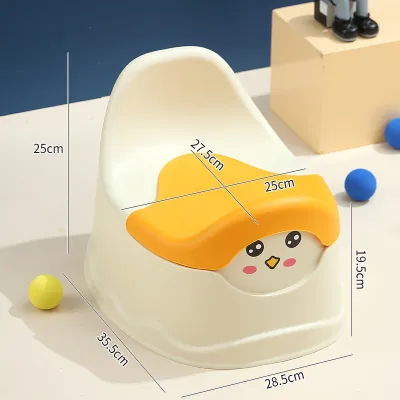
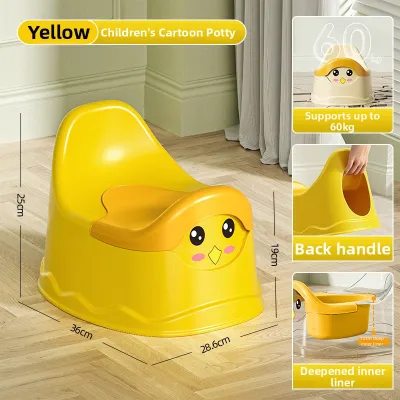
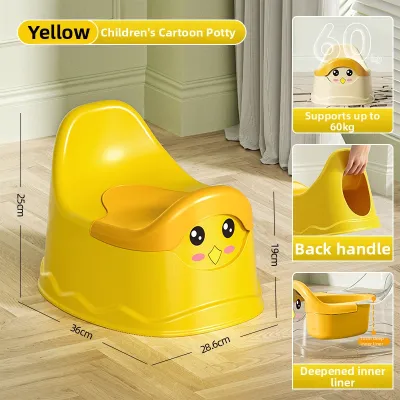
A standalone potty chair is a self-contained, floor-level unit designed specifically for young children. It features a built-in basin that catches waste, which a caregiver must manually empty into the adult toilet and clean after every use. Because it sits directly on the floor, it allows a child’s feet to remain flat, promoting an optimal squatting posture that supports natural bowel movements. Many models feature high backrests and side handles to help toddlers feel secure while seated.
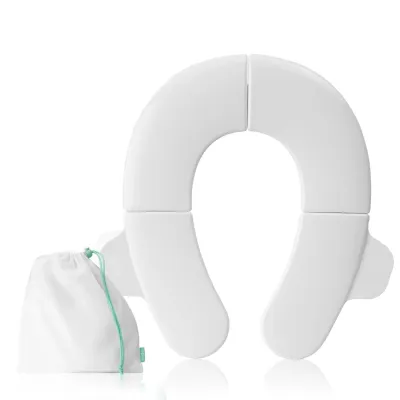
A toilet seat reducer is an insert or ring that fits securely over or under the existing adult toilet seat. It reduces the opening size so a small child does not slip through. This setup requires a separate step stool so the child can climb up and rest their feet while sitting. Waste goes directly into the home’s plumbing, eliminating the need to manually empty a basin. Reducers are available in various materials, including padded vinyl and rigid plastic.
These options align with different stages of early childhood development. Standalone chairs are highly accessible for younger toddlers who are just learning to recognize bodily cues, as they can sit down independently without climbing. Reducers are excellent for slightly older or taller children who possess the motor skills to climb a stool and want to mimic adult bathroom habits from the start. Understanding your child’s physical coordination will help you choose the right starting point.
Evaluating Space, Cleaning, and Independence
In compact bathrooms, floor space is highly valuable. A standalone potty chair occupies a permanent spot on the floor, which can obstruct walkways or make cleaning the bathroom floor more cumbersome. However, some models are compact enough to tuck into a corner when not in use. On the other hand, a toilet seat reducer leaves the floor clear but requires storage when adults use the toilet. You must also account for the step stool, which remains in front of the toilet or must be folded and stored nearby.

The cleaning routine differs drastically between the two options. With a potty chair, every successful use requires carrying the basin to the adult toilet, dumping the contents, rinsing it, and sanitizing it. This process can be inconvenient, especially during busy mornings or when you are managing multiple children. A toilet seat reducer simplifies this task immensely. Because waste goes directly into the toilet bowl, you only need to wipe down the splash guard and the seat ring periodically with a child-safe disinfectant.
Independence is a major milestone in potty training. A potty chair sits at floor level, allowing toddlers to sit down and stand up entirely on their own without adult assistance. This low center of gravity provides a strong sense of security, reducing the fear of falling. A toilet seat reducer requires the child to climb a step stool, turn around, and sit down at a significant height. While this builds coordination, it requires close caregiver supervision to prevent slips, especially in wet bathroom environments.
Starting with a potty chair means your child will eventually need a second transition phase to get comfortable with the height, noise, and scale of the adult toilet. A toilet seat reducer bypasses this secondary transition. By learning on the adult toilet from day one, the child becomes accustomed to the flushing sound and the height, making the eventual removal of the reducer a seamless step. However, some children may find this direct approach too intimidating initially.
Quick Comparison: Daily Use and Setup
The following table summarizes how each option performs across daily use criteria to help you weigh the practical trade-offs for your household.
| Feature | Standalone Potty Chair | Toilet Seat Reducer |
|---|---|---|
| Setup Complexity | Extremely low; place on floor | Moderate; requires placing ring and positioning step stool |
| Cleaning Effort | High; manual emptying and washing after every use | Low; direct flushing with occasional wiping |
| Bathroom Space | Occupies dedicated floor space | Requires storage for ring and step stool when not in use |
| Independence Level | High for young toddlers; easy to access | Moderate; requires climbing and coordination |
| Transition Phase | Requires a second transition to the adult toilet | Direct transition; child is already using the adult toilet |
Please note that specific weight limits, dimensions, and age recommendations vary widely across different brands. You must verify these details directly on the manufacturer’s label for any chosen model before use to ensure it is appropriate for your child’s current developmental stage.
Which Option Fits Your Family Best?
To select the most suitable option for your household, consider how your child’s preferences and your bathroom setup align with the following scenarios.
You may want to choose a potty chair if:
- Your bathroom layout is tight, and there is no safe clearance for a child to climb a step stool next to the adult toilet.
- Your child shows anxiety or fear when near the adult toilet, particularly regarding the loud flushing sound or the height.
- You need a portable option that can easily move from the bathroom to the living room or bedroom during the initial days of training when timing is critical.
- You want to encourage immediate, unassisted access for a younger toddler who cannot yet climb safely.
You may want to choose a toilet seat reducer if:
- You prefer to avoid handling and cleaning a waste basin manually.
- Your child is motivated by mimicking adult behavior and wants to use the adult toilet like older siblings or parents.
- You have adequate space to store a sturdy, non-slip step stool safely in front of or beside the toilet.
- You want to streamline the training process and avoid a secondary transition phase later on.
Before making a final decision, verify your adult toilet seat shape. Reducers come in different shapes, such as round or elongated, and a poor fit can cause the ring to slide, creating a safety hazard. Additionally, assess your child’s specific mobility and physical development. If your child requires extra trunk support or has balance challenges, a low-to-the-ground potty chair with high back support and armrests may offer a safer, more stable seating position.
Safety Checks and Manufacturer Verifications
For standalone potty chairs, inspect the underside for robust rubber grips or non-slip rings. These prevent the chair from sliding when your child sits down or stands up. For toilet seat reducers, verify that the attachment mechanism locks securely onto your specific toilet bowl or seat. A loose reducer can wobble, which may frighten your child or cause a fall.
If you opt for a reducer, the step stool is a critical safety component. Ensure the stool features a wide, stable base that resists tipping if the child steps on the edge. The top surface and the feet of the stool must have non-slip rubberized textures to maintain traction on tiled bathroom floors, which are frequently damp.
Always read the product packaging and instruction manuals. Check the manufacturer’s specified weight limits and age recommendations. Never assume a product is suitable based solely on its visual size or category name, as structural integrity varies by design.
Regularly inspect both potty chairs and reducers for signs of wear, such as hairline cracks in the plastic, worn-down rubber grips, or loose hinges. Discontinue use immediately if you notice any structural compromise, as cracked plastic can pinch sensitive skin or fail under weight. If your child exceeds the manufacturer’s weight limit, transition to the next stage immediately to ensure safety.
Frequently Asked Questions (FAQ)
Can I use both a potty chair and a toilet seat reducer together?
Yes, combining both methods is a highly effective strategy for many families. You can start with a standalone potty chair in the early weeks to build confidence and establish the routine without the pressure of climbing. Once your child is comfortable with the concept of using a children toilet, you can introduce the toilet seat reducer on the adult toilet. This gradual progression helps ease any anxiety and allows your child to transition at their own pace.
When should I transition from a potty chair to the adult toilet?
The transition should be guided by your child’s physical coordination and interest rather than a strict age timeline. Look for observable signs of readiness, such as the ability to climb stairs confidently, expressing curiosity about the adult toilet, or complaining that the potty chair is too small. If your child can easily balance on a step stool and shows a desire for more independence, it is likely time to introduce a reducer seat.
Do I need a splash guard for a potty chair?
A splash guard is highly beneficial, particularly for boys, as it helps direct urine downward into the basin and prevents accidental spills. When selecting a children toilet or reducer, check the product specifications to see if a built-in or removable splash guard is included. Ensure the guard is high enough to be effective but soft or rounded enough to prevent any discomfort or injury when the child sits down or stands up.
Community discussion
Share your experience or ask a question. Comments are reviewed before publication.