
Quick Answer: Which Potty Option Fits Your Home?
Embarking on the potty training journey is a significant milestone for both you and your toddler, but deciding on the right equipment can feel overwhelming. The choice between a standalone potty chair and a toilet seat reducer ultimately comes down to a balance between your home’s physical layout and your child’s developmental readiness. There is no single “best” option; rather, the ideal choice is the one that minimizes resistance and makes your child feel secure.
To help you make an immediate decision, you can use this straightforward framework:
- Choose a potty chair if you have sufficient floor space, want to encourage early physical independence, or have a toddler who is anxious about heights or the loud sound of a flushing adult toilet.
- Choose a potty seat reducer (paired with a sturdy step stool) if your bathroom floor space is limited, you prefer a simpler cleanup routine that avoids manually washing out a waste bowl, and your child has the physical coordination to climb safely and wants to copy adult behavior.
By evaluating your bathroom space and observing how your child reacts to the adult toilet, you can select the tool that creates a positive, stress-free path toward independent toileting.
Products mentioned in this guide
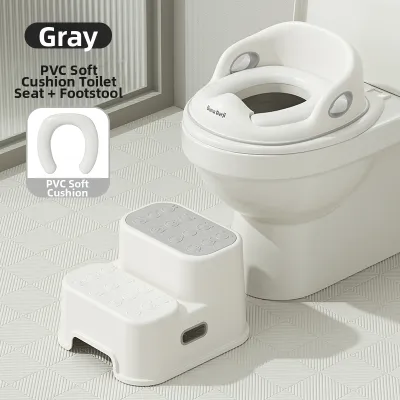
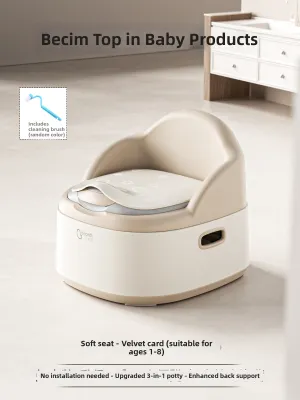
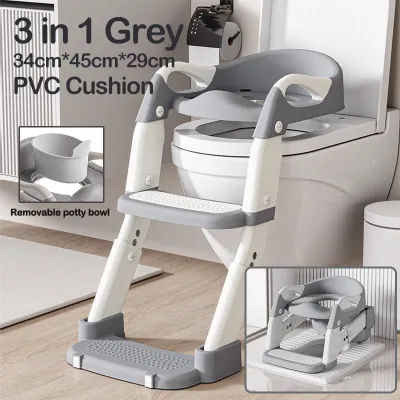
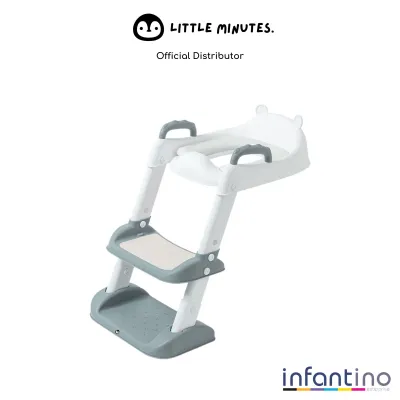
Prices are valid at publication and may change. Please refer to the product page for the latest price.
What Is a Potty Chair? Pros, Cons, and Best Use Cases
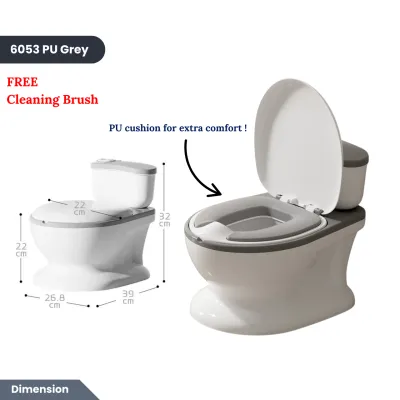
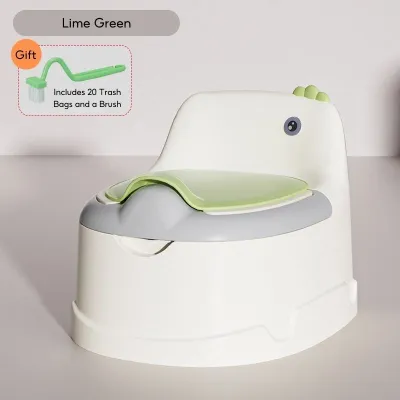
A potty chair is a standalone, child-sized toilet designed to sit directly on the floor. It is completely self-contained and does not connect to your home’s plumbing system. Typically constructed from lightweight, durable plastic, a standard potty chair features a low seat, a supportive backrest, and a removable collection bowl underneath that catches waste. Many models also include built-in splash guards to prevent spills and non-slip rubber grips on the base to keep the chair stable on smooth floors.

One of the primary benefits of a potty chair is its low height, which allows a toddler to sit with their feet flat on the floor. Physically, this grounded position is highly beneficial. It allows your child to bend their knees slightly higher than their hips, which naturally aligns the rectum and relaxes the pelvic floor muscles, making bowel movements much easier. Furthermore, because the chair is at ground level, your child can sit down and stand up completely unassisted, fostering a sense of personal autonomy and confidence from the very beginning of their training.
Portability is another major advantage of a freestanding potty chair. During the initial phases of potty training, toddlers often realize they need to use the toilet only seconds before they actually go. A potty chair can be placed in the living room, playroom, or bedroom, reducing the distance your child has to travel and minimizing accidents. Additionally, because it does not involve the loud, sudden flushing noise of an adult toilet, it provides a quiet, non-threatening environment for children who are sensitive to sensory stimulation.
However, potty chairs do come with practical drawbacks. The most significant of these is the cleanup process. Because the waste is collected in a plastic bowl, you must manually empty the contents into your adult toilet, rinse the bowl, and sanitize it after every single use. This routine can be inconvenient, especially during busy mornings or when you are managing multiple children. Additionally, a potty chair takes up permanent floor space, which can make a small bathroom feel cluttered. Finally, using a potty chair introduces a two-step training process, as your child will eventually need to transition to the adult toilet later on.
The ideal user profile for a potty chair is a parent starting potty training early—often between 18 and 24 months—when a child’s physical coordination is still developing. It is also highly recommended for toddlers who exhibit fear or anxiety when placed on a high adult toilet seat.
What Is a Potty Seat Reducer? Pros, Cons, and Best Use Cases
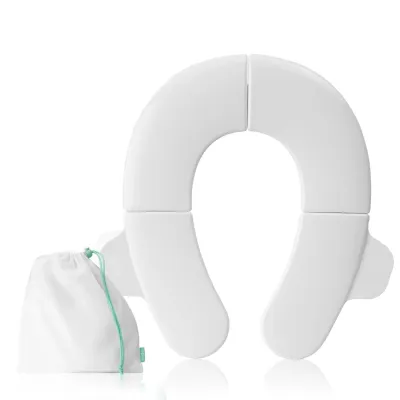
A potty seat reducer, also known as a toilet insert or training ring, is a contoured seat that sits directly on top of your existing adult toilet seat. Its primary function is to shrink the opening of the adult toilet so that your child can sit securely without the fear of slipping into the water bowl. These reducers are available in various styles, including soft padded cushions, rigid plastic rings, and folding travel models. To use a seat reducer safely and effectively, it must almost always be paired with a stable step stool.
The most notable advantage of a potty seat reducer is its space-saving design. Unlike a freestanding chair, a seat reducer does not occupy permanent floor space. When not in use, it can be hung from a plastic hook on the side of the toilet tank or stored neatly in a cabinet. This makes it an exceptional choice for compact bathrooms where floor space is at a premium.
Another major benefit is the simplified cleaning routine. Because your child is positioned directly over the adult toilet, all waste goes straight into the plumbing. There is no collection bowl to empty or scrub; cleanup is as simple as flushing the toilet and occasionally wiping down the splash guard of the reducer. Furthermore, using a seat reducer bypasses the need for a secondary transition phase. Your child becomes accustomed to the adult toilet environment from day one, which can make the final transition to using the toilet without an insert much smoother.
Despite these benefits, a seat reducer has distinct challenges. The physical height of an adult toilet can be highly intimidating for a small child. Climbing up a step stool requires a level of gross motor coordination and balance that younger toddlers may not yet possess, creating a potential risk of slips or falls. Additionally, because the setup is fixed to the bathroom, your child must travel to the bathroom every time they feel the urge to go, which can increase the likelihood of accidents during the early, urgent stages of training.
The ideal user profile for a potty seat reducer includes parents with limited bathroom floor space, older toddlers (typically 2.5 to 3 years old) who have developed strong balance and climbing skills, and children who are highly motivated to copy the bathroom habits of older siblings or parents.
Head-to-Head Comparison: Chair vs. Reducer
When deciding between these two options, it is helpful to directly compare how they perform across the critical dimensions of daily life. Weighing these trade-offs will help you identify which product aligns best with your household routine and your child’s developmental stage.
Space and Storage
A potty chair requires a dedicated spot on your floor, measuring roughly 30 by 40 centimeters. In a small bathroom, this can block access to the shower, cabinets, or the adult toilet itself, forcing you to move it frequently. A potty seat reducer, by contrast, has a negligible storage footprint. It can hang on the wall or sit flat on top of the toilet lid. However, keep in mind that you will still need a step stool to go with the reducer. While some step stools are compact or foldable, they still represent an extra item on your bathroom floor that adults must navigate.
Cleaning and Hygiene
The hygiene workflows for these two products are entirely different. With a potty chair, you are responsible for carrying a bowl of waste to the adult toilet, dumping it, and washing the bowl. This requires regular sanitization with child-safe disinfectants to prevent odors and bacterial growth. With a seat reducer, the waste is flushed immediately, which is significantly more hygienic and saves time. You only need to perform a quick wipe of the seat reducer’s underside and splash guard periodically to keep it clean.
Child's Comfort and Fear
Anatomical comfort and psychological safety are crucial for successful potty training. A potty chair excels at providing physical security. Because your child’s feet are planted firmly on the floor, they feel stable and grounded. This physical stability allows them to relax their muscles completely. A seat reducer can sometimes cause anxiety if the child feels like they are suspended over a deep, open bowl of water. Even with a step stool, some toddlers feel unstable if their feet cannot rest flat and firm. Additionally, the loud sound of a toilet flush can be terrifying for some children, making them hesitant to sit on the adult toilet.
Transitioning to the Adult Toilet
The ultimate goal of potty training is for your child to use the adult toilet independently. A potty chair represents a stepping stone. While it is excellent for building initial confidence, you will eventually have to guide your child through a second transition to the big toilet. This can sometimes trigger a temporary regression as they adapt to the height and the flushing sound. A seat reducer eliminates this middle step. Your child is already using the adult toilet; as they grow, you simply remove the insert, making the final transition natural and seamless.
To help you visualize these differences, the table below outlines the structural and functional distinctions between the two options:
| Feature | Potty Chair | Potty Seat Reducer |
|---|---|---|
| Physical Footprint | Occupies permanent floor space (approx. 30×40 cm) | Highly compact; hangs on a hook or sits on the toilet |
| Cleanup Process | Requires manual emptying, rinsing, and sanitizing after each use | Direct flushing; occasional wiping of the insert ring |
| Portability | Highly portable; can be moved to any room in the house | Fixed to the bathroom toilet; difficult to move around |
| Anatomical Support | Excellent; child's feet rest naturally flat on the floor | Dependent on a step stool to support the child's feet |
| Sensory Experience | Quiet and low-stress; no loud flushing or deep water | Can be intimidating due to height and flushing sounds |
| Transition Ease | Requires a second transition phase to the adult toilet | Direct transition; simply remove the insert when ready |
Note: Always check the manufacturer’s documentation for your specific model to verify weight limits, material safety, and slip-resistance features.
How to Choose Based on Your Living Space and Child's Needs
Making the final choice requires looking closely at your specific living arrangements and your child’s unique personality. What works perfectly for one family may cause frustration for another, depending on these two variables.
Navigating Bathroom Space in HDBs and Condos
In Singapore, housing layouts in HDB flats and condominiums often feature compact bathrooms where space is at a premium. If your bathroom is narrow, placing a large step stool in front of the toilet can block the walkway or make it difficult for adults to move around comfortably. If the bathroom floor is frequently wet due to a shared shower area, a potty chair or a step stool can present a slipping hazard.
If you have a wet bathroom layout, look for a potty chair or step stool equipped with robust, high-grip rubber feet to prevent sliding. If space is exceptionally tight, starting with a potty chair placed in a dry, nearby hallway or bedroom can be a practical temporary solution. This keeps the training environment dry and accessible. If you decide to go with a seat reducer, look for foldable step stools that can be tucked away when adults need to use the bathroom, and always verify that your toilet bowl shape (such as round, elongated, or square) is compatible with the reducer before purchasing.
Matching the Potty to Your Child's Temperament
Your child’s temperament and sensory responses are excellent indicators of which tool will work best. Observe how your toddler behaves in the bathroom. If they are highly curious, enjoy imitating your daily routines, and show no fear of the flushing mechanism, a seat reducer is an excellent fit. It capitalizes on their natural desire to feel “grown-up” and copy adult behavior.
Conversely, if your child is easily startled by sudden noises, dislikes being lifted onto high surfaces, or is physically hesitant, a potty chair is a much safer starting point. Forcing a fearful child onto a high toilet seat can create a negative association with toileting, which can lead to stool withholding, anxiety, and significant training regressions. If your child shows persistent signs of distress, anxiety, or physical discomfort during potty training, it is always wise to pause and consult your pediatrician or a developmental specialist for personalized guidance.
Is a 3-in-1 Convertible Potty Worth It?
For parents who want the benefits of both worlds, a 3-in-1 convertible potty can be a highly versatile option. These hybrid products function initially as a freestanding potty chair. As your child grows and becomes comfortable with the bathroom, the top ring detaches to serve as a seat reducer on your adult toilet, while the sturdy base flips over to become a step stool.
While convertible potties offer excellent long-term value, they are often bulkier and more expensive than single-purpose models. Before purchasing a convertible model, always verify the stability and weight capacity of the base when used in its step stool configuration. Some lightweight plastic models can slide easily on wet bathroom tiles, so ensuring they have high-quality non-slip grips is essential for your child’s safety.
Frequently Asked Questions (FAQ)
At what age should I introduce a potty chair or seat reducer?
Potty training readiness is based on developmental signs rather than a strict chronological age. Look for indicators such as staying dry for two or more hours, showing interest when family members use the bathroom, and having the motor skills to pull pants up and down. Generally, potty chairs can be introduced earlier, around 18 to 24 months, because they require less physical coordination and are easy for young toddlers to access. Seat reducers are typically introduced around 2.5 to 3 years of age, when a child has the balance and motor skills to climb a step stool safely. If you are unsure about your child’s readiness, consult your pediatrician for personalized developmental advice.
Do I need a step stool if I use a potty seat reducer?
Yes, a step stool is an absolute necessity when using a potty seat reducer. A step stool serves two vital safety and ergonomic purposes. First, it allows your child to climb onto and off the adult toilet safely and independently. Second, and most importantly, it provides a solid platform for your child to rest their feet. When a child’s feet dangle, they cannot leverage their abdominal and pelvic floor muscles properly, which makes passing stool difficult and can lead to straining. Having their feet flat on a step stool mimics a natural squatting posture, which is essential for healthy, comfortable bowel movements.
Can I use a potty seat reducer on any adult toilet?
Most standard potty seat reducers are designed to fit traditional round or elongated toilet bowls. However, they may not fit securely on modern square-shaped toilets, smart toilets with integrated electronic bidet seats, or highly customized designer fixtures. Before purchasing, always measure the length and width of your adult toilet seat and check the reducer manufacturer’s compatibility guidelines. A secure, non-slip fit is essential to prevent the reducer from shifting while your child is sitting, which could startle them or cause a fall.
Community discussion
Share your experience or ask a question. Comments are reviewed before publication.