
Finding a portable milk warmer that fits your existing baby bottles is entirely possible, but it requires understanding how different bottle necks and threads align with your heating device. While some portable warmers connect directly to specific wide-neck bottles, others rely on specialized adapters to create a secure, leak-proof seal. By identifying your bottle’s exact model and neck style, you can safely warm breast milk or formula on the go without investing in an entirely new set of bottles.
For parents navigating outings around Singapore, from family days at East Coast Park to shopping trips along Orchard Road, a reliable portable milk warmer is a game-changer. However, the convenience of these devices depends entirely on a secure, watertight connection. A mismatch between the warmer and your bottle can lead to spilled milk, uneven heating, or even damage to the bottle’s threads. Understanding the physical compatibility requirements is the first step toward hassle-free feeding on the go.
Understanding the Physical Requirements for a Secure Fit
To understand how portable warmers interface with different bottles, it helps to look at the physical dimensions of bottle necks. Baby bottles generally fall into two categories: standard (or narrow) neck and wide-neck designs. Standard-neck bottles feature a slim, straight profile that has been an industry staple for decades, while wide-neck bottles have a broader opening designed to mimic the natural shape of a breast. Because the diameter of these openings varies significantly between brands, a warmer designed for a wide-neck bottle cannot directly connect to a narrow-neck bottle without an adapter.
Products mentioned in this guide
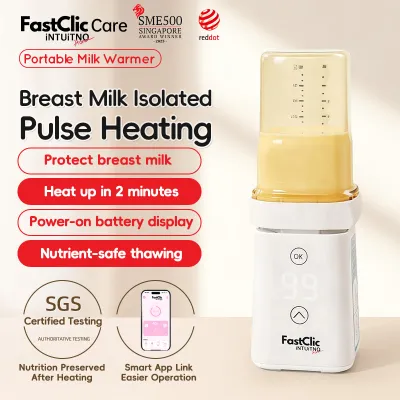
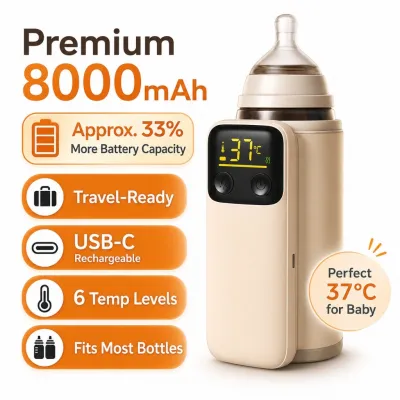
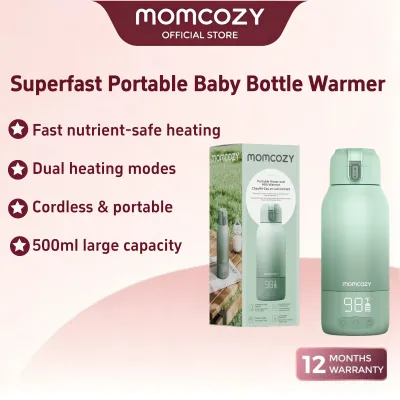
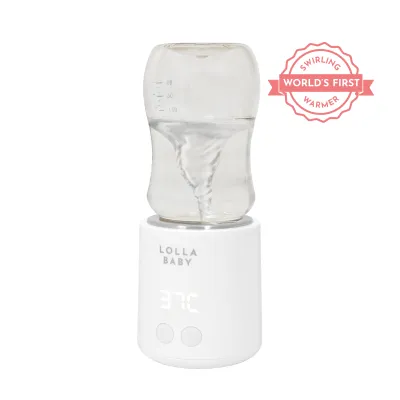
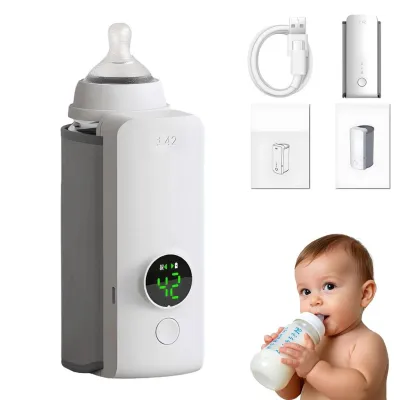
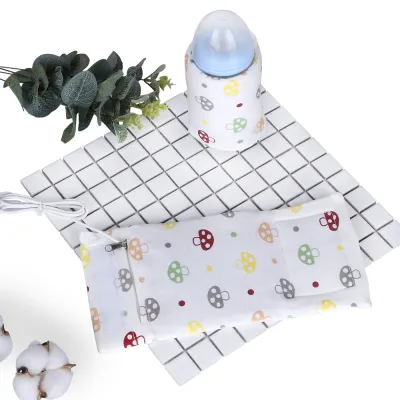
Prices are valid at publication and may change. Please refer to the product page for the latest price.
Beyond the overall diameter, the thread design and pitch play a critical role in compatibility. The threads are the spiral ridges around the neck of the bottle that allow the collar to screw on securely. Different manufacturers use proprietary thread pitches, meaning the distance between the ridges and the angle of the spiral can vary even among bottles with the same neck diameter. Attempting to force a warmer onto a bottle with incompatible threads can cause cross-threading, which damages the plastic and prevents a proper seal.
To bridge these design differences, manufacturers of portable milk warmers often utilize silicone sealing rings and adapter kits. When a bottle is inverted onto a portable warmer, the milk makes direct contact with the heating plate. A silicone sealing ring acts as a gasket, filling any microscopic gaps between the adapter, the bottle neck, and the warmer’s heating surface. Using the correct adapter kit ensures that the connection remains completely watertight under the pressure of heating, preventing leaks that could waste precious breast milk or formula.
Fitting Portable Warmers to Pigeon Bottles
Pigeon is a highly popular brand among parents, known for its high-quality feeding systems. When matching a portable warmer to Pigeon bottles, the first step is distinguishing between the brand’s standard-neck and wide-neck lines. The widely used Pigeon SofTouch series features a wide-neck design, which requires a different connection interface compared to Pigeon’s slim-neck bottles. Ensuring you know exactly which line you own is essential before selecting a warmer or adapter.

Because of the unique thread pattern on Pigeon SofTouch bottles, many portable warmers require a dedicated adapter. When browsing adapter kits, look for options specifically labeled for Pigeon wide-neck or SofTouch compatibility. These adapters are molded to match the exact thread pitch of the bottle, ensuring a smooth, secure screw-on connection. It is also vital to inspect the silicone sealing ring included with the adapter, as a worn or improperly seated ring can lead to slow leaks during the heating cycle.
Another factor to consider is the physical height and volume of your Pigeon bottles. Taller bottles, such as the 240ml SofTouch options, hold more liquid and shift the center of gravity when mounted upside down on a compact portable warmer. Caregivers should verify that the heating chamber depth of the warmer can accommodate the bottle securely and that the combined setup remains stable on flat surfaces. A top-heavy setup can easily tip over, so choosing a warmer with a wide, stable base is highly recommended for larger bottle sizes.
Accommodating Dr. Brown's Unique Venting and Neck Design
Dr. Brown’s bottles are famous for their internal vent systems designed to reduce colic, but this unique engineering presents specific compatibility challenges for portable warmers. The popular Dr. Brown’s Options+ wide-neck bottles have a distinct neck diameter and thread pattern that differs from other wide-neck brands. Consequently, generic wide-neck adapters rarely provide a secure fit, making it necessary to source an adapter designed specifically for Dr. Brown’s bottles.
A key operational step when using Dr. Brown’s bottles with a portable warmer is managing the internal vent system. The green or blue vent insert and reservoir tube must typically be removed before attaching the bottle to the warmer. Leaving these components inside the bottle during inverted heating can interfere with the warmer’s heating plate, disrupt the airtight seal, or cause milk to leak through the venting pathways. Always remove the vent system, warm the milk, and then reassemble the vent components before feeding your baby.
Additionally, caregivers must ensure that the warmer’s sealing mechanism does not interfere with the bottle’s collar or the area where the vent insert usually rests. Because the rim of a Dr. Brown’s bottle has a specialized lip to accommodate the vent flange, the adapter must seal perfectly against this rim without causing deformation. Regularly inspect the rim of your Dr. Brown’s bottles for any scratches or wear, as even minor imperfections on the plastic edge can compromise the seal when paired with a portable warmer.
Matching Warmers to Philips Avent Natural and Anti-colic Lines
Philips Avent offers two primary bottle lines: the Avent Natural series and the Avent Anti-colic series. These two lines feature different neck sizes and thread designs, meaning they are not interchangeable when it comes to selecting adapters. The Avent Natural series has a very wide, contoured neck, while the Anti-colic series features a slightly narrower, more traditional wide-neck design. Identifying which line you use is crucial for a leak-free experience.
To achieve a leak-proof seal with Philips Avent bottles, you will almost certainly need a compatible silicone adapter. Because Avent Natural bottles have a wider surface area at the opening, the adapter must distribute pressure evenly across the entire rim. When assembling the warmer, ensure the silicone gasket inside the adapter is lying completely flat and is free of lint or debris. Any misalignment can cause milk to seep out as the liquid expands slightly during the heating process.
It is also important to confirm the warmer’s capacity to handle larger Avent volume options, such as the 260ml or 330ml bottles. These larger bottles hold a significant amount of milk, which requires more heating energy and creates a heavier assembly when inverted. Check the manufacturer’s specifications to ensure the portable warmer is designed to support the physical weight of these larger bottles. A secure, robust connection is essential to prevent the bottle from detaching or tipping over during use.
Actionable Steps to Verify Fit and Prevent Leaks
Before purchasing a portable milk warmer or adapter kit, taking a few proactive steps can save you time and prevent costly spills. Start by accurately measuring the outer neck diameter of your baby bottles. You can do this using a simple ruler or, for greater precision, a pair of calipers. Measure across the very top of the bottle opening, including the outer edges of the screw threads. Having this measurement on hand makes it much easier to cross-reference compatibility charts provided by warmer manufacturers.
Next, always consult the warmer manufacturer’s official compatibility chart or contact their customer support team directly. Because bottle manufacturers occasionally update their designs or thread patterns without changing the product name, official compatibility lists are updated regularly to reflect these changes. If you are purchasing an adapter from an online marketplace or local retailer, double-check the product description to ensure it explicitly lists your specific bottle model and production year if applicable.
Finally, always perform a preliminary water-leak test before using your new setup with actual breast milk or formula. Fill your baby bottle with room-temperature water, attach the adapter and the portable warmer according to the instructions, and turn the entire assembly upside down over a sink. Gently shake the unit and let it sit inverted for a few minutes to check for any slow drips or moisture buildup around the collar. This simple test ensures your setup is completely secure before you risk losing any precious milk.
Frequently Asked Questions (FAQ)
Can I use a portable milk warmer without the original bottle cap?
Portable milk warmers are designed to connect directly to the bottle’s neck, effectively acting as the seal or cap during the heating process. This means you do not use the bottle’s original nipple, collar, or cap while the bottle is attached to the warmer. However, once the heating cycle is complete, you must immediately remove the warmer and securely attach the original nipple and collar assembly for feeding. Attempting to feed your baby or transport the warmed bottle without its original, manufacturer-approved cap and collar can lead to severe leaks, uneven milk flow, or contamination.
Do portable milk warmers work with glass bottles from these brands?
Using glass bottles with portable milk warmers requires careful attention to safety guidelines. While many adapter kits physically fit glass bottles from brands like Pigeon or Avent, glass is highly sensitive to rapid temperature changes, a phenomenon known as thermal shock. Before attempting to heat milk in a glass bottle, consult both the bottle manufacturer’s instructions and the warmer’s user manual to confirm compatibility. To prevent glass breakage, never place a cold glass bottle directly onto a pre-heated warmer, and avoid exposing the bottle to sudden drafts or cold surfaces immediately after heating.
Community discussion
Share your experience or ask a question. Comments are reviewed before publication.