
Setting up a nursery in Singapore requires balancing comfort, convenience, and space. With a newborn requiring up to ten to twelve diaper changes a day, your diapering station becomes one of the most heavily used zones in your home. Finding the right diper changing mat involves evaluating how much physical space you have, who will be performing the changes, and whether you need a setup that travels with you.
To help you make an immediate decision, consider this quick diagnostic heuristic. If you have limited floor space, travel frequently, or often visit grandparents, a portable changing mat is your best option. If you want to avoid back strain but need to keep floor space clear when the station is not in use, a foldable or wall-mounted table provides the perfect ergonomic compromise. If you have a dedicated nursery room with ample space and want integrated storage for clothes, wipes, and diapers, a fixed changing table or dresser setup is the ideal long-term investment. Each of these configurations addresses specific spatial constraints and caregiving lifestyles.
Assess Your Nursery Space and Storage Constraints
Singapore’s residential landscape, dominated by cozy HDB flats and modern condominiums, demands careful spatial planning. Before purchasing any diapering furniture, you must physically measure your designated changing area. Use a measuring tape to determine the available width, depth, and—critically—the clearance space around the unit. A caregiver needs at least 60 to 80 centimeters of clear standing space in front of the changing station to move comfortably, bend slightly, and handle the baby safely without bumping into walls or other furniture.
Products mentioned in this guide



![[SG Local Seller] ( 70 X 120 CM) Waterproof Baby Cot Protector ❤ Diaper Changing Pad ❤ Pram Stroller Protector ❤ Bamboo Fibre Material - Towel texture materialT1806 [ By Kim Hyeon ]](https://img.lazcdn.com/g/p/2c7cf0b41a89e55b7edc886c2f8689cb.jpg_400x400q80.jpg_.webp)
Prices are valid at publication and may change. Please refer to the product page for the latest price.
Storage capacity is another vital factor to evaluate. A newborn goes through a high volume of diapers, wet wipes, nappy creams, swaddles, and change of clothes daily. If your nursery already has a wardrobe or chest of drawers with free top space, you can easily secure a contoured changing pad on top, saving you from buying a standalone piece of furniture. However, if your existing storage is fully utilized, a dedicated fixed changing table with built-in shelves or drawers keeps all essentials within arm’s reach, reducing the risk of you needing to step away from the baby.
Recognizing when to rule out fixed furniture is key to maintaining a functional home. If your baby’s sleeping area is in a shared master bedroom, or if the nursery doubles as a home office, a heavy, fixed wooden dresser may create tight walkways and make the room feel cramped. In these multi-purpose or high-traffic spaces, prioritizing foldable or highly portable alternatives ensures that your living space remains adaptable and easy to navigate.
Match the Mat to Your Daily Caregiving Lifestyle
Your daily routine and family support structure should heavily influence your choice of diapering setup. In Singapore, many families rely on multi-generational care, where infants spend weekdays at a grandparent’s house or attend infant care centers. If your baby frequently commutes between households, or if you reside in a multi-story landed home where climbing stairs for every wet diaper is impractical, having lightweight, portable changing mats distributed across key locations is a necessity.

Nighttime diaper changes present another practical challenge. Walking to a brightly lit, dedicated nursery room in the middle of the night can fully wake a semi-sleeping infant and disrupt their sleep cycle. Many parents find it much easier to keep a compact, foldable changing station or a simple portable mat right next to the parental bed. This allows for quick, low-light changes that keep the atmosphere calm and help everyone transition back to sleep faster.
Ergonomics should never be overlooked, as leaning over a low surface multiple times a day can quickly lead to severe lower back strain. Consider the heights of all primary caregivers, including parents, grandparents, or domestic helpers. If the primary caregivers are tall, a waist-high fixed or foldable table is highly beneficial because it eliminates the need to bend. Conversely, if caregivers prefer sitting on the floor or a bed during changes, a portable mat provides the flexibility to set up a safe changing surface at any height.
Choosing Your Diper Changing Mat: Comparing Portable, Foldable, and Fixed Setups
There is no single diapering solution that fits every Singaporean household perfectly. The ideal configuration depends entirely on how you balance physical space, budget, and daily convenience. By understanding the distinct design features, ideal use cases, and inherent limitations of each type, you can select a setup that integrates seamlessly into your parenting journey.
Portable Changing Mats
Portable changing mats are designed for ultimate flexibility and mobility. Typically constructed from lightweight, waterproof fabrics, these mats often feature fold-out wings, integrated pockets for a few diapers and a travel wipe pack, and a convenient carrying strap. They can be unrolled on any flat, stable surface, such as a bed, a clean floor, or the back seat of a car, making them indispensable for outings to local parks, shopping malls, or family visits.
While they excel in convenience, portable mats are generally not designed to serve as the sole, long-term changing station at home. Because they are used on existing surfaces, caregivers must frequently bend down or kneel, which can cause physical fatigue over several months of use. Additionally, they offer no elevated safety barriers or built-in storage for bulk supplies, meaning you must always bring a separate diaper bag or supply caddy to the changing spot.
Foldable and Wall-Mounted Changing Tables
Foldable and wall-mounted changing tables offer an excellent middle ground for parents who want ergonomic height without sacrificing permanent floor space. Foldable models feature lightweight frames—often made of metal or sturdy plastic—that can be collapsed and leaned against a wall or tucked behind a door when not in use. Wall-mounted versions fold up flat against the wall, opening up the floor entirely when the diapering session is over. Some specialized designs even hook securely over the rails of a standard baby crib.
The primary limitation of foldable and wall-mounted setups is their restricted storage capacity. Because these units must collapse or fold flat, they typically feature only small fabric pockets or shallow shelves that can hold only a handful of immediate essentials. Furthermore, wall-mounted options require secure drilling into solid walls, which may not be feasible or permitted for families renting their homes in Singapore. Renters must always verify installation rules with landlords before mounting heavy structures.
Fixed Changing Tables and Dressers
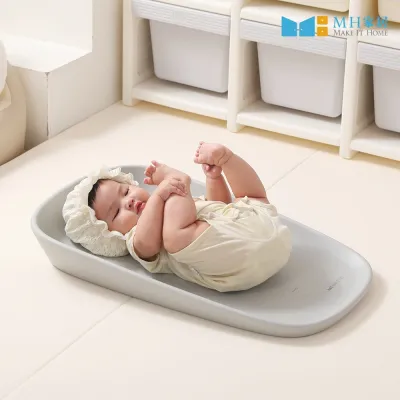
Fixed changing tables and dressers represent the traditional, robust nursery setup. These are solid furniture pieces made of wood or engineered materials, featuring a dedicated, flat top surface surrounded by protective barriers where a contoured changing pad is securely installed. Below the changing surface, these units offer extensive storage space in the form of deep drawers or open shelving, allowing you to organize months of diaper supplies, bedding, and baby clothing in one central location.
The main trade-off with fixed furniture is its permanent footprint and lack of mobility. Once assembled, these heavy units cannot be easily moved from room to room, and they require a dedicated, spacious area within the nursery. However, they offer excellent longevity; many high-quality changing dressers are designed so that the top changing frame can be completely removed once the child is toilet trained, transforming the unit into a standard chest of drawers that can be used throughout childhood.
Safety, Hygiene, and Maintenance Checks
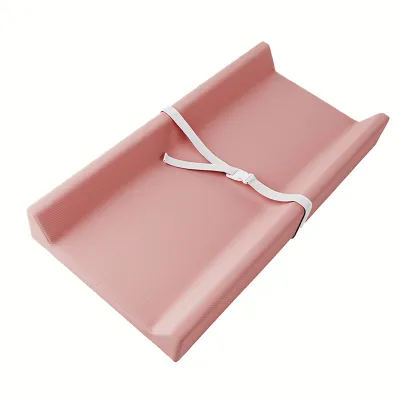
Regardless of which changing setup you choose, infant safety must remain your absolute priority. When using elevated surfaces like fixed dressers or foldable tables, always use a contoured changing pad with raised sides and secure the baby with the safety strap if provided. Most importantly, never leave your baby unattended on a changing surface, even for a single second; always keep one hand on your baby to prevent unexpected rolls or falls. If you must reach for a diaper or wipe that is out of arm’s reach, pick up your baby and take them with you.
Singapore’s hot and highly humid tropical climate presents unique challenges for nursery hygiene. High humidity levels can encourage the growth of mold, mildew, and bacteria on damp surfaces. To combat this, look for changing mats made of non-porous, waterproof materials like polyurethane (PU) or thermoplastic polyurethane (TPU) that do not absorb liquids. Avoid fabric-covered mats or those with deep seams where moisture, spit-up, or diaper leaks can become trapped and difficult to clean.
Establish a simple daily maintenance routine to keep the diapering area sanitary. Wipe down the changing mat after every single use using a mild soap solution or baby-safe, alcohol-free disinfectant wipes. Avoid harsh chemical cleaners, bleach, or abrasive scrubbing pads, as these can degrade the waterproof coating of the mat and leave behind chemical residues that might irritate your baby’s sensitive skin. Regularly inspect the mat for signs of wear, such as cracked seams, tears in the outer cover, or flattened interior foam, and replace the mat immediately if its structural integrity is compromised. Always verify the manufacturer’s specific weight limits, age recommendations, and installation guidelines before setting up or using any changing table.
Frequently Asked Questions (FAQ)
Do I really need a dedicated changing table, or is a portable mat enough?
A dedicated changing table is a convenient luxury, but it is not strictly necessary. A high-quality portable mat or a contoured changing pad placed on a secure, flat surface like a sturdy chest of drawers, a bed, or the floor works perfectly well. The key is ensuring that the caregiver can access supplies safely and that the baby is supervised at all times. If budget or space is limited, investing in a versatile portable mat is a highly practical and cost-effective choice.
How do I clean and sanitize a changing mat effectively?
To clean your changing mat, check the manufacturer’s care label first. Wipe the surface with a damp cloth and a mild, baby-safe soap, or use gentle, alcohol-free sanitizing wipes after each diaper change. Avoid using harsh household bleach, ammonia, or abrasive scrubbers, as these can strip away the waterproof protective layer, crack the material, and potentially cause skin irritation or allergic reactions on your baby’s delicate skin.
Community discussion
Share your experience or ask a question. Comments are reviewed before publication.