
Choosing between portable baby food processor brands requires a close look at how their steaming and blending functions balance convenience with performance. While some models excel at rapid steam generation, others prioritize high-torque blending to achieve ultra-smooth purees. Finding the right balance involves evaluating your daily routine, understanding your baby’s current developmental stage, and verifying technical specifications directly from official product documentation.
For parents navigating the transition to solid foods, a reliable food processor can streamline meal preparation significantly. However, the market is filled with varying designs, from robust plug-in countertop units to highly compact, battery-operated travel blenders. By focusing on objective performance metrics and safety features, you can select a model that fits seamlessly into your lifestyle and supports your child’s nutritional needs.
Defining Your Feeding Needs and Evaluation Baselines
Before comparing specific brands, it is essential to establish how and where you plan to prepare your baby’s meals. A family that primarily prepares food at home will have vastly different requirements than one that travels frequently or needs to prepare meals on the go. Identifying your primary usage scenario helps narrow down the ideal size, weight, and power source of the processor.
Products mentioned in this guide
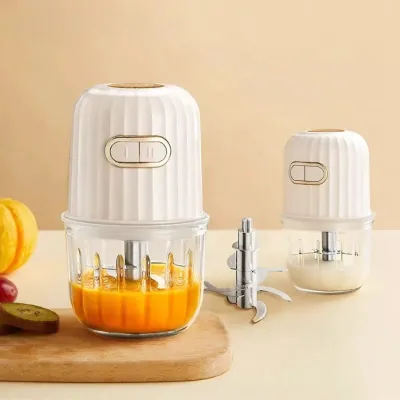
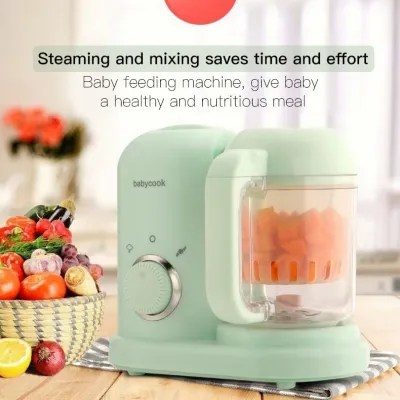
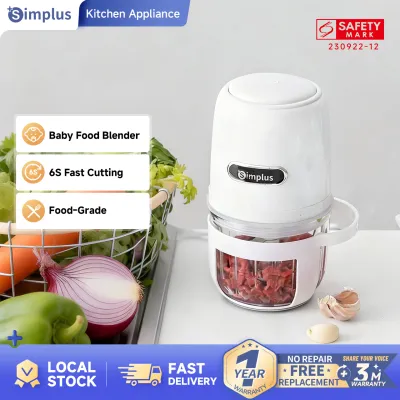
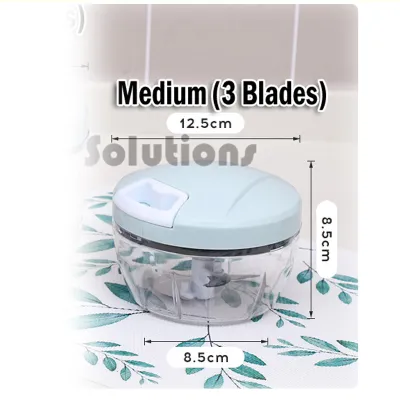
Prices are valid at publication and may change. Please refer to the product page for the latest price.
Your baby’s developmental stage also dictates the baseline performance you should expect from a food processor. During the initial stages of weaning, typically around six months of age, infants require completely smooth, single-ingredient purees to minimize choking risks. This stage demands a processor with exceptional blending capabilities that can eliminate all lumps from fibrous vegetables and fruits.
As your baby grows, their texture needs will shift. By eight to ten months, most infants transition to thicker, mashed textures, and eventually to soft, chunky meals. A versatile processor must be able to handle these transitions, offering pulsing or chopping functions rather than just continuous high-speed blending. If a machine only offers a single high-speed setting, you may struggle to achieve the coarser textures required for older babies.
Capacity is another critical baseline to consider. If you prefer batch-cooking and freezing meals for the week, a larger jar capacity is indispensable. Conversely, if you prefer preparing fresh, single-serving meals daily, a smaller, highly portable unit will suffice. Preparing small portions in an oversized jar can sometimes lead to uneven blending, as the blades may not make consistent contact with low volumes of food.
Finally, map out which functions are absolute necessities for your daily routine. While steaming and blending are the core pillars of these appliances, some models also offer defrosting, reheating, or bottle-warming capabilities. Determining whether these extra features will actually be used—or if they simply add unnecessary bulk and cost—is a crucial first step in your decision-making process.
How to Compare Steaming and Blending Specifications
To make an objective comparison between brands, you must look past marketing terms and examine the technical specifications listed in official product manuals. The efficiency of the steaming function is primarily determined by the heating element’s wattage and the design of the water tank. A higher wattage heating element generally heats water to boiling point faster, resulting in quicker steam generation and shorter overall cooking times.

When reviewing water tank specifications, check both the total capacity and the ease of access. A larger water tank allows for longer steaming cycles without the need for refilling, which is particularly useful when cooking dense root vegetables or meats that require thorough heating. The manual should clearly state the maximum run time allowed on a single full tank of water.
Blending performance relies on a combination of motor power, blade geometry, and speed settings. Motor power is typically measured in watts; a higher wattage motor can process tougher ingredients without overheating. However, motor power must be paired with efficient blade design. Look for multi-directional blade configurations, such as dual-level or quad-blade setups, which create a more effective vortex inside the jar to ensure all ingredients are pulled down into the cutting path.
Speed control is another vital specification to verify. Models that offer variable speed settings or a manual pulse button give you precise control over the final texture of the food. This flexibility allows you to easily transition from ultra-smooth purees to chunky blends. In contrast, single-speed models offer less control, requiring you to carefully time the blending cycles to avoid over-processing the food.
Another key differentiator is the workflow design of the appliance. Some portable processors require a manual transfer step, where you steam the ingredients in a separate basket and then pour them into the blending jar. Other models feature a seamless, all-in-one design where steaming and blending occur in the same vessel, sometimes even automated through a single pre-programmed cycle. Reviewing the product manual will clarify exactly how many steps are required to complete a single meal preparation cycle.
Evaluating Portability, Power Sources, and Design Trade-Offs
True portability is defined by a combination of power source, physical dimensions, and weight. Standard plug-in baby food processors offer consistent, high-power performance because they draw electricity directly from a wall outlet. This allows them to run powerful heating elements for steaming and high-torque motors for blending. The trade-off is that they must be used near an electrical outlet, limiting their utility during outdoor excursions or travel to locations with different plug standards.
Battery-operated, rechargeable models offer the ultimate in on-the-go convenience, but they come with significant functional limitations. Because heating water requires a substantial amount of energy, most rechargeable, portable baby food makers omit the steaming function entirely, operating solely as compact blenders. If you choose a battery-powered model, you must be prepared to source pre-cooked or steamed ingredients from elsewhere before blending.
If you are evaluating plug-in models for travel, pay close attention to the overall weight and countertop footprint. A heavy, wide-base processor provides excellent stability on your kitchen counter during high-speed blending, but it can be incredibly cumbersome to pack into a suitcase or diaper bag. Streamlined, vertical designs are generally much easier to transport and take up less space in temporary living quarters.
Consider the inclusion of travel-specific accessories when comparing brands. Some portable models come with secure, spill-proof storage lids that allow you to use the blending jar as a travel container. Others may include custom-fit travel pouches or protective bags to shield the appliance from damage during transit. These accessories can add significant value if you plan to use the processor outside the home frequently.
Ultimately, choosing a portable model requires accepting certain design trade-offs. To achieve a compact size, manufacturers must reduce the jar capacity and often the motor power. You must decide whether the convenience of a lightweight, packable machine outweighs the need to cut ingredients into much smaller pieces and prepare food in smaller, more frequent batches.
Verifying Safety Features and Cleaning Requirements
Safety is paramount when operating any appliance that combines heat, water, and sharp blades. When comparing brands, verify the presence of essential safety mechanisms in the technical specifications. An automatic shutoff feature is critical; it ensures the heating element turns off immediately once the steaming cycle is complete or if the water tank runs dry, preventing overheating and potential fire hazards.
Boil-dry protection is a closely related safety feature that prevents the machine from operating if there is insufficient water in the tank. Additionally, look for safety lock mechanisms that prevent the motor from running unless the blending jar and lid are securely locked into place. This prevents accidental contact with the spinning blades and stops hot food from splashing out during operation.
Hygiene and ease of cleaning are just as important as operational safety. Because baby food processors handle damp ingredients and warm water, they can easily become breeding grounds for mold and bacteria if not cleaned thoroughly. Check the manufacturer’s instructions to see which components are dishwasher-safe. Jars, lids, and steam baskets that can be placed in the dishwasher save significant time and effort.
Pay close attention to the design of the water tank and the blade assembly. A water tank with a wide opening is much easier to dry and descale than one with a narrow, enclosed opening. Over time, mineral deposits from water will build up on the heating element, reducing its efficiency. The product manual should outline a straightforward descaling process, typically using a simple water-and-vinegar solution.
Furthermore, verify how easily the blade assembly can be removed from the jar. Blades that are permanently fixed to the bottom of the jar can trap food particles underneath, making them difficult to clean safely. Removable blade assemblies allow you to wash every crevice thoroughly, ensuring no old food residue contaminates the next batch of meals. Always verify that all food-contact materials are certified BPA-free and made from food-grade plastics or stainless steel.
Decision Framework: Matching the Right Processor to Your Routine
To make your final decision, match your verified daily routine against the specific capabilities of the different processor types. If your primary goal is efficient, daily meal preparation at home with minimal cleanup, a high-capacity, plug-in, all-in-one model is the most practical choice. These units handle both steaming and blending in a single jar, allowing you to walk away during the cooking cycle and return to a finished meal.
If you travel frequently, spend a lot of time outdoors, or need to prepare meals in environments without reliable electricity, a compact, battery-operated blending unit is highly suitable. While you will need to pre-cook or steam ingredients using separate methods, the cordless design gives you the freedom to blend fresh purees anywhere, from parks to restaurants.
For those living in Singapore, there are specific local factors to verify before finalizing your purchase. Ensure that any plug-in model you buy is fully compatible with the local voltage standard of 220V-240V and comes equipped with a standard Type G three-pin plug. Purchasing an appliance with incompatible voltage requirements can damage the motor or heating element and poses a serious safety risk.
Additionally, verify the local warranty terms and the availability of after-sales support. Buying from reputable local distributors or official brand stores on online marketplaces ensures you have access to customer service and genuine replacement parts, such as extra blades or sealing rings, should you need them. Taking the time to verify these details ensures your portable baby food processor remains a safe, reliable, and highly functional tool throughout your child’s weaning journey.
Community discussion
Share your experience or ask a question. Comments are reviewed before publication.