
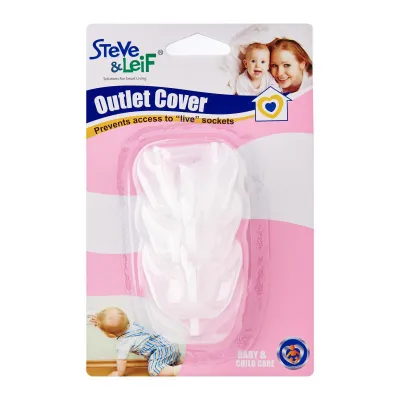
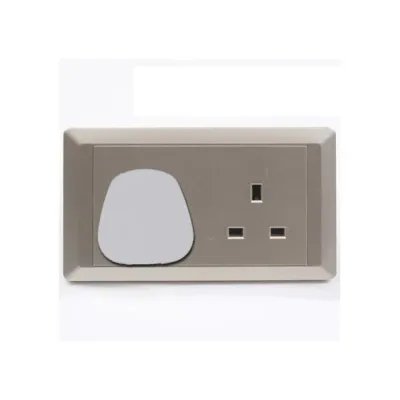
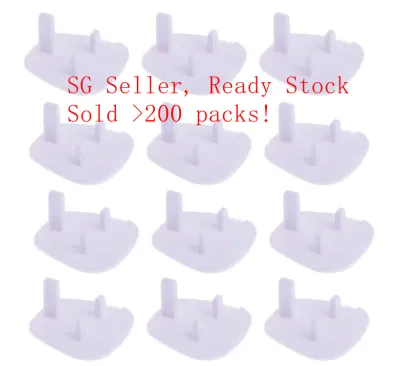
When childproofing a home, electrical outlets are often among the first hazards parents seek to secure. However, the very tools chosen to protect a child can sometimes introduce unexpected dangers. Traditional individual plastic plug inserts, commonly referred to as plug covers, have come under scrutiny by safety advocates and parents alike. The primary concern is that these small, removable pieces can inadvertently become choking hazards if a child manages to pull them out of the wall.
Understanding how these devices interact with a child’s natural developmental stages is crucial. Infants and toddlers explore their environment primarily through touch and taste, frequently putting objects into their mouths to learn about them. If a plug cover is loose, poorly fitted, or easily pried away, it transitions from a safety barrier into a high-risk choking hazard. To keep your home safe, it is essential to understand these risks, know what to look for when purchasing safety products, and explore alternative solutions that eliminate the danger of small parts entirely.
Understanding the Choking Hazard of Plug Covers
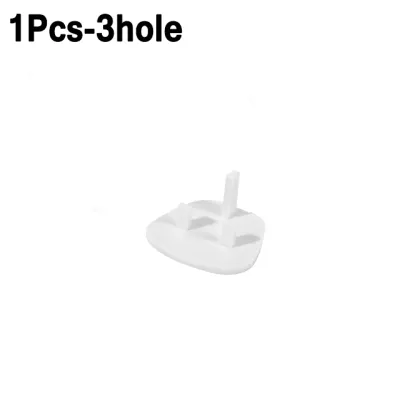
The fundamental risk of traditional plug covers lies in their physical size and the ease with which they can be removed. Many standard plug covers are small, lightweight plastic discs with prongs that insert directly into the outlet slots. If these covers do not fit snugly, or if the outlet itself has become worn and loose over time, a determined toddler can often wiggle the cover free. Once removed, the cover is small enough to pass past the lips and block a child’s airway, presenting an immediate choking emergency.
Products mentioned in this guide
Prices are valid at publication and may change. Please refer to the product page for the latest price.
Another significant factor is the design of the cover itself. Some manufacturers produce decorative plug covers shaped like animals, cartoon characters, or colorful flowers to make them look more appealing. Unfortunately, these designs often have the opposite of the intended safety effect. They attract a child’s attention, turning a mundane wall outlet into an enticing toy. Furthermore, these decorative covers may feature small, glued-on parts or delicate extensions that can easily snap off when pulled, creating tiny, high-risk choking hazards that fail standard small-parts safety tests.
Material quality also plays a critical role in the long-term safety of plug covers. Low-grade plastics are highly susceptible to environmental degradation. Over time, exposure to UV light, ambient heat from electrical currents, and general wear can cause the plastic to become brittle. When a parent attempts to remove a degraded cover, or when a child pulls on it, the plastic can crack or shatter. This leaves sharp, jagged fragments that are not only choking hazards but can also cause lacerations to a child’s mouth, throat, or hands. Parents should regularly inspect the physical integrity of these plastic inserts to ensure they have not begun to deteriorate.
Other Safety Risks to Watch Out For
While choking is a primary concern, traditional plug covers can introduce other subtle safety risks if they are not selected or used correctly. One major issue is the false sense of security they can provide. If a plug cover is loose or easily removable, a child who successfully pulls it out is suddenly exposed to an open, active electrical socket. In some cases, a child might even attempt to plug the cover back in, or insert other conductive objects into the newly exposed slots, increasing the risk of electrical shock or electrocution.

Material safety is another critical dimension that parents must verify. Many cheap, unbranded plastic plug covers do not specify their material composition on the packaging. These products may contain harmful chemicals, such as Bisphenol A (BPA), phthalates, or toxic plasticizers, which can leach out if a child puts the cover in their mouth. Since toddlers are prone to mouthing objects, it is vital to check product labels and manufacturer documentation to verify that the materials used are non-toxic, food-grade, or explicitly certified as BPA-free and phthalate-free.
Finally, incorrect usage of plug covers can lead to fire or overheating hazards. Sockets that are damaged, loose, or overloaded can generate heat. Inserting a plastic cover into a faulty outlet can trap heat or, in rare cases of extreme electrical malfunction, contribute to melting or ignition if the plastic is not flame-retardant. Additionally, using plug covers in damp environments, such as bathrooms or kitchens near sinks, without ensuring the outlet is completely dry can trap moisture inside the socket, leading to short circuits or corrosion over time.
How to Choose Safer Plug Covers for Your Home
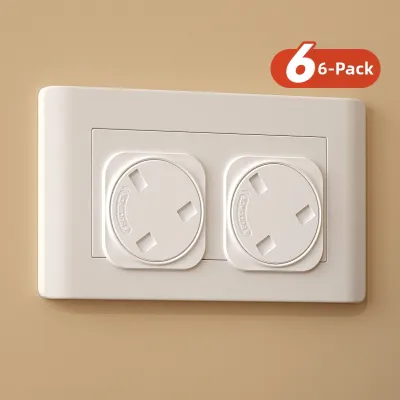
Selecting the right electrical safety devices requires looking beyond basic plastic inserts and focusing on designs that minimize physical risks. When shopping for plug covers, prioritize options that are specifically engineered to be difficult for children to remove. Look for one-piece safety plates or covers that feature a locking mechanism, requiring a two-stage physical action—such as pressing a release button while pulling—or the use of a specific tool or adult-sized key to extract. These designs significantly reduce the likelihood of a child successfully removing the cover.
Always read product labels and packaging carefully before making a purchase. Verify the manufacturer’s recommended age range and look for explicit warnings regarding small parts. Reliable safety products will often state whether they have undergone rigorous testing for durability and impact resistance. Additionally, check for clear material safety disclosures, ensuring the product is free from harmful chemicals. If a product lacks clear labeling, instructions, or manufacturer contact information, it is advisable to avoid it in favor of a transparent, well-documented brand.
Aesthetics should also guide your selection process, but in a minimalist direction. Choose plug covers that are plain, neutral-colored, and designed to blend seamlessly into your wall or outlet faceplate. Avoid any covers with bright colors, playful shapes, or decorative elements that mimic toys. The goal of childproofing is to make hazardous areas as uninteresting as possible to a curious child. By choosing low-profile, solid-colored covers, you reduce the visual temptation for your child to explore, pull, or play with the outlets.
Safe Installation and Daily Maintenance
Proper installation is the foundation of any childproofing strategy. Before inserting any plug cover, perform a thorough pre-installation check of the wall outlet. Ensure the socket is completely dry, structurally sound, and free of dust, debris, or paint chips. If the outlet faceplate is cracked, loose, or shows any signs of scorching or discoloration, do not use a plug cover; instead, contact a qualified electrician to repair or replace the outlet immediately. The cover must fit tightly into the socket without forcing, creating a flush seal against the faceplate.
Maintaining a safe home environment requires establishing a routine inspection schedule. At least once a month, walk through your home to check the condition of all installed plug covers. Look for visible signs of wear, such as hairline cracks, discoloration, or warping. Test the fit of each cover by gently tugging on it; if a cover has become loose or can be easily pulled out with minimal effort, discard it immediately. Plastic components degrade at different rates depending on exposure to sunlight and heat, so prompt replacement of worn items is essential.
Caregiver education and proper storage are equally important components of daily maintenance. When you remove a plug cover to use an outlet, never leave it lying on the floor, a low table, or a nearby counter where a child can easily reach it. Store removed covers in a secure, high cabinet or a designated childproof container. Ensure that all family members, babysitters, and visitors understand the importance of immediately replacing the plug covers once an appliance is unplugged, maintaining a consistent safety barrier at all times.
Alternatives to Traditional Plug Covers
For parents who prefer to avoid the risks associated with small, removable plastic inserts altogether, several highly effective alternatives exist. One popular option is the socket cover box, also known as an outlet enclosure. These boxes fit over the entire outlet faceplate, enclosing both the socket and any plugged-in cords. They typically feature a secure latching mechanism that requires adult strength or coordination to open. This solution not only prevents access to empty sockets but also stops children from pulling out active electrical cords, protecting them from both choking and electrical hazards.
Another permanent and highly secure solution is upgrading your home’s outlets to built-in tamper-resistant receptacles (TRRs). These outlets feature internal safety shutters that block the insertion of foreign objects. The shutters will only open when equal pressure is applied simultaneously to both slots, such as when inserting a standard electrical plug. Because the safety mechanism is integrated directly into the outlet itself, there are no loose parts to lose, break, or present a choking hazard. When planning home renovations or electrical updates, consulting a qualified electrician to install TRRs is an excellent investment in long-term child safety.
Finally, simple physical barriers can be used to restrict access to electrical outlets without relying on small safety devices. Strategically placing heavy furniture, such as bookshelves, dressers, or sofas, directly in front of outlets can block a child’s access entirely. For areas where cords must remain plugged in, cord management boxes can house power strips and excess cabling securely out of sight. These structural adjustments keep outlets hidden from view, reducing curiosity and eliminating the need for individual plastic plug covers in high-traffic play areas.
Frequently Asked Questions (FAQ)
Are flat plug covers safer than the ones with prongs?
Flat sliding outlet covers, which replace the existing outlet faceplate with a spring-loaded sliding mechanism, are generally considered a safer alternative to individual prong inserts. Because they are screwed directly into the wall outlet structure, they cannot be pulled out, eliminating the risk of becoming a loose choking hazard. When an appliance is unplugged, the cover automatically slides shut to block the socket openings. Parents should verify that the sliding cover is compatible with their specific outlet type and installed securely according to the manufacturer’s instructions.
At what age can I stop using plug covers?
There is no universal age at which parents can safely stop using outlet protection, as child development and impulse control vary significantly. Generally, childproofing measures should remain in place until a child fully understands the dangers of electricity and demonstrates the maturity to respect household safety rules. This understanding typically begins to develop around school age, but parents should carefully observe their child’s behavior, curiosity levels, and adherence to safety boundaries before deciding to remove any protective covers.
Can I use plug covers on extension cords or power strips?
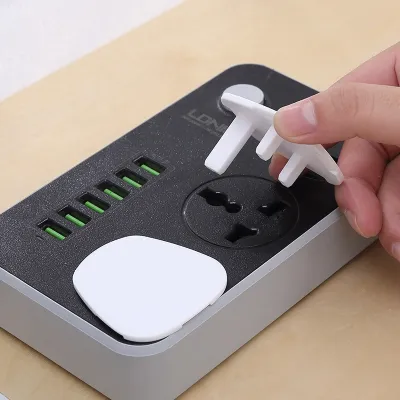
Standard wall outlet plug covers are typically not designed for use on extension cords or power strips, as the fit may be loose or incompatible, increasing the risk of the cover falling out and becoming a choking hazard. Additionally, using plastic inserts in power strips can sometimes interfere with proper ventilation, potentially leading to overheating. Instead of standard inserts, parents should use dedicated power strip safety covers or protective boxes designed specifically to enclose the entire power strip and its connected plugs securely.
Community discussion
Share your experience or ask a question. Comments are reviewed before publication.