
The Short Answer: Is Plodon the Right Choice for You?
In Singapore, where parents often balance demanding professional lives with the rewarding journey of raising a child, preparing fresh, nutrient-dense meals is a top priority. When transitioning your infant to solid foods, choosing the right kitchen appliance can streamline your daily routine. Plodon has emerged as a popular choice among local caregivers, offering an integrated steaming and blending solution. However, determining whether it represents the best value for your specific household requires comparing its features, usability, and price against other baby food makers on the market.
The target audience for these appliances generally falls into two distinct categories. First, there are parents who prioritize all-in-one convenience—caregivers who want to steam raw ingredients and blend them in the same vessel to minimize washing up and save precious time. Second, some families prefer a more modular approach, utilizing existing kitchen steamers alongside budget-friendly standalone blenders or manual food mashers.
Our conditional verdict is that Plodon models generally appeal to parents seeking a balanced, mid-range appliance that handles both steaming and blending reliably without a steep learning curve or an exorbitant price tag. If you want a straightforward, middle-of-the-road workhorse that simplifies daily meal preparation, a Plodon unit is highly suitable. Conversely, premium competitors may better suit families who desire advanced smart connectivity, automated self-cleaning cycles, or high-end aesthetic designs. Meanwhile, basic blenders are ideal for those on a strict budget or with very limited kitchen space. Ultimately, the true value of any baby food maker depends on the specific model’s technical specifications, current local pricing in Singapore, and your family’s unique batch-cooking preferences.
Products mentioned in this guide
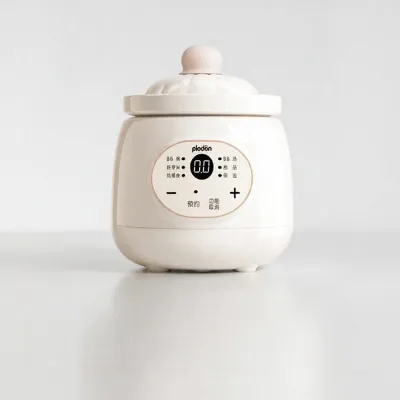
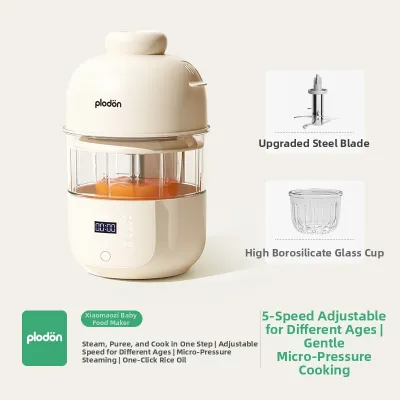
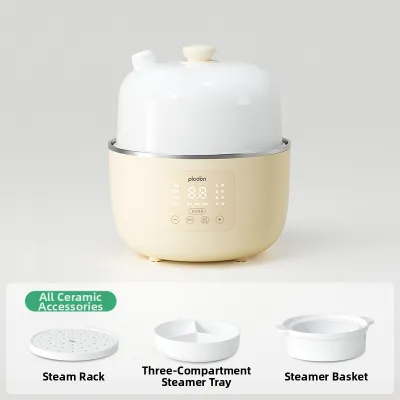
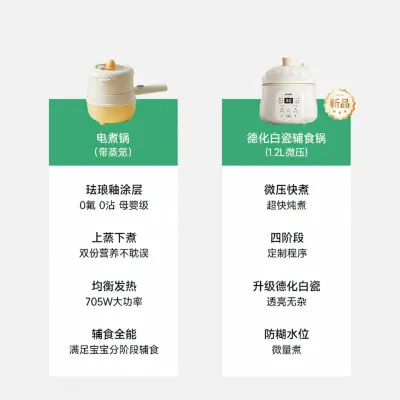
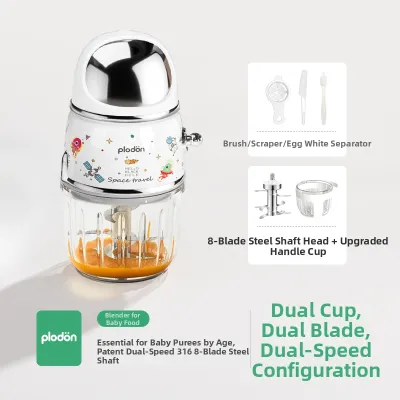
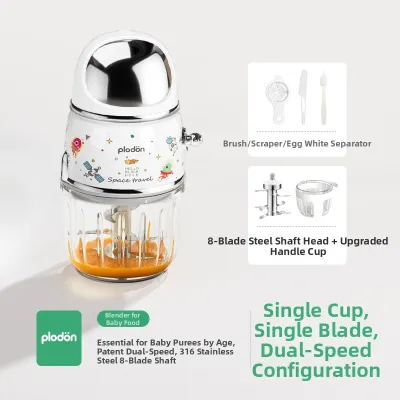
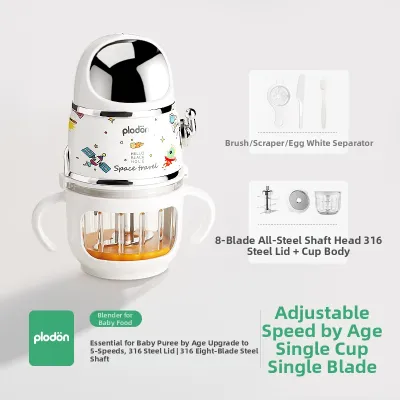
Prices are valid at publication and may change. Please refer to the product page for the latest price.
Key Features to Compare: Plodon vs. the Market
To make an informed decision, you must look beyond brand names and evaluate the core functional dimensions of these appliances. A baby food maker is an investment in your daily routine for several months, and its performance directly impacts the texture, nutritional quality, and safety of the meals you serve.

Blending, Steaming, and Reheating Functions
The primary appeal of a dedicated baby food maker lies in its ability to steam and blend food in a controlled, hygienic environment. All-in-one machines typically allow you to place raw chopped vegetables, fruits, or meats into a steaming basket, cook them thoroughly, and then blend them into a smooth puree within the same jug. This seamless process contrasts sharply with single-function models or two-piece systems, where you must manually transfer hot, steamed ingredients from a separate stovetop pot or steamer insert into a standalone blender jar. Eliminating this transfer step not only saves time but also reduces the risk of accidental steam burns and minimizes the number of dirty dishes.
When evaluating Plodon against other brands, it is essential to check the specific motor power and blade design of the models you are comparing. A robust motor is crucial for achieving the ultra-smooth, silk-like consistency required during the initial stages of weaning, when babies are highly sensitive to lumps. Look closely at the blade configuration; multi-tiered blades or specialized curved designs are often more effective at pulling food downward, ensuring an even blend without leaving unblended chunks of tough root vegetables or fibrous meats. Additionally, examine the steam generation method. Some machines utilize rapid-heating steam chambers that distribute heat evenly throughout the basket, preserving water-soluble vitamins and minerals that might otherwise be lost during traditional boiling.
Material safety is another paramount consideration that requires careful verification. While marketing materials frequently highlight terms like “baby-safe” or “medical-grade,” you should always verify the actual material safety labels on the physical product packaging or within the official manufacturer manual. Look for explicit confirmation of food-grade, BPA-free plastics (such as Tritan), high-borosilicate glass, or food-grade stainless steel components. Glass and stainless steel are highly valued for their resistance to scratching, staining, and odor absorption, whereas high-quality BPA-free plastics offer lightweight durability and impact resistance. Ensuring these materials meet strict safety standards is vital, as they will be repeatedly exposed to high temperatures and mechanical stress.
Capacity and Batch Cooking Flexibility
The volume of food a machine can handle determines how often you will need to use it. During the early stages of weaning, your baby will consume only tiny amounts of food—often just one or two spoonfuls of single-ingredient purees at a time. For this phase, you must check the minimum blending volume of the appliance. Some large-capacity blenders require a minimum amount of liquid and solid ingredients to function effectively; if you attempt to blend a very small portion, the food simply gets flung to the sides of the jug, remaining out of reach of the blades. A machine that can successfully blend micro-portions is incredibly useful during the first few weeks of solids.
As your baby grows, their appetite will increase, and your feeding strategy may shift toward batch cooking and meal prepping. If you prefer to prepare a week’s worth of purees at once and freeze them in small silicone trays, a larger-capacity bowl is essential. Compare the single-serve capacities of compact models with the larger batch-cooking volumes offered by mid-range and premium units. Some dual-basket or high-capacity models allow you to steam different ingredients simultaneously without mixing their flavors, which is ideal for introducing variety to your baby’s diet.
To avoid operational frustrations, guide your decision by looking at the physical measurement lines on the jugs. Always verify the maximum fill limits for both the steaming and blending functions, as these limits are often different. Overfilling the steaming basket can lead to unevenly cooked food, while exceeding the maximum blending line can cause hot liquids to overflow, potentially damaging the motor base or creating a safety hazard in your kitchen. Checking these physical parameters beforehand ensures the machine aligns with your preferred meal preparation style.
Ease of Use, Cleaning, and Maintenance
The practical, day-to-day operation of a baby food maker can make the difference between a highly valued helper and an unused appliance gathering dust in your cabinet. Control interfaces vary widely across the market. Some entry-level and mid-range models utilize simple, intuitive mechanical dials or buttons that allow you to set the steaming time manually. Other models, including several Plodon variants and premium competitors, feature digital touchscreens with pre-programmed menus for specific food types, such as fruits, vegetables, fish, or meat. While digital presets offer convenience, mechanical dials can sometimes be more straightforward to operate with wet or messy hands during active cooking.
Cleaning routines are another critical factor in a busy household. You should identify which parts of the appliance are labeled as dishwasher-safe and which require careful hand-washing. While some manufacturers state that their jugs and blades can be placed in the top rack of a dishwasher, frequent exposure to high dishwasher temperatures can accelerate the wear of rubber gaskets and plastic components. Hand-washing the blades requires extreme caution, and you must ensure that the electronic seals on the bottom of the jug—where it connects to the motor base—remain dry and protected from water ingress.
Regular maintenance is essential to keep the steam generator functioning efficiently, particularly in areas with hard water. Over time, mineral deposits or scale will accumulate inside the water tank, which can reduce steam output, increase cooking times, and potentially cause the heating element to overheat. To prevent this, you must perform regular descaling using food-safe descaling agents or a simple water-and-vinegar solution, as specified by the manufacturer. Always check the manufacturer’s specific care instructions regarding descaling frequency and approved cleaning agents, as using unauthorized chemicals or neglecting maintenance can void your warranty.
Price Point and Value: What Are You Paying For?
When navigating the baby food maker market in Singapore, understanding the relationship between price and functionality is key to identifying the best value for your household. The market can generally be organized into three distinct price tiers:
- Budget Tier (S$30 to S$80): This category consists primarily of manual food mashers, basic hand blenders, or simple standalone mini-choppers. These tools lack built-in steaming capabilities, requiring you to cook the food separately on the stove or in a microwave before pureeing. While they require more manual effort and generate more dishes, they are highly affordable and take up very little storage space.
- Mid-Range Tier (S$100 to S$250): This is where many Plodon models and similar standard all-in-one steam-and-blend units reside. These appliances combine steaming and blending into a single unit, offering a practical balance of convenience, decent capacity, and straightforward controls. They are designed to handle the daily demands of infant food preparation without unnecessary, high-tech additions.
- Premium Tier (S$250 to S$450+): Occupied by high-end international brands, this tier features machines with advanced capabilities such as smart application connectivity, automated self-cleaning cycles, multiple cooking baskets, or premium materials like borosilicate glass and medical-grade stainless steel. They often boast sleek, minimalist designs intended to complement modern kitchen aesthetics.
To evaluate the true value of an appliance beyond its initial price tag, you should consider the length and terms of the manufacturer’s warranty, the overall build quality of the components, and the value of any included accessories. Some packages come bundled with useful extras such as recipe books tailored to different developmental stages, specialized silicone storage cups, spatula tools designed to fit the contours of the jug, or dedicated cleaning brushes. A slightly higher initial investment that includes a comprehensive local warranty and a complete set of accessories can often represent better long-term value than a cheaper model with no local support or after-sales service.
We strongly advise checking current prices and bundle deals directly on official brand websites or through authorized local distributors in Singapore. While open online marketplaces often feature enticingly low prices, these listings may be posted by parallel importers or unauthorized third-party sellers. Purchasing from unauthorized sources can leave you with limited or non-existent after-sales support, and you may find that the manufacturer’s warranty is invalid in your region if a defect arises.
Which Baby Food Maker Should You Choose?
Selecting the ideal baby food maker requires matching the appliance’s capabilities with your lifestyle, kitchen space, and feeding philosophy. To guide your decision, consider the following structured framework:
Choose Plodon (or similar mid-range all-in-ones) if:
- You want a reliable balance of steaming and blending, moderate capacity for daily use, and straightforward operation without a steep learning curve.
- You prefer intuitive, mechanical or basic digital controls without the added complexity of wireless features.
- You prepare moderate portions of food every few days and want a machine that balances performance with a sensible mid-range budget.
Choose a premium competitor if:
- You need advanced features like automated self-cleaning cycles, smart recipe apps, or specific high-end aesthetics that match your kitchen, and you are willing to pay a premium for them.
- You prefer premium, heavy-duty materials such as borosilicate glass or medical-grade stainless steel for all food-contact components.
- You have a larger budget and view the appliance as a long-term investment that matches your kitchen's premium design.
Choose a basic standalone blender if:
- You already own a reliable kitchen steamer, a multi-cooker, or a microwave steaming basket that you are comfortable using for baby food.
- You are working with a strict budget and prefer to avoid the expense of a specialized, single-purpose baby appliance.
- You plan to follow a baby-led weaning approach where purees are only used occasionally, meaning you only need to blend soft fruits or cooked vegetables once in a while.
Verify first if:
- You have very limited kitchen counter or cabinet space; in compact Singapore apartments, checking physical dimensions is crucial before purchasing.
- Your baby has specific dietary requirements or severe allergies that require dedicated preparation tools to prevent cross-contamination.
- You want an appliance that can easily transition to making adult-friendly recipes, such as small batches of soups, dips, pestos, or smoothies, once your child has transitioned to solid family meals.
What to Verify Before You Buy and Use
Before finalizing your purchase and operating your new baby food maker, there are several critical safety and compatibility checks you must perform to ensure a safe and smooth experience.
First, if you are purchasing your appliance online or from an international retailer, you must verify the product’s voltage and plug type. Singapore standard electrical outlets supply electricity at 230V and 50Hz, utilizing the three-pin Type G plug. Many appliances designed for other markets may operate on different voltages (such as 110V in North America) or feature incompatible plug shapes. Operating a single-voltage appliance with an improper adapter or voltage converter can cause severe damage to the motor, pose a fire hazard, or void the manufacturer’s warranty. Always ensure the model you purchase is fully compatible with local electrical standards.
Second, safety must be your top priority during operation. Always read the manufacturer’s safety warnings thoroughly before your first use. Pay close attention to instructions regarding hot steam release; steam vents can cause severe burns if your hands or face are positioned too close during the cooking cycle. Learn how to handle the sharp blades safely during assembly, disassembly, and cleaning. Additionally, respect the manufacturer’s guidelines regarding maximum continuous run times for the motor. Running a blender continuously for too long can cause the motor to overheat; most manufacturers recommend blending in short pulses rather than holding the button down indefinitely.
Finally, remember that age and developmental stage guidelines for food textures are general recommendations. While many modern baby food makers feature convenient preset buttons labeled for specific stages (such as “6 months smooth puree” or “9 months chunky blend”), these should never replace professional guidance or your own observation. Always cross-reference these settings with pediatric advice and, most importantly, your baby’s actual signs of developmental readiness. Every infant develops oral motor skills at their own pace, and you should adjust the texture of the food—whether it is a completely smooth liquid, a textured mash, or soft finger foods—to match your baby’s unique abilities rather than relying solely on an appliance’s pre-programmed settings.
Frequently Asked Questions (FAQ)
Can I use a regular kitchen blender instead of a dedicated baby food maker?
Yes, you can use a standard kitchen blender or immersion blender to puree cooked food for your baby. However, standard blenders often present practical challenges when preparing infant meals. Most regular blenders feature large jugs designed for family-sized portions; when you attempt to blend the very small quantities typical of early weaning, the food often gets trapped underneath or pushed to the sides of the blades, resulting in an uneven texture. Additionally, standard blenders lack built-in steaming functions, meaning you must steam or boil the ingredients separately beforehand, leading to more preparation steps and more dishes to clean. Dedicated baby food makers are specifically engineered to handle small-batch blending and combine cooking and pureeing into a single, streamlined process.
How long do baby food makers typically last?
The lifespan of a baby food maker depends heavily on how well it is maintained and how frequently it is used. With proper care—including regular descaling of the water tank, avoiding overfilling the jug, and respecting the motor’s maximum run-time limits—a high-quality baby food maker can easily last through your child’s entire weaning journey and be preserved for future siblings. Once your baby transitions to eating regular family meals, you do not have to retire the appliance. Many parents continue to use these machines to prepare small batches of family foods, such as chopping fresh herbs, blending homemade pestos, mixing salad dressings, or whipping up quick dessert sauces and fruit purees.
Community discussion
Share your experience or ask a question. Comments are reviewed before publication.