
In Singapore’s year-round tropical climate, where relative humidity levels frequently hover above 80 percent, drying baby feeding equipment thoroughly is a constant challenge. Standing water combined with warm ambient temperatures creates an ideal breeding ground for mold and bacteria. When selecting a baby bottle drying rack, parents often choose between plastic and stainless steel. Neither material offers a universal guarantee of absolute longevity, as their performance depends heavily on the specific material grade, design configuration, and daily maintenance habits. Understanding how these materials interact with persistent moisture will help you choose a rack that remains hygienic and structurally sound throughout your bottle-feeding journey.
Material Durability and Rust Resistance in High Humidity
Singapore’s humid air accelerates the degradation of household materials, making rust resistance a primary concern. Plastic drying racks are inherently rust-proof because they contain no metallic iron. However, plastic remains susceptible to other environmental wear. Over time, exposure to ambient heat, UV light from kitchen windows, and repeated washing can cause certain plastics to become brittle, discolor, or develop micro-cracks. These physical changes can compromise the structural integrity of the rack, causing pegs to snap under the weight of heavy bottles.
Stainless steel is highly valued for its structural strength, but its rust resistance is not absolute. The durability of a metal rack depends heavily on the specific grade of stainless steel used. High-quality grades, such as food-grade 304 stainless steel, form a passive oxide layer that protects the underlying metal from corrosion. Lower-grade steels or those without protective treatments may develop rust spots when exposed to chlorinated tap water and high humidity.
Products mentioned in this guide
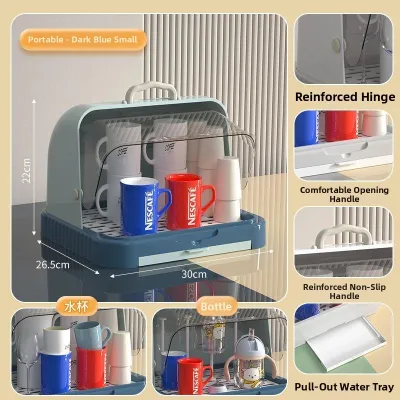
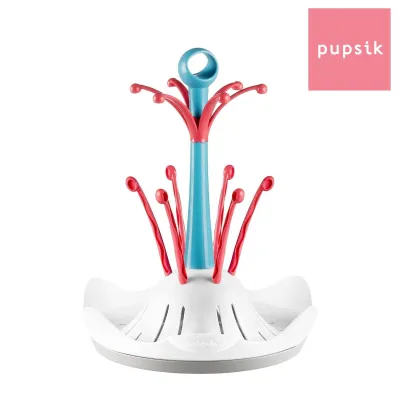

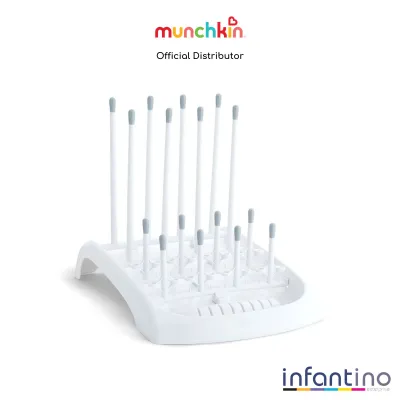
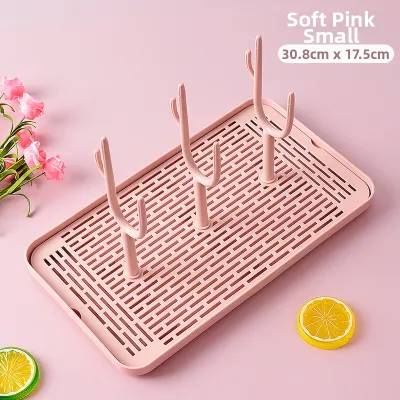
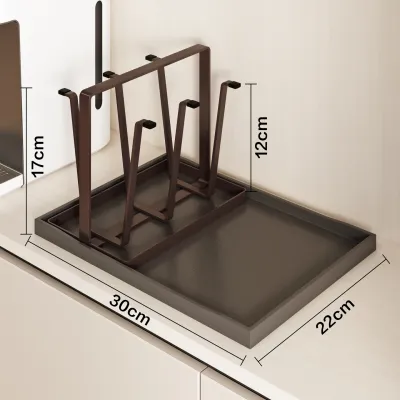
Prices are valid at publication and may change. Please refer to the product page for the latest price.
When shopping, check the manufacturer’s specifications to verify the exact grade of stainless steel. Look for labels indicating “304 stainless steel” or “18/8 stainless steel,” which indicate reliable corrosion resistance. Be cautious of generic metal racks that do not specify the material grade, as these are more likely to corrode quickly in humid environments.
Physical degradation manifests differently in each material. For plastic racks, look for chalky surfaces, yellowing, or a loss of flexibility in the pegs. For stainless steel, early signs of degradation include pitting—small, localized craters on the metal surface—and persistent water spots. Pitting can eventually lead to localized rust if the protective oxide layer is compromised.
Hygiene, Mold Prevention, and Baby Safety
Maintaining a sterile environment for infant feeding items is crucial, as developing immune systems are highly sensitive to pathogens. The surface porosity of your drying rack plays a significant role in how easily bacteria and mold colonize it. Stainless steel features a non-porous, smooth surface that resists organic buildup, reducing the likelihood of bacterial biofilms. Plastic, while initially smooth, can easily develop microscopic scratches from bottle brushes or rough sponges. These tiny crevices harbor moisture, milk residue, and bacteria, making the rack harder to sanitize over time.

The physical design of the drying rack is just as important as the material itself. In a humid climate, stagnant water is the primary catalyst for mold growth. A well-designed rack should feature a sloped or removable drip tray that allows water to drain away quickly rather than pooling. Adequate spacing between the drying pegs is essential to ensure optimal airflow around each bottle and nipple. Racks with complex molded shapes, tight corners, or hollow pegs can trap water internally, creating hidden damp zones where mold flourishes.
For plastic components, safety certifications are a critical verification step. Because these racks contact items your baby places in their mouth, you must verify that all plastic parts are certified food-grade and free from Bisphenol A (BPA) and phthalates. Check the product packaging, user manual, or the manufacturer’s official website to confirm these safety standards before purchase.
Regular visual and olfactory inspections are necessary to maintain a safe drying environment. Inspect the joints, peg bases, and the underside of the drip tray weekly. If you notice a musty odor, slimy film, or black speckling, these are clear indicators of mold. Plastic racks that exhibit persistent odors or deep-seated discoloration should be retired, as these signs suggest that contaminants have penetrated surface scratches.
Stability, Capacity, and Daily Usability
The practical usability of a drying rack depends on how well it handles the physical demands of a daily feeding routine. Weight distribution is a key differentiator. Stainless steel racks are inherently heavier, providing a stable, low center of gravity that prevents the rack from sliding or tipping when loaded unevenly. Plastic racks are lightweight and highly portable, making them easy to move or pack for travel. However, this lack of weight can make them unstable when holding heavy items.
If you use heavy glass baby bottles, a lightweight plastic rack presents a distinct tipping risk. Placing several glass bottles on one side of a plastic rack can cause it to capsize, potentially breaking the bottles or spilling clean components. To mitigate this risk, you must distribute the weight evenly across the pegs, loading from the center outward. Alternatively, choosing a stainless steel rack or a plastic model with a weighted base offers greater stability when handling glass feeding gear.
Capacity and modularity are areas where plastic racks often excel. Many plastic designs feature adjustable, removable pegs of varying heights, allowing you to customize the layout for bottles, pump parts, and cups. Some models offer stackable trays or modular compartments that can be reconfigured as your family’s needs change. Stainless steel racks tend to have fixed, rigid structures. While durable, they may lack the flexibility to accommodate unusually shaped accessories or a sudden increase in bottle volume.
Consider your kitchen’s physical footprint before making a choice. In many Singaporean apartments, countertop space is at a premium. A rack with a compact footprint but vertical drying capacity helps maximize your workspace. Measure your designated drying area, ensuring there is sufficient vertical clearance under overhead cabinets, especially if you plan to dry tall bottles on long pegs.
Decision Framework: Which Rack Fits Your Household?
To choose the right drying rack, you must balance your lifestyle priorities, kitchen space, and budget. A stainless steel rack is generally the more suitable choice if you prioritize long-term structural integrity, a modern aesthetic, and a highly hygienic, non-porous surface. It is an investment option that can last through multiple childhoods if properly maintained. Conversely, a plastic rack is highly suitable if you require a lightweight, budget-friendly option, value modularity and customizable peg layouts, or need a portable solution that can be easily stored away.
Before finalizing your purchase, verify several key compatibility factors. Measure your countertop space and compare it to the rack’s dimensions. If you rely on a dishwasher for sanitizing, verify whether the drying rack itself is dishwasher-safe, as some plastic components cannot withstand high-heat drying cycles. Additionally, check the manufacturer’s documentation to confirm the specific material grades and safety certifications.
The following table summarizes the key decision factors to help you compare your options:
| Decision Factor | Stainless Steel Drying Racks | Plastic Drying Racks |
|---|---|---|
| Weight & Stability | Heavy base; highly stable; low risk of tipping | Lightweight; portable; potential tipping risk with glass |
| Rust Risk | Low to moderate (depends on steel grade and care) | None (inherently rust-proof) |
| Mold & Bacteria Resistance | High (non-porous surface; easy to sanitize) | Moderate (can develop micro-scratches over time) |
| Modularity | Typically fixed; rigid structure | Often high; adjustable pegs and modular trays |
| General Price Tier | Mid to high investment | Low to mid-range |
Daily Maintenance to Maximize Lifespan
Regardless of the material you choose, establishing a consistent cleaning routine is essential to combat Singapore’s high humidity and prolong the lifespan of your drying rack. On a daily basis, make it a habit to empty the drip tray after every drying cycle. Allowing water to sit in the tray creates a humid microclimate directly beneath the drying bottles, slowing down the drying process and encouraging mold growth. Wipe down the base and branches with a clean, dry cloth to prevent water spots and mineral buildup. Ensure the rack is placed in a well-ventilated area of your kitchen with good airflow.
Perform a deep clean at least once a week. Disassemble all removable parts, including pegs, trays, and cutlery baskets. Wash each component thoroughly using warm water and a mild, baby-safe dishwashing detergent. Avoid using harsh chemical cleaners, bleach, or abrasive scrubbing pads, such as steel wool or stiff-bristled brushes. These abrasive tools can scratch plastic surfaces, creating new hiding places for bacteria, or strip away the protective oxide layer on stainless steel, making it vulnerable to rust.
Always consult the manufacturer’s care instructions before attempting to clean the rack in a dishwasher. While some stainless steel and high-density plastic racks are labeled as dishwasher-safe, others may warp, discolor, or degrade when exposed to high water temperatures. If the manufacturer permits dishwasher cleaning, place plastic components on the top rack only, away from the heating element.
Knowing when to retire your drying rack is vital for maintaining a hygienic kitchen. For plastic racks, stop use and replace the item immediately if you observe deep cracks, severe discoloration, a persistent sour odor, or if the pegs become loose and unstable. For stainless steel racks, replace the unit if you notice persistent rust spots that cannot be removed with gentle cleaning, or if the protective joints begin to fail. Continuing to use a compromised rack risks transferring mold spores or rust particles to your baby’s freshly washed feeding equipment.
Frequently Asked Questions (FAQ)
Can I put a stainless steel or plastic drying rack in the dishwasher?
Dishwasher compatibility depends entirely on the manufacturer’s specific material formulations and construction methods, rather than the general material type. Some high-grade stainless steel racks and durable, heat-resistant plastics are designed to withstand dishwasher cycles, but others may warp, lose their protective coatings, or degrade under high heat. Always check the product label or user manual for explicit dishwasher-safe instructions. If you do wash a compatible stainless steel rack in the dishwasher, ensure it is dried thoroughly afterward to prevent water spots and mineral deposits.
How often should I replace my baby bottle drying rack?
There is no universal expiration date for baby bottle drying racks; their lifespan is determined by their physical condition and hygiene status. A high-quality stainless steel rack can last for several years and through multiple children if kept clean and dry. A plastic rack may need replacement more frequently, typically every one to two years, or sooner if it shows signs of wear. You should replace any drying rack immediately if you detect deep scratches that harbor mold, structural instability, persistent musty odors, cracked pegs, or visible rust spots.
Community discussion
Share your experience or ask a question. Comments are reviewed before publication.