
Selecting the right bottle drying rack is a crucial step in setting up your baby feeding station. With multiple bottles, collars, teats, and breast pump components requiring washing several times a day, your drying rack becomes one of the most heavily used items in your kitchen. The ideal material for your home depends on your specific daily routine, the types of bottles you use, your available counter space, and your commitment to regular cleaning. In a tropical climate like Singapore’s, where high humidity can prolong drying times and encourage mold growth, understanding the practical trade-offs of plastic, stainless steel, and silicone is essential for maintaining a hygienic feeding setup.
While many parents focus primarily on the aesthetic appeal of a drying rack, the material composition directly impacts safety, durability, and ease of maintenance. A rack that works perfectly in a dry, spacious kitchen might struggle in a compact, humid apartment. By evaluating how each material performs under daily wear and tear, you can make an informed decision that keeps your baby’s feeding accessories clean, dry, and organized.
What to Look for in a Bottle Drying Rack Material
When evaluating different materials for a baby bottle drying rack, several practical criteria should guide your decision. The primary purpose of a drying rack is to provide a clean, dedicated space for wet feeding items to air-dry thoroughly. To achieve this, the material must meet high standards of safety, structural integrity, and functional design.
Products mentioned in this guide

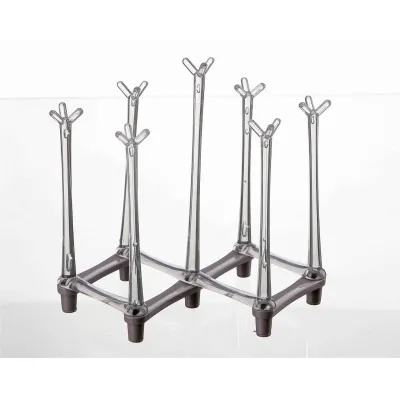

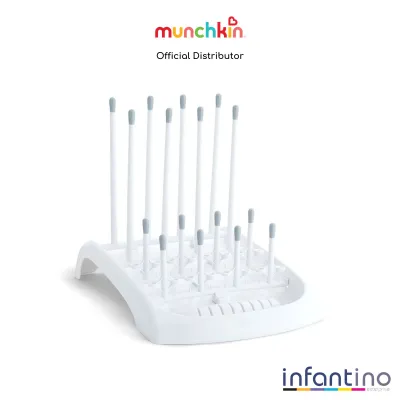

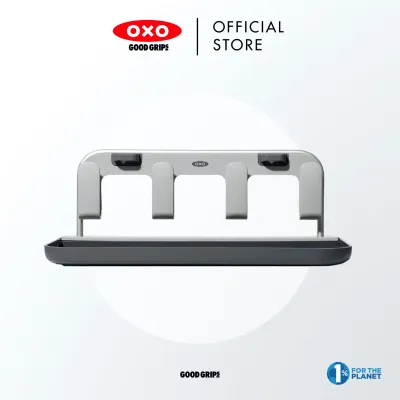


Prices are valid at publication and may change. Please refer to the product page for the latest price.
Safety is the most critical factor when choosing any product that comes into contact with baby feeding gear. Parents should always verify safety and food-grade claims by checking product labels and manufacturer specifications. Look for clear indications that the material is non-toxic and free from harmful chemicals. Because these items hold wet bottles that your baby will feed from, ensuring the material does not leach substances is paramount.
Structural stability and weight capacity are equally important, especially if you use heavy glass bottles or have a large volume of breast pump parts to dry simultaneously. A flimsy rack can easily tip over, risking damage to expensive glass bottles or spilling clean accessories onto the kitchen counter. The material must be rigid and strong enough to support unevenly distributed weight without bending or collapsing.
Drying efficiency relies heavily on the rack’s physical design and how well the material facilitates airflow. Effective racks feature raised prongs, pegs, or slots that elevate bottles and accessories, allowing air to circulate inside the containers. Additionally, the material should work in tandem with an efficient water drainage mechanism, such as a sloped base or a removable drip tray, to prevent water from pooling at the bottom.
Finally, consider how the material behaves in high-humidity environments. In tropical climates, stagnant water evaporates slowly, creating an ideal environment for bacterial growth and mold. The material you choose should be easy to wipe down, wash, and dry, with minimal hard-to-reach areas where moisture can become trapped.
Plastic Bottle Drying Racks: Benefits and Limitations
Plastic is one of the most common materials used for bottle drying racks, largely due to its lightweight nature and budget-friendly positioning. These racks are highly versatile, often featuring colorful, creative designs with adjustable pegs, grass-like structures, or modular compartments that can be customized to fit different bottle sizes.

When choosing a plastic drying rack, verifying chemical safety is your first step. Always inspect the product packaging and manufacturer documentation for explicit BPA-free, PVC-free, and phthalate-free labels. Since safety standards and product formulations can change, do not assume a plastic rack is safe based on appearance alone; active verification of these labels is essential before purchase.
While plastic is highly adaptable, parents must observe its structural rigidity over time. Lower-quality plastics may warp, bend, or crack under the weight of multiple heavy glass bottles or when exposed to warm water during cleaning. Inspect the thickness of the prongs and the sturdiness of the base to ensure the rack can handle your daily drying load without sagging.
Cleaning requirements are another critical consideration for plastic racks. Many popular plastic designs feature intricate layouts, such as dense plastic “blades of grass” or complex interlocking pegs. While these designs are excellent for holding small accessories like valves and teats, they also create numerous tiny crevices where water can pool. Over time, these damp, enclosed spaces can develop a slimy buildup or mold if they are not scrubbed and dried regularly.
Stainless Steel Bottle Drying Racks: Benefits and Limitations
Stainless steel drying racks are favored by parents who prioritize durability, structural strength, and a modern, industrial aesthetic. These racks are exceptionally robust, making them highly suitable for households that rely heavily on glass baby bottles, which are significantly heavier than their plastic counterparts.
The primary advantage of stainless steel is its superior load-bearing capacity. A high-quality steel rack will not tip, bend, or warp, even when fully loaded with heavy bottles, glass jars, and metal pump components. This structural stability provides peace of mind, ensuring your fragile glass items remain securely elevated off the countertop.
To ensure long-term durability, it is important to verify the specific grade of stainless steel used in the rack. Look for product specifications that explicitly state the use of food-grade stainless steel, such as grade 304 or grade 316. These specific alloys contain chromium and nickel, which provide enhanced resistance to corrosion and rust in wet environments compared to lower-grade metals.
Despite its strength, stainless steel is not entirely maintenance-free. In areas with hard water, mineral deposits can accumulate on the steel surface, leaving white water stains that require regular wiping. Furthermore, parents should actively check for observable signals like rust spots or discoloration, especially around welded joints or hinges. If rust appears, it indicates that the protective coating has compromised, and the rack should be thoroughly cleaned, treated, or replaced to maintain a hygienic environment.
Additionally, consider the physical footprint and weight of a stainless steel rack. These units are typically heavier and less flexible than plastic or silicone options. They generally require a permanent spot on your kitchen counter, as they cannot be easily folded or tucked away when not in use.
Silicone Bottle Drying Racks: Benefits and Limitations
Silicone has gained popularity as a modern, flexible alternative to traditional drying racks. Often designed as flat, ribbed mats or compact, foldable trays, silicone options are highly valued for their space-saving benefits, making them excellent for smaller kitchens or apartments where counter space is limited.
When shopping for a silicone drying rack or mat, verify that the product is made from high-quality, food-grade silicone. Check the product label for safety marks and certifications that confirm the material is non-toxic, hypoallergenic, and free from BPA and phthalates. High-quality silicone is naturally slip-resistant, providing a secure grip that prevents bottles from sliding around.
The drying efficiency of a silicone mat depends heavily on its surface design. Most silicone mats feature raised ribs, ridges, or waves designed to elevate bottles above the flat surface, allowing water to drain away. However, because these mats lack tall vertical prongs, they may offer less airflow inside the bottles compared to plastic or steel racks. This can result in longer drying times for the interiors of deep or narrow-necked bottles.
Stability is another factor to observe when using silicone. While a silicone mat lies flat on the counter, propping up tall, heavy, or unevenly weighted bottles can be challenging without vertical support. Parents must carefully balance bottles on the ribbed surface to prevent them from tipping over. If you use a mix of tall glass bottles and small accessories, a flat silicone mat may require more careful arrangement than a rack with dedicated vertical pegs.
Which Material Should You Choose?
Selecting the best material for your bottle drying rack comes down to a conditional decision framework based on your kitchen space, bottle types, and maintenance preferences. No single material is universally superior; instead, each serves different household needs.
You should choose a plastic drying rack if you prioritize a lightweight, cost-effective, and highly customizable setup. Plastic is ideal if you dry a large volume of lightweight plastic bottles and small accessories, provided you are committed to disassembling and scrubbing the intricate parts regularly to prevent water accumulation in the crevices.
You should choose a stainless steel drying rack if you primarily use heavy glass bottles and require maximum structural stability. This option is best for parents who want a highly durable, long-lasting product and are willing to verify the steel grade (such as 304 or 316) and perform routine wipes to prevent mineral buildup and rust.
You should choose a silicone drying rack or mat if your kitchen counter space is highly constrained and you prefer a minimalist, flexible solution. Silicone is perfect if you want a roll-up or foldable design that can be easily stored in a drawer when not in use, and if you primarily dry lightweight bottles that do not require tall vertical support prongs.
Regardless of the material you select, always verify first whether the specific product includes an integrated drip tray or a sloped drainage spout. If the rack does not feature a built-in water catchment solution, you will need to purchase a separate tray or mat to protect your kitchen countertops from standing water and potential damage.
Caring for Your Drying Rack in a Humid Climate
Operating a bottle drying rack in a humid climate requires diligent maintenance to prevent moisture-related issues. High humidity slows down evaporation, meaning wet surfaces stay damp longer, which can encourage the growth of mold, mildew, and bacteria.
To maintain a hygienic environment, make it a habit to empty, rinse, and dry the drip tray daily. Allowing water to sit in the tray for days creates a stagnant pool that can attract pests and foster bacterial growth. A quick daily rinse and wipe-down with a clean cloth will keep the base of your rack fresh.
For a deeper clean, disassemble all removable parts—such as pegs, cutlery baskets, and trays—at least once a week. Wash each component thoroughly with warm, soapy water using a dedicated brush, following the manufacturer’s specific care instructions. Ensure all parts are completely dry before reassembling the rack.
Regularly inspect your drying rack for visible signs of mold, mildew, or rust. Pay close attention to joints, crevices, and the undersides of trays where moisture tends to linger. If you detect persistent mold or rust that cannot be cleaned, stop using the rack immediately and replace the affected parts or the entire unit to protect your baby’s health.
Finally, optimize the placement of your drying rack. Position it in a well-ventilated area of your kitchen, preferably near a window or in a space with active airflow. Avoid placing the rack in dark, enclosed corners, under low cabinets, or next to steam-producing appliances like kettles and rice cookers, as these conditions will prolong drying times and increase the risk of mold.
Frequently Asked Questions (FAQ)
Can I put a bottle drying rack in the dishwasher?
To determine if your bottle drying rack is dishwasher-safe, always check the manufacturer’s care instructions and look for the dishwasher-safe symbol on the product or packaging. Many plastic and silicone racks can be washed on the top rack of a dishwasher, but high heat cycles can warp certain plastics or degrade the structural integrity of silicone over time. Additionally, avoid placing racks with non-removable metal joints, complex hinges, or wooden components in the dishwasher unless explicitly approved by the manufacturer, as the intense moisture and heat can cause rapid rusting or damage.
Do I need a separate drying rack for baby bottles?
While you can technically use a standard kitchen dish rack, a dedicated baby bottle drying rack offers significant hygiene and functional advantages. Dedicated racks feature specialized prongs and pegs designed specifically to hold narrow bottle necks, teats, collars, and small pump parts securely, ensuring optimal airflow and faster drying. Furthermore, using a separate rack helps isolate your baby’s feeding items from general kitchen grease, raw food preparation areas, and family dishes, reducing the risk of cross-contamination and keeping your infant’s feeding supplies as clean as possible.

Community discussion
Share your experience or ask a question. Comments are reviewed before publication.