
Choosing the right baby wipes for a newborn or an infant with sensitive skin is a critical decision for parents. Many Pigeon baby wipes are formulated to be safe for delicate skin, but because the brand offers several distinct product lines, a single universal safety guarantee does not exist. The suitability of any wipe depends entirely on its specific formulation, making it essential to examine the ingredient list on the packaging before use. By understanding what goes into these wipes, you can confidently select a variant that protects your baby’s fragile skin barrier.
Newborn skin is significantly thinner and more permeable than adult skin, meaning it absorbs topical substances more easily and is highly susceptible to irritation. In Singapore’s warm and humid climate, trapped moisture under a diaper can quickly lead to diaper rash, which is further exacerbated by harsh chemicals or friction. Evaluating the ingredients in your baby wipes is not just about avoiding immediate redness; it is about preserving the natural development of your child’s skin barrier during their first crucial months of life.
Understanding the Core Ingredients in Pigeon Wipes
The primary ingredient in almost all high-quality baby wipes, including those from Pigeon, is highly purified water. This water undergoes rigorous filtration and treatment processes to remove impurities, minerals, and microorganisms that could otherwise irritate a newborn’s skin. In many minimalist formulations, purified water makes up more than 99% of the total liquid content. This high water content ensures that the wipe can effectively dissolve and lift away water-soluble soils from the skin without the need for harsh synthetic detergents.
Products mentioned in this guide
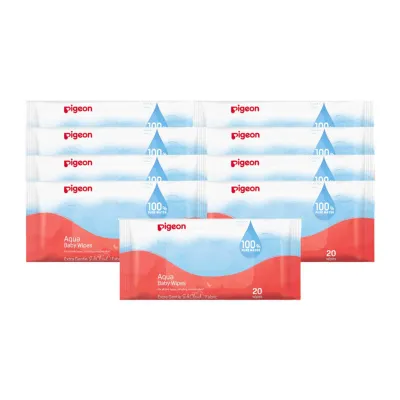
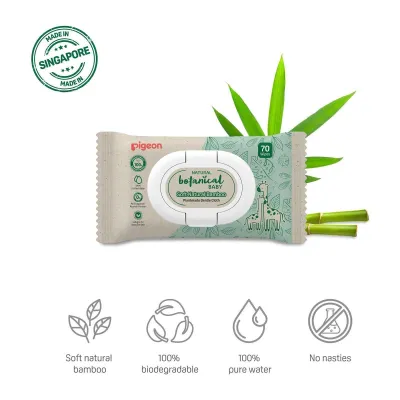
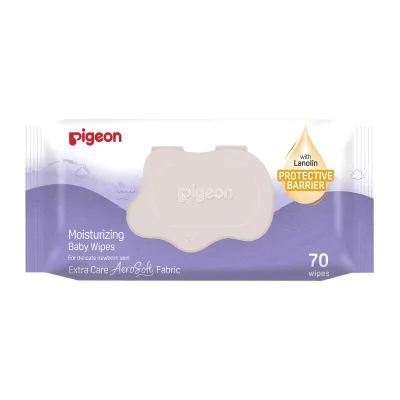
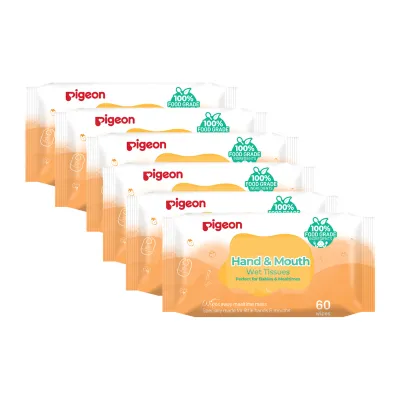
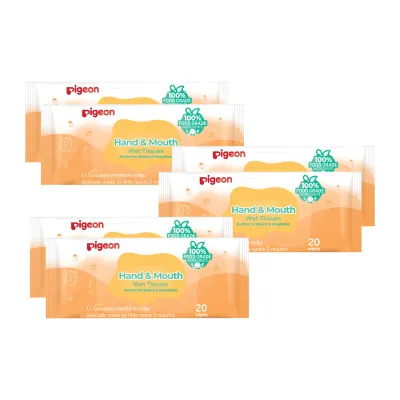
Prices are valid at publication and may change. Please refer to the product page for the latest price.
Beyond water, baby wipes require moisturizing and soothing agents to help maintain skin hydration and prevent dryness during cleanup. Ingredients like glycerin are commonly included because they act as humectants, drawing moisture into the outer layers of the skin to counteract the drying effects of physical wiping. Some variants also incorporate natural plant extracts, such as chamomile or rosehip oil, which are traditionally used to soothe minor skin discomfort. These additives aim to leave a thin, protective hydrating layer on the skin surface after the water evaporates.
However, parents must recognize that formulations differ significantly across the various Pigeon product lines. A “Pure Water” variant is designed with a highly simplified ingredient list to minimize the risk of contact dermatitis, making it highly suitable for newborns. In contrast, other variants may feature botanical blends, mild cleansing agents, or subtle scents designed for older babies or specific cleaning tasks like wiping hands and toys. Because of these variations, you should never assume that two different packages of wipes from the same brand share the same ingredient profile; always check the back label of the specific pack you intend to purchase.
Evaluating Safety for Newborns and Sensitive Skin
To determine if a specific wipe is safe for a newborn or an infant with highly sensitive skin, you must actively verify the absence of known skin irritants. Look directly at the ingredient list to confirm that the product is free from isopropyl alcohol or ethanol, which can severely dry out the skin and cause stinging. Additionally, check for the absence of parabens—a class of preservatives that some parents prefer to avoid—and artificial dyes, which serve no functional purpose in cleaning and only increase the risk of allergic reactions.

Another critical factor is the pH level of the wipe’s liquid formulation. Healthy newborn skin has a slightly acidic surface pH, typically between 4.5 and 5.5, which forms a protective layer known as the acid mantle. This acidic environment is essential for fighting off harmful bacteria and maintaining skin integrity. Using wipes that are not pH-balanced can disrupt this natural barrier, making the skin more vulnerable to diaper rash and infections. Opt for wipes that explicitly state they are pH-balanced to match the natural acidity of healthy infant skin.
Many baby wipes carry labels such as “dermatologically tested” or “pediatrician-approved.” While these claims indicate that the manufacturer has conducted safety evaluations, they should be treated as helpful indicators rather than absolute guarantees of safety. Every baby’s skin is unique, and a product that is safe for the majority of infants may still trigger a localized reaction in a child with specific sensitivities or eczema. Parents should verify these claims by conducting a small patch test on their baby’s arm or leg before using a new wipe variant extensively.
Navigating Pigeon Wipe Variants and Reading Labels
When shopping online or browsing the shelves in Singapore, you will encounter several Pigeon wipe variants, each tailored to different developmental stages and usage scenarios. Standard variants are often designed for general cleanup and may contain mild fragrances or botanical extracts to help neutralize odors. For newborns and babies with highly reactive skin, look for variants specifically labeled as “Pure Water” or “Sensitive.” These specialized options typically feature the shortest ingredient lists, focusing almost exclusively on purified water and a minimal preservation system.
Reading the ingredient label requires a careful eye for potential allergens that might be hidden under technical names. For instance, some botanical extracts, while natural, can still trigger allergic contact dermatitis in sensitive individuals. Preservatives are necessary in all wet wipes to prevent the growth of mold and bacteria once the package is opened, but some preservatives are gentler than others. Phenoxyethanol and sodium benzoate are common preservatives used in baby products; while generally considered safe in low concentrations, parents of babies with diagnosed skin conditions should monitor how their child’s skin responds to them.
To make an informed choice, cross-reference the ingredient list of the wipes with any known sensitivities your baby has previously exhibited. If your pediatrician has recommended avoiding specific chemical groups or fragrances due to eczema or a compromised skin barrier, check the scientific names on the packaging carefully. If you are ever unsure about a specific chemical name listed on the back of the pack, consult your pediatrician or a dermatologist to clarify its safety profile for your child’s specific skin condition.
Best Practices for Using Wipes on Sensitive Skin
Even the gentlest, most pure wipe formulation can cause irritation if applied with too much physical force. When cleaning your baby’s diaper area, avoid vigorous rubbing or scrubbing, which can create micro-tears in the fragile skin barrier and lead to painful chafing. Instead, use a gentle patting or sweeping motion, allowing the moisture in the wipe to lift away residue naturally. If stool has dried on the skin, hold a damp wipe over the area for a few seconds to soften it before gently wiping it away.
After cleaning, it is vital to let the skin dry completely before putting on a fresh diaper. Trapping moisture from a wet wipe inside a tight diaper creates a warm, humid environment that is highly conducive to yeast infections and diaper rash. Allow your baby to have a few moments of diaper-free air time, or gently pat the area dry with a clean, soft cotton cloth. Once the skin is dry, you can apply a thin layer of a protective barrier cream containing zinc oxide or petroleum jelly to shield the skin from future moisture and irritants.
Finally, parents must establish clear stop-conditions when introducing any new wipe variant. If you notice signs of skin irritation, such as persistent redness, peeling, small bumps, or a rash that spreads, discontinue using the wipes immediately. Switch to using plain warm water and soft cotton balls or a reusable washcloth for cleanups. If the skin irritation does not improve within a few days, or if your baby shows signs of discomfort or pain, consult a healthcare professional or pediatrician promptly for a proper diagnosis and treatment plan.
Frequently Asked Questions (FAQ)
Can I use Pigeon wipes on my baby's face and hands?
Yes, but you must verify that the specific variant you are using is labeled as suitable for hands and face. The skin on a baby’s face is exceptionally delicate and is more prone to absorbing substances, especially around the mouth where ingredients might be accidentally ingested. Always avoid the sensitive eye area entirely when wiping your baby’s face. If you notice any localized redness or dry patches around the mouth or cheeks after use, switch to a dedicated facial wipe or a clean washcloth dampened with plain water.
Do all Pigeon wipes contain alcohol or fragrance?
No, not all Pigeon wipes contain alcohol or fragrance. Pigeon offers several variants that are explicitly formulated to be alcohol-free and fragrance-free to accommodate newborns and babies with sensitive skin. When purchasing, look for these specific claims clearly printed on the front of the packaging. It is also helpful to distinguish between synthetic fragrances, which are common irritants, and natural scents derived from botanical extracts, though even natural extracts can occasionally trigger reactions in highly sensitive skin.
What should I do if my baby develops a rash after using these wipes?
If your baby develops a rash, stop using the wipes immediately to prevent further irritation. Temporarily switch to cleaning the diaper area with plain, lukewarm water and soft cotton pads or a clean, dry cloth. Avoid applying any unprescribed medicated creams, steroid ointments, or heavily fragranced lotions to the rash without consulting a healthcare professional first. If the redness persists, worsens, or is accompanied by fever or skin peeling, seek advice from a pediatrician promptly.

Community discussion
Share your experience or ask a question. Comments are reviewed before publication.