
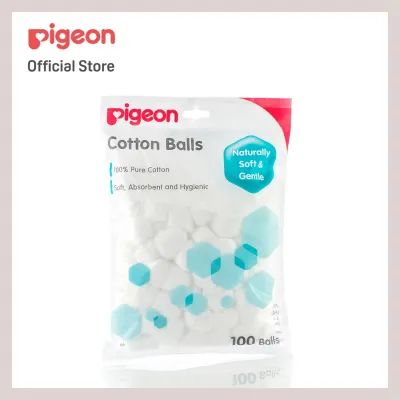
Pigeon cotton balls differ from regular household cotton balls primarily through their specialized processing, longer-staple pure cotton fibers, and strict low-lint manufacturing. While generic cotton balls are often designed for cosmetic removal or household tasks where minor fiber shedding and chemical bleaching are acceptable, specialized baby cotton balls are engineered specifically to protect the highly sensitive, thin skin barrier of newborns and infants.
Why Cotton Quality Matters for Delicate Baby Skin
Infant skin is structurally different from adult skin. The outer layer, or epidermis, is up to thirty percent thinner, making the natural skin barrier highly delicate and sensitive to external factors. Because a baby’s skin barrier is still developing, it is far more susceptible to friction, moisture loss, and environmental irritants. Daily grooming tasks, such as cleaning the diaper area, wiping the face, or caring for the eyes, require materials that treat this delicate barrier with extreme care.
Using standard household or cosmetic cotton balls can expose a baby to unnecessary dermatological risks. Generic cotton balls are often made from short, coarse fibers that can cause micro-abrasions when rubbed against sensitive skin. These microscopic tears can compromise the skin barrier further, leading to redness, chafing, or localized infections. Additionally, many mass-market cotton products are chemically processed with chlorine bleaching agents or optical brighteners to achieve a bright white appearance. Residual traces of these chemicals can leach out when the cotton is wet, triggering contact dermatitis or allergic reactions on an infant’s highly reactive skin.
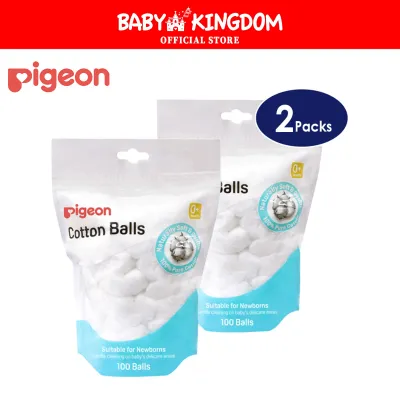
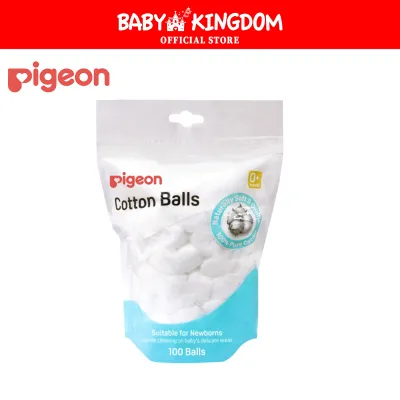
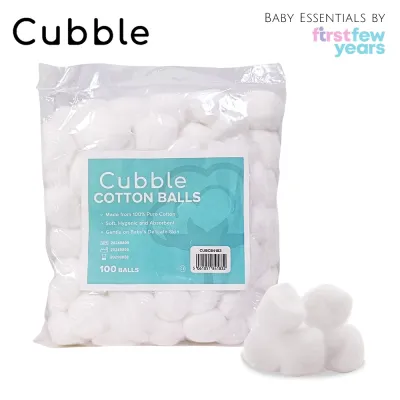
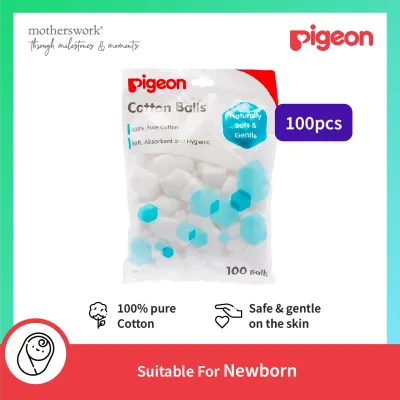
Products mentioned in this guide
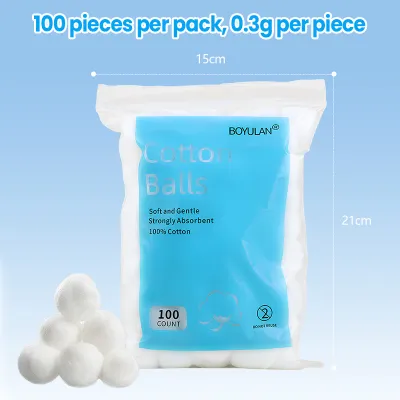
![[Ready Stock] Baebear Cotton Balls (100pcs/Bag) | Pigeon | Cubble | Disposable degreasing and cleaning baby cotton ball](https://img.lazcdn.com/g/p/f4bb2a72a4ca1032f0fa83e727ae3209.jpg_400x400q80.jpg_.webp)
Prices are valid at publication and may change. Please refer to the product page for the latest price.
This is why specialized baby care brands like Pigeon design their cotton products to meet strict purity and physical safety standards. Unlike generic alternatives, cotton balls engineered for baby grooming prioritize physical softness, chemical purity, and structural integrity. By understanding these differences, caregivers can make informed decisions that protect their baby’s skin health during daily cleaning routines.
Core Differences: Pigeon Cotton Balls vs. Generic Alternatives
While all cotton balls may look similar at a casual glance, their manufacturing processes, fiber selections, and performance characteristics vary significantly. Specialized baby cotton balls are designed specifically for the unique demands of infant grooming, whereas generic alternatives are typically optimized for low-cost cosmetic or household tasks.

Fiber Softness and Skin Friction
The tactile feel of a cotton ball is directly determined by the quality of the raw cotton fibers used and how they are processed. Specialized options like Pigeon cotton balls are manufactured using high-quality, long-staple cotton fibers. These longer fibers can be spun and aligned more uniformly, resulting in a remarkably smooth surface texture that glides effortlessly across a baby’s skin.
In contrast, regular household cotton balls are frequently made from short-staple cotton or leftover fibers from other textile manufacturing processes. These short fibers have numerous exposed ends that create a rougher, more abrasive surface. When used on a baby’s skin, these uneven fibers can cause friction, leading to immediate redness and irritation, particularly in highly sensitive areas such as the face, neck folds, and diaper region.
To evaluate the softness of a cotton product before using it on your baby, you can perform a simple tactile test. Gently rub the dry cotton ball against the highly sensitive skin on the back of your hand or the inside of your wrist. A high-quality baby cotton ball will feel consistently soft and smooth, whereas a generic alternative may feel slightly scratchy, stiff, or uneven.
Absorbency and Liquid Retention
Efficient cleaning during baby grooming relies heavily on how well a cotton ball manages liquids, such as warm water, sterile saline, or baby oil. A premium baby cotton ball is engineered to have high absorbency, meaning it can quickly draw in liquid and distribute it evenly throughout its core. This allows the cotton ball to hold a significant amount of moisture without immediate dripping, making the cleaning process cleaner and more efficient.
When pressed gently against the baby’s skin, a specialized cotton ball releases its stored moisture in a controlled, gentle flow. This is crucial for softening dried residue or gently rinsing sensitive areas without the need for aggressive rubbing. Generic cotton balls, on the other hand, often exhibit poor liquid retention. They may drip excessively when lifted, or they may have hydrophobic patches due to residual manufacturing oils, leading to uneven wetting and a scratchy texture when damp.
Furthermore, structural integrity when wet is a key differentiator. Specialized baby cotton balls are designed to retain their shape and density even when fully saturated. Generic cotton balls often collapse into a mushy, flat clump or disintegrate entirely when wet, leaving behind a messy residue and requiring you to use multiple cotton balls for a single cleaning task.
Lint Shedding and Inhalation Risks
Lint shedding is a major safety concern when grooming infants, particularly around highly vulnerable areas like the eyes, nose, mouth, and the healing umbilical cord stump. “Low-lint” performance is a critical feature of specialized baby cotton balls, achieved through advanced manufacturing techniques that bind the fibers securely.
Regular cotton balls frequently shed tiny micro-fibers during use. If these loose fibers get into a baby’s eyes, they can cause immediate discomfort, tearing, and potential irritation of the cornea. When used in deep skin folds, such as the thighs or neck, left-behind lint can trap sweat and bacteria, leading to painful intertrigo or skin rashes. There is also a risk of the baby inhaling these tiny, airborne fibers if they are used near the nose or mouth.
Pigeon cotton balls utilize longer cotton fibers and tighter mechanical binding, such as water-jet entanglement, to ensure the fibers remain locked together even when wet or under pressure. This drastically reduces the risk of shedding. To check for loose fibers, caregivers can perform a visual inspection: hold a cotton ball under a bright light against a dark background and gently pull it apart. A high-quality baby cotton ball will stretch smoothly with minimal loose fibers breaking away, while a low-quality option will often release a visible cloud of lint and dust.
What to Check When Buying Cotton Balls for Baby Care
Selecting the right cotton balls for your baby’s grooming kit requires looking past generic marketing terms and focusing on verifiable product characteristics. Use this practical checklist to verify the quality and safety of any cotton ball product:
- Label Verification: Carefully inspect the product packaging for specific, verifiable quality indicators rather than vague claims like "natural" or "eco-friendly." Look for explicit labels such as "100% pure cotton," "unbleached," "chlorine-free," or "hypoallergenic." These terms indicate that the cotton has not been treated with harsh chemicals, optical brighteners, or synthetic dyes that could leach out and irritate your baby's skin.
- Visual and Tactile Inspection: Examine the cotton balls through the clear window of the packaging before purchasing, or inspect them closely upon opening. High-quality cotton should have a uniform, clean white or natural off-white color. Avoid products that contain visible dark specks or yellow discoloration, as these indicate unremoved seed fragments, plant matter, or impurities that can scratch delicate skin. Additionally, ensure the cotton balls are consistent in size and shape, which guarantees predictable absorbency and handling.
- Intended Use Statements: Verify whether the packaging explicitly states that the product is suitable for infant care, baby grooming, or highly sensitive skin. Products formulated and tested for babies are held to much higher microbiological and chemical purity standards than standard cosmetic or household cotton balls.
- Allergy and Sensitivity Checks: Even when using high-quality, specialized brands, always monitor your baby's skin closely after the first use of any new grooming product. Watch for signs of localized redness, small bumps, or dry patches. If you notice any adverse reactions, discontinue use of the product immediately and consult a pediatrician or healthcare professional to identify the cause.
Safe Handling and Storage for Baby Grooming Supplies
Choosing a high-quality cotton ball is only the first step; maintaining its hygiene and structural integrity from the moment you open the package is equally vital for your baby’s safety.
- Hygienic Handling: Always wash your hands thoroughly with soap and water, and dry them completely, before reaching into your baby's cotton ball container. This simple practice prevents the transfer of bacteria, viruses, or environmental contaminants from your hands onto the clean cotton, keeping the supplies safe for sensitive areas like the eyes and umbilical stump.
- Proper Storage Conditions: In warm, humid climates like Singapore, proper storage is critical to prevent the growth of mold, mildew, and bacteria on natural fibers. Store cotton balls in a cool, dry place away from direct sunlight and high-humidity areas. Avoid storing grooming supplies on open shelves in damp bathrooms, as the fibers can easily absorb airborne moisture and become a breeding ground for microorganisms.
- Container Management: Keep the cotton balls in their original resealable packaging, ensuring the zip-lock or seal is completely closed after every use. If the original packaging does not seal, transfer the cotton balls to a clean, dedicated, airtight container made of glass or BPA-free plastic. This protects the cotton from dust, pet hair, household insects, and airborne pollutants.
- Disposal and Single-Use Rule: Cotton balls used for baby grooming must be strictly single-use. Never attempt to wash, dry, and reuse a cotton ball, and never double-dip a used cotton ball back into a clean bowl of water or saline solution. Discard each cotton ball immediately after a single wipe to prevent cross-contamination and the spread of bacteria, especially when cleaning the eyes, diaper area, or umbilical cord.
Frequently Asked Questions (FAQ)
Can I use regular makeup cotton pads instead of cotton balls for my baby?
It is generally not recommended to use standard cosmetic makeup pads for baby grooming. Many makeup pads are designed with textured surfaces intended for exfoliation or heavy makeup removal, which can be too abrasive for an infant’s thin skin. Additionally, cosmetic pads often contain synthetic binding agents or chemical additives to help them maintain their flat shape, which can cause skin irritation or leave unwanted residues on your baby’s skin.
Is it safe to use wet wipes instead of cotton balls and water for daily cleaning?
While commercial wet wipes are highly convenient for on-the-go cleaning, pediatricians frequently recommend using pure cotton balls dampened with warm water for newborns and infants with highly sensitive or reactive skin. Wet wipes, even those labeled as natural, often contain preservatives, mild cleansing agents, or fragrances to maintain shelf life and wetness. These ingredients can sometimes disrupt a newborn’s fragile skin barrier, making cotton and plain water the safer choice for daily cleaning during the first few weeks of life.
How do I safely clean my baby's umbilical cord stump with a cotton ball?
To clean your baby’s umbilical cord stump, use a fresh, low-lint cotton ball lightly dampened with cooled, boiled water or sterile saline, as specifically directed by your pediatrician. Gently dab around the base of the stump to remove any dried discharge or crust, taking care not to pull, tug, or force the cord to detach. Allow the area to air dry completely before putting on a clean diaper, and fold the front of the diaper down to prevent friction and keep the stump exposed to dry air. If you observe any signs of infection, such as redness, swelling, oozing pus, or a foul odor, contact your healthcare provider immediately.
Community discussion
Share your experience or ask a question. Comments are reviewed before publication.