
Transitioning your baby from a bottle or breast to a training cup is a major developmental milestone. When comparing popular options like the Pigeon training cup, Munchkin, and Nuby, the right choice depends on your baby’s developmental stage, your cleaning preferences, and the desired drinking mechanism—such as a spout, straw, or 360-rim. There is no single universal winner that suits every family. Instead, the most suitable cup is the one that aligns with your daily routine, matches your baby’s current oral motor skills, and meets the manufacturer’s safety guidelines for their age group.
Understanding the Core Design Differences
To select the right training cup, you must first understand the primary drinking mechanisms available across these three brands. Each design serves a distinct purpose in supporting your child’s oral development.
Spout cups are often the first step after bottles. They typically come in two varieties: soft silicone spouts and hard plastic spouts. Soft silicone spouts, frequently found in early-stage Pigeon and Nuby models, mimic the familiar texture of a bottle nipple, making them highly suitable for younger babies who are just beginning the transition. Hard spouts, on the other hand, are designed to withstand the biting habits of teething babies, though they require a different sucking action.
Products mentioned in this guide
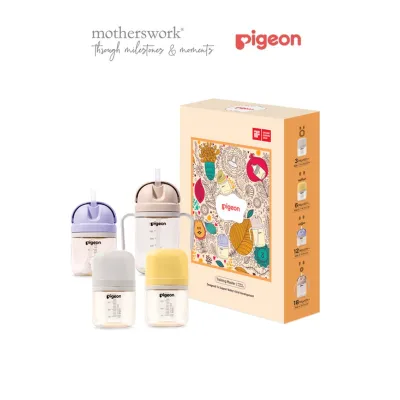
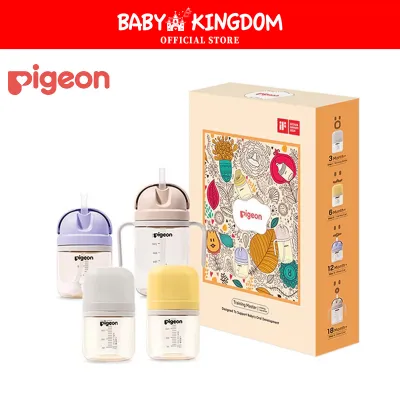
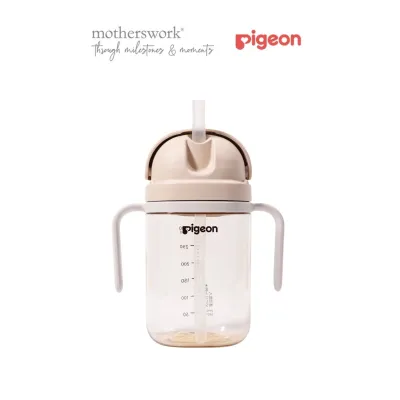
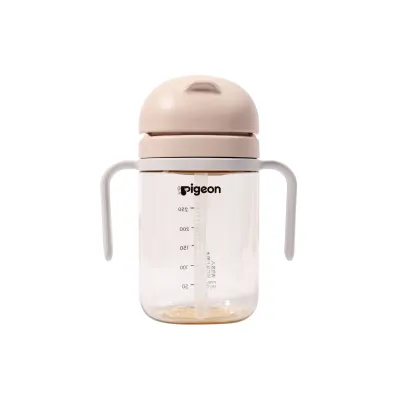
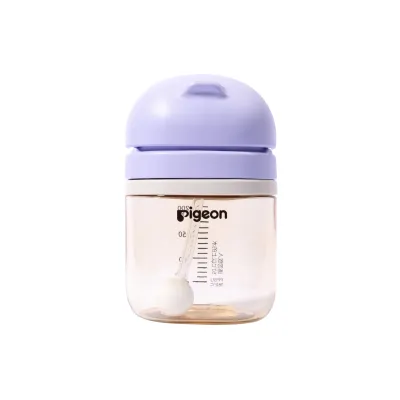
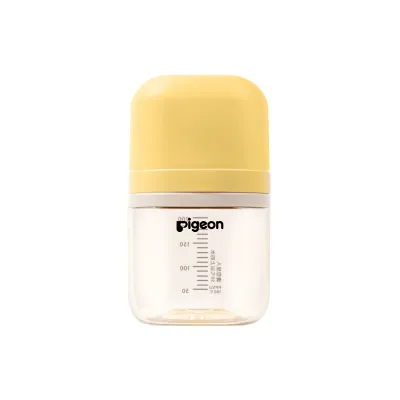
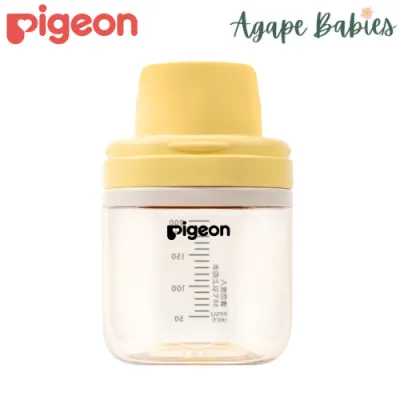
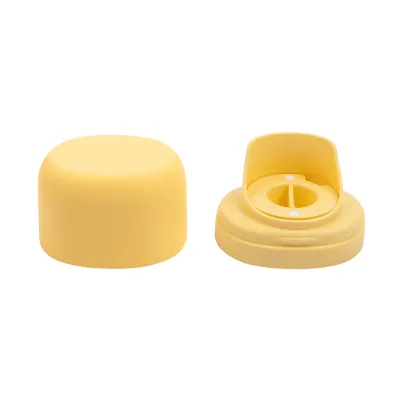
Prices are valid at publication and may change. Please refer to the product page for the latest price.
Straw cups, which are prominent in both Pigeon’s modular systems and various Nuby designs, encourage a mature swallowing pattern. Many modern straw cups feature weighted straws that move with the liquid, allowing your baby to drink from any angle, whether they are sitting up or tilting the cup.
The 360-degree rim design, popularized by Munchkin’s rim-based cups, allows children to drink from any point along the edge, much like an open cup. This design supports natural muscle development in the lips and tongue by requiring the child to press their lip against the rim to release the flow of liquid.
Before purchasing, always check the manufacturer’s packaging for age recommendations and flow rates. Flow rates are critical; a flow that is too fast can cause choking or coughing, while a flow that is too slow can frustrate your baby and discourage them from drinking.
Evaluating Ease of Use and Cleaning
A training cup might look highly appealing on paper, but if it consists of too many intricate parts, daily maintenance can quickly become a chore. Parents should carefully evaluate the assembly and cleaning requirements of each brand before making a decision.

When examining a cup, verify the number of individual components. A standard training cup can have anywhere from three to six parts, including the cup base, collar, lid, handles, valve, and straw. Pigeon cups often feature modular parts that screw together securely, while Munchkin’s 360-degree cups rely on a silicone valve that presses into a plastic collar. Nuby cups frequently utilize one-piece silicone spouts or multi-part straw assemblies.
To prevent the build-up of mold and bacteria, establish a strict cleaning and inspection routine. Check the manufacturer’s instructions to confirm which parts are dishwasher-safe and whether they must be placed on the top rack only. Pay close attention to high-risk mold areas, such as internal valves, straw joints, and the undersides of silicone rims.
Use this checklist when evaluating cleaning ease:
- Can the valve be completely detached for scrubbing?
- Does the manufacturer recommend a specialized straw brush for cleaning?
- Are there deep crevices in the lid that cannot be reached with a standard sponge?
- Is the material compatible with steam or chemical sterilisation if required?
Spill prevention is another crucial factor. While many brands advertise “spill-proof” or “leak-resistant” designs, these claims are often conditional. Test the mechanism by checking the manufacturer’s stated conditions. For instance, some cups are only spill-proof when the lid is clicked shut, while others rely on a pressure-activated valve that seals when the baby stops sucking. Keep in mind that vigorous shaking or dropping a cup onto a hard surface can temporarily dislodge valves, leading to minor leaks.
Assessing Value and Longevity
When comparing the financial aspect of these training cups, look beyond the initial purchase price. A complete assessment of value involves looking at the cost of replacement parts and the overall longevity of the cup system.
To evaluate the initial investment, check current online retail listings on local ecommerce platforms in Singapore. While base prices for Pigeon, Munchkin, and Nuby cups vary, you must also factor in the availability and cost of replacement straws, valves, and spouts in S$. Because babies frequently bite down on silicone components, these parts will inevitably need replacement. If replacement parts are difficult to find or expensive in S$, the long-term cost of the cup increases significantly.
Modular designs offer strong longevity and value. For example, some systems allow you to use the same cup base while transitioning from a nipple to a spout, and eventually to a straw or drinking lid simply by purchasing separate lid attachments. This modularity saves you from buying an entirely new cup at every developmental stage.
Material durability is another key consideration. Check the product labels to verify the materials used, such as polypropylene (PP), polyphenylsulfone (PPSU), or silicone. PPSU bases, often available in premium ranges, offer high heat resistance and durability but come at a higher price point. Always verify bite-resistance claims on the packaging, especially if your baby has started teething, as damaged silicone can pose a choking hazard.
Decision Framework: Which Brand Fits Your Baby?
To help you decide which training cup best fits your household, consider the following condition-based framework tailored to your baby’s specific needs and your parenting priorities.
Choose a Pigeon training cup if:
- Your baby is transitioning directly from Pigeon bottles and prefers a familiar nipple-like texture or ergonomic handles designed for tiny hands.
- You prefer a step-by-step modular system where you can swap lids on a single cup base as your baby grows.
- You want highly detailed flow-rate options that match your baby's sucking strength.
Choose a Munchkin training cup if:
- You want to encourage open-cup drinking habits early on using a 360-degree rim.
- You prefer a cup with minimal parts that is exceptionally easy to assemble and wash.
- Your baby enjoys tilting their head back to drink, rather than sipping upright through a straw.
Choose a Nuby training cup if:
- You are looking for a wide variety of soft silicone spouts and textured surfaces that soothe teething gums.
- You prefer flip-top lid designs that keep the straw or spout clean when traveling or packed in a diaper bag.
- You want budget-friendly options with simple, intuitive spill-proof valves.
Always verify first if your baby has specific oral motor needs, developmental delays, or requires specialized flow rates. In these situations, consult a pediatrician, pediatric dentist, or feeding specialist before introducing a new cup design, as certain mechanisms may be more suitable for their therapeutic goals.
Safety and Transition Checklist
Introducing a training cup requires careful observation of your baby’s physical readiness and ongoing monitoring of the cup’s condition.
Look for these observable signs that your baby is ready to transition from a bottle:
- Your baby can sit upright independently with good head control.
- They show active interest in your cups or reach for drinks during family meals.
- They can grasp objects with both hands and bring them accurately to their mouth.
- They are able to control the movement of liquid in their mouth without excessive spilling.
Once you introduce a cup, establish a routine inspection process to ensure ongoing safety. Before every use, inspect the silicone spouts, straws, and valves for signs of wear and tear. Pull gently on the silicone parts in all directions to check for tears, bite marks, or thinning material. Over time, exposure to heat, dishwashing detergents, and biting can degrade silicone, making it prone to tearing.
Stop using the training cup immediately and consult a pediatrician or qualified healthcare professional if your baby consistently coughs, gags, or struggles to swallow while drinking, or if you notice sudden changes in their feeding behavior or oral health.
Frequently Asked Questions (FAQ)
Can I put hot liquids in these training cups?
Always check the manufacturer’s maximum temperature rating printed on the cup base or packaging before adding warm liquids. Most training cups are designed for cool or room-temperature beverages, and putting hot liquids inside can cause pressure to build up, leading to leaks, spills, or burns. Never microwave a sealed training cup, and avoid using boiling water for preparation unless the specific product manual explicitly states it is safe to do so.
How do I remove mold from the cup valves?
To clean hard-to-reach areas, check the product manual to see if the specific valve is dishwasher-safe or requires manual scrubbing with a specialized brush. If you detect mold, soak the disassembled parts in warm, soapy water and scrub thoroughly with a small wire brush designed for straws and valves. If mold stains persist or if the mold cannot be completely removed from the silicone pores, discard the affected parts immediately and purchase manufacturer-approved replacements to ensure your baby’s safety.
Community discussion
Share your experience or ask a question. Comments are reviewed before publication.