
Quick Answer: Which Straw Bottle Should You Choose?
Choosing the right straw bottle for your toddler depends heavily on your child’s developmental stage, biting habits, and your daily cleaning routine. There is no single option that suits every family, but comparing the design philosophies of Pigeon, Avent, and Munchkin can help you make an informed choice. Pigeon straw bottles are widely recognized for their lightweight construction and soft, transitional straws, making them highly suitable for younger toddlers who are just moving away from teats or sippy cups. Avent focuses on robust, ergonomic designs that withstand active daily use and frequent drops, appealing to parents who prioritize structural durability. Munchkin is highly regarded for its innovative leak-proof technologies, such as weighted straws that allow toddlers to drink from any angle, which is ideal for highly active children. Before making a final purchase, always verify the specific product packaging for age suitability, material safety certifications, and manufacturer guidelines to ensure the bottle aligns with your child’s current growth stage.
Design and Ergonomics for Toddler Hands
A toddler’s motor skills are constantly developing, meaning the physical shape, weight, and grip options of a straw bottle play a critical role in how easily they can use it independently. When comparing these three brands, the differences in physical design become immediately apparent.

Pigeon straw bottles often feature a streamlined, slender body that is exceptionally easy for small hands to clasp. Many models come equipped with removable, curved handles that allow younger toddlers to secure a two-handed grip. As your child’s coordination improves, these handles can often be detached, transforming the bottle into a sleek, space-saving container that fits easily into stroller cup holders or diaper bags. The lightweight plastic or PPSU (polyphenylsulfone) materials used in Pigeon bottles ensure that even when filled to capacity, the overall weight remains manageable for a developing child.
Products mentioned in this guide
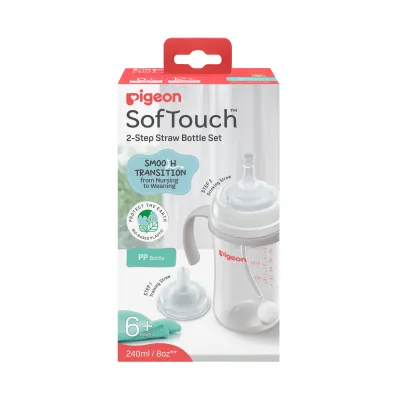
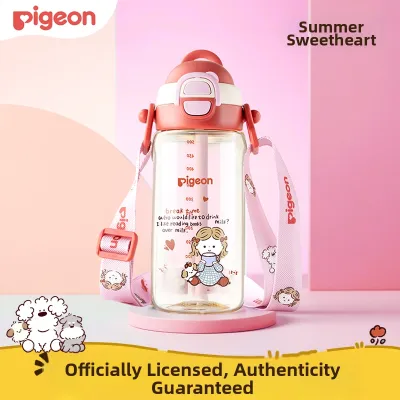
Prices are valid at publication and may change. Please refer to the product page for the latest price.
Avent takes a slightly different approach to ergonomics, frequently utilizing contoured bottle shapes that naturally guide a toddler’s hands into a secure position. Instead of thin, detachable handles, some Avent models feature integrated, textured grips or wider, sturdier handles built directly into the collar. This design is highly stable and prevents the handles from spinning or slipping during active use. The wider base of Avent bottles also provides excellent stability, reducing the likelihood of the bottle tipping over when placed on a highchair tray or play table.
Munchkin offers highly specialized ergonomic solutions, particularly in their weighted straw bottle range. These bottles typically feature prominent, easy-to-hold handles that are permanently attached to the lid assembly, ensuring they stay aligned with the straw. The unique benefit of the weighted straw design is that the heavy anchor at the bottom of the straw moves with the liquid, allowing your toddler to hold the bottle at almost any angle—even upside down—and still successfully draw liquid. This is highly beneficial for younger toddlers who have not yet mastered the concept of keeping a bottle upright while drinking. When selecting a bottle, always check the manufacturer’s recommended age and developmental stage printed on the packaging, as a bottle that is too heavy or complex can lead to frustration for your child.
Straw Durability and Bite Resistance
Toddlers love to explore textures with their mouths, and a straw bottle’s mouthpiece is often subjected to intense biting, chewing, and pulling. Evaluating the durability of the straw material is essential for both safety and long-term value.
Pigeon straws are generally crafted from highly flexible, soft silicone. This soft texture is exceptionally gentle on sensitive gums and developing teeth, making it a comfortable choice for toddlers who are transitioning from soft bottle teats. However, because the silicone is softer, it may be more susceptible to wear and tear if your toddler has a strong habit of biting down hard on the straw. Parents should regularly inspect these straws for any signs of cracking, thinning, or tearing.
Avent straw bottles often utilize a slightly firmer silicone grade designed to offer balanced resistance. The straw mechanism frequently incorporates an integrated flip-top lid that bends the straw when closed, protecting it from external dirt and reducing exposure to active chewing when the bottle is not in use. This design helps prolong the life of the straw, though it still requires routine checks to ensure the material remains intact.
Munchkin straw bottles, particularly those with click-lock or weighted designs, often feature a specialized bite-activated valve. This means the toddler must apply gentle pressure with their teeth or lips to open the valve and draw liquid. While this mechanism is highly effective at preventing leaks and is built to be bite-resistant, some toddlers may require a brief adjustment period to learn how to use it.
Regardless of the brand you choose, visual and physical inspections are critical. Before every single use, gently pull on the silicone straw in all directions to check for micro-tears or structural weakness. Damaged straws present a serious choking hazard and must be replaced immediately. Fortunately, all three brands offer proprietary replacement straws and valve kits. Before purchasing, verify the availability and cost of these replacement parts at your local retailer, as replacing a worn straw is far more economical than buying an entirely new bottle.
Leak-Proof Mechanisms and Cleaning Ease
For most parents, a straw bottle’s ability to prevent spills is just as important as how easy it is to clean at the end of a busy day. Balancing these two factors requires looking closely at the internal valves and the number of individual components.
Pigeon bottles typically rely on simple, reliable sealing mechanisms, such as sliding lids that physically fold the straw to block liquid flow, or basic cross-cut valves inside the straw itself. These designs are straightforward and highly effective for daily travel, though they may occasionally drip if the bottle is shaken vigorously while the lid is open. Because the design is relatively simple, Pigeon bottles generally consist of fewer parts—usually the bottle, the collar, a two-piece silicone straw, and the lid. This minimal part count makes manual washing, descaling, and sterilization quick and uncomplicated.
Avent utilizes a twist-to-close or flip-cap mechanism that securely seals the straw inside the lid assembly. When the lid is closed, the physical bend in the straw acts as a highly reliable lock against leaks, making it an excellent option for tossing into a diaper bag. When open, the valve regulates the flow of liquid to prevent accidental spills if the bottle is tipped over. Avent bottles are designed with wide necks, which makes them highly compatible with standard bottle brushes and exceptionally easy to clean by hand.
Munchkin is famous for its leak-proof performance, particularly its click-lock technology, which provides an audible click to confirm the lid is securely fastened. The weighted straw models feature a highly secure one-way valve that prevents liquid from escaping even when the bottle is dropped or held upside down. However, this superior leak prevention comes with a trade-off in cleaning complexity. Weighted straw bottles contain multiple small, intricate parts, including the weighted anchor, the valve, the straw, and the lid seal. Thoroughly cleaning these parts requires a specialized, ultra-thin straw brush (often included with the bottle) to prevent milk or juice residue from building up inside the weight and valve.
When maintaining these bottles, always refer to the official product care labels. Verify whether the components are dishwasher-safe (usually top-rack only) and check the manufacturer’s guidelines regarding heat limits for steam sterilization or boiling, as excessive heat can warp certain plastics or degrade silicone seals over time.
Price and Value Considerations in Singapore
When shopping for toddler gear in Singapore, balancing the initial purchase price against long-term maintenance costs is key to finding the best value. Prices for these straw bottles can vary depending on the materials used, such as standard polypropylene (PP) versus premium, highly durable polyphenylsulfone (PPSU).
In the Singapore market, individual straw bottles generally range from approximately S$15 to S$35. Pigeon bottles made from high-grade PPSU sit at the higher end of this price spectrum, reflecting the material’s superior heat resistance and durability during sterilization. Standard PP models from Avent and Munchkin are typically positioned in the mid-range, making them highly accessible options for families looking to purchase multiple bottles for rotation.
However, the initial price is only part of the equation. Because silicone straws must be replaced periodically due to wear, hygiene, or biting, you must factor in the ongoing cost of replacement parts. Pigeon and Avent replacement straw packs are widely distributed across Singapore, making them easy to source. Munchkin replacement parts, particularly for specialized weighted models, may require more targeted searching.
To ensure you are purchasing genuine, safe products, always buy from authorized local distributors, official brand stores, or reputable department stores in Singapore. Avoid purchasing from unverified third-party sellers on online marketplaces, as counterfeit baby products may not comply with local safety standards, potentially exposing your child to unauthorized materials or chemical hazards.
Final Decision Framework: Matching the Bottle to Your Toddler
To finalize your decision, consider your toddler’s current developmental stage, drinking habits, and your personal preferences for daily maintenance. Use this structured framework to guide your choice:
- Choose Pigeon if: You have a younger toddler transitioning from a baby bottle, you prefer a lightweight bottle with optional handles, or you want a premium material like PPSU that can withstand frequent, high-temperature sterilization.
- Choose Avent if: Your toddler prefers a wider, contoured grip, you want a highly durable bottle that handles drops well, and you prefer a simple, wide-neck design that is exceptionally easy to clean with a standard bottle brush.
- Choose Munchkin if: Your toddler is highly active and frequently drinks while lying down or tilting the bottle, you require maximum leak protection for travel, and you do not mind spending a little extra time cleaning multi-part valve systems.
- Verify first if: Before completing any purchase, check the product packaging to confirm it is certified BPA-free, matches your child's age bracket, and includes clear instructions on sterilization limits and replacement intervals.
Frequently Asked Questions (FAQ)
When should I transition my toddler from a sippy cup to a straw bottle?
Most toddlers show readiness for a straw bottle around 9 to 12 months of age, though some may transition slightly later. Key developmental signs include the ability to sit upright independently, strong head control, and the motor skills required to grasp and lift a cup. Drinking from a straw promotes healthy oral muscle development, as it encourages lip seal and tongue retraction. If your toddler struggles significantly with the transition, shows signs of frustration, or coughs frequently when attempting to use a straw, temporarily revert to a familiar cup and consult your pediatrician or a child health professional for personalized guidance.
Can I use the same straw bottle for hot and cold liquids?
It is highly recommended to use toddler straw bottles primarily for cool or room-temperature liquids. Always check the manufacturer’s maximum temperature guidelines printed on the bottle base or packaging before use. Pouring hot or warm liquids into a sealed straw bottle can cause air pressure to build up rapidly inside the container. When the lid is opened or the valve is engaged, this pressure can force the liquid to spray out suddenly through the straw, posing a serious burn risk to your child. For warm beverages, always use a cup specifically designed for hot liquids and test the temperature before serving.
Community discussion
Share your experience or ask a question. Comments are reviewed before publication.