
Choosing the right straw cup for your baby involves matching their physical development with the cup’s design features. Pigeon offers a variety of straw options, from multi-stage training systems to bottle conversion kits, each tailored to specific developmental milestones. Rather than relying solely on the age printed on the box, parents should evaluate their child’s oral motor skills, grip strength, and coordination to find the most suitable model.
By understanding what to look for on product labels and observing your baby’s physical readiness, you can make an informed decision that supports their transition to independent drinking. This guide outlines the developmental milestones to watch for, the key design features of various models, and how to safely maintain these cups in a home environment.
Recognizing Your Baby's Drinking and Motor Milestones
Before introducing a straw cup, it is essential to look for physical and developmental signs that indicate your baby is ready to transition away from the bottle or breast. One of the primary indicators is the ability to sit upright independently or with minimal support. A stable, upright posture ensures safe swallowing and significantly reduces the risk of choking, which is more common when babies attempt to drink from a straw while reclined.
Products mentioned in this guide
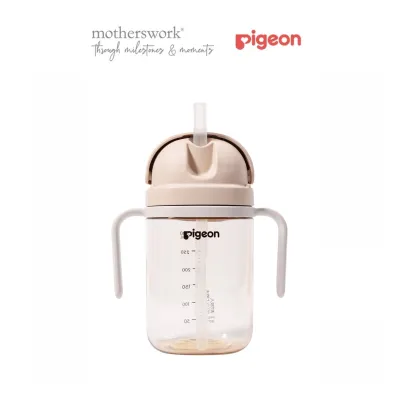
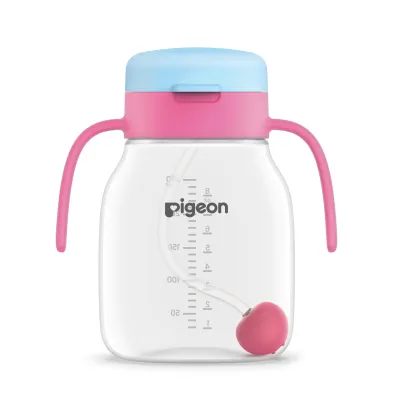
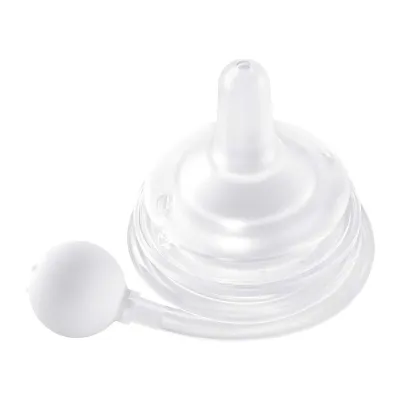
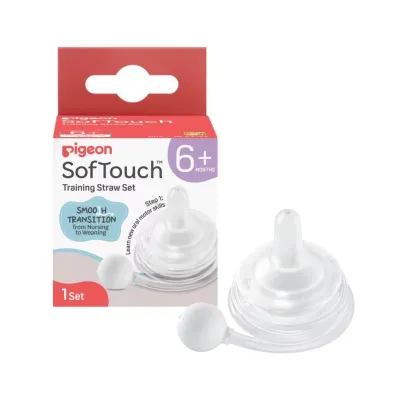
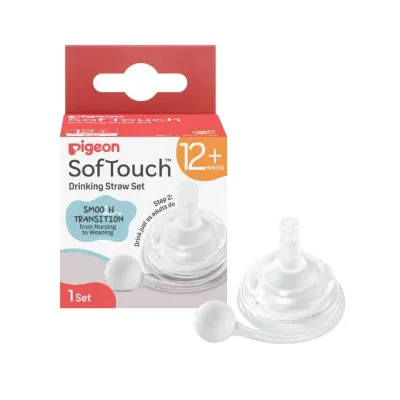
Prices are valid at publication and may change. Please refer to the product page for the latest price.
Fine motor skills also play a critical role in determining readiness. Observe whether your baby can reach for objects accurately, grasp items with both hands, and bring their hands to their mouth consistently. If your baby can hold a small toy and guide it directly to their mouth, they likely possess the basic coordination required to lift and hold a lightweight training cup.
Cognitive interest is another clear sign that your baby is ready to try something new. If they watch you intently while you drink, reach for your glass, or mimic drinking motions during family meals, they are demonstrating curiosity that can be channeled into learning how to use a straw. This natural interest often makes the introduction process much smoother.
It is important to distinguish between chronological age and developmental readiness. While many manufacturers label starter straw cups for babies around six to nine months of age, every child develops at their own pace. A baby who has reached nine months chronologically may still struggle with the complex coordination of sucking, swallowing, and breathing in sequence, while a slightly younger baby might grasp the concept immediately.
If your baby shows signs of frustration, cries, or repeatedly pushes the cup away, it is best to pause the training. Forcing the transition can create negative associations with the cup and prolong the learning process. Simply put the straw cup away for a week or two and continue with their usual feeding routine before trying again when their oral motor skills have had more time to mature.
Decision Dimensions for Pigeon Straw Cup Models
When evaluating different models, the thickness of the straw and the resulting flow rate are primary considerations. For beginners, a thinner straw that limits the volume of liquid delivered per sip is ideal, as it helps prevent the baby from drawing in more liquid than they can comfortably swallow. Advanced drinkers can transition to wider straws that allow a faster, more natural flow. Parents should carefully inspect the product packaging for flow-rate indicators or starter labels to ensure the model matches their child’s current swallowing capability.

Grip and handle design are equally important for babies who are still developing their fine motor skills. For early training stages, cups with dual handles that angle slightly forward are highly beneficial. These handles allow babies with limited wrist rotation to guide the cup to their mouth easily. As your child’s grip strength improves, you can look for models with single vertical loops or handleless designs that mimic adult cups. Additionally, consider the overall weight of the cup when filled; lightweight plastic or silicone bodies are much easier for tiny hands to manage than heavier insulated alternatives.
Spill-proof mechanisms are a major convenience for parents, but they come with design trade-offs. Many starter cups feature cross-cut valves or bite-activated valves inside the straw that prevent liquid from escaping when the cup is tipped, dropped, or shaken. While these valves are excellent for minimizing mess, they require more sucking strength from the baby. Free-flow straws, on the other hand, require very little effort to draw liquid but will spill easily if the cup is turned upside down. Parents must balance their child’s sucking strength with their own tolerance for cleanups when choosing between these options.
Material composition is another factor to verify on the manufacturer’s label. Look for durable, BPA-free plastics such as polyphenylsulfone (PPSU) or polypropylene (PP), which can withstand frequent drops and sterilization. Checking these material specifications ensures the cup is robust enough for daily use while remaining safe for your baby.
Navigating the Pigeon Straw Product Lineup
Pigeon’s product range includes dedicated training cups designed to guide babies through progressive drinking stages. These multi-stage systems, such as the MagMag series, allow parents to swap the top attachment while keeping the same cup base. The straw step in these systems typically features a soft, flexible silicone straw and ergonomic handles. To identify a starter straw lid within these lines, look for a curved or angled straw tip designed to help babies drink even when the cup is slightly tilted, which is common during the early learning phase.
For parents who already use Pigeon wide-neck baby bottles, straw bottle attachments or conversion kits offer a highly practical and cost-effective solution. These attachments replace the standard bottle teat and collar with a straw assembly, transforming the familiar bottle into a straw cup. Before purchasing, it is crucial to verify the compatibility of the attachment with your specific bottle material—such as PPSU or glass—and to check the manufacturer’s recommended age for the add-on cap to ensure it is appropriate for your baby.
As toddlers grow and spend more time outdoors, especially in warm climates, larger-capacity or insulated straw bottles become more suitable. These models are designed to hold more liquid and keep drinks cool during outings. However, they are typically heavier, lack the dual handles of starter cups, and often feature free-flow straws. Consequently, these larger formats should be reserved for older toddlers who have established excellent grip strength and oral control.
Regardless of the model you choose, always perform a crucial verification step by checking the specific month-age recommendations, weight limits, and material specifications printed on the individual product packaging. Because product designs and safety standards can vary by region and production batch, relying on the physical packaging of the specific item you purchase is the most reliable way to ensure compatibility and safety.
Transitioning Between Drinking Stages
Transitioning from breast, bottle, or spout cups to a straw cup requires a shift in expectations, as the sucking mechanism is entirely different. Nursing and bottle-feeding rely on a wave-like tongue movement to express milk, whereas straw drinking requires the baby to create a vacuum using their lips and cheeks while keeping their tongue retracted. Expect some initial confusion, coughing, and spills as your baby learns how to seal their lips around the silicone straw.
During this transition, monitor how your baby interacts with the cup to determine if the flow speed is appropriate. If your baby is constantly coughing, sputtering, or if liquid is escaping from the corners of their mouth, the flow rate may be too fast, or the straw may lack a regulating valve. Conversely, if your baby sucks vigorously but gets frustrated and receives no liquid, the valve may be too stiff for their current sucking strength, or the straw may be clogged. These signs indicate a need to adjust the straw insert or switch to a different cup type.
While straw cups are highly convenient for travel and preventing spills, they are ultimately a stepping stone toward open-cup drinking. Pediatric health guidelines often recommend introducing open cups alongside straw cups to encourage mature swallowing patterns and proper jaw development. You can use the straw cup for on-the-go hydration and practice with small amounts of water in a small, open cup during supervised mealtimes at home.
Hygiene, Maintenance, and Safety Boundaries
Maintaining strict hygiene is paramount when using straw cups, particularly in warm and humid environments where mold and bacteria can multiply rapidly in damp, enclosed spaces. Straw valves, gaskets, and the inner tubes of the straw assembly must be disassembled completely after every use. Milk, juice, or formula residues can easily become trapped in these small components, making thorough cleaning essential.
To clean these parts effectively, use a dedicated, ultra-thin straw brush and a mild, baby-safe dishwashing detergent. Gently thread the brush through the entire length of the straw and around the crevices of the valve to remove any buildup. Allow all components to air-dry completely in a well-ventilated area before reassembling the cup, as trapping moisture inside can encourage mold growth.
Establish a regular visual inspection routine for all silicone parts. Check the straw, bite valve, and sealing O-rings for tiny tears, discoloration, or a sticky texture, which are signs that the material is breaking down. Silicone parts can degrade over time due to frequent washing, sterilization, and biting. Replace these components immediately if you notice any damage to maintain a proper seal and ensure hygiene.
Safety boundaries must be strictly observed to prevent accidents. Stop using the cup immediately if your baby develops a habit of chewing off pieces of the silicone straw, as loose silicone fragments pose a severe choking hazard. Additionally, if the locking mechanism on the lid becomes loose, allowing the baby to dismantle the cup and access small parts, or if the plastic body shows cracks or structural damage, the cup must be discarded and replaced.
Frequently Asked Questions (FAQ)
Can I put hot liquids in a Pigeon straw cup?
No, you should not put hot liquids in a straw cup. Sucking hot liquid through a straw can cause severe burns to a baby’s mouth and throat before they can register the temperature. Additionally, hot liquids can create pressure inside a sealed cup, causing hot steam or liquid to spray out of the straw when the lid is opened. Always check the specific heat tolerance printed on the packaging for cleaning and sterilization purposes, but only serve liquids that are cool or at room temperature.
How do I teach my baby to use a straw for the first time?
Start by placing a small amount of a familiar liquid, such as breast milk or formula, in the cup to encourage interest. You can demonstrate the sucking action yourself using a clean, separate straw so your baby can observe the motion. Another common method is the pipette technique: dip a clean straw into the liquid, place your finger over the top to trap a small drop, and let your baby taste it from the bottom of the straw. This helps them associate the tube with receiving liquid. Be patient and keep practice sessions short and stress-free.
Community discussion
Share your experience or ask a question. Comments are reviewed before publication.