
When selecting a Pigeon straw bottle for your toddler, there is no single “best” material; the right choice depends on your child’s age, your preferred sterilization methods, and your budget. PPSU offers high heat resistance and durability, PP is lightweight and economical, and Tritan provides glass-like clarity with strong impact resistance. This guide compares these three plastics to help you make a safe, practical, and condition-based decision for your child’s daily hydration needs.
In Singapore’s warm and humid climate, keeping your toddler hydrated during outdoor trips to local parks or preschool is a daily priority. Because of frequent washing and sterilization to prevent bacterial growth, understanding how different bottle materials react to heat, impact, and daily wear is essential for choosing a bottle that lasts. Evaluating your household’s daily routine—such as whether you rely on a UV sterilizer, steam sterilizer, or simple hand-washing—will help you select a material that fits seamlessly into your lifestyle.
Understanding the Core Differences: PPSU, PP, and Tritan
Understanding the physical and visual differences between PPSU, PP, and Tritan is the first step in choosing the right Pigeon straw bottle.
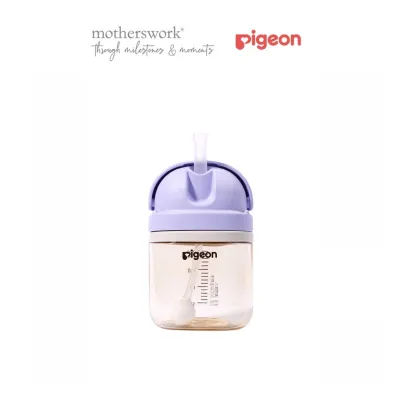
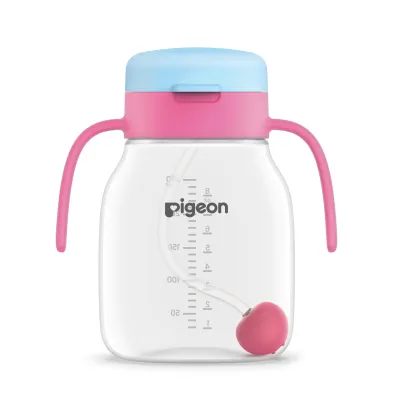
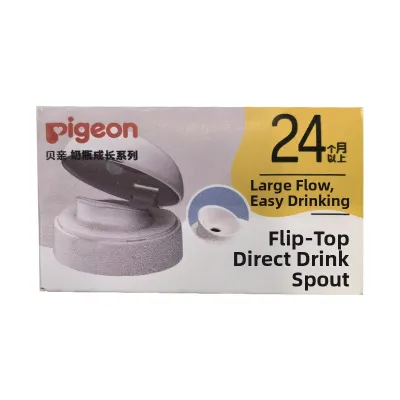
Products mentioned in this guide
![[2-Pack] Pigeon Softouch Drinking Straw Set (12M+)](https://img.lazcdn.com/g/p/a980d35ef7b18fe2717e96381b81aa6b.png_400x400q80.png_.webp)
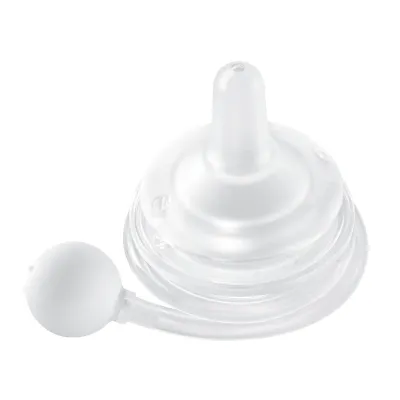
Prices are valid at publication and may change. Please refer to the product page for the latest price.
PPSU (Polyphenylsulfone) is a high-performance, medical-grade plastic known for its exceptional durability and heat resistance. Visually, PPSU is easy to identify because of its natural amber or honey-colored tint. It is a rigid, tough plastic that does not absorb odors or colors easily, making it a premium choice for long-term use.
PP (Polypropylene) is a widely used, food-grade plastic that is highly economical and lightweight. It has a slightly translucent or milky appearance rather than being completely clear. PP is more flexible than PPSU and Tritan, which makes it highly impact-resistant but also more susceptible to surface scratches over time.
Tritan is a modern copolyester brand known for its glass-like clarity and high impact resistance. Unlike PPSU, Tritan is completely clear and colorless, allowing you to easily see the contents of the bottle. It is a rigid plastic that offers the aesthetic appeal of glass without the heavy weight or the risk of shattering when dropped.
When purchasing a bottle, you should always verify the material by checking the packaging or the base of the bottle. Look for the recycling codes or the material name molded directly into the plastic. PP typically carries the recycling code 5, while PPSU and Tritan generally fall under code 7 (labeled as “Other”), but they will usually have their specific material names printed clearly on the packaging to help consumers distinguish them.
Heat Resistance and Sterilization: What Each Material Can Handle
Each plastic material has a unique thermal threshold, which dictates how it can be cleaned and sanitized safely.

PPSU stands out as the most heat-resistant material among the three, typically withstanding temperatures up to 180°C. This high thermal tolerance makes PPSU compatible with almost all sterilization methods, including boiling water, steam sterilizers, microwave sterilizing bags, and UV sterilizers. It can undergo repeated high-heat sterilization cycles without degrading or warping.
PP has a moderate heat resistance, usually rated up to 110°C or 120°C depending on the specific product design. While it can safely handle standard steam sterilization and brief boiling, parents must be cautious not to exceed its temperature limits. Prolonged exposure to extreme heat can cause PP bottles to warp, lose their shape, or develop a cloudy appearance over time.
Tritan has the lowest heat resistance of the three materials, often rated for temperatures up to 100°C or slightly lower. Because of this, Tritan bottles are generally not recommended for boiling or traditional steam sterilization, as the intense heat can cause the plastic to deform or crack. Instead, Tritan is best suited for warm soapy water washes or cold-water chemical sterilizing tablets, though some modern UV sterilizers with low-temperature drying cycles may be compatible.
Exceeding the manufacturer’s specified temperature limits for any plastic bottle carries risks. It can compromise the structural integrity of the bottle, leading to leaks, or cause the plastic to degrade prematurely. Always consult the specific product manual or packaging insert for the exact temperature limits and approved sterilization methods before applying heat to your toddler’s straw bottle.
Durability, Weight, and Daily Handling for Toddlers
A toddler’s straw bottle must withstand daily drops, throws, and general wear and tear.
PPSU offers outstanding impact and scratch resistance. It is highly resilient against drops on hard surfaces, such as tiled floors or outdoor pavements, and its hard surface resists scratches from bottle brushes. Because deep scratches can harbor bacteria, PPSU’s scratch resistance gives it a significant hygiene advantage over the long term.
PP is highly shatterproof due to its flexible nature, meaning it rarely cracks when dropped. However, because it is a softer plastic, it is highly prone to surface scratches. Over months of daily use, these micro-scratches can accumulate, giving the bottle a worn, cloudy appearance and creating tiny crevices where bacteria can multiply.
Tritan is exceptionally tough and shatterproof, making it highly resistant to cracking when dropped. However, it is more susceptible to scratching than PPSU. If scrubbed with harsh bottle brushes, Tritan can lose its beautiful glass-like clarity and develop fine scratches on the surface.
Weight is another practical factor. PP is the lightest of the three materials, making it incredibly easy for a small child to lift and hold independently. PPSU is also lightweight, while Tritan is slightly heavier and denser, giving it a premium feel but potentially requiring more effort for a very young toddler to handle.
Over time, all plastic bottles will show signs of aging. Parents should regularly inspect bottles for observable signs of wear, such as persistent cloudiness, micro-cracks, a sticky texture, or deep scratches. If any of these signs are present, it is time to replace the bottle to ensure continued safety and hygiene.
Safety Standards and Chemical Leaching Concerns
Verifying safety standards and proper usage guidelines helps ensure your toddler’s bottle remains free from chemical leaching risks.
A primary concern is the presence of Bisphenol A (BPA) and Bisphenol S (BPS). All three materials—PPSU, PP, and Tritan—are widely manufactured to be BPA-free and BPS-free. However, because product formulations can vary, it is essential to verify these claims by looking for clear “BPA-free” and “BPS-free” labels on the official packaging rather than assuming compliance based on the material type alone.
When purchasing a Pigeon straw bottle, look for recognized safety compliance marks or standard labels on the packaging. These marks indicate that the product has undergone testing to meet strict safety regulations for food-contact materials. Be cautious of unbranded or extremely cheap bottles found on online marketplaces, as they may not adhere to the same rigorous quality control standards.
While PPSU, PP, and Tritan are generally recognized as safe for food contact when used correctly, improper usage can increase the risk of material degradation. For instance, exposing a non-heat-resistant plastic like Tritan to boiling water or microwave heat can cause the polymer chains to break down. Following the manufacturer’s care instructions is the most effective way to prevent this.
To ensure you are getting a genuine and safe product, always check the manufacturer’s official specifications and warnings. Avoid relying solely on third-party seller descriptions on ecommerce platforms, which may contain inaccurate or generalized information about material safety and heat limits.
Decision Framework: Choosing the Right Pigeon Straw Bottle Material
To help you finalize your choice, we have structured a practical decision framework based on your household’s sterilization preferences, budget, and toddler’s developmental stage.
Choose PPSU if:
- You prefer a highly durable, long-lasting bottle that can withstand daily steam, boiling, or UV sterilization without degrading.
- You want a scratch-resistant material that maintains its hygienic properties over a long period.
- You are comfortable investing a bit more upfront (typically around S$25 to S$40 depending on the bottle size) for a premium, medical-grade material that lasts.
Choose PP if:
- You are looking for an economical option, especially if you need to purchase multiple backup bottles for childcare or travel.
- Your toddler is young and needs an ultra-lightweight bottle that is easy to hold and maneuver independently.
- You do not mind replacing the bottle more frequently as it shows signs of scratching and wear.
Choose Tritan if:
- You prefer a crystal-clear, glass-like bottle that allows you to easily see water levels and cleanliness at a glance.
- Your cleaning routine does not rely on high-heat sterilization (e.g., you prefer warm soapy water washes or cold-water sterilizing tablets).
- You want a sturdy, shatterproof bottle that looks premium but is much safer and lighter than real glass.
Verify first if:
- Your toddler is transitioning from a teat to a straw; some children have specific sensory preferences regarding the weight of the bottle or the flexibility of the straw assembly.
- Your existing home sterilizer is compatible with the heat limits of your chosen bottle material to avoid accidental warping.
Before using a newly purchased bottle, perform a quick inspection checklist:
- Check the bottle body for any molding defects, sharp edges, or uneven surfaces.
- Verify the material marking on the base of the bottle to ensure it matches what was advertised.
- Ensure the straw assembly and leak-proof valve seal correctly, preventing spills during use.
- Wash the bottle thoroughly with mild baby bottle detergent before the first use. If your child experiences any persistent feeding difficulties or shows signs of discomfort, consult a pediatrician or a qualified healthcare professional.
Frequently Asked Questions (FAQ)
How often should I replace a plastic straw bottle?
As a general guideline, plastic bottle bodies should be replaced every 6 to 12 months, depending on the frequency of use, sterilization methods, and visible wear. However, silicone straw parts degrade much faster than plastic due to biting, stretching, and constant moisture exposure. It is recommended to replace the silicone straw components every 2 to 3 months, or immediately if you observe any tearing, cracking, persistent discoloration, or mold that cannot be cleaned. If you notice your toddler swallowing or choking on damaged straw pieces, stop use immediately and consult a healthcare professional.
Can I use these plastic bottles for hot liquids other than milk or water?
It is highly recommended to avoid using plastic straw bottles for hot, acidic, or carbonated drinks unless the manufacturer’s instructions explicitly state otherwise. Hot liquids can cause pressure to build up inside the bottle, leading to hot liquid spraying out of the straw when the lid is opened, which poses a burn risk. Acidic liquids like citrus juices can accelerate the degradation of certain plastics and cause staining, while carbonated drinks will cause pressure buildup and leaks. Stick to room-temperature or cool water and milk to ensure the longevity of the bottle and the safety of your child.
Community discussion
Share your experience or ask a question. Comments are reviewed before publication.