
Finding the right baby bottles to pair with your Pigeon sterilizer dryer requires looking closely at physical dimensions, rack configurations, and material heat tolerances. While Pigeon’s own bottle lines are designed to fit seamlessly within their native sterilizing appliances, many parents successfully use third-party brands like Avent or Dr. Brown’s. To ensure safe and effective sterilization and drying, you must verify that each bottle’s height, neck width, and material specifications align with the physical limits and operating temperatures of your specific sterilizer model.
In a humid tropical climate like Singapore’s, ensuring baby bottles are completely dry after sterilization is essential for maintaining hygiene and preventing moisture-related issues. However, because different bottle brands use varying plastics, glass, and silicone formulations, you cannot assume every bottle is universally compatible. Before loading any bottle into your sterilizer dryer, you must check the manufacturer’s guidelines for both the appliance and the feeding accessories to prevent warping, incomplete drying, or damage to the components.
Checking Your Pigeon Sterilizer Dryer's Physical and Operational Limits
Before comparing different bottle brands, you must understand the physical and operational boundaries of your specific Pigeon sterilizer dryer model. Start by locating the model number on the base or rear label of the appliance and consulting the manufacturer’s manual. This documentation outlines the maximum bottle height and overall capacity the sterilizing chamber can safely accommodate. Attempting to fit bottles that are too tall can block the upper tray or prevent the lid from sealing correctly, which compromises the sterilization cycle.
Products mentioned in this guide
![[15m Local Warranty] Pigeon Pochitto Steam & Dry Sterilizer](https://img.lazcdn.com/g/p/6f23d0dc3caad00bb5c06475d08e0542.png_400x400q80.png_.webp)
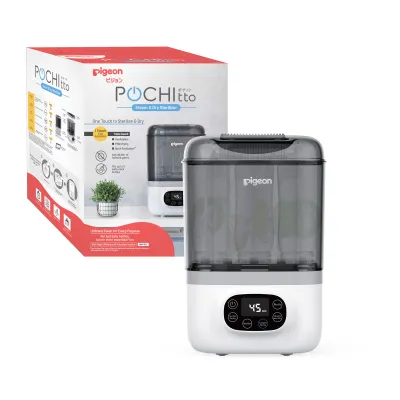
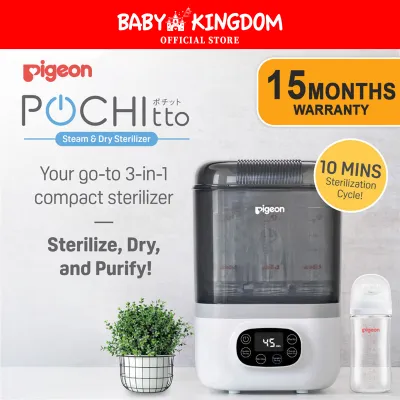
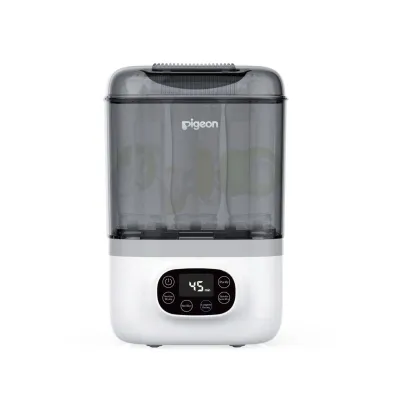
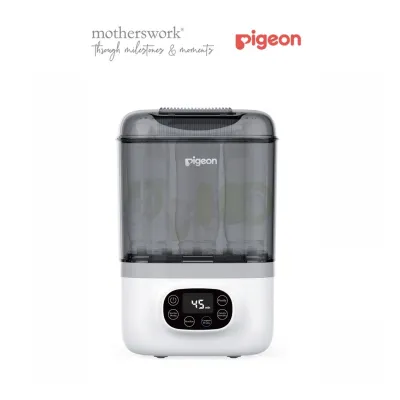
Prices are valid at publication and may change. Please refer to the product page for the latest price.
Next, examine the internal rack design of your sterilizer. Most models feature a main compartment with dedicated prongs or slots designed to hold bottles upside down, alongside a separate accessory tray for nipples, collars, and caps. You need to check whether these prongs are spaced widely enough to support wide-neck bottles without them tipping over or crowding each other. If bottles touch during the cycle, steam may not circulate freely, leaving some surfaces unsterilized.
Finally, review the drying cycle temperature limits specified on the device label or in the user manual. Sterilizer dryers use heated air to evaporate remaining moisture after the steam cycle completes. This drying temperature can reach levels that exceed the heat tolerance of certain low-grade plastics or delicate specialty components. Verifying these temperature thresholds is a crucial step before introducing any third-party bottles to the machine.
Evaluating Popular Baby Bottle Brands for Compatibility
When evaluating popular baby bottle brands for use in your Pigeon sterilizer dryer, you must compare their physical dimensions and material labels against the appliance’s specifications. Do not rely solely on general brand compatibility claims online; instead, perform manual checks on each bottle type you plan to use.

Pigeon Bottles: Native Fit and Design Alignment
Using Pigeon’s own bottle lines, such as the SofTouch series, generally offers the most straightforward physical alignment with their native sterilizer dryers. The internal racks and prongs of the appliance are typically optimized to hold these specific bottle shapes securely in an inverted position, ensuring optimal steam exposure and drainage.
However, you must still verify the specific bottle line and material you own against the manufacturer’s compatibility charts. For instance, check whether you are using glass, polyphenylsulfone (PPSU), or polypropylene (PP) Pigeon bottles, as each material has different care instructions. Ensure that the bottle height fits securely in the designated rack slots without touching the heating element at the bottom or obstructing the fan outlet, which could disrupt airflow and cause uneven drying.
Avent and Other Wide-Neck Brands: Size and Rack Adjustments
Wide-neck bottles from brands like Philips Avent are popular for their breast-like nipple shapes, but their wider diameters require careful physical checks before use in a Pigeon sterilizer. You should measure the outer diameter of the bottle base and neck against the spacing of the sterilizer’s bottom rack. If the bottles are too wide, they may crowd the rack, preventing you from utilizing the full bottle capacity of the sterilizer.
In addition to physical spacing, you must inspect the bottle and nipple material labels for explicit heat resistance ratings. Wide-neck bottles are made from various materials, including PP, glass, and silicone. Ensure that the manufacturer’s stated heat tolerance for these specific bottles matches or exceeds the maximum operating temperature of your Pigeon sterilizer dryer’s heating and drying cycles to avoid material degradation.
Dr. Brown's and Anti-Colic Systems: Handling Extra Components
Bottles with complex internal venting systems, such as Dr. Brown’s, present unique spatial and material challenges. These systems rely on multiple extra components, including vent inserts, reservoir tubes, and specialized collars, all of which must be thoroughly sterilized and dried alongside the bottles.
To accommodate these extra parts, determine if your Pigeon sterilizer’s accessory basket has sufficient space to hold them securely without obstructing the upward airflow of the dryer. Vent tubes must be placed in a position where steam can pass through the narrow openings, and they must not be allowed to fall through the rack grates. Always confirm that all specialized anti-colic components carry explicit manufacturer approval for high-heat steam sterilization and machine drying before placing them in the appliance.
Material Safety and Heat Resistance Verification
To ensure the safety and longevity of your feeding equipment, you should establish a systematic checklist to independently verify that any bottle brand’s materials can safely withstand the sterilizer’s heat. Never assume a bottle is heat-safe simply because it is designed for babies.
First, locate and read the heat tolerance symbols or text molded into the bottle base, nipple ring, and silicone teats. Manufacturers often print a maximum temperature limit directly on the packaging or the product itself. Compare these numbers directly with the maximum temperature reached during your sterilizer’s steam and drying phases.
Understanding the differences between common bottle materials is essential for this verification process. Glass bottles offer excellent heat resistance and do not warp, but they are heavy and must be placed carefully to avoid chipping. Polyphenylsulfone (PPSU) is a medical-grade plastic that typically tolerates very high temperatures and repeated sterilization cycles without degrading. Polypropylene (PP) is more flexible and common, but it generally has a lower heat tolerance than PPSU and may degrade faster under frequent high-heat exposure. Silicone bottles are highly heat-resistant but can retain moisture longer, requiring efficient drying.
Regularly inspect all bottles and components for signs of material degradation. Look for cloudiness that does not wash away, warping of the bottle neck or collar, or a sticky texture on silicone nipples. If you observe any of these changes, it indicates the material has been compromised by heat or wear, and you should remove the item from use immediately and consult the manufacturer or a healthcare professional for guidance on replacement.
Decision Framework: Choosing the Right Bottle Brand for Your Setup
When finalizing your baby bottle and sterilizer setup, use a clear, conditional framework to guide your choices based on your specific household needs and the physical limits of your equipment.
Choose Pigeon bottles if you prefer native design alignment and want to minimize physical fit guesswork. This setup ensures that the bottles sit securely on the rack prongs and receive optimal airflow, though you must still verify your specific model’s height capacity and follow the manufacturer’s material care instructions.
Choose alternative wide-neck brands if you have physically measured the sterilizer’s rack spacing and confirmed that the bottles fit without crowding. You must also verify that the material heat-tolerance labels on these third-party bottles match the operating temperatures of your specific Pigeon model to ensure safe sterilization.
Choose anti-colic systems with multiple internal parts only if your sterilizer includes a dedicated small-parts tray that can hold the vents and tubes securely. You must also confirm that the bottle manufacturer explicitly approves all specialized components for high-heat steam and machine drying, and ensure that these parts do not block the appliance’s airflow.
If you are ever unsure about the heat safety, material compatibility, or physical fit of a specific specialty bottle, stop using it in the sterilizer dryer. Verify the specifications first by contacting the bottle manufacturer directly or consulting a qualified pediatric healthcare professional.
Frequently Asked Questions (FAQ)
Can I mix different baby bottle brands in the Pigeon sterilizer dryer at the same time?
Yes, you can mix different baby bottle brands in the same cycle, provided you verify that all items share compatible heat-resistance ratings that meet or exceed the sterilizer’s operating temperatures. When loading a mixed batch, arrange the different shapes and sizes carefully to maintain proper airflow throughout the chamber. Ensure that wider bottles do not block steam from reaching narrower ones, and position all items so they do not touch the heating elements or the internal walls of the appliance.
Do silicone nipples require a different drying setting than plastic bottles?
Silicone nipples do not necessarily require a completely different drying cycle, but you must check the manufacturer’s care instructions for the specific silicone teats to verify their maximum heat exposure limits. Because silicone can sometimes retain moisture on its surface longer than hard plastics, place them in the designated upper small-parts area where airflow is concentrated. If the dryer’s default temperature exceeds the silicone’s recommended limit, you should use a lower heat setting or remove the nipples to air-dry on a clean rack.
Community discussion
Share your experience or ask a question. Comments are reviewed before publication.