
Choosing between the Pigeon Steam and Dry sterilizer and other options depends on your bottle materials, daily feeding volume, and available kitchen space. While steam-and-dry systems like Pigeon’s offer a traditional, moisture-based approach to sanitization, alternative options like UV-C sterilizers or multi-functional units present different operational benefits and space-saving designs. The right choice is the one that aligns with your specific bottle brands, pump accessories, and daily routine without introducing unnecessary maintenance friction.
Navigating the nursery appliance market requires looking past marketing buzzwords to focus on practical, daily utility. A sterilizer is an appliance you will likely use multiple times a day for several months, if not years. Therefore, understanding how a specific model handles your bottle inventory, how much effort it takes to clean, and how well it fits into your home environment is essential for a stress-free feeding journey.
Before committing to a specific brand, caregivers must evaluate their feeding setup holistically. This involves analyzing the physical properties of their bottles, the volume of items processed daily, and the specific layout of their kitchen or nursery. By taking a systematic approach, you can select a sterilizer that simplifies your workflow rather than adding to your daily chores.
Products mentioned in this guide
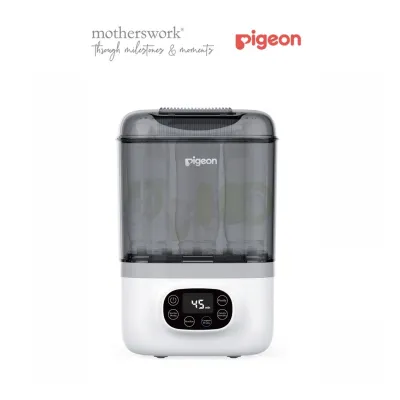
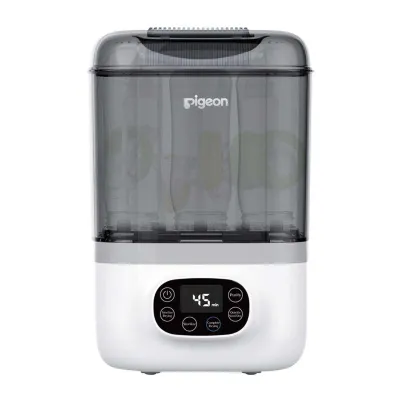
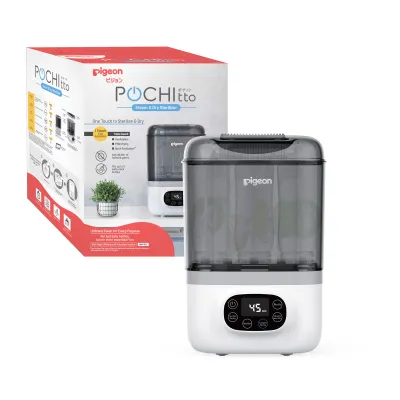
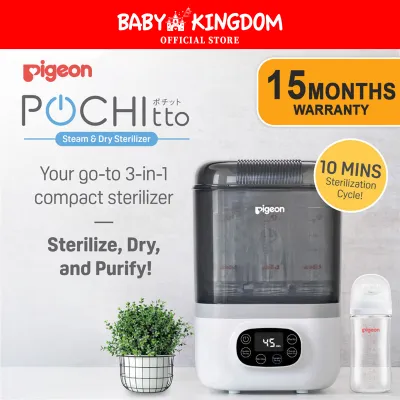
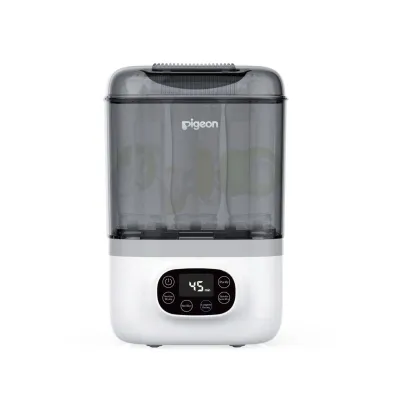
![[15m Local Warranty] Pigeon Pochitto Steam & Dry Sterilizer](https://img.lazcdn.com/g/p/6f23d0dc3caad00bb5c06475d08e0542.png_400x400q80.png_.webp)
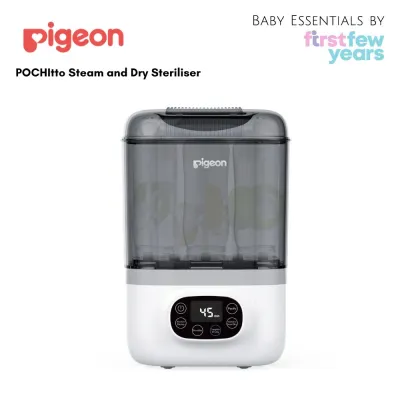
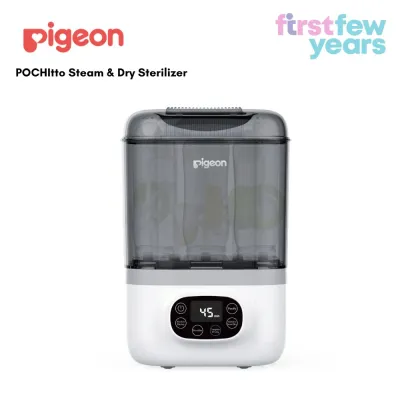
Prices are valid at publication and may change. Please refer to the product page for the latest price.
Assessing Your Bottle Collection and Sterilization Needs
To find the ideal sterilizer, start by estimating the maximum number of bottles, nipples, and pump parts you need to process in a single cycle. If you are exclusively bottle-feeding or pumping, your daily throughput of parts will be significantly higher than if you are primarily direct breastfeeding. A high-capacity unit can save time by consolidating multiple feedings into a single run, whereas a smaller unit might force you to run multiple cycles throughout the day, increasing your utility usage and hands-on time.
Next, identify the materials of your bottles and accessories, and check their heat tolerance limits on their product labels. Baby bottles are commonly made from glass, polypropylene (PP), polyphenylene sulfone (PPSU), or silicone. While glass and PPSU can withstand very high temperatures, standard PP bottles and certain silicone components may have lower heat thresholds or degrade faster under continuous exposure to intense heat. Verifying these material limits beforehand prevents accidental warping, clouding, or premature wear of your expensive feeding gear.
Finally, measure the available counter or cabinet space in your kitchen or nursery. In Singapore, where residential kitchen space is often carefully optimized, the physical footprint of a sterilizer is a major consideration. You must account not only for the width and depth of the unit but also for its height, especially if you plan to place it under low-hanging kitchen cabinets. Steam sterilizers require adequate vertical clearance to allow steam to vent safely without damaging your cabinetry, and you need enough room to lift the lid comfortably to load and unload items.
Key Comparison Dimensions for Bottle Sterilizers
When comparing the Pigeon Steam and Dry sterilizer with other brands on the market, the sterilization mechanism is the first major differentiator. Traditional steam sterilizers use high-temperature water vapor to eliminate microorganisms, which is a highly reliable method that naturally penetrates small crevices and the inside of narrow nipples. On the other hand, UV-C light sterilizers use ultraviolet radiation to sanitize surfaces. While UV-C units do not require water, they rely on direct line-of-sight exposure, meaning any shadowed areas or nested items will not be effectively treated.

Drying functionality is another critical feature to verify on product labels and manuals. Some basic sterilizers only steam items, leaving them wet and requiring you to transfer them to a separate drying rack, which introduces a risk of recontamination. Advanced models, including steam-and-dry units, feature integrated drying cycles using heated air or fan-assisted ventilation. Having a dedicated drying cycle ensures that bottles emerge completely dry and ready for immediate use or storage, eliminating the need for manual air-drying.
Cycle duration and energy consumption should also match your daily schedule. Check the manufacturer specifications for standard, quick, and dry-only cycles. If you often find yourself needing a clean bottle quickly, a model with a rapid steam-only cycle can be a lifesaver. Conversely, if you prefer to run the appliance overnight, a longer, quieter cycle with an extended drying phase might be more appropriate for your household’s routine.
Interior layout and flexibility are equally important for accommodating diverse feeding setups. Look for units with adjustable racks, removable baskets, or customizable peg configurations. Wide-neck bottles, tall angled bottles, and bulky breast pump flanges require different spatial arrangements than standard narrow-neck bottles. A sterilizer with a highly adaptable interior allows you to maximize the usable space and ensure that all items are positioned correctly for optimal exposure to steam or light.
Evaluating the Pigeon Steam and Dry Sterilizer
If you are considering the Pigeon Steam and Dry sterilizer, the first step is to review its user manual to understand its specific operational requirements. Pay close attention to the maximum load limits and the recommended water volumes for the heating plate. Using too little water can result in incomplete sterilization, while using too much can cause water to overflow into the drying vents, potentially damaging the internal electronics. Proper placement of items, with bottles angled downward, is essential to ensure steam can enter and circulate effectively.
Descaling frequency and cleaning instructions are vital for maintaining the performance of the heating element. Because steam sterilizers boil water, mineral deposits or scale will inevitably build up on the heating plate over time, especially if you use tap water. This scale acts as an insulating layer, reducing heating efficiency and potentially causing the unit to shut off prematurely. You must verify the manufacturer’s recommended descaling procedures, which typically involve using citric acid or vinegar solutions, to keep the appliance operating at peak efficiency.
Additionally, verify the drying cycle’s temperature and duration to ensure compatibility with your bottle collection. The drying phase must provide sufficient heat to evaporate moisture completely without exceeding the safe temperature limits of your specific bottle materials. Checking these details in the product documentation helps ensure that your silicone nipples and plastic collars do not suffer heat damage or lose their structural integrity over repeated cycles.
Comparing Alternative Brands and Models
To make an informed decision, compare the Pigeon model against alternative sterilizers that employ different design philosophies. UV sterilizers are a popular alternative, particularly for parents who want to avoid the hassle of water descaling and the risk of steam burns. These units are highly effective for dry, heat-sensitive items, but they require careful loading to ensure that the UV light reaches every surface. If your bottle collection consists of complex, multi-part designs, a UV unit may require more meticulous arrangement than a steam unit.
Multi-function units represent another category worth considering. These appliances combine sterilizing, drying, and bottle warming into a single footprint. While they offer excellent space-saving benefits, they may have smaller capacities for individual functions compared to dedicated sterilizers. If you choose a multi-function unit, verify that its warming chamber can accommodate your specific bottle brands and that the transition between functions does not disrupt your feeding schedule.
Finally, compare warranty terms, local after-sales support in Singapore, and current retail prices in S$ across authorized online stores and physical retailers. Purchasing from an authorized local distributor ensures that you have access to valid warranty coverage and customer service if the unit encounters technical issues. Be sure to check the availability of replacement parts, such as air filters for dry-enabled models, as these will need periodic replacement to maintain hygienic operation.
Decision Framework: Which Sterilizer Should You Choose?
Your final choice should be guided by a clear decision framework based on your verified needs. Choose the Pigeon Steam and Dry sterilizer if you prefer the thoroughness of traditional steam sterilization combined with the convenience of an integrated drying cycle, provided its verified capacity matches your daily bottle volume. This setup is highly efficient for standard glass, PP, and PPSU bottles, offering a straightforward, water-based sanitization process that naturally reaches all internal surfaces.
Opt for a UV alternative if you frequently sterilize heat-sensitive items, such as certain plastic toys, electronic accessories, or specific pacifiers, and want to eliminate the ongoing maintenance of descaling a heating plate. UV sterilizers are also highly convenient if you prefer a completely dry process from start to finish, though you must remain diligent about loading items without overlapping them to avoid shadow zones.
Select a multi-function unit if your kitchen counter space is highly restricted and you value having a single appliance that can handle both bottle warming and sterilization. This option is ideal for minimalist setups or smaller households where feeding volumes are moderate and space optimization is the highest priority.
Before making any purchase, always verify if your specific bottle brands, breast pump parts, or accessories have unique heat or UV exposure restrictions listed in their care manuals. Some manufacturers explicitly warn against using UV sterilizers for certain silicone parts, while others may advise against steam sterilization for specific plastics. Aligning your sterilizer choice with the care instructions of your feeding equipment is the best way to ensure safety, longevity, and peace of mind.
Frequently Asked Questions (FAQ)
Can I sterilize silicone pacifiers and teethers in a steam sterilizer?
Yes, but you must check the manufacturer’s heat tolerance limits on the pacifier or teether packaging first. While most high-quality silicone accessories are designed to withstand steam temperatures, some may have plastic components or gel fillings that cannot tolerate high heat. Always place these small items in the upper accessory basket of your sterilizer to keep them away from the intense heat of the lower chamber and prevent direct contact with the heating element.
How often should I descale a steam and dry sterilizer?
You should consult the specific user manual for the manufacturer’s recommended descaling frequency, which typically ranges from once a week to once every two weeks depending on the hardness of your water. Observable signs of mineral buildup, such as white or brown spots on the heating plate, a lingering musty odor, or increased cycle times, indicate that descaling is required immediately. Regular maintenance with a mild citric acid or vinegar solution ensures consistent heating performance and extends the lifespan of the appliance.
Is a UV sterilizer as effective as a steam sterilizer for baby bottles?
Both methods are highly effective when used according to their respective manufacturer guidelines, but they operate on different principles. Steam relies on high-temperature moisture that naturally flows into and around complex bottle shapes, ensuring uniform coverage regardless of how the items are angled. UV sterilizers rely on light waves, which only sanitize surfaces directly exposed to the light source; any shadowed areas, nested parts, or droplets of water can block the UV rays, making proper loading and pre-drying critical for effective sanitization.

Community discussion
Share your experience or ask a question. Comments are reviewed before publication.