
Quick Answer: Which Pigeon Teat Material Is Right for Your Baby?
Choosing the right feeding equipment for your baby involves balancing safety, comfort, and practical daily use. When selecting a Pigeon teat, the primary decision often comes down to the material: silicone versus latex (natural rubber). Each material interacts differently with your baby’s oral development, feeding style, and your household’s cleaning routine.
Silicone is the mainstream, highly durable choice for most babies. It is an inorganic, synthetic material designed to withstand high temperatures, retain its shape over months of use, and resist bite damage from teething infants. Because it is hypoallergenic and chemically stable, silicone serves as the practical, low-maintenance default option for the vast majority of households.
Latex, or natural rubber, offers superior softness and flexibility that closely mimics the feel of human skin. This organic material is highly elastic and requires less suction force to compress, making it an excellent alternative for newborns, premature infants, or babies struggling with bottle acceptance. However, latex carries a risk of natural rubber allergies and has a significantly shorter lifespan because it degrades rapidly when exposed to heat, UV light, and fats from milk.
Products mentioned in this guide
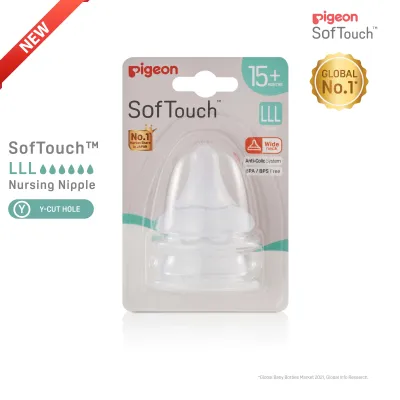
![[NEW] Pigeon SofTouch™ Wide Neck Nipple (Promo)](https://img.lazcdn.com/g/p/9ad1bd0730a6805e5e1f59444563dce2.jpg_400x400q80.jpg_.webp)
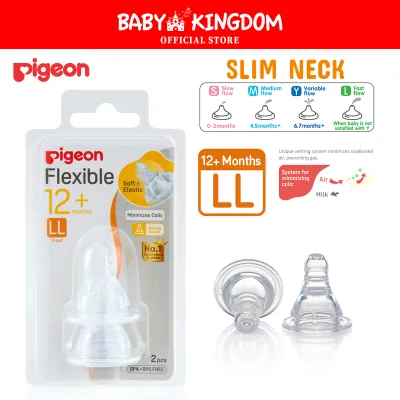
Prices are valid at publication and may change. Please refer to the product page for the latest price.
Ultimately, while silicone is the safer, more durable, and more convenient choice for long-term everyday use, latex remains a highly valuable specialized alternative for babies who reject firmer materials or need extra assistance during transitional feeding stages.
Understanding the Core Differences: Silicone vs Natural Rubber
To make an informed decision, it is essential to understand how these two materials are sourced and manufactured. Silicone and natural rubber possess distinct physical properties that directly influence how they perform during a feeding session and how they respond to daily sterilization.

Pigeon silicone teats are made from high-grade, synthetic food-quality silicone. They are characterized by their clear, transparent appearance and relatively firm structure. This firmness is engineered to support the natural peristaltic tongue movement of a developing baby, ensuring the teat does not collapse under the pressure of vigorous sucking. Silicone is inherently hydrophobic, meaning it repels water, and it does not absorb oils, fats, or odors from breast milk and infant formula.
In contrast, Pigeon latex teats are manufactured from natural rubber sap harvested from the Hevea brasiliensis tree. These teats are easily recognizable by their warm amber or yellowish, semi-opaque color. Latex is incredibly soft, highly pliable, and stretches easily in response to the baby’s jaw movements. This high elasticity provides a skin-like texture that many infants find comforting, particularly if they are accustomed to the natural softness of the breast.
While silicone teats are widely available across all of Pigeon’s bottle lines—including the popular SofTouch and Slimneck ranges—natural rubber options may be limited to specific product lines, specialized therapeutic ranges, or particular geographical regions. Because product availability can vary, parents should verify the current inventory through local authorized retailers or official brand distribution channels rather than relying on third-party online sellers.
Safety First: Allergy Risks and Material Standards
When evaluating any product that comes into direct contact with your baby’s mouth, safety is the paramount consideration. Both silicone and natural rubber are subject to strict manufacturing standards, but they present entirely different safety profiles regarding allergenicity and material stability.
Natural rubber latex contains organic proteins that can trigger allergic reactions in sensitive individuals. A latex allergy can develop over time with repeated exposure, or it may present during the very first feeding. Parents must remain vigilant for observable signs of an allergic reaction during and immediately after feeding. These signs may include redness, localized swelling or hives around the baby’s mouth, skin irritation, persistent fussiness, or respiratory distress. If you observe any of these symptoms, stop using the latex teat immediately, switch to a silicone alternative, and consult a pediatrician or qualified healthcare professional.
Silicone, being a synthetic and chemically inert polymer, is naturally hypoallergenic. It does not contain the organic proteins found in natural rubber, making the risk of an allergic reaction to a silicone teat extremely rare. For families with a known history of latex allergies, choosing silicone is the safest path to prevent accidental exposure and sensitization.
Regardless of the material you choose, genuine Pigeon teats are manufactured to be completely BPA-free and comply with international food-contact safety standards. However, the market contains counterfeit products that may look identical to genuine teats but are made from low-grade, unregulated materials that may leach harmful chemicals. To protect your baby, always purchase feeding equipment from authorized local pharmacies, department stores, or official brand boutiques.
Always examine the product packaging before use to verify the recommended age suitability and flow rate. Ensure you read all manufacturer-specific safety guidelines, and never leave an infant unattended with a bottle, as any damaged or improperly assembled teat can present a sudden choking hazard.
Durability and Daily Maintenance: What to Expect
The physical differences between silicone and latex dictate how they must be cleaned, sterilized, and maintained. Understanding these requirements will help you choose a material that fits seamlessly into your daily household routine.
Silicone is highly heat-resistant and structurally stable. It can endure repeated exposure to extreme temperatures without warping, melting, or losing its elasticity. This high thermal stability means silicone teats can be sterilized using almost any standard household method, including boiling water, steam sterilizers, and ultraviolet (UV) sterilization units. With proper care, a silicone teat maintains its structural integrity and clear appearance for several weeks of continuous use.
Latex is far more sensitive to environmental factors. As an organic material, natural rubber degrades when exposed to high heat, direct sunlight, moisture, and the fats present in milk. Over time, latex teats will naturally lose their elasticity, become sticky to the touch, warp in shape, or darken in color. Because of this lower heat tolerance, latex teats require gentler care. They may require shorter boiling times or specific sterilization methods as outlined in their product manual to prevent premature chemical breakdown. UV sterilization, in particular, can accelerate the degradation of natural rubber, causing it to become brittle.
Teething introduces another durability challenge. When babies begin to develop their sharp primary teeth, they often bite down on the teat during feeding. Silicone is highly resilient and resists bite marks and punctures well, though it can still be sliced by sharp teeth. Latex, being softer and more fibrous, can tear or puncture quite easily once a baby begins to bite actively. A punctured latex teat can quickly tear further, creating loose rubber fragments that pose a severe choking hazard.
To maximize the lifespan of both materials, proper drying and storage are essential. After thorough cleaning with a mild baby-safe detergent, teats should be allowed to air-dry completely in a well-ventilated area away from direct sunlight. This is especially important in humid tropical climates like Singapore’s, where lingering moisture can encourage bacterial or mold growth. Avoid using harsh chemical disinfectants or highly abrasive cleaning brushes, such as stiff wire-rimmed brushes, which can cause micro-tears in the delicate surface of the teat, weakening its structure and creating crevices where bacteria can multiply.
Texture and Feeding Acceptance: How Baby Experiences the Teat
A baby’s acceptance of a bottle often depends on the tactile experience of the teat. The texture, flexibility, and resistance of the material play a critical role in how comfortable the baby feels during feeding.
Latex teats are prized for their exceptional softness and elasticity. Because natural rubber stretches and compresses with minimal effort, it mimics the natural dynamics of breastfeeding closely. For a newborn or a premature baby who may have a weaker suckling reflex, a latex teat requires less jaw strength to compress and maintain flow. This ease of use can reduce feeding fatigue, helping the baby consume their required volume of milk more comfortably. It is also highly beneficial for breastfed babies who are resisting a bottle, as the warm, skin-like texture of latex feels more familiar than synthetic materials.
Silicone teats offer a firmer, more structured feeding experience. While modern liquid silicone formulations used by Pigeon are remarkably soft, they still provide more resistance than natural rubber. This firm structure prevents the teat from collapsing even during vigorous feeding sessions, ensuring a steady, predictable flow of milk. As babies grow and develop stronger jaw muscles, this resistance is beneficial, as it encourages proper oral muscle development and active chewing motions that prepare them for solid foods.
Every baby is unique, and their sensory preferences can vary widely. Some infants adapt seamlessly to any teat, while others show a strong preference for one specific texture. If your baby consistently rejects a bottle, spits out the teat, or becomes frustrated during feedings, it may be worth trialing the alternative material to see if a change in texture and flexibility improves their feeding acceptance.
Silicone vs Latex Teats: Quick Comparison
To help you compare these two materials at a glance, the table below outlines the core decision-making dimensions. Always refer to the specific product packaging and user manual for precise instructions regarding your purchased model.
| Feature | Silicone Teats | Latex (Natural Rubber) Teats |
|---|---|---|
| Material Appearance | Clear, transparent, and color-free | Amber, yellowish, and semi-opaque |
| Softness & Flexibility | Firm, structured, retains shape | Ultra-soft, highly elastic, skin-like |
| Durability & Lifespan | High; highly resistant to wear and tear | Low to moderate; degrades with exposure |
| Heat Resistance | High; compatible with steam, boiling, and UV | Moderate; check manual for heat limits |
| Allergy Risk | Extremely low (hypoallergenic) | Potential risk of natural rubber allergy |
| Best Suited For | Teething babies, long-term use, easy maintenance | Newborns, transitional feeding, bottle rejection |
Decision Framework: Choosing by Feeding Stage and Needs
Selecting the ideal material depends on your baby’s age, developmental stage, and specific feeding challenges. Use the following condition-based framework to guide your final choice.
Choose Silicone if:
- Your baby is older or actively teething: Silicone's firm texture resists biting and tearing, making it much safer for infants with emerging teeth.
- You prioritize convenience and longevity: Silicone teats last longer, require less frequent replacement, and can be sterilized easily alongside your other kitchenware without warping.
- There is a family history of allergies: Choosing silicone eliminates any risk of natural rubber latex sensitization.
- Your baby has a strong, established latch: If your baby is already bottle-feeding successfully, silicone provides the structural support they need.
Choose Latex if:
- Your baby is a newborn or premature infant: The ultra-soft texture requires less effort to compress, helping young infants feed without tiring quickly.
- You are experiencing severe bottle rejection: If your breastfed baby refuses standard bottles, the warm, skin-like texture of natural rubber may ease the transition.
- Your baby has a weak suckling reflex: The high flexibility of latex allows the teat to conform easily to the baby's oral cavity with minimal suction pressure.
Verify First if:
- Your baby has complex medical needs: If your baby has oral-motor delays, cleft palate, or other specialized feeding requirements, consult a pediatrician, lactation consultant, or speech therapist before introducing natural rubber or changing teat styles.
- You suspect a sensitivity: If your baby exhibits any skin changes or unusual fussiness during feeding, consult a healthcare professional immediately.
Remember that the “best” material is ultimately the one your baby accepts, feeds from comfortably, and uses safely without physical distress.
When to Replace: Spotting Wear and Tear
Regardless of whether you choose silicone or latex, teats are consumable items that degrade over time. Maintaining feeding safety requires regular inspection and timely replacement of all bottle components.
Parents should perform a thorough visual and physical inspection of the teat before every single feeding. Look closely for the following clear signs of degradation:
- Changes in texture: If a latex teat feels sticky, tacky, soft, or gummy, the rubber is breaking down and must be discarded immediately.
- Visual distortions: Look for cloudiness, permanent discoloration, or stubborn white mineral deposits on silicone teats. For latex, watch for darkening of the amber color or swelling of the bulb.
- Structural damage: Any visible cracks, hairline tears, bite marks, or punctures are critical warning signs. If you gently pull the bulb of the teat and it does not immediately snap back into its original shape, the material has lost its elasticity.
- Altered milk flow: If milk drips too rapidly or pours out in a steady stream from the tip when the bottle is inverted, the feeding orifice has stretched. This can lead to choking or gagging during feeding.
As a general guideline, manufacturers typically recommend replacing silicone teats every 1 to 2 months and latex teats every 3 to 4 weeks of continuous use. However, these timelines are secondary to your daily inspections. If you spot any physical damage or signs of wear, discard and replace the teat immediately. Continuing to use a compromised teat poses a severe risk, as small fragments can break off during feeding and enter the baby’s airway.
Frequently Asked Questions (FAQ)
Can I mix silicone and latex teats on the same Pigeon bottle?
Yes, you can swap between silicone and latex teats on the same Pigeon bottle, provided that the teat size and shape match the specific bottle collar and range you are using. For example, if you are using Pigeon SofTouch Wide-Neck bottles, you must ensure that both the silicone and latex teats you purchase are designed for the SofTouch Wide-Neck collar. Always check that the teat is seated correctly and flush within the plastic collar ring before tightening it onto the bottle to prevent leaks during feeding.
Do Pigeon latex teats contain BPA or harmful chemicals?
Genuine Pigeon natural rubber latex teats are manufactured to meet strict global food-contact safety standards and are completely BPA-free. Because natural rubber is an organic material harvested from trees, it does not contain synthetic industrial chemicals like Bisphenol A. To ensure you are getting a safe, authentic product that complies with local health regulations, always purchase your feeding supplies from authorized retailers and official brand stockists.
Why is my Pigeon silicone teat turning cloudy?
Cloudiness in silicone teats is a common cosmetic issue usually caused by two factors: mineral deposits from hard water during boiling, or a thin buildup of fats and oils from breast milk or formula that has not been fully removed. While this cloudiness is typically harmless, you can try soaking the teat in a mild solution of warm water and food-safe white vinegar to dissolve the mineral scale, followed by a thorough wash. However, if the cloudiness is accompanied by a sticky texture, physical stiffness, or a persistent sour odor, the material has degraded and the teat must be replaced.
Community discussion
Share your experience or ask a question. Comments are reviewed before publication.