
Choosing the right teat material for your baby’s bottle is a highly individual decision that directly impacts their comfort, feeding rhythm, and overall development. When comparing Pigeon silicone and latex teats, there is no single option that is universally superior for every infant. Instead, the ideal choice depends on your baby’s latch preference, potential material sensitivity risks, and your daily sterilization routine. By understanding how these two materials differ in texture, durability, and maintenance, you can select a teat that supports a natural feeding experience while ensuring high standards of hygiene.
As you navigate the early stages of bottle-feeding, you will find that babies can be highly sensitive to the physical properties of their teats. Some infants transition seamlessly between different bottle types, while others show a strong preference for a specific texture or flexibility. By evaluating the distinct characteristics of silicone and natural rubber latex, you can make an informed decision that aligns with your baby’s developmental needs and your family’s lifestyle.
Core Differences: What Silicone and Latex Feel and Look Like
Silicone and latex teats are easily distinguishable by their visual appearance, tactile feel, and physical behavior. Silicone teats are completely clear, transparent, and synthetic. They feature a smooth, firm surface that retains its shape even under significant pressure. Because silicone is an engineered, medical-grade material, it is entirely odorless and tasteless, making it a neutral option for babies who are highly sensitive to unfamiliar scents or flavors during feeding.
Products mentioned in this guide
![[NEW] Pigeon SofTouch™ Wide Neck Nipple (Promo)](https://img.lazcdn.com/g/p/9ad1bd0730a6805e5e1f59444563dce2.jpg_400x400q80.jpg_.webp)
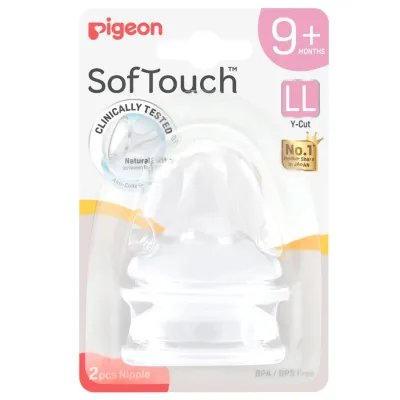
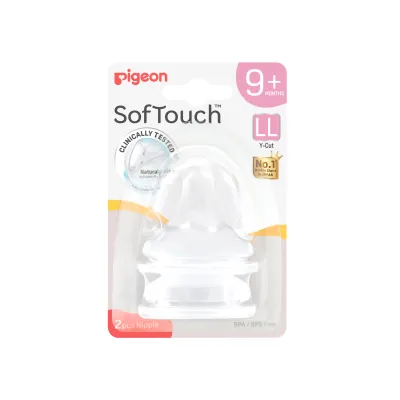
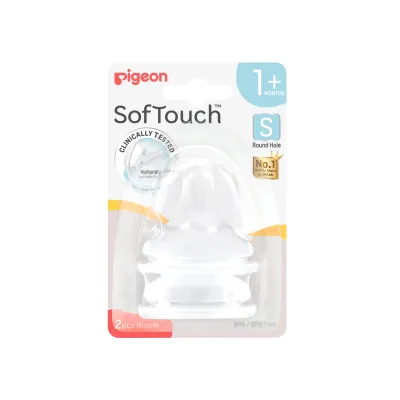
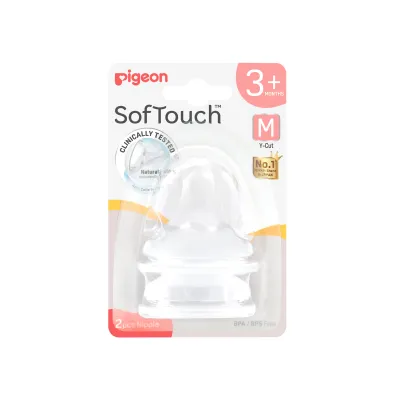
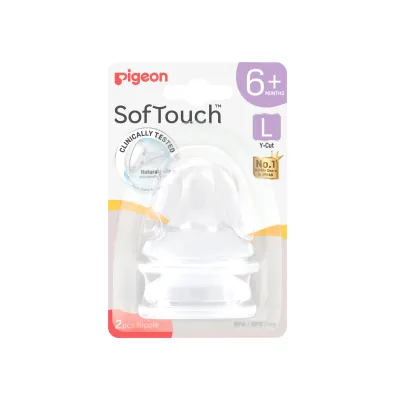
Prices are valid at publication and may change. Please refer to the product page for the latest price.
In contrast, latex teats are made from natural rubber, giving them a distinct translucent yellow, amber, or light brown color. Tactilely, latex is much softer, highly pliable, and has a velvety surface texture that closely mimics the natural elasticity and warmth of human skin. However, because it is a natural organic material, latex carries a mild, characteristic rubber scent and taste that some infants find comforting, while others may reject it initially.
These materials also behave differently when exposed to temperature changes and regular handling. Silicone remains highly stable, maintaining its firmness and structural integrity whether it is exposed to cold water or high-heat sterilization. Latex is far more reactive; it softens significantly when warmed and can stretch or expand over time with regular use. When purchasing, always verify the material type by checking the manufacturer’s packaging labels, which clearly indicate whether the product is made of silicone rubber or natural rubber latex.
Durability and Replacement: How to Spot Wear and Tear
Because baby teats are subjected to constant suction, biting, and high-temperature cleaning, they naturally degrade over time. Silicone is highly durable and resistant to heat, making it less prone to rapid wear. However, it is susceptible to structural damage from sharp baby teeth. Common wear patterns in silicone teats include micro-tearing around the feeding hole or anti-colic vent, permanent cloudiness, and stubborn discoloration from milk fats that cannot be washed away.

Latex teats have a shorter lifespan due to the organic nature of natural rubber. Over time, exposure to milk fats, saliva, and heat causes latex to undergo chemical breakdown. This degradation manifests as a sticky or tacky surface texture, noticeable swelling or enlargement of the teat shape, discoloration, and a loss of elasticity that causes the teat to collapse easily during a feed. If a latex teat feels sticky or looks significantly larger than a new one, it has reached the end of its usable life.
To maintain feeding safety, establish a routine visual and tactile inspection checklist before and after every sterilization cycle. Gently pull the teat tip in all directions to check for tiny cracks, tears, or changes in elasticity. Squeeze the feeding hole to ensure it has not stretched or become blocked. While general manufacturer guidelines often suggest replacing silicone teats every two to three months and latex teats every four to six weeks, these are approximate intervals. You must immediately stop using any teat that shows signs of structural compromise, tearing, or sticky degradation.
Feeding Experience: Matching the Teat to Your Baby's Latch
The physical resistance of the teat material directly influences how your baby controls milk flow and coordinates their sucking rhythm. Silicone’s firmer structure provides consistent resistance, which helps maintain a steady shape during vigorous feeding. This firmness is highly beneficial for babies with a strong, established latch, as it prevents the teat from collapsing under high suction pressure. However, younger infants or those with weaker oral muscles may experience jaw fatigue if the silicone material requires more effort to compress.
Latex’s extreme flexibility offers minimal resistance, allowing the teat to conform effortlessly to the contours of your baby’s mouth. This soft, pliable nature can make it easier for newborns to establish a comfortable latch and maintain a natural sucking rhythm with less physical effort. On the other hand, if a baby has a very strong suction style, a highly flexible latex teat may collapse frequently during feeds, interrupting the milk flow and causing frustration.
If your baby shows signs of feeding rejection—such as pushing the teat out with their tongue, crying during feeds, or letting milk leak from the corners of their mouth—it may be a sign of material or flow rate mismatch. When transitioning between materials, do so gradually and ensure you are using the correct flow size. Pigeon teats are categorized by developmental stages, and aligning the material’s physical properties with your baby’s current oral strength is key to a comfortable feeding experience.
Safety, Sensitivities, and Sterilization Rules
Safety and hygiene are paramount when managing bottle-feeding equipment, and each material requires specific care to prevent premature degradation. A primary safety consideration for latex is the risk of natural rubber latex sensitivity. Caregivers must closely monitor their baby for any observable signs of sensitivity, such as redness, skin irritation around the mouth, swelling, or persistent fussiness during or immediately after feeding. If you suspect a latex sensitivity, stop using the teat immediately, switch to a silicone alternative, and consult a healthcare professional.
Sterilization compatibility varies significantly between the two materials. Silicone is highly resilient and compatible with almost all standard home sterilization methods, including boiling water, steam sterilizers, chemical sterilizing tablets, and ultraviolet (UV) light sterilizers. Latex, however, is highly sensitive to heat and light. Prolonged boiling or exposure to UV sterilization can rapidly accelerate the breakdown of natural rubber, causing it to become sticky, weak, and unsafe for use. Always consult the specific product manual to verify the approved sterilization methods and temperature limits for your latex teats.
Proper storage is especially critical in warm, humid climates like Singapore’s. After sterilization, ensure all teats are completely dry before storing them. Store both silicone and latex teats in a clean, dry, and covered container away from direct sunlight and heat sources. Leaving latex teats in a damp environment or exposed to sunlight will cause rapid deterioration. If your baby experiences persistent feeding aversions, skin reactions, or digestive discomfort, stop home sterilization adjustments and consult a pediatrician for professional guidance.
Final Decision: Which Pigeon Teat Material Fits Your Needs?
To finalize your choice, evaluate your daily routine, budget, and your baby’s specific feeding behavior against the unique properties of each material. While silicone teats may require a slightly higher initial investment of a few S$ more per pack, their longer lifespan and ease of maintenance often make them a highly practical and cost-effective option for busy households.
Choose Silicone if:
- You prefer a highly durable material that lasts longer and resists tearing from early baby teeth.
- Your daily routine relies on high-heat, steam, or UV sterilization methods.
- Your baby has a strong, vigorous latch and prefers a firm, consistent teat shape that does not collapse.
- You want an odorless, tasteless material to avoid any sensory rejection.
Choose Latex if:
- Your baby struggles with firmer teats and prefers an ultra-soft, highly flexible texture that mimics skin.
- You are willing to perform more frequent inspections and replace the teats every few weeks.
- Your baby has shown no signs of skin sensitivities or allergies to natural rubber.
- You are comfortable using gentle, low-heat sterilization methods as specified in the product manual.
Verify First if:
- The teat model is fully compatible with your specific Pigeon bottle line (such as the Wide-Neck or Slim-Neck systems).
- The packaging displays current manufacturer safety certifications and material labels.
- You have monitored your baby's first few feeds with the new material to observe their latch seal, comfort level, and milk flow control.
Frequently Asked Questions (FAQ)
Can I use silicone and latex teats interchangeably on Pigeon bottles?
Yes, you can use both silicone and latex teats on the same Pigeon bottle bodies, provided they belong to the same product line. For example, a Wide-Neck bottle collar requires a Wide-Neck teat, regardless of whether it is made of silicone or latex. Always verify that the teat seats securely within the collar ring without any gaps to prevent leaks during feeding. When handling and storing different teat materials simultaneously, maintain strict hygiene protocols by keeping them clean, dry, and separated to prevent cross-contamination.
Why does my latex teat look swollen or sticky after sterilization?
Natural rubber latex is an organic, porous material that naturally absorbs moisture and reacts to heat. If a latex teat looks swollen, expanded, or feels sticky after sterilization, it is undergoing thermal and moisture-induced degradation. This reaction is often accelerated by prolonged boiling, high-heat steam, or exposure to UV sterilizers, which break down the rubber polymer chains. Once a latex teat becomes permanently swollen or sticky, its structural integrity is compromised, and it must be discarded immediately. To prevent this, strictly follow the sterilization times and temperature limits outlined in your product manual.

Community discussion
Share your experience or ask a question. Comments are reviewed before publication.