
Choosing between silicone and latex for your baby’s bottle teat depends on your infant’s feeding preferences, your daily maintenance routine, and specific health considerations. While silicone is widely favored for its durability and neutral properties, latex offers a softer, more flexible feel that some babies prefer. This guide breaks down the practical differences to help you make a safe, condition-based decision for your baby’s feeding stage.
Understanding the Core Differences Between Silicone and Latex
When selecting a bottle teat, understanding the fundamental differences in material composition is the first step toward making an informed choice. Silicone is a synthetic, medical-grade polymer known for its high stability, clarity, and neutral properties. It is completely transparent, allowing caregivers to easily monitor milk flow and check for residue during cleaning. Because it is inorganic, silicone does not retain odors or flavors, ensuring your baby experiences only the taste of the breast milk or formula.
In contrast, natural rubber latex is harvested from the sap of rubber trees, resulting in an organic material with distinct physical properties. Latex teats are easily recognizable by their amber or golden-brown color and opaque appearance. Tactilely, latex is significantly softer and more pliable than silicone, stretching and flexing in a way that closely mimics the natural feel of skin. However, because it is a natural material, latex carries a mild, characteristic rubber scent and taste that some infants find comforting, while others may reject it.
Products mentioned in this guide
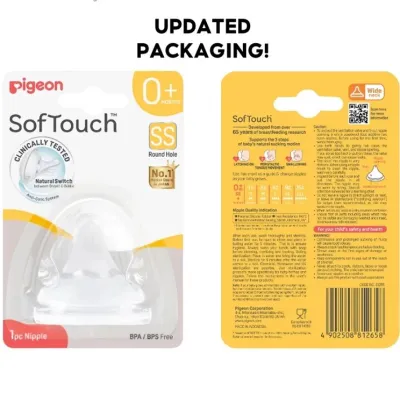
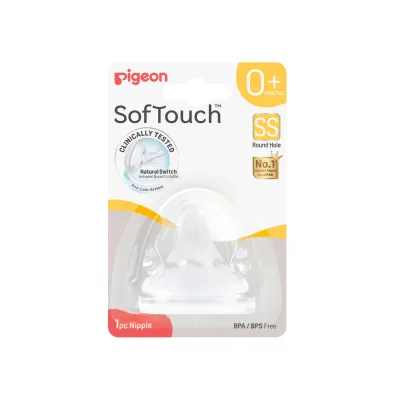
![[NEW] Pigeon SofTouch™ Wide Neck Nipple (Promo)](https://img.lazcdn.com/g/p/9ad1bd0730a6805e5e1f59444563dce2.jpg_400x400q80.jpg_.webp)
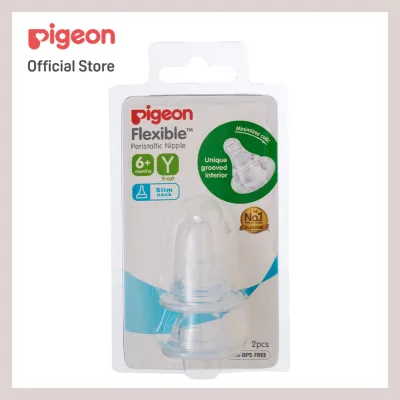
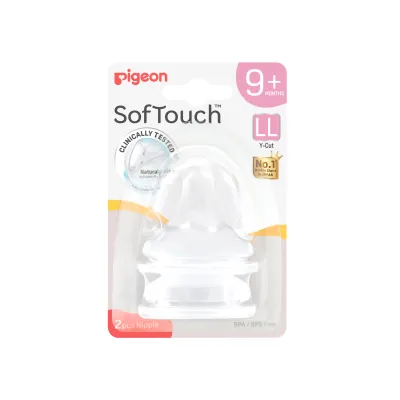
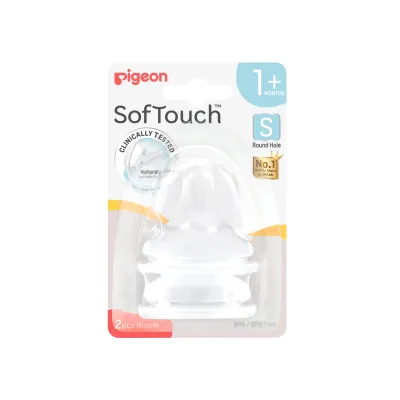
Prices are valid at publication and may change. Please refer to the product page for the latest price.
These material origins also dictate how each teat responds to environmental factors. Silicone is highly resistant to temperature fluctuations and exposure to light, maintaining its structural integrity over long periods. Latex, being organic, is highly sensitive to heat, sunlight, and lipids found in milk, which cause the material to break down and lose its elasticity much faster than its synthetic counterpart.
Durability, Cleaning, and Daily Maintenance
The physical differences between silicone and latex directly impact how you clean, sterilize, and maintain them in your daily routine. Silicone teats are highly heat-resistant and compatible with almost all modern sterilization methods. You can safely subject silicone to steam sterilization, boiling water, and UV sterilizers without worrying about rapid degradation. This makes silicone an incredibly convenient option for busy parents who rely on automated sterilizing appliances.

Latex teats require a much more delicate maintenance routine due to their sensitivity to heat and light. High temperatures from prolonged boiling or steam sterilization can accelerate the breakdown of natural rubber, causing it to become weak and sticky. Furthermore, UV sterilization is generally not recommended for latex, as UV rays rapidly degrade natural rubber compounds. Caregivers must carefully read the manufacturer’s product labels for specific cleaning instructions, which often recommend washing latex teats in warm, soapy water and scalding them briefly rather than exposing them to intense heat cycles.
Over time, both materials will show signs of wear, but the indicators of degradation differ significantly. A degrading silicone teat may become cloudy, develop fine cracks, or show a slight thinning around the tip. A degrading latex teat, however, will often swell in size, become dark and discolored, and develop a sticky or gummy surface texture. When you notice these tactile or visual changes, it is a clear sign that the material’s structural integrity has compromised, and the teat must be replaced immediately.
The development of your baby’s teeth also plays a major role in the lifespan of each material. While silicone is firmer and offers moderate resistance to biting, sharp primary teeth can still puncture it. Latex is highly elastic and can stretch under pressure, but once a tooth punctures the surface, the tear can expand rapidly, posing a choking hazard. Regardless of the material chosen, parents must inspect the teat before every single feed, especially once the baby begins teething.
Safety, Allergies, and Health Considerations
Safety is the paramount concern when choosing any product for your infant, and this is particularly true for items that come into direct contact with your baby’s mouth. The primary health consideration when comparing these two materials is the risk of allergic reactions. Natural rubber latex contains organic proteins that can trigger sensitivities or allergic reactions in some infants.
Parents should closely monitor their baby for any observable signs of latex sensitivity during and after feeding. These signs may include localized skin redness around the lips, cheeks, or chin, mild swelling of the mouth or tongue, or unexplained fussiness during feeds. If your family has a documented history of latex allergies, it is highly advisable to avoid latex teats entirely and opt for silicone instead.
Medical-grade silicone is widely recognized as a hypoallergenic material because it is synthetic and free from natural proteins. While allergic reactions to silicone are extremely rare, parents should still maintain a watchful eye for any signs of oral irritation or discomfort. Sometimes, what appears to be a material reaction is actually irritation caused by chemical residues from harsh dishwashing detergents or sterilizing agents that have not been thoroughly rinsed away.
If you observe any signs of an allergic reaction, persistent skin irritation, or respiratory discomfort in your baby, stop using the teat immediately. Remove the bottle from the feeding routine and consult a pediatrician or a qualified healthcare professional to determine the cause and receive appropriate guidance.
Matching the Material to Your Baby's Feeding Stage
An infant’s feeding needs, sucking strength, and oral development change rapidly during the first year of life, making certain materials more suitable at specific stages. Newborns, for instance, have relatively weak jaw muscles and a highly sensitive sucking reflex. The soft, highly flexible nature of a latex teat requires less compression force, allowing a newborn to feed comfortably without tiring too quickly.
As babies transition from breastfeeding to bottle-feeding, the choice of material can influence their acceptance of the bottle. The warmth-retaining properties and skin-like texture of latex can provide a more familiar sensation, helping to ease the transition and reduce the likelihood of bottle rejection. However, many modern silicone teats are engineered with textured surfaces and variable thickness to mimic the natural latch, offering a highly effective alternative for breastfed babies.
For older infants who have developed stronger suction and are beginning to sprout teeth, the firmer structure of silicone is generally more appropriate. A strong baby can easily collapse a soft latex teat during vigorous sucking, which disrupts the flow of milk and can cause the baby to swallow excess air, leading to gas and colic. Silicone’s structural firmness helps the teat maintain its shape under pressure, ensuring a consistent, paced flow of milk that matches the baby’s growing developmental needs.
When adjusting your choice, consider how the material interacts with your baby’s feeding pace. If you notice your baby struggling to get milk or collapsing the teat frequently, transitioning to a firmer silicone teat or adjusting the flow size may help. Conversely, if a baby rejects a firm silicone teat, introducing a softer latex option temporarily can help establish a successful feeding routine before transitioning back to more durable materials later on.
Side-by-Side Comparison Checklist
To help you quickly evaluate the practical differences between these two materials, refer to the structured comparison table below.
| Feature | Silicone Teats | Latex Teats |
|---|---|---|
| Tactile Feel | Firm, smooth, and structurally resilient | Very soft, highly flexible, and skin-like |
| Appearance | Crystal clear and transparent | Amber, golden-brown, and opaque |
| Lifespan | Longer (typically 2 to 3 months) | Shorter (typically 4 to 8 weeks) |
| Sterilization | Compatible with steam, boiling, and UV | Sensitive to UV and prolonged high heat |
| Allergy Risk | Hypoallergenic (extremely low risk) | Potential natural rubber latex allergy |
| Odor & Taste | Completely neutral, odorless, and tasteless | Mild, natural rubber scent and taste |
When purchasing teats, always verify the specific product line and packaging details. For example, Pigeon offers different collections, such as the SofTouch wide-neck and slim-neck lines, and the dimensions, ventilation systems, and material thicknesses can vary across these ranges. Ensure that the teat you select is fully compatible with your existing bottle collars and matches your baby’s current age-based flow rate.
Before unboxing and using a new teat for the first time, perform this quick safety inspection checklist:
- Check the packaging seal to ensure it has not been tampered with or damaged.
- Wash your hands thoroughly with soap and water before handling the new teat.
- Hold the teat up to a bright light and inspect it for any micro-tears, hairline cracks, or manufacturing defects.
- Gently pull the bulb of the teat in all directions to verify its elasticity and ensure there are no weak spots.
- Confirm that the ventilation valve and the flow hole are completely clear and free from obstructions.
Final Decision Framework: Which Teat Should You Buy?
To finalize your decision, evaluate your household’s daily routine and your baby’s specific feeding behavior against these condition-based guidelines.
Choose silicone if:
- You want a highly durable teat that lasts longer and requires less frequent replacement.
- You rely on UV sterilizers or automated steam systems for your daily cleaning routine.
- Your baby has a strong suck, has started teething, or shows no preference for ultra-soft materials.
- You prefer an entirely odorless and tasteless feeding setup to avoid any potential rejection based on scent.
Choose latex if:
- Your baby consistently rejects firmer silicone teats and struggles to latch onto standard bottles.
- You are in the middle of transitioning your baby from breastfeeding to bottle-feeding and need a material that closely mimics skin texture.
- You do not mind a more hands-on cleaning routine and are prepared to replace the teats every few weeks.
- There is no family history of latex allergies or sensitivities in your household.
When you are ready to purchase, ensure you buy from official brand websites, authorized physical department stores, or verified online marketplaces. Purchasing from reputable sources guarantees product authenticity, ensuring that the materials used meet strict safety standards and are free from harmful contaminants.
When introducing a new teat material or brand, do so gradually. Choose a feeding time when your baby is calm, alert, and not excessively hungry or tired. Allow your baby to explore the texture of the new teat at their own pace, and monitor their latch, swallowing sounds, and comfort levels closely during the first few sessions to ensure a smooth and successful transition.
Frequently Asked Questions (FAQ)
Can I alternate between silicone and latex teats for the same baby?
While some babies are highly adaptable and can switch between different materials without issue, it is generally recommended to maintain consistency in your baby’s feeding routine. Alternating between the firm texture of silicone and the ultra-soft feel of latex can sometimes cause nipple confusion or frustration, as the baby must adjust their sucking technique and jaw pressure for each material.
If you do choose to alternate—for instance, using latex during transitional periods and silicone for regular feeds—ensure you maintain separate cleaning and inspection routines. Because latex degrades much faster than silicone, mixing them in the same storage drawer can make it easy to overlook a worn-out latex teat. Always inspect each teat individually before use to ensure it remains safe for your baby.
What are the immediate signs that a Pigeon teat needs to be replaced?
You should replace a bottle teat immediately if you observe any physical or tactile signs of wear during your pre-feed inspection. Physical changes to look for include visible micro-tears, hairline cracks, thinning of the material around the tip or base, or an enlarged flow hole that causes milk to drip too quickly.
Tactile warning signs are especially common in latex teats and include a sticky or gummy texture, a loss of elasticity where the teat does not spring back into shape when pulled, or a swollen appearance. If you detect any of these warning signs, discard the teat immediately and replace it with a new one to prevent choking hazards or feeding difficulties.
Community discussion
Share your experience or ask a question. Comments are reviewed before publication.