
Choosing between silicone and latex pigeon teats comes down to balancing durability and ease of maintenance against your baby’s specific latching preferences. Silicone is the modern standard, offering high durability, excellent heat resistance, and a hypoallergenic composition that suits most families. Latex, made from natural rubber, provides a softer, highly flexible texture that closely mimics the feel of a mother’s breast, making it a common choice for babies who struggle to transition from breastfeeding. The ideal material depends on your baby’s oral development, your preferred sterilization routine, and any family history of latex sensitivities.
While silicone is generally the preferred choice for most parents due to its longevity and hygienic properties, neither material is universally superior. A baby’s unique sucking style and sensory preferences will ultimately dictate which teat is accepted. Understanding the physical properties, safety considerations, and maintenance requirements of both options will help you make an informed decision for your infant’s feeding journey.
Quick Answer: Which Pigeon Teat Material Is Best?
For the vast majority of households, silicone pigeon teats are the most practical and safest starting point. Silicone is a synthetic, medical-grade material that is completely free from natural rubber proteins, making it entirely hypoallergenic. It is highly robust, holding its shape under vigorous sucking, and can withstand virtually all modern sterilization methods, including boiling, steam, and ultraviolet (UV) light. This resilience makes silicone highly cost-effective, as the teats do not degrade quickly and maintain a consistent flow rate over months of daily use.
Products mentioned in this guide
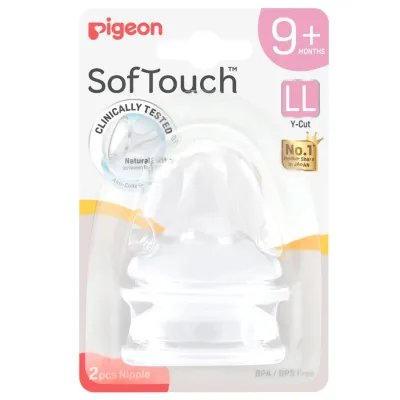

![[NEW] Pigeon SofTouch™ Wide Neck Nipple (Promo)](https://img.lazcdn.com/g/p/9ad1bd0730a6805e5e1f59444563dce2.jpg_400x400q80.jpg_.webp)
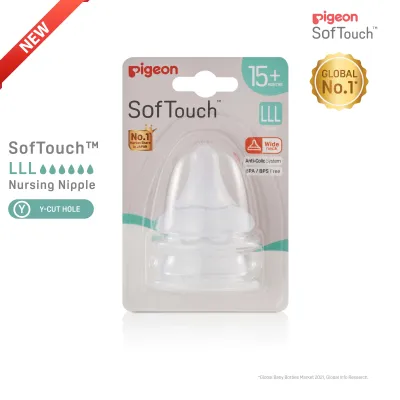
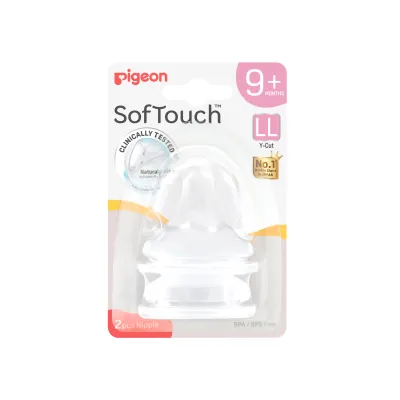
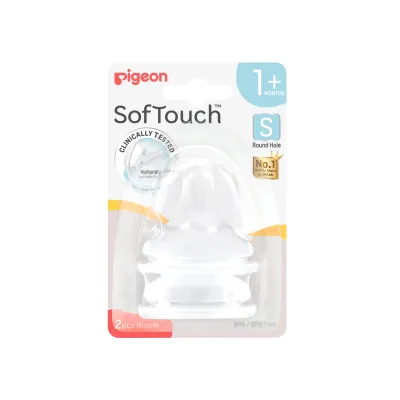
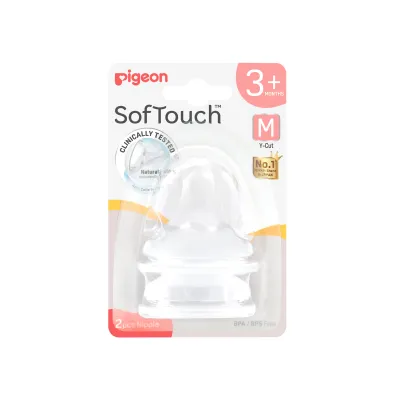
Prices are valid at publication and may change. Please refer to the product page for the latest price.
On the other hand, latex pigeon teats excel in scenarios where a baby rejects firmer silicone options. Made from natural rubber sap, latex teats are exceptionally soft, warm to the touch during feeding, and highly elastic. This elasticity allows the teat to conform easily to the baby’s palate, simulating the natural dynamics of breastfeeding. However, this softness comes at the cost of durability. Latex degrades rapidly when exposed to heat, UV light, and fats from milk, requiring frequent replacements and gentler cleaning methods. If your baby is transitioning from breast to bottle or has a sensitive latch, latex may provide the comfort they need, provided you are prepared for more frequent upkeep.
Ultimately, the “better” material is the one that supports a comfortable, gas-free feed for your baby while fitting seamlessly into your daily cleaning workflow. Many parents begin with silicone due to its ease of care and only pivot to latex if their baby demonstrates a strong preference for a softer texture or consistently rejects silicone bottles.
Silicone vs Latex Teats: Key Differences at a Glance
To help you quickly evaluate the trade-offs between these two materials, the table below outlines the primary physical characteristics, maintenance needs, and safety profiles of silicone and latex teats.

| Feature | Silicone Teats | Latex Teats |
|---|---|---|
| Material Feel | Firm, smooth, clear, and structurally stable | Extremely soft, highly flexible, and amber-tinted |
| Durability | High; highly resistant to tearing, biting, and stretching | Moderate to low; prone to stretching, tearing, and softening |
| Heat & UV Resistance | Excellent; tolerates boiling, steam, and UV sterilization | Poor; degrades under high heat and direct UV exposure |
| Allergy Risk | Hypoallergenic; safe for babies with sensitive skin | Potential risk for babies with natural rubber latex allergies |
| Replacement Frequency | Typically every 2 to 3 months, depending on wear | Typically every 4 to 6 weeks, or at the first sign of wear |
| Scent and Taste | Completely neutral; does not absorb food odors | Mild, natural rubber scent that some babies may notice |
When reviewing these differences, keep in mind that these are general material properties. The actual lifespan of any teat will depend heavily on your feeding frequency, cleaning habits, and the age of your baby. Always check the manufacturer’s packaging for product-specific care instructions and safety warnings before introducing a new teat to your baby.
Texture and Latch: How Each Material Feeds
The physical texture of a teat plays a critical role in how successfully a baby latches and extracts milk. Latex is highly valued for its mimicry of human tissue. Because natural rubber is highly elastic, a latex teat stretches and flexes easily in response to the peristaltic movement of the baby’s tongue. This high flexibility can be incredibly beneficial for newborns, premature infants, or babies with weaker jaw muscles who require a highly responsive surface to establish a secure seal. The material also warms up quickly to the temperature of the milk, providing a familiar, comforting sensation that can ease the transition for breastfed babies.
Silicone, by contrast, is a firmer material that offers greater structural resistance. While it is still soft and pliable, it does not stretch as easily as latex. This firmness is actually an advantage for babies with a strong, aggressive sucking style. A silicone teat retains its shape under high negative pressure, preventing the teat from collapsing during a feed. If a teat collapses frequently, the baby must release their latch to allow air back into the bottle, which often leads to the ingestion of excess air, gas, and fussiness. Silicone’s stable structure ensures a continuous, predictable flow of milk, allowing the baby to establish a rhythmic feeding pattern.
Your baby’s oral development and sucking strength are the primary guides here. If you observe your baby struggling to compress a silicone teat or rejecting the bottle entirely, the softer squeeze of latex might help them latch more comfortably. Conversely, if your baby has a very strong suck or has begun teething, they may find that latex teats collapse too easily or tear under the pressure of their gums, making the firmer, bite-resistant structure of silicone the safer and more efficient choice.
Durability and Lifespan: When to Replace
Silicone is a highly stable, inorganic polymer that resists environmental degradation exceptionally well. It does not react with the fats or acids present in breast milk and infant formula, nor does it degrade when exposed to sunlight or ambient humidity. This chemical stability means silicone teats retain their elasticity, clarity, and flow rate for a long time. They are highly resistant to tearing, even when subjected to the friction of cleaning brushes or the pressure of emerging baby teeth. This makes silicone an incredibly durable option that can easily last several months under normal usage conditions.
Latex is an organic material derived from the sap of rubber trees, making it inherently biodegradable and sensitive to environmental factors. Over time, exposure to milk fats, saliva, heat, and light causes the molecular chains in natural rubber to break down. This process, known as degradation, changes the physical properties of the teat. A degrading latex teat will lose its elasticity, stretch out of shape, and become structurally weak. In warm, humid environments like Singapore, this natural breakdown can occur even faster if the teats are stored in damp areas or exposed to direct sunlight.
Because latex degrades progressively, caregivers must perform regular visual and tactile inspections before every feed. To help you identify when a teat has reached the end of its safe lifespan, use the following checklist of wear indicators:
- Stickiness: The surface of the teat feels tacky, sticky, or gummy to the touch, indicating the rubber is liquefying.
- Swelling or Stretching: The teat looks larger than its original size, or the tip has become floppy and bulbous.
- Discoloration: The natural amber color has darkened significantly, turned cloudy, or developed white patches.
- Micro-tears or Cracks: Small fractures appear around the tip, the ventilation valve, or the collar when the material is gently stretched.
- Altered Flow Rate: Milk flows in a continuous stream rather than steady drops, indicating the feeding hole has enlarged due to wear.
If you observe any of these signs, discard the teat immediately. While silicone teats generally require replacement every two to three months for hygiene and flow-rate adjustments, latex teats must be replaced every four to six weeks—or sooner if any signs of degradation appear. Always refer to the specific replacement timelines and safety warnings printed on your Pigeon packaging.
Safety, Allergies, and Sterilization
From a chemical safety perspective, both silicone and latex teats manufactured by reputable brands like Pigeon are free from harmful bisphenols (such as BPA) and phthalates. However, their raw materials present very different biological profiles. Silicone is synthetic and inert, meaning it does not contain organic proteins and is highly biocompatible. It is exceptionally rare for an infant to develop an allergy or skin sensitivity to medical-grade silicone, making it the safest option for families with a history of sensitive skin, eczema, or contact allergies.
Latex, being a natural agricultural product, contains water-soluble plant proteins that can act as allergens. While manufacturing processes wash and treat the rubber to minimize these proteins, a small risk of sensitization remains. If a baby has an undiagnosed latex allergy, using a latex teat can cause localized contact dermatitis or more systemic allergic reactions. If you suspect your baby is reacting to their feeding equipment, stop using the latex teat immediately, switch to a silicone alternative, and consult a pediatrician or medical professional for guidance.
Sterilization routines also differ dramatically between the two materials. Silicone’s high thermal stability allows it to withstand temperatures well above boiling point. You can safely sanitize silicone teats using steam sterilizers, boiling water, chemical sterilizing tablets, or UV light sterilizers without affecting the material’s structural integrity. This versatility makes silicone incredibly convenient for busy parents who rely on automated appliances to keep baby gear clean.
Latex is highly sensitive to extreme heat and radiation. Repeated exposure to boiling water or high-temperature steam sterilizers accelerates the softening and degradation of natural rubber. Furthermore, UV sterilizers can rapidly break down the chemical bonds in latex, causing it to become brittle, discolored, and prone to tearing within just a few cycles. If you choose to use latex teats, you must wash them gently in warm, soapy water and use cold-water chemical sterilizing solutions or very brief boiling cycles as recommended by the manufacturer. Always verify the maximum temperature limits and approved sterilization methods printed on the product packaging to avoid damaging the teats.
Age Suitability and Flow Rate Selection
As your baby grows, their nutritional needs, jaw strength, and swallowing coordination change rapidly. Pigeon teats are designed to match these developmental stages through a structured system of flow rates and hole shapes, ranging from size SS for newborns to larger sizes like L, LL, and LLL for older infants. The physical design of the teat hole is just as important as the material itself. Smaller sizes typically feature a round hole that allows milk to drip slowly and consistently, while larger sizes often use a Y-cut or cross-cut opening that only releases milk when the baby actively sucks, giving them control over the flow rate.
During the early newborn stage (0 to 3 months), an infant’s oral cavity is small, and their sucking reflex is highly sensitive. The ultra-soft, flexible nature of a latex teat can be highly comforting during these first few weeks, as it requires minimal jaw effort to compress and extract milk. However, as babies reach the 3-to-6-month mark, their jaw muscles strengthen, and they begin to explore objects with their mouths. During this stage, many babies transition easily to silicone teats, which provide the resistance needed to support healthy oral muscle development and prepare the jaw for chewing solid foods.
Once teething begins, the choice of material becomes a critical safety issue. Teething infants often bite down hard on bottle teats to soothe their inflamed gums. Because latex is soft and prone to structural weakening, a teething baby can easily bite through a latex teat, creating a severe choking hazard if a piece of rubber detaches. Silicone, with its high tensile strength and tear resistance, is much better suited to withstand the pressure of emerging teeth. Caregivers must select the flow rate and material based on the baby’s actual developmental stage, jaw strength, and swallowing ability, rather than relying solely on age estimates. Always supervise your baby during feeds and inspect the teat for bite marks or tears before every use.
How to Choose: Silicone or Latex?
To finalize your purchase and select the best option for your household, consider the following practical decision framework based on your lifestyle, sterilization preferences, and your baby’s unique needs.
Choose Silicone if:
- You want low-maintenance care: You prefer using automated steam, microwave, or UV sterilizers without worrying about material degradation.
- You prioritize longevity and value: You want a durable teat that resists tearing, biting, and stretching, lasting up to three months before needing a routine replacement.
- Your baby is teething: Your infant has begun cutting teeth and needs a firm, bite-resistant material that will not tear easily.
- You want a hypoallergenic option: You want to eliminate any risk of natural rubber latex allergies, especially if there is a family history of sensitivities.
Choose Latex if:
- Your baby rejects silicone: Your infant consistently refuses firmer silicone teats and requires an ultra-soft, highly flexible texture to establish a proper latch.
- You are transitioning from breastfeeding: You want a material that closely mimics the warmth, elasticity, and natural movement of the breast to ease the transition to bottle-feeding.
- Your baby has a gentle suck: Your newborn or premature baby has weaker jaw muscles and benefits from a highly responsive, easily compressed teat.
- You are committed to frequent maintenance: You are willing to wash teats gently, avoid harsh sterilization methods, and replace the teats every four to six weeks.
Verify first if:
- Your baby has sensitive skin: Check for any signs of redness or irritation around your baby's mouth after feeding, and consult a healthcare professional if you suspect a latex allergy.
- You use specialized sterilizers: Check the operating instructions of your UV or steam sterilizer to ensure compatibility with natural rubber latex before purchasing latex teats.
- You are using specialized bottles: Ensure the teat size and collar shape match your specific bottle brand and model, as mixing incompatible parts can cause leaks and poor venting.
Frequently Asked Questions (FAQ)
Can I mix silicone and latex teats for the same baby?
While it is physically safe to alternate between silicone and latex teats, doing so can sometimes cause nipple confusion or feeding inconsistencies. Because the two materials have vastly different textures, weights, and flexibilities, your baby may find it difficult to adjust their sucking technique when switching between them. This can lead to inefficient feeding, excess air intake, or temporary bottle rejection. For consistent oral development and a predictable feeding routine, it is generally best to stick to one material once your baby has established a comfortable latch.
How do I know if my baby is allergic to latex teats?
An allergic reaction to natural rubber latex typically manifests as localized skin irritation around the areas that come into direct contact with the teat. Look for signs such as redness, a raised rash, small bumps, or swelling on your baby’s lips, tongue, cheeks, or chin immediately after a feed. In rare cases, a more systemic reaction may cause congestion, watery eyes, or breathing difficulties. If you observe any of these symptoms, stop using the latex teat immediately, switch to a hypoallergenic silicone alternative, and consult your pediatrician or a qualified medical professional for a proper diagnosis.
Community discussion
Share your experience or ask a question. Comments are reviewed before publication.