
Choosing the right bottle teat is a highly individual decision that depends on your baby’s unique feeding preferences, physical comfort, and your daily caregiving routine. When comparing Pigeon silicone and latex teats, there is no single option that works perfectly for every infant. Silicone is widely favored by parents who prioritize long-term durability, easy hygiene maintenance, and resistance to high-temperature sterilization. On the other hand, natural rubber latex is often chosen for its exceptional softness and high elasticity, which closely mimic the natural feel of a mother’s breast, making it a popular choice for babies who struggle with bottle acceptance.
Pigeon offers a variety of teat designs across different product lines, such as their SofTouch range, which are engineered to support natural sucking behaviors. Because teat material, shape, and flow rates all interact to influence how milk flows and how your baby latches, understanding the fundamental differences between synthetic silicone and natural rubber latex is the first step toward a successful feeding journey. By evaluating how each material performs under daily use, you can select a teat that supports your baby’s developmental stage while fitting seamlessly into your household cleaning routine.
Comparing Silicone and Latex: What to Look For
To make an informed choice, caregivers must look beyond simple product labels and evaluate how each material behaves in real-world scenarios. The primary comparison dimensions include physical longevity under frequent sterilization, the sensory experience the material provides to the baby, and essential health and hygiene considerations. While technical specifications provide a helpful starting point, your baby’s actual latching behavior, sucking strength, and comfort during feeds are the ultimate indicators of suitability. Observing how your baby interacts with the teat—whether they collapse it, reject it, or feed calmly—will guide you far better than any universal recommendation.
Products mentioned in this guide
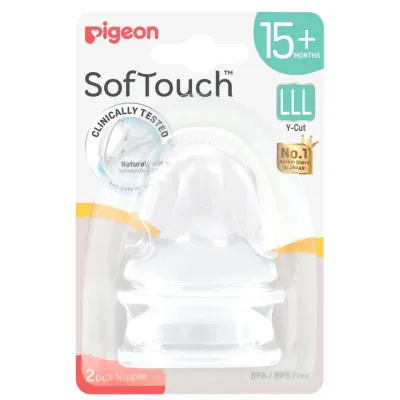
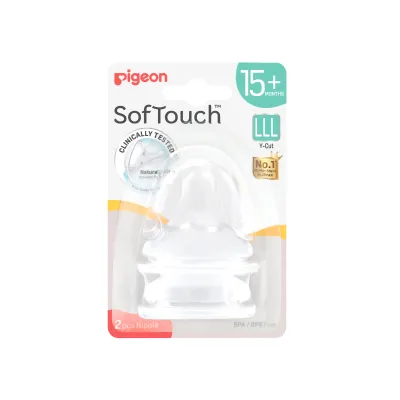
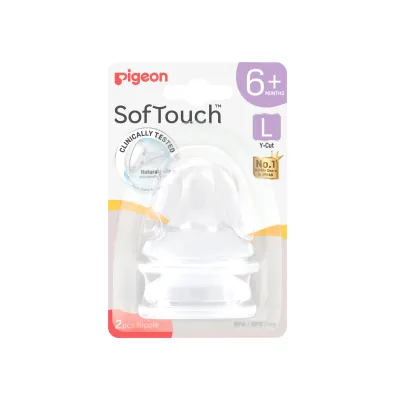
Prices are valid at publication and may change. Please refer to the product page for the latest price.
Durability and Heat Resistance
Silicone is a synthetic polymer known for its outstanding thermal stability. It easily withstands high temperatures from boiling water, steam, and ultraviolet (UV) sterilization without losing its shape. This makes silicone teats highly convenient for busy households in Singapore, where daily sterilization is standard. Because silicone resists heat and environmental exposure, these teats maintain their structural properties longer, requiring less frequent replacement.
In contrast, natural rubber latex is an organic material highly sensitive to heat, sunlight, and moisture. Frequent exposure to boiling or steam accelerates latex degradation, causing it to soften, swell, or become sticky. UV sterilization also degrades natural rubber quickly, making it less suitable for UV cabinets. In Singapore’s warm and humid climate, storing latex teats in a cool, dry place away from direct sunlight is especially important to prevent premature degradation. Caregivers must inspect latex teats before every feed for visual and tactile signs of wear, such as discoloration, a tacky texture, micro-tears, or a stretched-out feeding hole.
Always consult the specific packaging of your Pigeon teats for the manufacturer’s official guidelines regarding sterilization compatibility and maximum lifespan. While silicone teats typically last longer, both materials have finite lifespans shortened by frequent use, biting, and cleaning. Monitoring the physical state of the teat is crucial to preventing feeding hazards, such as an accelerated flow rate or material tearing during a feed.
Texture, Flexibility, and Feeding Acceptance
The tactile experience of a teat plays a massive role in how easily a baby accepts a bottle, especially during the transition from breastfeeding. Natural rubber latex is celebrated for its remarkable softness, warmth, and high elasticity. It stretches and flexes easily in response to the baby’s tongue movements, closely replicating the natural dynamics of breastfeeding. For babies who are highly sensitive to texture or those who exhibit bottle refusal, the pliable and forgiving nature of a latex teat can provide the familiar comfort they need to establish a secure, relaxed latch.
Silicone, while highly flexible in modern designs like Pigeon’s SofTouch range, is inherently firmer and more structured than natural rubber. This firmness allows the silicone teat to retain its shape consistently, even under the pressure of vigorous sucking. For older babies who have developed stronger jaw movements, or those who prefer a highly stable surface to press their tongue against, a silicone teat offers a reliable and predictable flow. The material does not collapse easily, which helps maintain a steady milk flow and reduces the amount of air the baby might swallow during a feed.
Because every baby’s oral anatomy and sucking reflex are unique, predicting which material your baby will prefer is virtually impossible. To avoid wasting money on bulk packs, it is highly recommended to purchase a single unit of both silicone and latex teats in the appropriate flow rate. Allowing your baby to try both materials under calm, low-pressure feeding conditions will give you clear, observable feedback on which texture they prefer before you commit to a larger purchase.
Safety, Allergy Risks, and Hygiene
When choosing feeding equipment, safety and hygiene are paramount. Natural rubber latex is harvested from organic sources, which means it contains naturally occurring proteins that can trigger allergic reactions in sensitive individuals. While rare, latex allergies can cause skin irritation, redness, oral discomfort, or more severe respiratory symptoms in babies. If you choose to use latex teats, it is vital to monitor your baby closely during and after feeds for any signs of adverse reactions, and to consult a qualified healthcare professional immediately if you suspect an allergy.
Silicone, being a medical-grade synthetic material, is completely hypoallergenic and free from natural rubber proteins, making it an exceptionally safe choice for babies with sensitive skin or a family history of allergies. Furthermore, silicone is non-porous, odorless, and tasteless. It does not absorb milk fats, strong odors, or cleaning agents over time, ensuring that each feed tastes fresh and clean. Latex, due to its porous organic structure, can gradually absorb oils from breast milk or infant formula, which may lead to lingering odors or a cloudy appearance that is difficult to wash away.
Regardless of the material you select, ensuring the authenticity and safety of the product is a critical responsibility. Parents in Singapore should verify that any Pigeon teat they purchase complies with local consumer safety standards. Counterfeit baby products are a serious hazard, as they may contain unapproved chemicals, heavy metals, or structural defects that pose choking risks. Always inspect the packaging for official distributor labels, batch numbers, and clear manufacturing details, and avoid buying from unverified third-party sellers on online marketplaces.
Decision Framework: Which Material Fits Your Baby?
To help you navigate the choice between these two materials, we have structured a practical decision framework based on your baby’s specific needs and your caregiving preferences. By matching your household routine and your baby’s feeding behavior to the characteristics of each material, you can make a confident choice that minimizes stress and ensures safe, comfortable feeds.

Choose Silicone if:
- Your baby has highly sensitive skin, eczema, or a family history of latex allergies.
- You prefer a low-maintenance cleaning routine and rely heavily on steam, boiling, or UV sterilizers.
- Your baby has started teething and tends to bite, chew, or pull aggressively on the bottle teat.
- You want a durable product that maintains its shape, flow rate, and structural integrity over several months of regular use.
- You prefer a completely odorless and tasteless feeding surface that does not retain milk oils.
Choose Latex if:
- Your baby consistently rejects firmer silicone teats and struggles with bottle acceptance.
- You are actively transitioning your baby between breast and bottle and need the softest, most elastic material possible.
- You do not mind replacing bottle teats more frequently (often every four to six weeks) to accommodate material wear.
- You are comfortable using gentle, low-heat sterilization methods and hand-washing to preserve the material.
Verify First if:
- Your baby was born prematurely, has a cleft palate, or has other diagnosed medical conditions that affect sucking and swallowing; in these cases, consult your pediatrician or a lactation consultant before choosing a teat.
- You are planning to transition to a faster flow rate, as a change in flow size must always align with your baby's developmental stage and swallowing capability, regardless of the material.
The following table summarizes how silicone and latex compare across key decision factors to help you visualize the best fit for your family:
| Feature / Priority | Silicone Teats | Latex Teats |
|---|---|---|
| Material Source | Synthetic medical-grade polymer | Natural rubber latex (organic) |
| Texture & Feel | Firmer, holds shape under pressure | Extremely soft, highly elastic |
| Allergy Risk | Hypoallergenic (extremely low risk) | Contains natural proteins (potential allergen) |
| Heat & UV Tolerance | High; compatible with all sterilizers | Low; degrades quickly under heat and UV |
| Average Lifespan | Longer (typically 2 to 3 months) | Shorter (typically 4 to 6 weeks) |
| Odor & Oil Retention | None; non-porous surface | Can absorb milk fats and odors over time |
| Best Suited For | Teething babies, busy parents, UV sterilizer users | Breast-to-bottle transition, bottle-rejecting babies |
Cleaning, Sterilizing, and Knowing When to Replace
Proper maintenance is essential to keep your baby’s bottle teats hygienic and safe, regardless of whether you choose silicone or latex. After every feed, rinse the teat immediately in cool water to prevent milk solids from drying and sticking to the inner surfaces. Wash the teat thoroughly using warm, soapy water and a mild, baby-safe liquid cleanser. Always use a designated, soft-bristled bottle and teat brush to clean the delicate tip and valve areas. Avoid using harsh abrasive pads or forcing large brushes through the feeding hole, as this can easily scratch the surface, create micro-grooves where bacteria can multiply, or tear the delicate silicone or latex.
Knowing exactly when to discard and replace a teat is critical to preventing choking hazards and ensuring a consistent flow rate. For latex teats, look out for a sticky or tacky texture, a swollen or enlarged appearance, significant discoloration, or a cloudy film that does not wash off. For silicone teats, check for fine cracks, punctures from teething, a loss of elasticity, or a stretched-out feeding hole that causes milk to drip too quickly. A simple stretch test—gently pulling the bulb of the teat in all directions—can help reveal hidden micro-tears that might otherwise go unnoticed.
If you discover any structural damage, tears, or changes in the material’s texture during your pre-feed inspection, dispose of the teat immediately. Never attempt to repair a damaged teat using household glues, tape, or sewing needles, as these introduce toxic chemicals and choking hazards into your baby’s mouth. Additionally, avoid using unapproved chemical disinfectants or household bleach to clean the teats, as these substances can degrade both silicone and latex rapidly and leave harmful residues. Stick strictly to the manufacturer’s approved cleaning instructions to keep your feeding equipment in optimal condition.
Frequently Asked Questions (FAQ)
Can I switch between silicone and latex teats for the same baby?
Yes, you can switch between silicone and latex teats, but doing so requires careful observation of your baby’s feeding behavior. Because silicone and latex have vastly different textures, flexibility, and flow dynamics, alternating between them can sometimes cause temporary feeding confusion or frustration for your baby. If you must transition from one material to another—perhaps due to stock availability in local pharmacies or when preparing for travel—introduce the new teat gradually during a feed when your baby is relaxed and not overly hungry. Monitor their milk intake, latch quality, and comfort levels closely during the transition to ensure they are swallowing safely and not taking in excess air.
How do I check if a Pigeon teat is authentic and safe?
To verify that your Pigeon teat is authentic and safe, start by closely inspecting the physical packaging for high-quality printing, clear batch numbers, and official distributor labels. Authentic Pigeon packaging often features security elements, such as holographic seals or QR codes that link directly to the manufacturer’s verification system. The teat itself should have clean, precise molding with no rough edges, a clearly defined flow-size marking, and the official brand logo embossed neatly on the base. To guarantee product integrity and avoid dangerous counterfeit items, always purchase your baby’s feeding supplies from authorized retailers, official brand stores, or reputable local pharmacies.
Community discussion
Share your experience or ask a question. Comments are reviewed before publication.