
Choosing the right baby bottle material is a highly personal decision that depends on balancing durability, weight, and your family’s budget. While one material might excel during quiet midnight feeds at home, another may prove far more practical when navigating a busy day out in Singapore’s humid climate. Pigeon offers three primary bottle materials—polyphenylsulfone (PPSU), glass, and polypropylene (PP)—each designed to address distinct feeding scenarios and developmental stages. By understanding how these materials perform under daily use, sterilization, and travel, you can establish a practical decision framework that aligns with your lifestyle and supports your baby’s feeding journey from infancy through toddlerhood.
Core Material Profiles: PPSU, Glass, and PP
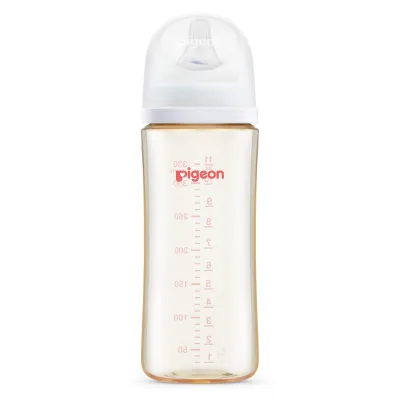
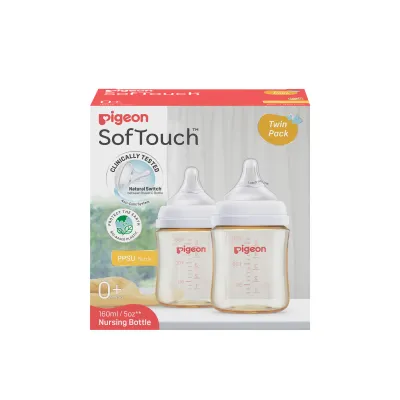
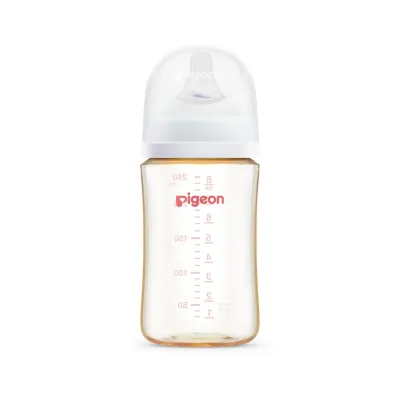
To make an informed choice, it is essential to understand the fundamental physical and chemical characteristics of each material based on standard manufacturing specifications. Polyphenylsulfone, commonly known as PPSU, is a medical-grade plastic renowned for its exceptional durability and high heat resistance. It is easily recognizable by its natural, honey-tinted golden hue. PPSU does not absorb odors or colors easily, making it a premium plastic option for parents who want the longevity of glass without the associated weight or fragility. While it offers impressive thermal stability, caregivers should always verify the exact heat thresholds printed on the product packaging before subjecting the bottles to extreme sterilization methods.
Glass remains a classic and highly trusted choice for many parents, offering a premium feel, absolute clarity, and superior scratch resistance. Because glass is non-porous, it does not discolor over time or retain residual smells from milk or cleaning agents. However, this purity comes with physical trade-offs. Glass bottles are inherently heavy and lack the impact resistance of modern plastics, requiring careful handling during both feeding and washing.
Products mentioned in this guide
![Pigeon [NEW Softouch 3] Nursing Bottle Pp 160ML / 240ML / 330ML Logo](https://img.lazcdn.com/g/p/a873236f9c53526f95226aebac09bdb6.jpg_400x400q80.jpg_.webp)
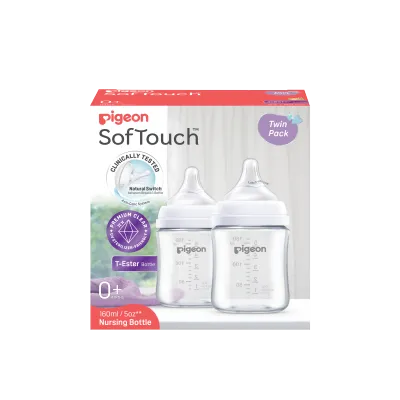
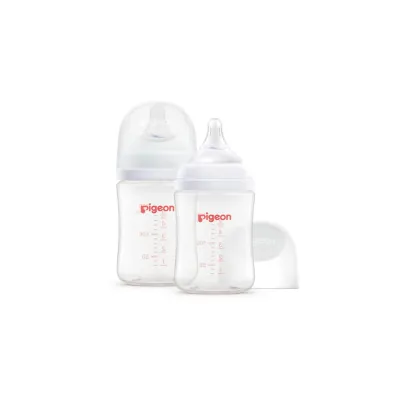
Prices are valid at publication and may change. Please refer to the product page for the latest price.
Polypropylene, or PP, serves as the lightweight, budget-friendly entry option in the lineup. It is characterized by its translucent, slightly cloudy appearance and highly flexible structure. While PP bottles are incredibly light and virtually shatterproof, they have a lower heat tolerance compared to PPSU and are more prone to developing micro-scratches over months of regular cleaning. Understanding these basic material profiles allows you to weigh the premium longevity of PPSU and glass against the cost-effective utility of PP.
Comparing Daily Usability and Lifestyle Fit
Evaluating how each bottle material fits into your daily routine, travel frequency, and physical handling preferences is crucial for long-term satisfaction. The empty weight of a bottle significantly influences caregiver comfort, especially during prolonged late-night feeding sessions when hand fatigue can quickly set in. Glass bottles require a firm, attentive grip from the caregiver, whereas PPSU and PP bottles are exceptionally light, reducing strain on your wrists during long feeds. This weight differential becomes even more pronounced when packing a diaper bag for a day out, where carrying multiple heavy glass bottles alongside other baby essentials can quickly become burdensome.

Drop-risk scenarios are another critical factor to consider based on your typical feeding environment. In active households with tiled floors or when feeding on the go, dropping a bottle is almost inevitable. A dropped glass bottle presents an immediate safety hazard, potentially shattering into sharp fragments that require thorough cleanup and immediate disposal. In contrast, both PPSU and PP exhibit excellent bounce-resilience, absorbing the impact of falls onto hard surfaces without cracking, making them far more forgiving in fast-paced or outdoor settings.
For travel convenience, lightweight plastics are generally the more practical choice. When navigating public transport, shopping malls, or outdoor parks, having shatterproof PPSU or PP bottles in your bag provides peace of mind. They can be jostled, packed tightly, and handled quickly without the constant worry of breakage. However, if your daily routine is centered primarily around the home where feeding occurs in a controlled, carpeted, or cushioned environment, the weight and fragility of glass may pose less of an everyday challenge.
Feeding Stages and Material Suitability
Matching the bottle material to your baby’s developmental milestones and growing independence ensures a safer and more comfortable feeding experience. During the newborn phase, feeding is entirely managed by the caregiver. At this stage, glass is often highly favored because newborns feed frequently but do not yet hold their own bottles. Furthermore, glass bottles allow for precise temperature control, as they transfer and retain heat differently than plastics, helping caregivers warm breast milk or formula efficiently under running water or in a bottle warmer.
As your baby transitions to self-feeding, typically around the middle of their first year, their motor skills begin to develop rapidly. During this phase, the heavy weight of glass becomes a distinct disadvantage, as babies lack the hand strength and coordination to hold a glass bottle safely. Transitioning to lighter materials like PPSU or PP allows your baby to practice gripping and tipping the bottle independently. The lightweight nature of these plastics encourages self-feeding milestones without putting unnecessary strain on tiny hands and wrists.
By the toddler stage, active movements and occasional tantrums mean that bottles are frequently thrown or dropped from high chairs and strollers. Managing this high drop-risk requires highly durable, shatterproof options. PPSU is particularly well-suited for this stage, as it combines the lightweight benefits of PP with a much tougher molecular structure that resists scratches and impacts over extended periods of active use.
Sterilization, Care, and Replacement Guidelines
Maintaining proper hygiene and understanding the specific care requirements for each material is essential for your baby’s health and safety. Sterilization compatibility varies significantly across PPSU, glass, and PP, and caregivers must check specific product labels for boiling, steam, and UV sterilization limits. While glass and PPSU can withstand high-temperature steam and boiling water repeatedly without degrading, PP has a lower thermal threshold and may warp if exposed to excessive heat over prolonged periods. Additionally, if you use a UV sterilizer, be aware that UV exposure can accelerate the degradation of certain plastics, leading to premature aging, discoloration, or brittleness.
Recognizing the physical signs of wear is critical for determining when a bottle should be retired. PP bottles, being softer, are highly susceptible to micro-scratches from bottle brushes. These tiny crevices can harbor milk residue and bacteria, and the material may eventually become cloudy or yellowed. Glass bottles do not scratch easily, but they must be inspected regularly for hairline cracks, chips around the rim, or internal clouding that could compromise structural integrity. PPSU resists scratching much better than PP, but it will eventually show signs of wear after hundreds of sterilization cycles.
Rather than relying on rigid, calendar-based replacement timelines, prioritize thorough visual inspections. Plastic bottles should generally be replaced if you notice persistent cloudiness, deep scratches, stubborn odors, or any changes in the texture of the inner surface. Glass bottles can last indefinitely if they remain completely free of chips, cracks, or deep scratches, making them a highly sustainable option if handled with care. Always prioritize safety by discarding any bottle that shows visible compromise, regardless of how long it has been in use.
Navigating Sizes, Authenticity, and Purchasing
Selecting the appropriate bottle capacity and ensuring you purchase genuine products are vital steps in securing a safe feeding setup. As your baby grows, their nutritional intake increases, requiring a transition to larger bottle sizes. For older babies with larger appetites, stepping up to a larger capacity, such as a Pigeon PPSU bottle 330ml, ensures you can prepare full feeds without needing multiple bottles. Choosing the right size prevents underfeeding and accommodates the natural progression of your baby’s feeding volume.
Because premium baby brands are highly sought after, navigating the market requires vigilance against counterfeit products, particularly when shopping on online marketplaces or third-party ecommerce platforms. Counterfeit plastic bottles may not meet strict material safety standards and could contain harmful chemical compounds. To verify authenticity, carefully inspect the bottle for official brand markings, clean and precise mold lines, and high-quality packaging with clear, professional printing. Genuine PPSU bottles will always exhibit a distinct, consistent honey-tinted color rather than a clear or unevenly shaded plastic.
To guarantee material safety and product integrity, always purchase your feeding equipment from official brand stores or authorized physical and online retailers. Buying through authorized channels ensures that the materials have undergone rigorous quality control and comply with local consumer safety regulations. This simple precaution protects your baby from substandard materials and gives you access to reliable customer support and genuine replacement parts when needed.
Frequently Asked Questions (FAQ)
Can I mix PPSU and Glass bottles for the same baby?
Yes, you can successfully mix PPSU and glass bottles for the same baby, provided you maintain consistency in other areas of feeding. The primary factor influencing a baby’s acceptance of a bottle is the nipple shape, texture, and flow rate rather than the external bottle material itself. If you use the same style of nipple across both bottle types, your baby is unlikely to experience feeding confusion. However, alternating between materials does require some logistical adjustments for caregivers, as glass and plastic bottles heat up, cool down, and dry at different rates, and they may have slightly different cleaning and sterilization requirements.
Do Pigeon PPSU bottles fit the same nipples as the glass ones?
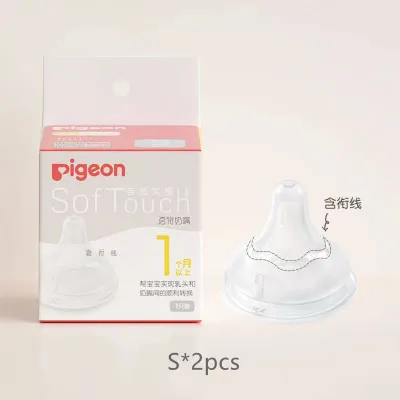
Pigeon bottles are designed with cross-compatibility in mind, meaning that the nipples generally fit across different bottle materials within the same product line. The key factor is matching the neck width of the bottle—such as wide-neck or slim-neck designs—rather than the material of the bottle itself. A wide-neck nipple will fit both a wide-neck PPSU bottle and a wide-neck glass bottle perfectly. Always verify that you are matching the correct nipple generation and neck type to ensure a secure, leak-free seal and proper venting function during feeds.

Community discussion
Share your experience or ask a question. Comments are reviewed before publication.