
Choosing the right baby bottle material involves balancing safety, daily convenience, and budget. While Pigeon PPSU bottles are popular for their lightweight durability, glass and standard plastic alternatives each offer distinct advantages depending on your feeding routine. This guide compares these three materials across practical dimensions to help you decide which option best supports your baby’s feeding needs and your lifestyle in Singapore.
The daily routine of feeding a baby requires equipment that can withstand constant washing, sterilization, and travel. In Singapore’s fast-paced environment, parents often find themselves preparing feeds both at home and on the go, whether during a weekend outing or when dropping their child off at infant care. The material of your baby’s bottle plays a significant role in how easy these daily transitions are, affecting everything from the weight of your diaper bag to how quickly you can warm up milk.
Ultimately, there is no single material that is universally superior for every family. The ideal choice depends on your baby’s age, who is handling the bottle, and your preferred sterilization methods. By understanding the unique properties of polyphenylsulfone (PPSU), borosilicate glass, and standard plastics like polypropylene (PP), you can build a bottle collection that minimizes stress and maximizes safety for your little one.
Products mentioned in this guide
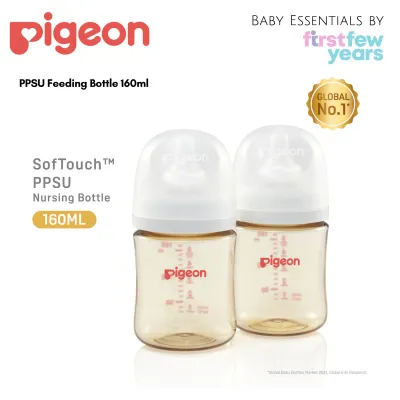
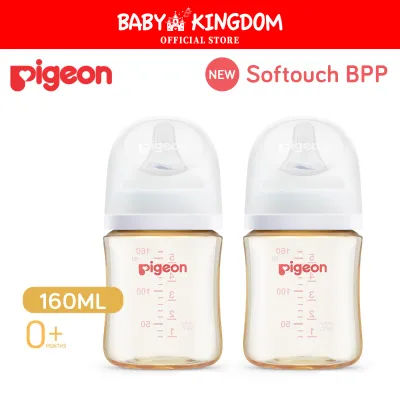
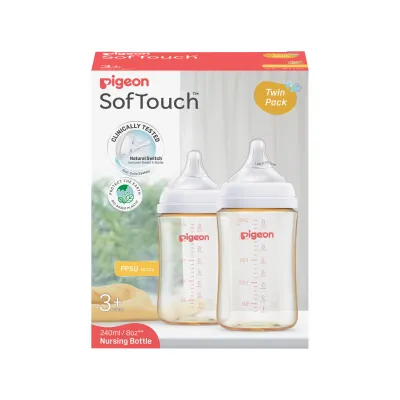
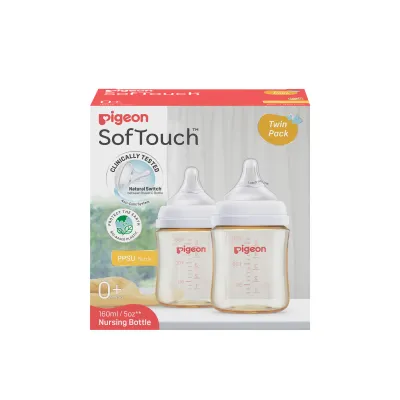
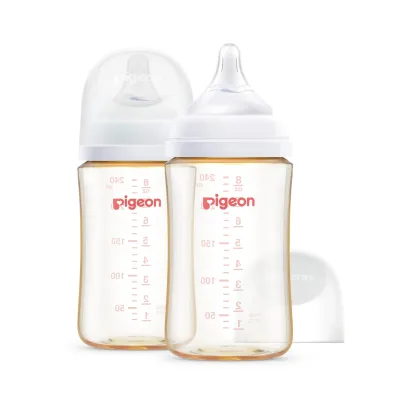
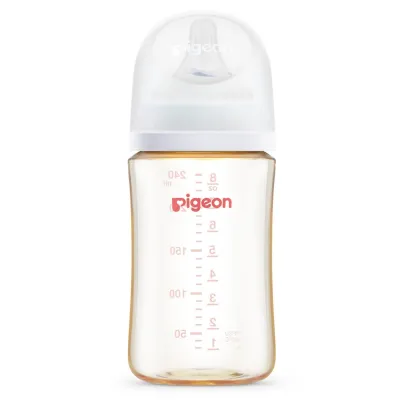
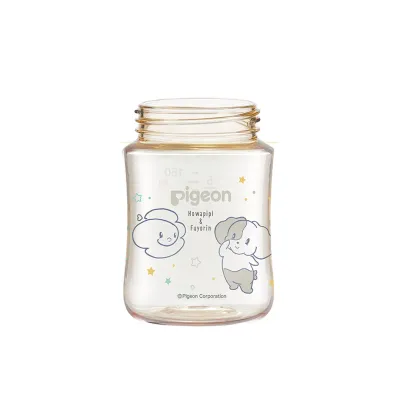
Prices are valid at publication and may change. Please refer to the product page for the latest price.
Understanding the Core Materials: PPSU, Glass, and Standard Plastic
To make an informed decision, it is essential to understand what these materials actually are and how they behave under daily use. Polyphenylsulfone, commonly known as PPSU, is a high-performance, medical-grade thermoplastic widely recognized for its distinct natural honey or amber tint. Unlike standard plastics, PPSU is engineered to endure extreme temperatures and repeated sterilization cycles without losing its structural integrity. It combines the lightweight convenience of plastic with the robust durability of more rigid materials.
Glass baby bottles, typically made from high-quality borosilicate glass, represent the traditional standard for infant feeding. Glass is a natural, non-porous material that does not contain synthetic chemicals, making it a popular choice for parents who want to completely avoid plastics during the early stages of their baby’s life. Its smooth surface prevents milk fats from clinging easily, which simplifies the cleaning process and ensures that no lingering odors or stains remain after washing.
Standard plastic bottles are usually manufactured from polypropylene (PP) or polyethersulfone (PES). PP bottles are easily identifiable by their slightly cloudy or milky appearance and their highly flexible, lightweight structure. They are the most common and budget-friendly bottles available on the market. While they serve as an excellent, lightweight option for occasional feeding, they are softer than PPSU and more susceptible to physical wear and tear over time.
Regardless of which material you choose, safety remains the top priority for infant feeding. When purchasing any plastic-based bottle, parents should carefully inspect the packaging to verify that the product is certified as BPA-free and BPS-free. These certifications ensure that the bottles do not contain Bisphenol A or Bisphenol S, chemical compounds historically used in plastics that can disrupt endocrine functions. Checking for these labels is a crucial first step before introducing any new bottle to your feeding routine.
Comparing Durability, Weight, and Daily Handling
The physical demands of daily feeding sessions quickly highlight the differences in how these materials handle. Shatter resistance is one of the most significant practical differences between plastic-based bottles and glass. PPSU and standard PP bottles are virtually unbreakable, making them highly resilient when dropped on hard kitchen tiles or concrete outdoor pathways. This durability becomes especially critical around the six-month mark, when babies begin developing their fine motor skills and attempt to hold their own bottles during feeds.

Glass bottles, by contrast, carry an inherent risk of chipping, cracking, or shattering if dropped. Even high-quality borosilicate glass, which is designed to resist thermal shock, can break when subjected to a hard impact. For this reason, glass bottles require careful supervision, particularly when babies are old enough to throw or drop objects from their high chairs. Many parents find that while glass is excellent for controlled home environments, it introduces unnecessary anxiety when used outdoors or in busy public spaces.
Weight is another factor that directly impacts both parent and child comfort. Glass bottles are noticeably heavier than their plastic counterparts, which can contribute to wrist fatigue for caregivers during prolonged feeding sessions or late-night feeds. For a developing baby, the weight of a glass bottle can make self-feeding difficult and frustrating. PPSU and standard PP bottles are exceptionally lightweight, allowing babies to grip, tilt, and control the bottle with minimal effort as they grow more independent.
Over months of daily use, the resistance of a material to physical wear becomes apparent. Standard PP bottles are relatively soft, meaning they easily develop micro-scratches on the inner walls when cleaned with standard bottle brushes. These tiny scratches can harbor microscopic milk residues and bacteria, making the bottle difficult to sanitize thoroughly over time. PPSU is engineered with a much harder surface that resists scratching, allowing it to maintain a smooth, hygienic interior even after hundreds of cleaning cycles.
Visual clarity also plays a role in accurate milk preparation. Glass bottles offer pristine, crystal-clear transparency, allowing parents to easily read measurement markings and check if formula powder has fully dissolved. PPSU bottles, despite their amber tint, maintain excellent clarity that does not cloud easily over time. Standard PP bottles, however, tend to become increasingly cloudy and yellowed after repeated washing and sterilization, which can make reading the measurement lines challenging in low-light conditions.
Heat Resistance and Sterilization Compatibility
Sterilization is a non-negotiable part of infant hygiene, and different materials respond differently to heat and UV exposure. Before subjecting any baby bottle to your home sterilizer, it is vital to check the manufacturer’s maximum temperature rating printed on the packaging. Exceeding these temperature limits can warp the bottle, compromise its structural integrity, or accelerate the degradation of the material, potentially shortening its usable lifespan.
Glass bottles are universally recognized for their outstanding heat tolerance. They can withstand extreme temperatures well beyond what is required for standard sterilization, making them compatible with boiling water, electric steam sterilizers, and heavy-duty dishwashers. Because glass does not degrade under high heat, parents can sterilize glass bottles repeatedly without worrying about the material weakening or releasing unwanted substances into the milk.
PPSU also boasts exceptional heat resistance, with many medical-grade formulations rated to withstand temperatures up to 180°C. This high threshold makes PPSU bottles incredibly resilient in steam sterilizers and boiling water. However, because PPSU is a polymer, parents should consult Pigeon’s specific care instructions regarding UV sterilizers. Continuous exposure to ultraviolet light can cause certain plastics to discolor or become brittle over time, so verifying UV compatibility is essential if you plan to use a UV cabinet.
Standard PP bottles have a much lower heat tolerance, typically maxing out around 110°C to 120°C. While they are perfectly safe for standard steam sterilizers, they are more sensitive to localized hot spots. If a PP bottle is placed too close to the heating element of a sterilizer or left in boiling water for too long, it can easily warp or deform. This lower heat resistance means standard plastic bottles degrade much faster under daily sterilization cycles compared to both glass and PPSU.
The choice of cleaning tools also affects how well these materials maintain their heat resistance and hygiene. Abrasive cleaning pads, metal-tipped wire brushes, or harsh chemical cleansers should never be used on baby bottles. For plastic and PPSU bottles, parents should opt for soft sponge brushes or silicone brushes that clean effectively without scratching the surface. Keeping the inner walls smooth ensures that the material remains structurally sound and easy to sterilize safely.
Evaluating Cost and Replacement Cycles
When planning your baby’s feeding inventory, it is helpful to look at both the upfront retail price and the long-term replacement costs. In Singapore, baby bottles are available across a wide price spectrum. Standard PP bottles are highly affordable, making them an attractive option for budget-conscious families or for keeping as spares. Glass bottles generally sit in the mid-to-high price range, while Pigeon PPSU bottles command a premium price due to the advanced medical-grade material used in their construction.
However, the initial purchase price does not tell the whole story of a bottle’s value. Standard plastic bottles have a relatively short recommended lifespan, often requiring replacement every three to six months due to scratching, clouding, or persistent odors. If you choose standard PP, you will need to purchase new bottles multiple times throughout your baby’s first year. PPSU bottles, with their superior durability and scratch resistance, can last significantly longer, often making them a more cost-effective investment over time.
Glass bottles offer a unique financial trade-off. Because glass does not scratch, stain, or degrade from heat, a single glass bottle can theoretically last indefinitely and even be reused for subsequent siblings, provided it remains free of chips and cracks. The hidden cost of glass lies in accidental breakage. If a glass bottle slips from your hands onto a hard floor, the cost of replacing it can quickly add up, potentially erasing the savings of its long lifespan.
To ensure your baby’s safety, you should establish a regular routine for inspecting all feeding equipment. Regardless of the material, perform a quick check before each feed using a simple safety checklist. Look for physical signs of wear such as deep scratches on the inside, persistent cloudiness that does not wash away, stubborn odors, cracks, chips along the rim, or significant discoloration. If a bottle shows any of these signs, it should be discarded and replaced immediately to prevent bacterial growth or structural failure.
Decision Framework: Which Bottle Material Fits Your Lifestyle?
Selecting the right bottle material is ultimately a highly personal decision that should align with your daily routine and your baby’s developmental stage. To help streamline your choice, consider how your lifestyle matches the strengths of each material.
You should choose Pigeon PPSU bottles if you are looking for a highly durable, lightweight, and shatterproof option that can easily transition from newborn feeding to self-feeding. PPSU is the ideal choice for active families who frequently travel, spend time outdoors, or send their children to infant care centres where glass is often restricted for safety reasons. While the upfront cost is higher, the extended lifespan and peace of mind make it an excellent long-term investment.
You should choose glass bottles if you prioritize a completely natural, non-porous material for your newborn and primarily feed your baby at home. Glass is perfect for parents who want the absolute highest standard of chemical purity during the early months when a baby’s immune system is still developing. Since parents handle all the feedings during this stage, the heavier weight and fragility of glass are much easier to manage safely.
You should choose standard plastic bottles if you are working within a strict budget, need lightweight bottles for occasional use, or want a temporary set of bottles that you plan to replace frequently. They are also highly practical as backup bottles to keep at a grandparent’s house or in a secondary diaper bag for emergencies.
Before finalizing your purchase, always verify compatibility with your baby’s specific feeding needs. Some babies are highly sensitive to nipple shapes, textures, and flow rates. Ensure that the bottle line you select is fully compatible with the specific nipples recommended by your pediatrician or lactation consultant. For example, Pigeon’s SofTouch nipples are designed to fit seamlessly onto their corresponding bottle ranges, so verifying this compatibility beforehand ensures a smooth and comfortable feeding experience for your baby.
Frequently Asked Questions (FAQ)
Can I mix PPSU and glass bottles for the same baby?
Yes, mixing PPSU and glass bottles is a highly practical strategy adopted by many parents. You can use glass bottles at home where sterilization is convenient and the risk of dropping is low, and switch to lightweight, shatterproof PPSU bottles when traveling or visiting public places. The most important factor when mixing materials is to ensure that the nipple type, shape, and flow rate remain completely consistent across all bottles. Using the same nipple line prevents nipple confusion and ensures your baby maintains a comfortable, familiar latch regardless of the bottle material.
How often should I replace PPSU or plastic bottles?
The replacement frequency depends on the material and how often the bottles are used and sterilized. Standard plastic (PP) bottles generally require replacement every three to six months because they scratch easily and degrade faster under high heat. PPSU bottles are much more durable and can last longer, but they should still be replaced if they show clear signs of wear. Always inspect your bottles daily and discard them immediately if you detect deep scratches, cracks, chips, persistent cloudiness, or stubborn odors that do not disappear after thorough washing and sterilization.

Community discussion
Share your experience or ask a question. Comments are reviewed before publication.