
Quick Answer: PPSU vs Glass at a Glance
Choosing the right baby bottle material is a pivotal decision for your daily feeding routine. The core trade-off between polyphenylsulfone (PPSU) and glass centers on durability versus longevity. PPSU is a medical-grade plastic that is exceptionally lightweight and shatterproof, making it highly convenient for travel and older babies learning to hold their own bottles. Glass, on the other hand, offers superior scratch resistance, maintains its crystal-clear transparency over years of use, and provides a traditional, premium feel.
Your final choice will ultimately depend on your baby’s current developmental stage, your household setup, and your preferred sterilization methods. Both materials are highly safe for infant feeding when used and maintained in strict accordance with the manufacturer’s guidelines. By evaluating how each material fits into your daily workflow, you can select the option that minimizes stress and maximizes comfort for both you and your baby.
Durability and Drop Resistance
When evaluating bottle materials, physical resilience is often the primary concern for parents managing an active household. Glass bottles carry an inherent risk of shattering, cracking, or chipping when dropped onto hard surfaces. In homes with ceramic tile or polished concrete flooring, a single accidental slip from a high chair or countertop can result in dangerous shards that require immediate, thorough cleanup.
Products mentioned in this guide
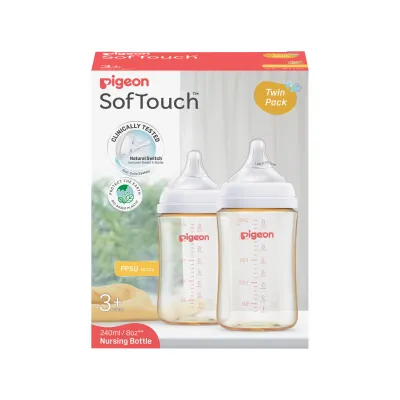
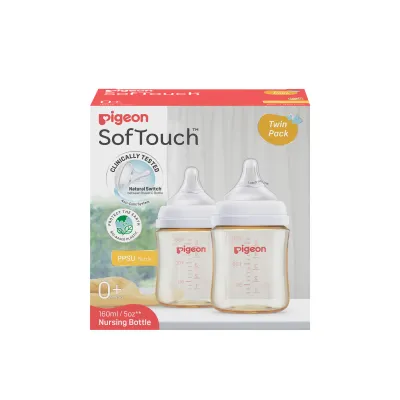
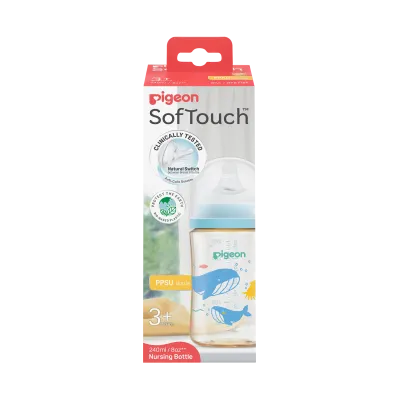
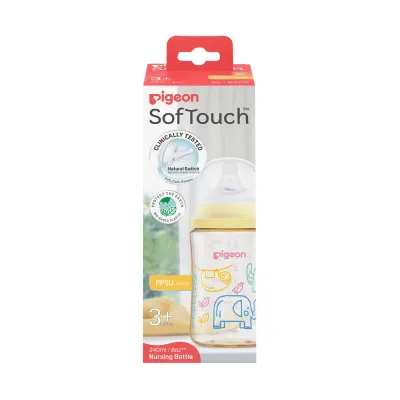
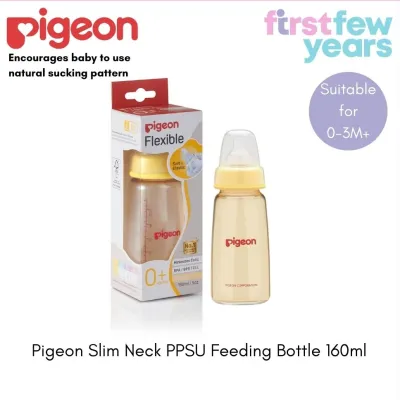
Prices are valid at publication and may change. Please refer to the product page for the latest price.

In contrast, PPSU is engineered to withstand high-impact drops without breaking. This medical-grade thermoplastic absorbs shock exceptionally well, making it virtually shatterproof. For parents who frequently feed on the go, travel, or have older infants transitioning to self-feeding, the drop resistance of PPSU offers significant peace of mind.
Regardless of the material you choose, regular visual inspections are essential to ensure feeding safety. For glass bottles, you should carefully inspect the rim, threads, and base for micro-cracks, hairline fractures, or tiny chips before every single feed. For PPSU bottles, look for deep scratches, structural warping, or areas of localized weakness that might compromise the bottle’s integrity.
Because manufacturing standards and glass thickness can vary across different bottle sizes and product generations, always verify specific drop-test claims or safety ratings directly on the product packaging. Do not assume all glass bottles share the same level of thermal or physical shock resistance, and always prioritize supervised feeding to prevent accidents.
Cleaning, Sterilization, and Maintenance
Maintaining strict hygiene is a daily priority for caregivers, and both PPSU and glass have distinct characteristics when subjected to frequent cleaning and sterilization. Both materials generally exhibit excellent heat tolerance, allowing them to withstand common sanitizing methods such as boiling water, steam sterilizers, and chemical sterilizing tablets. However, you must consult the specific Pigeon product manual to verify the exact temperature thresholds and maximum exposure times recommended for your specific bottle model.
Glass is naturally non-porous, which gives it a distinct advantage in resisting stains and odor retention. Even after hundreds of uses, glass bottles will not absorb the fats or pigments from breast milk or formula, ensuring they remain completely clear and odor-free. PPSU is also highly resistant to staining compared to standard polypropylene (PP) bottles, but it can still experience minor discoloration or absorb faint odors over extended periods of heavy use.
To preserve the lifespan of your bottles, the choice of cleaning tools is critical. PPSU is susceptible to surface scratching, which can create microscopic grooves where bacteria and milk residue can accumulate. When cleaning PPSU, always use a soft-bristle brush, such as a silicone or soft sponge brush, and avoid harsh abrasive scrubbers. Glass is much harder and highly scratch-resistant, allowing you to use standard nylon bristle brushes without worrying about damaging the interior surface.
Knowing when to retire a bottle is crucial for maintaining a hygienic feeding environment. You should establish clear stop-use conditions for your inventory. Discard and replace PPSU bottles immediately if they become heavily clouded, warped, or show deep interior scratches that cannot be thoroughly cleaned. For glass bottles, any sign of a chip, crack, or deep external scratch warrants immediate disposal to prevent glass particles from contaminating the milk or injuring the caregiver.
Feeding Experience: Weight, Grip, and Heat Transfer
The physical properties of your bottle material directly influence your baby’s comfort and their progress toward independent feeding. Glass is significantly heavier than PPSU, which can make a noticeable difference during long feeding sessions. For young infants who lack developed motor skills, holding a heavy glass bottle independently is highly challenging and requires constant, hands-on caregiver support to prevent the bottle from falling onto the baby’s face.
PPSU bottles are remarkably lightweight and often feature ergonomic contours designed for tiny hands. This lightweight profile encourages older babies to grasp, hold, and control the bottle themselves, supporting their fine motor skill development. If you frequently feed your baby while multi-tasking or traveling, the reduced weight of PPSU in your diaper bag is a highly practical benefit.
Heat conductivity is another area where these materials behave differently. Glass transfers heat rapidly, meaning it warms up quickly in a bottle warmer and cools down fast under running water. PPSU acts more as an insulator, taking slightly longer to reach the desired temperature during warming. Because of these thermal differences, caregivers must always test the temperature of the milk by sprinkling a few drops on the inside of their wrist before offering the bottle to the baby, ensuring it is safely lukewarm.
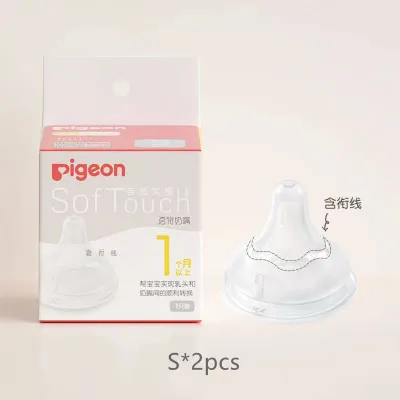
While the bottle material affects weight and heat transfer, the feeding mechanism itself—such as nipple flow rates and anti-colic venting systems—is generally independent of whether the bottle is made of glass or PPSU. Pigeon utilizes its signature SofTouch nipple technology across both bottle types. However, you should always verify component compatibility, ensuring that the collars, caps, and nipples you purchase are designed to fit the specific neck size (wide-neck versus slim-neck) of your chosen bottle model.
Cost, Replacement Cycles, and Value
Planning your baby-care budget requires looking at both the upfront purchase price and the long-term replacement costs of your feeding gear. When shopping in Singapore, you will find that glass bottles often have a lower or comparable initial retail price compared to premium PPSU bottles. However, the true cost of ownership depends heavily on how often you need to replace damaged items.
PPSU is a premium material, and its initial purchase price reflects its advanced medical-grade properties. Despite the higher upfront cost, PPSU bottles offer excellent long-term value because they do not break. However, because PPSU is a plastic-based material, manufacturers generally recommend replacing the bottles every six to twelve months of active use due to natural wear, sterilization fatigue, and surface micro-scratches.
Glass bottles do not degrade over time from heat or sterilization, meaning they can theoretically be used indefinitely and even passed down to younger siblings. This longevity makes glass highly cost-effective, provided they are handled carefully. However, if your household is prone to accidental drops, the cost of repeatedly replacing broken glass bottles can quickly surpass the investment of a durable PPSU set.
To optimize your budget, avoid relying on fixed cost estimates and instead check current retail prices, multi-pack bundle availability, and authorized retailers. Purchasing multi-packs or starter sets often yields better value per bottle. Always buy from reputable, authorized local distributors to ensure you are receiving genuine products that meet strict quality standards.
Decision Framework: Which Material Fits Your Routine?
To finalize your decision, align the unique characteristics of each material with your household’s daily lifestyle and your baby’s developmental needs.
Choose PPSU if:
- Your baby is reaching the age where they want to hold the bottle independently, and you want to encourage self-feeding.
- You frequently feed your baby outside the home, requiring lightweight, shatterproof bottles that pack easily into a travel bag.
- Your home features hard flooring, such as ceramic tiles or marble, where dropped glass poses a high safety risk.
- You prefer a lightweight bottle that reduces hand fatigue during late-night feeding sessions.
Choose Glass if:
- The bottles will be used almost exclusively at home under direct adult supervision.
- You prefer a highly hygienic, non-porous material that completely resists milk fat stains, cloudiness, and odor retention.
- You want a bottle that can be sterilized repeatedly at high temperatures for multiple years without needing routine replacement.
- You prefer a traditional feeding material and are comfortable managing the extra weight and breakage risks.
Verify first if:
- You are planning to transition your baby between different bottle materials; monitor their acceptance of the weight change.
- You use a specific type of sterilizer, such as a UV sterilizer, and need to confirm that the manufacturer approves PPSU for that specific light wavelength.
- Your chosen bottle size and neck style are fully compatible with your existing breast pump adapters, bottle warmers, and drying racks to avoid unnecessary secondary purchases.
Frequently Asked Questions (FAQ)
Can I mix PPSU and glass bottles for the same baby?
Yes, you can absolutely mix PPSU and glass bottles within your daily routine. Many parents choose to use glass bottles at home for overnight or morning feeds, and switch to lightweight PPSU bottles when traveling or sending their baby to daycare.
To ensure a seamless transition for your baby, keep the nipple type, shape, and flow rate completely consistent across both bottle types. Using the same nipple system prevents nipple confusion and ensures a familiar latch. Always double-check that the bottle collars and nipples are properly tightened and compatible with both the glass and PPSU bottle necks to prevent leaks.
Does PPSU contain BPA or BPS?
PPSU (polyphenylsulfone) is a high-performance thermoplastic that is inherently designed to be free from bisphenol A (BPA) and bisphenol S (BPS). It does not rely on these chemical compounds for its structural strength or heat resistance, making it a popular choice for parents seeking alternative materials to standard plastics.
To ensure maximum safety and compliance with local regulations, always inspect the product packaging for official safety declarations, compliance marks, or material certifications. Purchasing your bottles from authorized local retailers guarantees that the products have undergone rigorous quality control and meet import safety standards.
Why is my PPSU bottle turning yellow or cloudy?
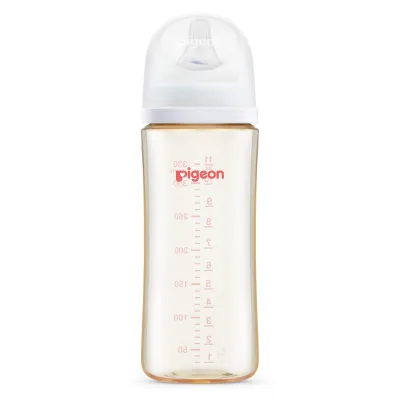
PPSU has a natural, characteristic honey-colored or golden tint even when brand new, which distinguishes it from completely clear polypropylene (PP) bottles. Over time, repeated exposure to high-temperature sterilization and contact with natural milk fats can cause this yellow tint to deepen or appear slightly cloudy.
This gradual color change is a normal physical property of the material and does not automatically mean the bottle is unsafe to use. However, as a practical rule of thumb, you should replace the bottle if the cloudiness makes it difficult to read the measurement markings, if the plastic begins to feel sticky, or if the interior surface develops rough patches or deep scratches.
Community discussion
Share your experience or ask a question. Comments are reviewed before publication.