
Selecting the right baby bottle is one of the most critical decisions new parents face, directly impacting an infant’s feeding comfort and a caregiver’s daily routine. With shelves filled with various materials, nipple shapes, and venting systems, finding the perfect match can feel overwhelming. In Singapore, three brands consistently dominate the conversation: Pigeon, Dr. Brown’s, and Philips Avent. Each brand approaches infant feeding with a distinct philosophy, ranging from Pigeon’s focus on high-durability medical-grade plastics to Dr. Brown’s highly engineered anti-colic systems and Avent’s straightforward, user-friendly designs.
To make an informed choice, you must weigh several factors, including how well your baby latches, how much time you can dedicate to washing intricate parts, and how the bottle material holds up under daily sterilization. This comprehensive comparison evaluates these three leading brands across material quality, nipple mechanics, ease of maintenance, and long-term value to help you determine the best option for your household.
Quick Answer: Which Baby Bottle Should You Choose?
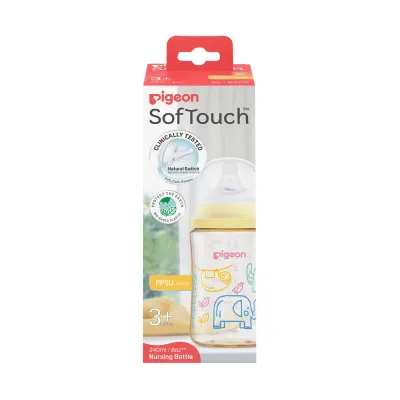
The ideal baby bottle depends entirely on your baby’s unique feeding patterns, your preferred sterilization routine, and your long-term budget. No single bottle is universally perfect for every infant, but understanding the primary strengths of each brand allows you to match their design features to your specific parenting needs. Pigeon PPSU is highly regarded for its durable, heat-resistant material and natural latch nipple; Dr. Brown’s excels in reducing severe colic through its complex venting system; and Philips Avent offers a reliable, easy-to-clean middle ground with versatile options.
Products mentioned in this guide
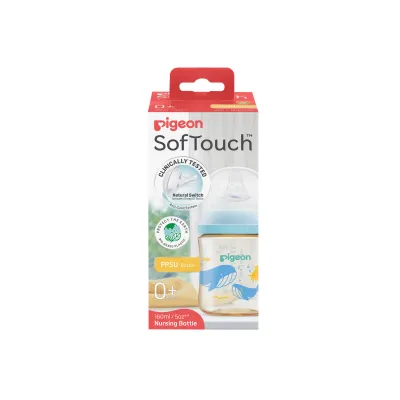
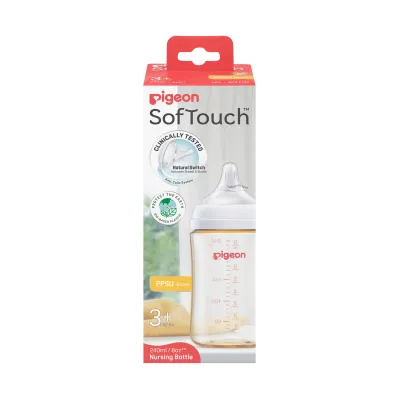
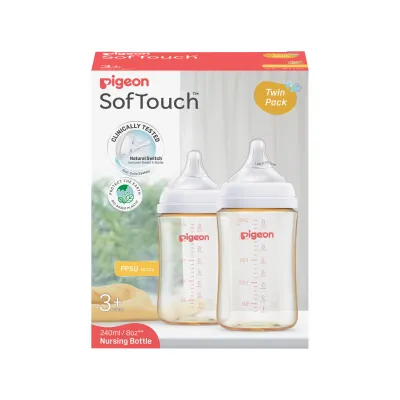
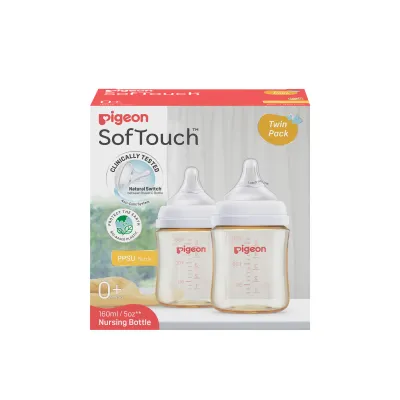
Prices are valid at publication and may change. Please refer to the product page for the latest price.
To help you decide quickly, consider this straightforward decision framework:
- Choose Pigeon PPSU if: You want a lightweight, exceptionally durable bottle that withstands frequent high-temperature sterilization without degrading, featuring a nipple designed to mimic the natural breastfeeding latch for easy transitioning between breast and bottle.
- Choose Dr. Brown's if: Your baby struggles with severe gas, spit-up, or colic symptoms, and you are willing to spend extra time cleaning and assembling a multi-part internal venting system.
- Choose Avent if: You prefer a widely compatible, straightforward bottle system with fewer parts to wash, offering a simple integrated anti-colic design that fits seamlessly into a busy daily schedule.
Material Quality and Durability: PPSU vs Standard Plastics
When comparing bottle materials, the distinction between Polyphenylsulfone (PPSU) and standard plastics like Polypropylene (PP) is significant. PPSU is a medical-grade thermoplastic recognizable by its natural, golden-honey tint. This material is engineered to withstand extreme temperatures up to 180°C, making it highly resilient against repeated boiling, steam sterilizing, and chemical exposure. Unlike standard plastics, PPSU does not easily absorb odors or colors from milk and formula, and it maintains its structural integrity without clouding or becoming brittle over months of heavy use.

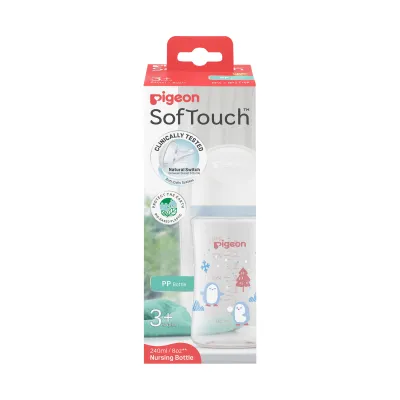
In contrast, standard PP bottles, which are commonly offered by Dr. Brown’s and Philips Avent as their entry-level options, are milky-white and highly flexible. While PP is exceptionally lightweight and budget-friendly, it has a lower heat tolerance, typically around 110°C to 120°C. Over time, frequent exposure to high-temperature sterilization causes PP bottles to develop micro-scratches, cloud over, and degrade, requiring them to be replaced more frequently than PPSU alternatives.
For parents interested in non-plastic options, glass remains a popular alternative across all three brands. Glass bottles are chemically inert, completely scratch-resistant, and highly hygienic, but they introduce practical trade-offs. Borosilicate glass bottles are significantly heavier, making it difficult for older infants to hold them independently, and they present a clear breakage hazard if dropped on hard Singaporean tile floors.
From a safety perspective, reputable brands manufacture their bottles to be free from Bisphenol A (BPA) and Bisphenol S (BPS). However, because safety standards and product formulations can change, you should always check the manufacturer’s packaging to verify current safety certifications. Before choosing a sterilization method, inspect the base of your bottle for the plastic recycling code—PPSU is typically marked with a category 7 or “PPSU” label, while PP is marked with a category 5 symbol—and confirm the maximum temperature limit specified in the user manual.
Nipple Design, Latch, and Anti-Colic Features
An infant’s feeding comfort relies heavily on nipple design, which dictates how easily they can latch and control the flow of milk. Pigeon’s PPSU bottles feature the SofTouch Peristaltic PLUS nipple, which is specifically designed to support the natural, wave-like tongue movement of breastfeeding infants. The nipple has a textured, matte surface that encourages a secure, wide-surface latch, helping to prevent nipple confusion for babies who alternate between the breast and the bottle. To manage air intake, Pigeon integrates a small Air Ventilation System (AVS) valve into the base of the nipple, which releases vacuum pressure without requiring extra internal parts.
Dr. Brown’s takes a completely different, highly mechanical approach to air management with its patented Internal Vent System. This system features a physical tube that routes air from the bottle collar directly to the bottom of the bottle, bypassing the milk entirely. By preventing air bubbles from mixing with the liquid, this design minimizes oxidation of nutrients and ensures a consistent, vacuum-free flow. While this system is highly effective for infants suffering from severe colic or reflux, the physical vent tube adds several small parts that must be meticulously aligned during assembly to prevent leaks.
Philips Avent offers the Natural Response nipple, which features a unique opening designed to release milk only when the baby actively compresses it, closely mimicking the physiological mechanics of breastfeeding. If the baby stops sucking to breathe or swallow, the milk flow pauses, reducing the risk of choking or overfeeding. Avent’s anti-colic feature is an integrated airflex valve built directly into the nipple skirt, which flexes to allow air into the bottle rather than the baby’s stomach, offering a simpler design that is easier to manage than Dr. Brown’s multi-part system.
When choosing a bottle, keep in mind that nipple flow rates are not standardized across different brands. A “slow flow” nipple from Pigeon may have a completely different flow rate than a “Level 1” nipple from Dr. Brown’s or a “Size 2” nipple from Avent. Monitor your baby closely during feeds for signs of frustration, gasping, or milk leaking from the corners of their mouth, which can indicate an incorrect flow rate. If your infant experiences persistent feeding difficulties, excessive spitting up, or signs of severe colic, consult a pediatrician or a certified lactation consultant rather than relying solely on bottle modifications.
Ease of Cleaning and Daily Maintenance
The daily maintenance of baby bottles can become a demanding chore, especially when managing multiple feedings every day. The complexity of a bottle’s design directly impacts how much time you will spend at the sink. Dr. Brown’s bottles, with their internal reservoir tubes and inserts, require a multi-step cleaning process. You must use a specialized, ultra-thin wire brush to scrub the narrow channels of the vent tube to prevent milk residue and mold from building up, which can be challenging for busy caregivers.
Conversely, Pigeon PPSU and Philips Avent bottles feature streamlined, wide-neck designs. These wide openings allow you to easily reach the bottom of the bottle with a standard sponge or silicone bottle brush, eliminating the need for specialized cleaning tools. With only three main components—the bottle body, the collar, and the single-piece silicone nipple—these bottles can be washed, rinsed, and assembled in a fraction of the time required for vented systems.
Sterilization compatibility is another crucial factor, particularly in Singapore’s warm, humid climate where prompt drying and sanitization are essential to prevent bacterial growth. While boiling water and steam sterilizers are safe for all three brands, UV sterilizers require caution. High-intensity UV-C radiation can accelerate the degradation of standard PP plastics, causing them to discolor, become brittle, or emit a distinct odor over time. Because of its superior chemical and thermal stability, PPSU is highly resistant to UV degradation, making it a much safer choice for households that rely on UV sterilizers. Always consult both your bottle manufacturer’s instructions and your UV sterilizer’s manual to verify compatibility and recommended cycle times.
Price, Availability, and Long-Term Value in Singapore
When evaluating the financial aspect of these brands, it is helpful to look at both the upfront cost and the long-term replacement cycle. Pigeon PPSU bottles sit at a premium price point in Singapore, typically ranging from S$22 to S$32 per bottle depending on the capacity and packaging. Dr. Brown’s options also occupy a premium tier, particularly their complete anti-colic starter sets and glass variants. Philips Avent offers a more diverse pricing structure; their standard PP lines are highly budget-friendly, often sold in multi-packs that lower the cost per unit, while their premium glass and specialized Natural Response sets align closely with Pigeon’s pricing.
All three brands enjoy excellent availability across Singapore. You can easily purchase bottles, replacement nipples, and accessories at major pharmacies, specialized maternal and baby retail stores, and official brand storefronts on online marketplaces. This widespread availability ensures you can quickly replace a damaged nipple or buy a larger bottle size without delay.
To assess the true long-term value, consider how long the bottles will remain in service. Although PP bottles are cheaper initially, they generally require replacement every 3 to 6 months due to micro-scratches, clouding, and material wear from sterilization. A high-quality PPSU bottle can easily last up to 12 months or longer under proper care, easily offsetting its higher initial purchase price. When budgeting, remember to factor in the cost of replacement nipples, which must be updated as your baby grows and requires faster flow rates.
Final Verdict: Matching the Bottle to Your Feeding Routine
Ultimately, the best bottle is the one that fits seamlessly into your family’s lifestyle and is readily accepted by your baby. Pigeon PPSU stands out as an exceptional long-term investment, offering unmatched material durability, resistance to UV sterilization, and a nipple design that supports natural breastfeeding mechanics. Dr. Brown’s remains the gold standard for targeted colic relief, making it the preferred choice for infants with sensitive digestive systems despite the demanding cleaning routine. Philips Avent provides an excellent, user-friendly compromise, combining a simple anti-colic design with a straightforward cleaning process and highly accessible pricing.
Before committing to an expensive multi-bottle starter set, it is highly recommended to purchase a single bottle of your top choice. Babies have strong preferences regarding nipple shape and flow, and testing a single bottle first can save you from investing in a system your baby might reject.
Regardless of the brand or material you choose, safety must always come first. Make it a habit to inspect all silicone nipples before every feeding by pulling gently on the bulb to check for tiny tears, cracks, or stickiness, and replace them immediately if you notice any signs of wear. If your baby continues to struggle with feeding, exhibits persistent discomfort, or shows signs of poor weight gain, stop troubleshooting different bottle brands and seek professional guidance from a pediatrician or a certified lactation consultant.
Frequently Asked Questions (FAQ)
Can I use Dr. Brown's or Avent nipples on a Pigeon PPSU bottle?
No, you should not mix nipples, collars, and bottles from different brands. While some wide-neck components may appear to fit together visually, they are not engineered to the same precise dimensional tolerances. Mixing components from different brands can compromise the seal, leading to persistent leaks, improper venting, or an inconsistent milk flow that can cause your baby to swallow excess air or choke. To ensure safety and proper performance, always stick to the same brand ecosystem for all bottle components.
How often should I replace PPSU baby bottles compared to PP bottles?
PPSU baby bottles can typically be used for up to 12 months under proper care and sterilization, thanks to their high thermal and chemical resistance. Standard PP (Polypropylene) bottles, however, should generally be replaced every 3 to 6 months because they are more prone to micro-scratches, clouding, and structural degradation from frequent heating. Regardless of the material, you should discard any bottle immediately if it shows deep scratches, persistent cloudiness, cracks, or chips. Keep in mind that silicone nipples wear out much faster than plastic or glass bottles and should typically be replaced every 2 to 3 months, or immediately if they show signs of thinning, tearing, or stickiness.
Community discussion
Share your experience or ask a question. Comments are reviewed before publication.